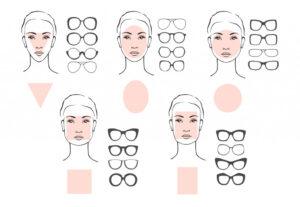
Choose glasses by matching your face shape, features, lifestyle, and frame fit—not by shape alone.
Learning how to choose glasses for your face can make shopping faster, easier, and more rewarding. The best pair should balance your features, feel comfortable all day, suit your personal style, and work well with your prescription. This guide explains face shapes, frame styles, measurements, colors, lens choices, and common fitting mistakes so you can choose with confidence.
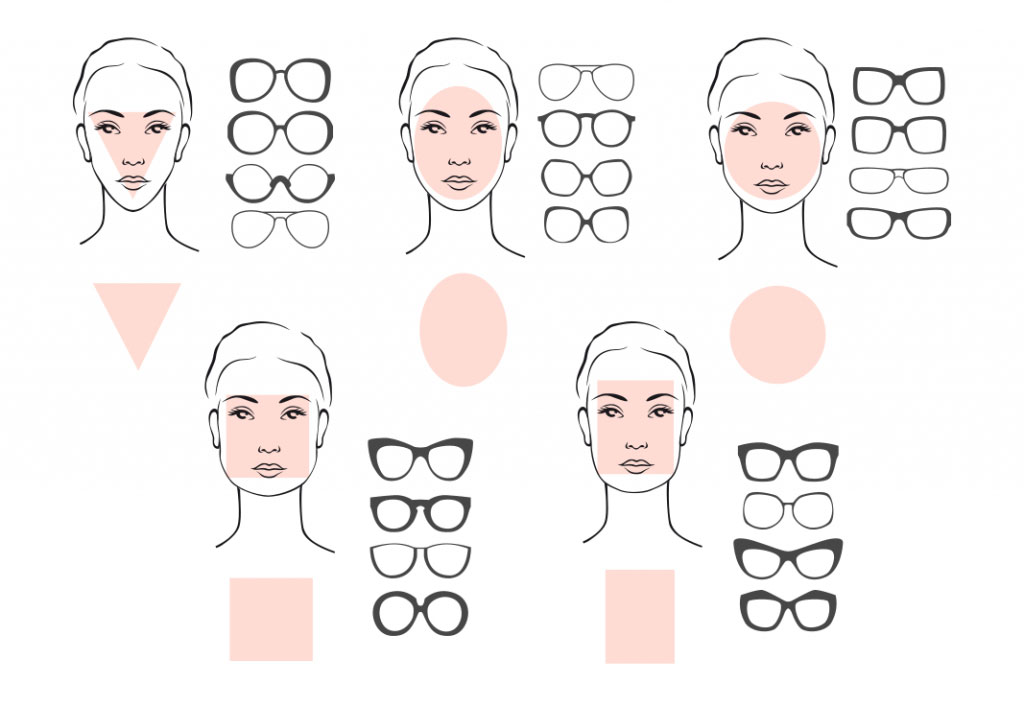
Why Face Shape Matters When Choosing Glasses
Your face shape helps you understand which frames may create balance. It is not a strict rule, though. Face shape is only one part of the decision. Your brow line, cheekbones, nose, skin tone, hairstyle, and personal taste matter too.
Think of your glasses as part of your visual outline. A frame can add structure, soften sharp lines, or bring attention to your eyes. The right pair should support your features rather than hide them.
When learning how to choose glasses for your face, focus on contrast. Soft, rounded features often look balanced with angular frames. Strong, angular features may look softer with round or oval frames. Similar shapes can also work when you want a calm, polished look.
How to identify your face shape
Look in a mirror with your hair pulled back. Trace the outline of your face on the mirror with a washable marker, or take a straight-on photo and study the shape.
Look at these areas:
• Forehead width
• Cheekbone width
• Jaw width
• Face length from forehead to chin
• Chin shape and jaw angle
Most people have a blend of face shapes. You may have an oval face with a square jaw or a round face with a longer forehead. That is normal, and it gives you more frame options.

Best Glasses for Each Face Shape
Face shape guides can help, but they should not limit you. Use them as a starting point, then test the frame on your face. Fit, comfort, and confidence always matter more than a rule.
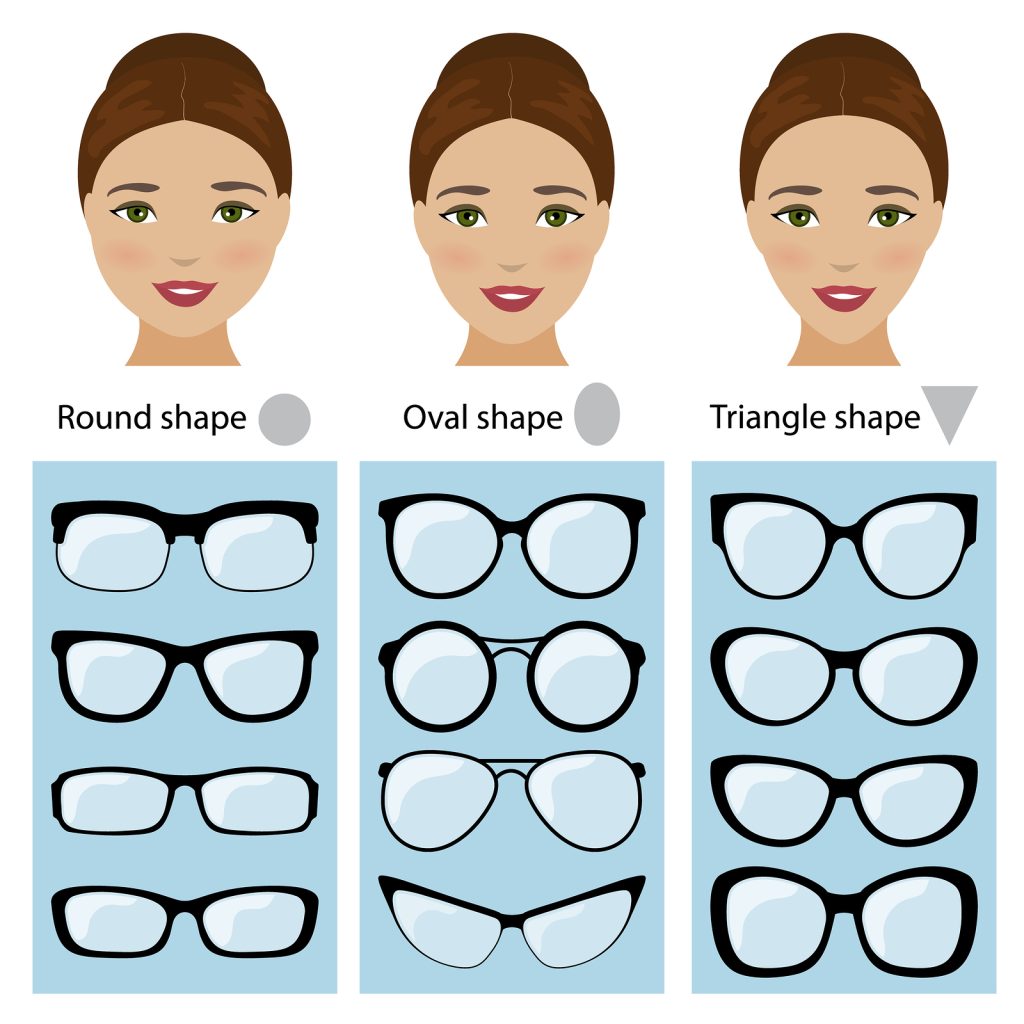
Oval face
An oval face is usually longer than it is wide. It often has a gently curved jaw and balanced proportions.
Most frame shapes work well with an oval face. Square, rectangular, cat-eye, aviator, and geometric frames can all look flattering.
Try:
• Frames that are as wide as, or slightly wider than, the broadest part of your face
• Bold shapes if you want more definition
• Medium-to-thick frames for a stronger look
• Balanced frames that do not sit too high or too low
Avoid frames that are extremely narrow. They can make the face look longer.
Round face
A round face often has similar width and length, with soft cheeks and a curved jaw.
Rectangular and square frames can add structure. Browline and geometric frames may also create a sharper outline.
Try:
• Angular frames with clear corners
• Frames that are wider than they are tall
• Darker or thicker upper rims
• Higher-set frames that visually lengthen the face
Very small, round frames may emphasize facial roundness. That does not mean you cannot wear them. If you love round frames, choose a larger size or a more structured design.
Square face
A square face often has a broad forehead, strong cheekbones, and a defined jaw. The width and length may look fairly similar.
Round and oval glasses can soften strong angles. Thin metal frames may create a lighter appearance, while rounded acetate frames can feel stylish and modern.
Try:
• Oval or round lenses
• Curved browlines
• Thin or medium-width frames
• Soft colors such as clear, brown, or muted tortoiseshell
If you prefer square frames, choose ones with rounded corners. A fully sharp frame may repeat the angles of your face instead of balancing them.
Heart-shaped face
A heart-shaped face is often wider at the forehead and narrower near the chin. It may include prominent cheekbones and a pointed or narrow jaw.
The goal is usually to create balance between the upper and lower face.
Try:
• Bottom-heavy frames
• Light-colored or rimless styles
• Oval, round, or softly curved shapes
• Low-set temples or frames with a wider lower rim
Avoid very heavy top rims if they make your forehead look wider. Subtle browline frames can still work if the upper detail is not too strong.
Oblong or rectangular face
An oblong face is longer than it is wide. The forehead, cheeks, and jaw may have similar widths.
Glasses with more lens depth can make the face look more balanced. Decorative temples and a strong bridge may also add visual width.
Try:
• Taller lenses
• Oversized frames that still fit correctly
• Round, square, or soft geometric shapes
• Bold color or detail on the sides
Very narrow lenses may make the face appear longer. Check that the frame does not sit too high or leave too much space below the eyes.
Diamond-shaped face
A diamond-shaped face is often widest at the cheekbones, with a narrower forehead and jaw.
Cat-eye, oval, rimless, and browline frames can highlight the eyes and soften the cheek area.
Try:
• Frames with a gentle curve
• Wider top rims
• Oval lenses
• Light, delicate materials
Avoid frames that are widest exactly at the cheekbones if they make that area look broader than you prefer.

How to Choose the Right Frame Size
Frame size is one of the most important parts of how to choose glasses for your face. A beautiful frame can look wrong if it is too wide, too narrow, too high, or too low.
Most glasses include three numbers printed inside the temple. For example, 52–18–140 usually means:
• 52 millimeters: lens width
• 18 millimeters: bridge width
• 140 millimeters: temple length
These numbers help, but they are not the whole story. Two frames with the same numbers can fit differently because of lens shape, frame thickness, bridge design, and curvature.
Signs your glasses fit well
Your frames should:
• Sit comfortably without squeezing your temples
• Stay in place when you move your head
• Rest securely on your nose
• Keep your eyes near the center of each lens
• Follow the shape of your brow without covering it completely
• End near the sides of your face without extending too far
Your pupils should look fairly centered in the lenses. This matters for clear vision and appearance, especially with stronger prescriptions or progressive lenses.
Signs your glasses do not fit
A frame may be too large if:
• It slides down often
• The temples extend far beyond your ears
• The lenses sit too far from your eyes
• The frame looks wider than your face
A frame may be too small if:
• It presses into your temples
• Your cheeks touch the lower rims
• The frame leaves red marks
• Your eyebrows sit far outside the frame
• The bridge feels tight or unstable
A professional optician can adjust many fit problems. They can reshape temple arms, adjust nose pads, and improve the angle behind your ears.

Match Glasses to Your Nose, Brows, and Eyes
Face shape helps you begin, but small facial details often decide whether glasses feel right.
Choose the right bridge
The bridge is the part that rests on your nose. A poor bridge fit can cause sliding, pinching, or pressure marks.
If you have a low nose bridge, look for frames with:
• Adjustable nose pads
• A keyhole bridge
• A lower bridge fit
• Designs marked for low-bridge or Asian-fit sizing
If you have a narrow nose, adjustable pads may help prevent movement. If you have a wider nose, a broader bridge can feel more stable.
Consider your eyebrows
Your eyebrows often influence the expression created by your glasses. Ideally, the top of the frame should work with your brow line.
A thick frame that covers the brows may make the face look heavier. A very low frame may make the eyes appear tired or disconnected from the rest of the face.
This is not a strict rule. Some fashion frames are designed to cover part of the brows. The key is to check whether the look feels intentional.
Keep your eyes centered
Proper eye placement is important for both comfort and vision. Your eyes should sit close to the center of the lenses, not near the inner or outer edges.
This matters even more with:
• Progressive lenses
• High prescriptions
• Strong astigmatism correction
• Large or highly curved lenses
An eye-care professional or optician should confirm the measurements before the lenses are made.

Choose Frame Colors That Suit You
Color can change how bold, soft, warm, or cool your glasses look. It can also complement your skin tone, hair, and eye color.
Warm tones often include:
• Gold
• Copper
• Warm brown
• Amber
• Honey tortoiseshell
• Olive green
Cool tones often include:
• Silver
• Gray
• Black
• Blue
• Clear crystal
• Cool burgundy
Neutral shades include black, clear, brown, gray, and classic tortoiseshell. They are easy to wear and work well for a first pair.
If you want a safe choice, match the frame to something you already wear often. For example, brown tortoiseshell may work well if your wardrobe includes tan, denim, cream, or olive. Black frames can add contrast to simple outfits and create a more formal look.
Clear frames are popular because they feel light and modern. However, clear acetate can still look bold if the frame is large or thick. Always judge the full frame, not just its color.

Pick the Best Frame Material
Frame material affects weight, comfort, durability, and style.
Acetate
Acetate frames are made from a plant-based plastic material. They often offer rich colors, patterns, and a smooth finish.
Benefits include:
• Strong color choices
• A comfortable feel
• Easy style changes
• Good durability when cared for properly
Thick acetate can feel heavy, especially in large sizes. Ask an optician to check the weight if you plan to wear the glasses all day.
Metal
Metal frames often look light and refined. Titanium is known for being lightweight and corrosion-resistant. Stainless steel can offer strength at a lower price.
Metal may be a good choice if you prefer:
• A minimal style
• Thin rims
• A lightweight feel
• Adjustable nose pads
Some people are sensitive to certain metals. Ask about the exact material if you have skin allergies.
Rimless and semi-rimless frames
Rimless frames create a nearly invisible look. Semi-rimless frames have a thin rim around part of the lens.
These styles can feel light, but they may need more care. They can also be less suitable for people who want a strong fashion statement or extra frame protection.
Select Lenses for Your Prescription and Lifestyle
Choosing glasses is not only about the frame. Lens material, coatings, and design affect daily comfort.
Ask your eye-care provider about:
• Polycarbonate lenses for impact resistance
• High-index lenses for stronger prescriptions
• Anti-reflective coating for screen use and night driving
• UV protection for outdoor exposure
• Scratch-resistant treatment
• Progressive or bifocal designs if needed
Blue-light lenses may reduce some glare for certain users, but evidence does not show that they prevent eye disease or reliably stop digital eye strain. Good screen habits still matter. Use regular breaks, adjust brightness, and keep a comfortable viewing distance.
For children, athletes, and people who work in active settings, impact-resistant lenses may be especially important. Lens needs depend on your prescription, work, hobbies, and risk of impact.
How to Choose Glasses for Your Face Online
Online shopping can offer more choice, but it requires careful checking. Virtual try-on tools can help you preview color and shape. They cannot always measure fit accurately.
Before ordering, check:
- Measure a pair of glasses you already like.
- Compare its lens, bridge, and temple numbers with the new frame.
- Check the retailer’s return and exchange policy.
- Confirm whether prescription lenses can be remade if the fit is wrong.
- Review customer photos for a better sense of size.
- Look for low-bridge or wide-fit options when needed.
A phone camera can distort face shape. Hold it at eye level and avoid a close selfie. A straight-on photo taken from farther away usually gives a better result.
One lesson I have seen repeatedly is that shoppers often choose frames based on a photo alone. They then discover that the bridge slips or the lens height feels wrong. A return policy and accurate measurements are often more valuable than a small discount.
Common Mistakes to Avoid
Even when you understand how to choose glasses for your face, a few mistakes can lead to disappointment.
• Choosing a frame only because it is trendy: Fashion matters, but comfort determines whether you will wear the glasses.
• Ignoring bridge fit: A frame that slips can cause constant adjustment and leave marks.
• Buying frames that are too narrow: Narrow frames can squeeze the temples and shift the eyes away from the lens centers.
• Choosing very large frames for a strong prescription: Thick lenses may become heavier or more noticeable at the edges.
• Forgetting your lifestyle: Delicate frames may not suit construction work, sports, or frequent outdoor use.
• Failing to check measurements: A virtual try-on cannot replace a proper fitting.
• Buying only one style: Your everyday glasses and special-occasion glasses do not need to look the same.
• Assuming expensive means perfect: Price can reflect materials and craftsmanship, but fit remains personal.
A Simple Method for Choosing Glasses
Use this process the next time you shop.
- Identify your general face shape, but stay open to mixed features.
- Decide whether you want contrast or harmony.
- Measure a pair that already fits well.
- Choose a frame width close to your face width.
- Check the bridge for comfort and stability.
- Make sure your eyes sit near the lens centers.
- Compare frame color with your skin tone, hair, and wardrobe.
- Consider your prescription and lens thickness.
- Match the material to your routine.
- Try the glasses on for several minutes before buying.
- Ask an optician to make final adjustments.
- Confirm the return policy, especially when shopping online.
This method makes how to choose glasses for your face less confusing. It turns a vague style decision into a practical checklist.
How to Choose Glasses for Your Face and Personal Style
Your glasses can communicate a lot before you say a word. Round metal frames may look creative and relaxed. Black rectangular frames may feel direct and professional. Tortoiseshell can appear warm and classic, while clear acetate may look fresh and modern.
For work, choose a shape and color that fit your daily setting. For a creative field, geometric frames or bright colors may show more personality. If you want one pair for everything, choose a medium-size frame in a versatile color.
You can also use glasses to change the mood of an outfit. A simple T-shirt and jeans can look more polished with a structured frame. A bold frame can add energy to a neutral outfit.
The best style is one you enjoy wearing. Confidence changes how a frame looks, and comfort makes confidence easier.
Frequently Asked Questions About How to Choose Glasses for Your Face
What glasses look best on my face shape?
The best glasses balance your features and fit comfortably. Angular frames often add structure to round faces, while rounded frames can soften square faces, but personal style and correct measurements matter just as much.
How do I know what size glasses I need?
Check the three numbers printed inside a frame: lens width, bridge width, and temple length. Compare them with a pair that fits well, then confirm the fit with an optician.
Should glasses cover my eyebrows?
Usually, the top of the frame should work with your brow line rather than fully hiding it. However, oversized and fashion frames may intentionally cover part of the brows.
Are round or square glasses better for a round face?
Square and rectangular glasses often create helpful contrast with a round face. If you prefer round glasses, choose a larger or more structured pair so the frame does not repeat the face shape too closely.
How should glasses sit on your nose?
Glasses should rest securely without pinching, sliding, or leaving strong marks. The bridge should feel stable, and your eyes should sit near the center of each lens.
Can I choose glasses online without trying them on?
Yes, but online shopping works best when you know your measurements and use a retailer with easy returns. Virtual try-on tools show style more reliably than exact comfort or bridge fit.
Conclusion
Learning how to choose glasses for your face is about more than matching a frame to an oval, round, square, heart, diamond, or oblong shape. Start with face balance, then check frame width, bridge comfort, eye position, color, material, and lens needs. A well-fitted pair should feel secure, support clear vision, and reflect your personality.
Use the steps in this guide when comparing frames, and take time to test how each pair feels. If you are unsure, ask an optician for help with measurements and adjustments. Explore different styles, compare your options, and choose the pair that makes you feel comfortable and confident every day.

Rubel Miah is the Senior Editor at MyStyleGrid.com, where he brings a sharp editorial eye and an unshakable love for fashion to everything he does. A true style addict, Rubel lives and breathes trends, from streetwear to high fashion, and has a knack for turning inspiration into impactful stories. With years of experience in fashion journalism and digital media, he curates content that empowers readers to express themselves through style. When he’s not editing features or forecasting the next big thing, you’ll find him hunting down vintage pieces or capturing street style moments around the city.