The best eyeglasses match your face shape, coloring, lifestyle, prescription, and personal style.
Wondering what eyeglasses look good on me is a common question, but there is no single frame that suits everyone. The right pair should balance your features, feel comfortable all day, fit your prescription, and reflect how you want to look. This guide explains how to choose frames with confidence, using practical styling tips and trusted eyewear principles.
How to Find What Eyeglasses Look Good on Me
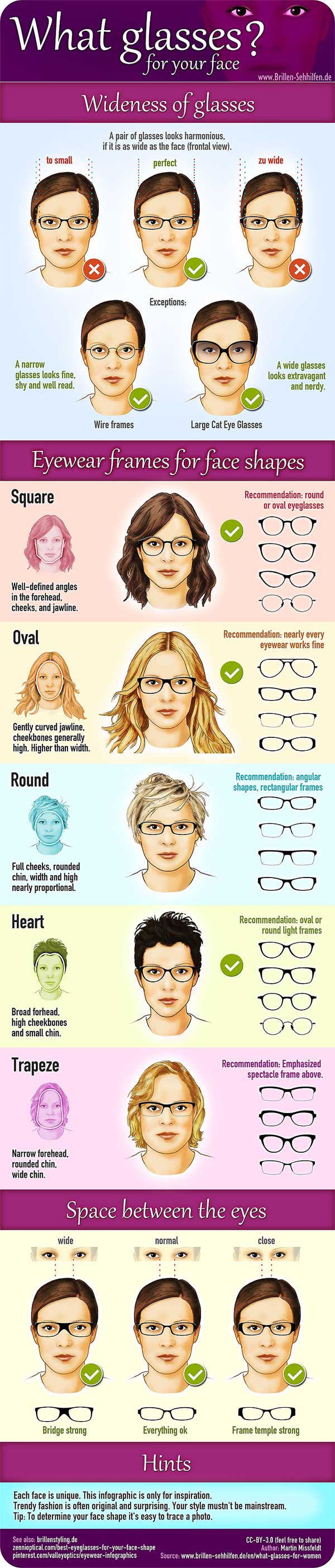
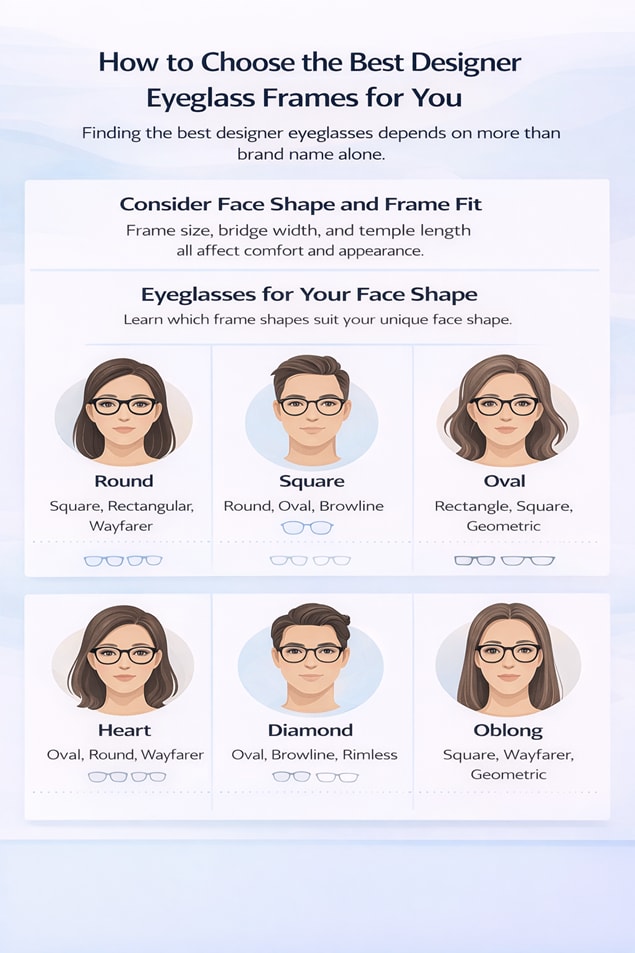
The best way to find what eyeglasses look good on me is to start with your face shape. Your face may be oval, round, square, heart-shaped, diamond-shaped, or long. Most people have a blend of shapes, so do not treat these categories as strict rules.
Think of your frames as a picture frame. They should support your features without covering them completely. A good pair adds balance, while the wrong pair may make one part of your face look too wide, narrow, long, or short.
Look at these basic features:
• Face length: Measure from your hairline to your chin.
• Face width: Compare the width of your cheekbones with the length of your face.
• Jaw shape: Notice whether your jaw is soft, curved, pointed, or angular.
• Forehead width: A broad or narrow forehead can affect frame balance.
• Eyebrow position: Frames should usually follow the natural line of your eyebrows.
A simple photo can help. Pull your hair back, face a window, and take a straight-on picture. Avoid tilted selfies, since camera angles can distort your face.

Best Eyeglasses for Each Face Shape
Face shape is a useful starting point when deciding what eyeglasses look good on me. However, it is not a strict formula. Frame size, color, bridge fit, and personal taste matter just as much.
Oval face
An oval face often has balanced proportions, a gently curved jaw, and cheekbones that are slightly wider than the forehead and chin.
Many frame styles work well, including:
• Square frames
• Rectangle frames
• Round frames
• Cat eye frames
• Browline frames
Choose frames that are about as wide as your face or slightly wider. Very narrow frames can make your face look longer.
Round face
A round face often has fuller cheeks, a curved jaw, and similar face width and length. Angular frames can create helpful contrast.
Try:
• Rectangular frames
• Square frames
• Geometric frames
• Clear frames with sharp edges
• Slightly upswept frames
Avoid frames that are very small or strongly circular if you want to add visual length. That said, round frames can still look stylish if you prefer a soft, vintage appearance.
Square face
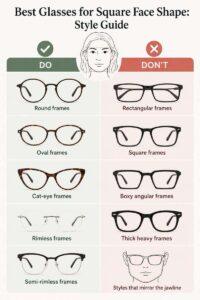
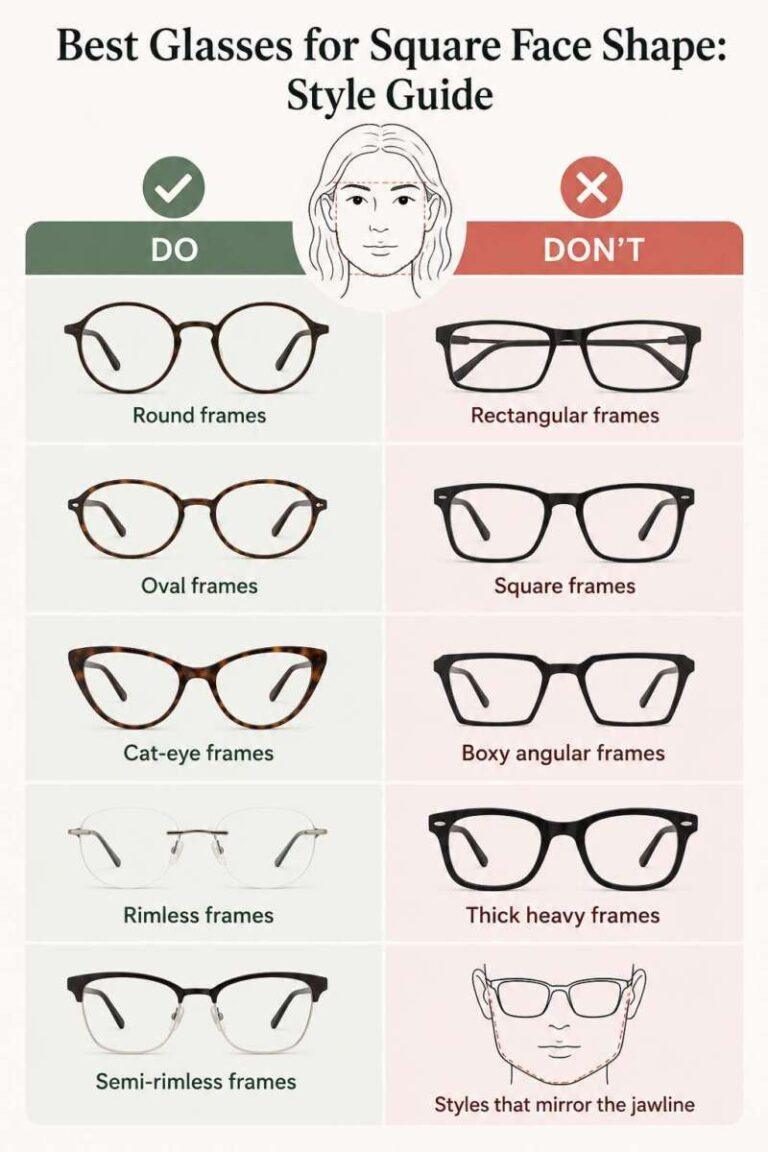
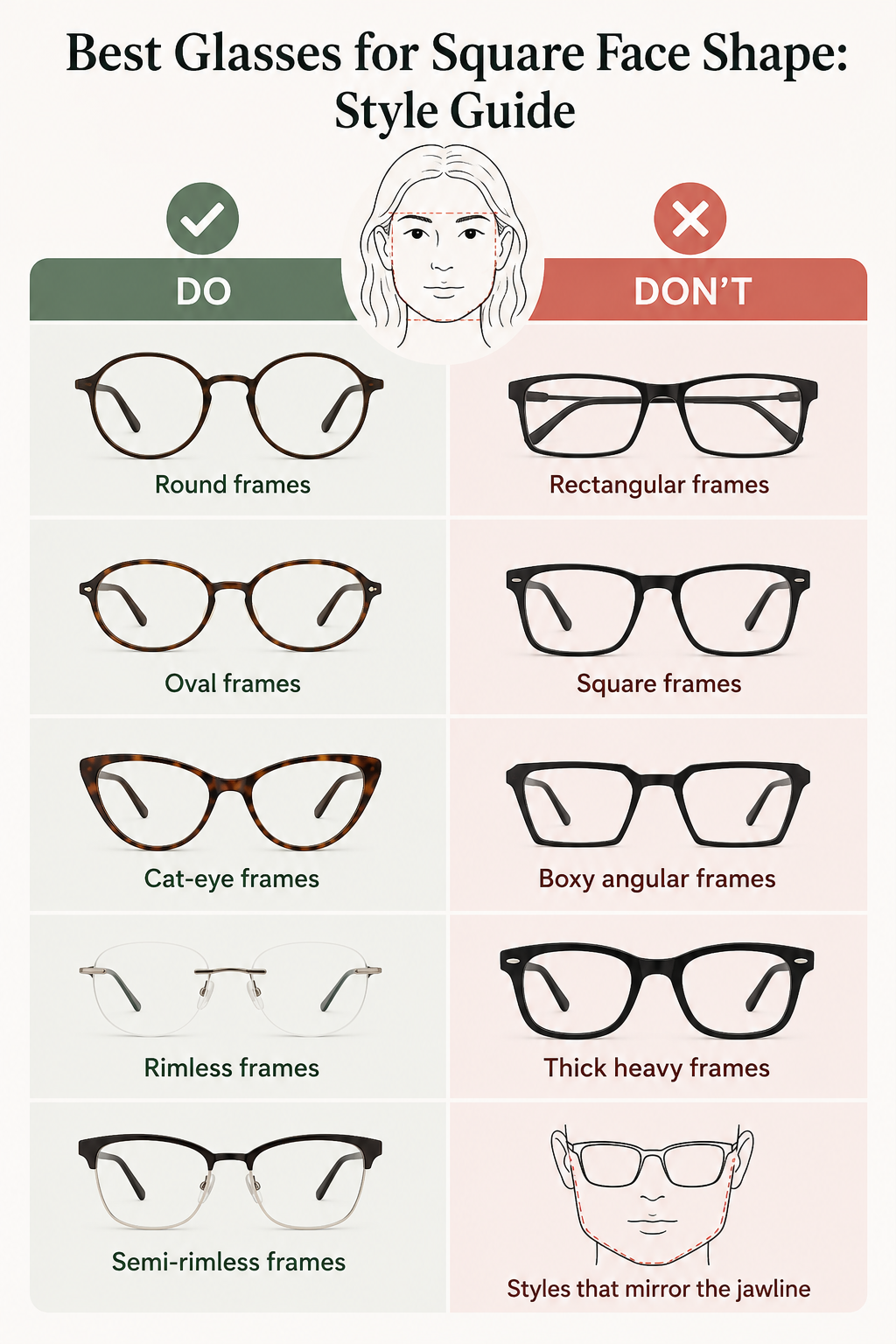
A square face usually has a broad forehead, defined cheekbones, and a strong jaw. Rounded styles can soften angular features.
Consider:
• Round frames
• Oval frames
• Thin metal frames
• Soft cat eye frames
• Frames with curved lower edges
You do not need to hide a strong jaw. Many people choose bold square frames because they want to highlight a confident, structured look.
Heart-shaped face
A heart-shaped face often has a wider forehead and cheek area with a narrower chin. Frames that add weight to the lower half can create balance.
Good choices include:
• Oval frames
• Round frames
• Rimless frames
• Light-colored frames
• Bottom-heavy frames
Small or narrow frames may also work well. Avoid very heavy browlines if they make your forehead appear much wider.
Diamond-shaped face
A diamond-shaped face is often widest at the cheekbones, with a narrower forehead and chin. Curved frames can complement these features.
Try:
• Oval frames
• Cat eye frames
• Rimless frames
• Browline frames
• Soft rectangular frames
The goal is often to draw attention toward the eyes and forehead while keeping the cheek area from looking too broad.
Long or oblong face
A long face has more vertical length than width. Frames with greater depth can make the face appear more balanced.
Look for:
• Tall lenses
• Oversized frames
• Deep rectangular frames
• Bold bridge details
• Frames with decorative temples
Very narrow lenses may make the face look even longer. A frame with a strong top line can also add useful structure.
What Frame Color Looks Best on Me?
Color plays a major role in what eyeglasses look good on me. The right shade can brighten your face, bring out your eyes, and make your skin tone look more even.
Start with your natural coloring. You do not need to follow rigid “warm” or “cool” rules, but they can offer a helpful guide.
Warm coloring
You may prefer warm colors if gold jewelry looks especially natural on you or your skin has golden, peach, or olive tones.
Try:
• Tortoiseshell
• Honey brown
• Copper
• Gold
• Warm beige
• Olive green
Cool coloring
Cooler shades may work well if silver jewelry suits you or your skin has pink, rosy, or blue undertones.
Consider:
• Black
• Silver
• Gray
• Navy
• Blue
• Cool purple
Neutral coloring
If both gold and silver look good, you may have neutral coloring. You can often wear a wide range of shades.
Try:
• Clear frames
• Soft brown
• Gray
• Champagne
• Navy
• Black
Your hair color matters, too. Dark frames can create a bold contrast with light hair. Light or transparent frames may look softer against dark hair. The best choice depends on whether you want your glasses to stand out or blend in.
When deciding what eyeglasses look good on me, hold frames near your face in natural light. Store lighting can make colors look different. A frame that looks attractive under bright indoor lights may appear too dull or too strong outdoors.
How to Choose the Right Frame Size
Many people focus on style and forget fit. Yet frame size is one of the most important parts of what eyeglasses look good on me.
Your frames should not press into your temples. They should not slide down your nose, touch your cheeks, or sit so high that they cover your eyebrows. The eyes should appear near the center of each lens.
Check these areas:
• Frame width: The outer edges should align closely with the sides of your face.
• Bridge fit: The bridge should sit securely without pinching.
• Lens height: Taller lenses can suit long faces and progressive lenses.
• Temple length: The arms should rest comfortably behind your ears.
• Nose pads: They should support the frame without leaving painful marks.
A frame that fits poorly can cause more than discomfort. It may slide during work, create pressure behind the ears, or make your vision feel less natural. For multifocal lenses, poor frame position can also affect how easily you find the correct viewing zones.
A useful rule is to judge the fit after wearing the frames for at least 10 minutes. Move your head, smile, read, and look down. If the frame shifts during these simple actions, ask an optician about adjustments.
What Eyeglasses Look Good on Me for Different Styles
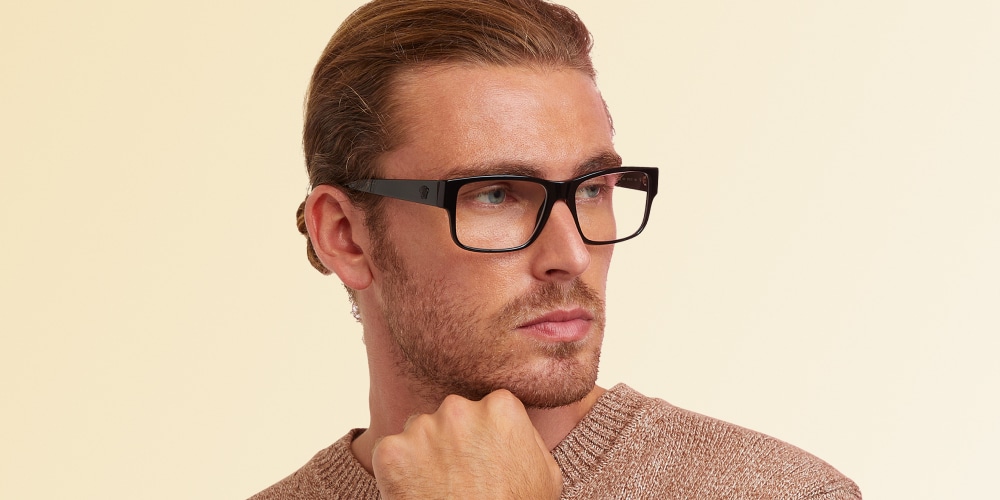
Your lifestyle should guide your choice as much as your face shape. What looks good in a photo may not work for your job, hobbies, or daily routine.
Professional style
For work, choose frames that match your field and comfort needs.
Good options include:
• Thin metal frames
• Classic black rectangles
• Tortoiseshell frames
• Dark navy frames
• Subtle browline frames
Neutral colors often work well in formal settings. If your workplace is creative, you may enjoy a stronger shape or brighter color.
Casual style
Casual eyewear gives you more room to experiment. Clear acetate, round frames, soft squares, and colorful temples can add personality without feeling too formal.
Bold style
If you want glasses to become part of your signature look, choose a noticeable shape. Oversized cat eye frames, bright acetate, geometric designs, and thick rims can create a clear fashion statement.
Bold frames should still fit well. A dramatic design loses its appeal if it slides down your nose every few minutes.
Active lifestyle
If you exercise or spend time outdoors, look for durable materials and secure construction. Lightweight acetate, flexible hinges, and sports eyewear may help.
For outdoor use, consider prescription sunglasses with proper ultraviolet protection. Sunglasses should block 99% to 100% of UVA and UVB rays. Dark lenses alone do not guarantee this protection.

Choosing Frames for Your Prescription
Your prescription can affect what eyeglasses look good on me. Frame style is not only about appearance. It also affects lens thickness, weight, and visual performance.
For stronger prescriptions, smaller frames may reduce lens thickness and weight. High-index lenses can also help create a slimmer profile, although they may cost more.
If you need progressive lenses, choose frames with enough vertical depth. Very shallow frames may leave less room for the distance, intermediate, and reading zones.
Ask an optician about:
• Lens material
• High-index options
• Anti-reflective coating
• Blue light needs
• Progressive lens measurements
• Frame durability
Anti-reflective coating can reduce glare from screens, headlights, and indoor lighting. It may also make your eyes easier to see through the lenses. Blue light products have mixed evidence for general eye comfort and sleep benefits, so discuss your specific needs with an eye care professional.
If you have a high prescription, do not choose a frame only because it looks fashionable online. Lens thickness, eye position, and measurements matter. A licensed optician can explain which styles will provide the best result.
Common Mistakes to Avoid When Buying Glasses
A few simple mistakes can make it harder to discover what eyeglasses look good on me.
Choosing a frame that is too wide
Wide frames may slide, create glare, and make your eyes look too close together. The temples should sit near the sides of your head without spreading outward.
Matching your face shape too strictly
The idea that round faces must wear square glasses is only a guideline. Personal style matters. The best frame may be the one that creates the mood you want.
Ignoring your eyebrows
Frames that cut across your eyebrows can change your expression. Ideally, your brows should remain visible or follow the upper edge of the frame in a natural way.
Buying only by color
A beautiful color cannot fix a poor fit. Check the bridge, width, lens height, and temple comfort before making a decision.
Using an inaccurate virtual try-on
Virtual tools can be useful, but they may not show true size, bridge fit, or lens thickness. Use them to create a shortlist, then try the frames in person when possible.
Forgetting your daily routine
If you read often, work at a computer, drive at night, or spend time outdoors, your lenses and frame need to support those activities.

A Simple Method to Test Eyeglasses at Home
If you are asking what eyeglasses look good on me, you can use a simple comparison method before buying.
-
Take a clear photo facing forward in natural light.
-
Try frames in three shapes, such as round, square, and oval.
-
Compare a neutral color with a brighter color.
-
Check whether your eyes sit near the center of the lenses.
-
Smile and look down to test movement.
-
Wear the frames for at least 10 minutes.
-
Ask someone you trust for an honest opinion.
-
Review the return policy before ordering online.
Take photos from the front and side. Look for pressure marks, tilted frames, and gaps near the bridge. If the frame looks crooked, an optician may be able to adjust it.
One lesson I often share with friends is not to judge a frame too quickly. Some styles look unusual after years of wearing the same shape. After a few minutes, your eyes often adjust, and you may see the frame more clearly as part of your overall look.

How to Make a Final Decision
The answer to what eyeglasses look good on me should include both appearance and function. A stylish frame that causes headaches or slips during meetings is not the right choice.
Use this final checklist:
• Does the frame feel comfortable after 10 minutes?
• Are your eyes centered in the lenses?
• Does the bridge stay in place?
• Do the temples press against your head?
• Do your cheeks touch the lower rim when you smile?
• Does the color suit your usual clothing?
• Will the frame work with your prescription?
• Does it match your work and personal style?
• Can the frame be adjusted or returned?
Try to compare at least three different styles. The first frame you like may not be the best frame for your face. Comparing several options helps you notice small differences in width, color, and balance.
The right glasses should feel like an extension of you. They can be quiet and polished, bright and playful, or bold and artistic. There is no need to follow every fashion rule if the frame fits well and makes you feel confident.

Frequently Asked Questions About What Eyeglasses Look Good on Me
How do I know what eyeglasses look good on me?
Start with your face shape, then check frame size, color, bridge fit, and lens position. Try several styles in natural light and choose the pair that feels comfortable and matches your personal style.
Should glasses be lighter or darker than my hair?
Either can work. Dark frames create contrast, while lighter or clear frames create a softer look. Choose based on whether you want your glasses to stand out or blend with your features.
Are round glasses good for a round face?
Round glasses can look good on a round face, especially if you prefer a soft or vintage style. Angular frames create more contrast, but personal taste and proper fit matter more than a strict shape rule.
Should eyeglasses cover my eyebrows?
Not always. Many frames sit below or across the eyebrows, while some bold styles cover part of them. The key is that the frame should look balanced and should not make your expression seem strained.
What frame shape makes my face look slimmer?
Angular or slightly wider frames can create a longer, more structured appearance on a round face. The frame should not be too narrow, since narrow glasses can emphasize facial width.
Are clear eyeglasses still fashionable?
Yes, clear and translucent frames remain popular because they suit many skin tones and clothing styles. They offer a softer look than black frames while still adding shape to the face.
What eyeglasses look good on me if I have a strong prescription?
Smaller frames, high-index lenses, and well-centered eyes can help reduce lens thickness and weight. An optician should check your prescription and measurements before you choose a frame.
Conclusion
Finding what eyeglasses look good on me becomes easier when you consider more than face shape. Look at frame width, bridge fit, lens height, color, prescription needs, comfort, and lifestyle. Face shape offers a helpful starting point, but confidence and proper fit should guide the final choice.
Try several styles in natural light, test them while moving and smiling, and ask an optician for professional adjustments. The right pair will not only improve your vision but also help you express your personality. Explore different frame shapes today, and share your favorite eyewear style with someone who is also searching for the perfect fit.

Rubel Miah is the Senior Editor at MyStyleGrid.com, where he brings a sharp editorial eye and an unshakable love for fashion to everything he does. A true style addict, Rubel lives and breathes trends, from streetwear to high fashion, and has a knack for turning inspiration into impactful stories. With years of experience in fashion journalism and digital media, he curates content that empowers readers to express themselves through style. When he’s not editing features or forecasting the next big thing, you’ll find him hunting down vintage pieces or capturing street style moments around the city.