A narrow calf circumference for boots is usually about 12 to 14 inches, though sizing varies by brand and boot style.
Finding the right calf fit can turn knee-high boots from frustrating to comfortable. This guide explains how brands define a narrow calf circumference for boots, how to measure your leg, and how to choose a shaft that fits without pinching or slipping.
What Is a Narrow Calf Circumference for Boots?
A narrow calf circumference for boots usually measures between 12 and 14 inches around the widest part of the calf. Some brands may label 13 inches as narrow, while others may use a range closer to 14 or 15 inches.
There is no single industry-wide standard for narrow boot calves. Each brand sets its own measurements based on its fit model, boot height, leather, and intended use. A riding boot, fashion boot, and Western boot may all use different definitions of “narrow.”
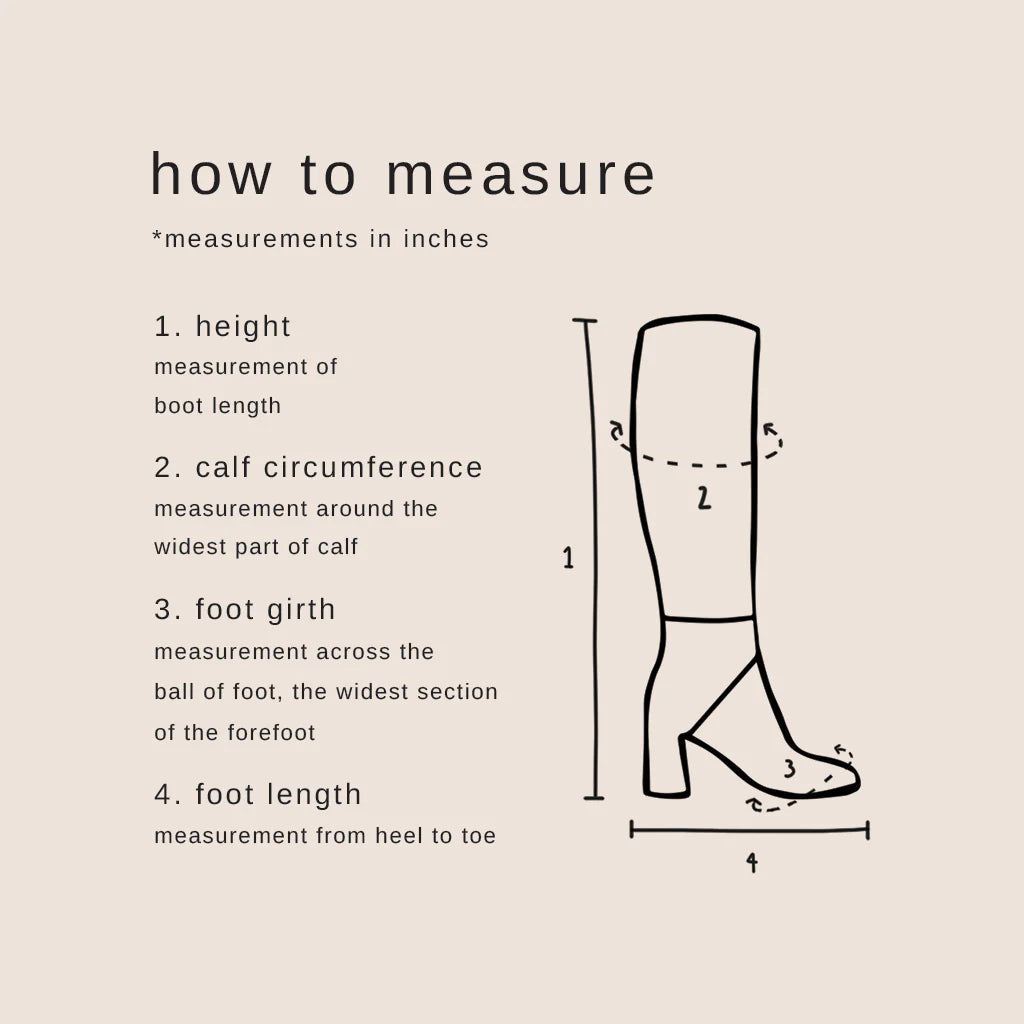
The key measurement is the boot shaft circumference. This is the distance around the top opening of the boot, not the measurement around your ankle or the widest part of your foot.
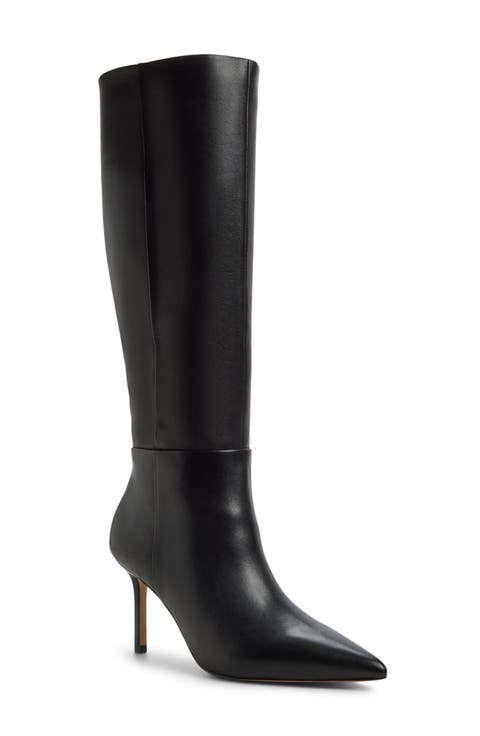
Common boot calf size ranges
These ranges offer a helpful starting point:
• Extra narrow: About 11 to 12 inches
• Narrow: About 12 to 14 inches
• Standard or regular: About 14 to 16 inches
• Wide calf: About 16 to 18 inches
• Extra wide calf: More than 18 inches
These are general estimates, not fixed rules. A 14-inch shaft may fit as narrow in one brand and regular in another. Always check the brand’s size chart before buying.
How to Measure Your Calf for Boots
Accurate measuring is the best way to identify a narrow calf circumference for boots. You need a soft measuring tape, a pen, and the socks or pants you plan to wear with the boots.
Follow these steps:
-
Stand upright with your weight evenly placed on both feet.
-
Wrap the tape around the fullest part of your calf.
-
Keep the tape level with the floor.
-
Make the tape snug, but do not pull it tight.
-
Record the measurement in inches.
-
Measure both legs and use the larger number.
Your calf may change slightly during the day. Fluid retention, exercise, heat, and even a long work shift can affect the measurement. For the most useful result, measure in the afternoon while wearing your usual boot socks.
A common fitting mistake is measuring while sitting. The calf can spread or change shape when your leg is bent. Standing gives a better picture of how the boot will fit during normal wear.

Where should you measure?
Measure the widest point of your calf. This point is often several inches below the knee, but its exact location differs from person to person.
Do not measure at the top of your calf unless that is also the widest point. Boot openings often sit below the knee, so the shaft must clear the widest area of your leg.
Should you add extra room?
Usually, yes. Your boot does not need to match your bare calf measurement exactly.
Consider adding about 0.25 to 0.5 inches for thin socks and normal movement. You may need more room for jeans, leggings with thick fabric, leg warmers, or compression socks.
Avoid adding too much room. A shaft that is more than an inch larger than your calf may gap, fold, or slide down as you walk.
Narrow Calf Boot Measurements by Boot Type
The meaning of a narrow calf circumference for boots changes with the style of the boot. The shaft height and material affect how the boot feels, even when the listed circumference is the same.
A tall leather boot with a firm shaft needs a more precise fit. A soft suede boot may mold to your leg and feel more flexible. Stretch panels can also add comfort and allow a closer fit.
Tall fashion boots
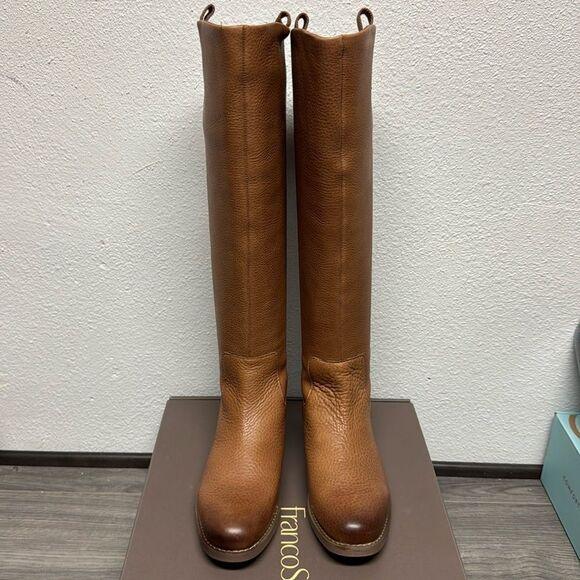
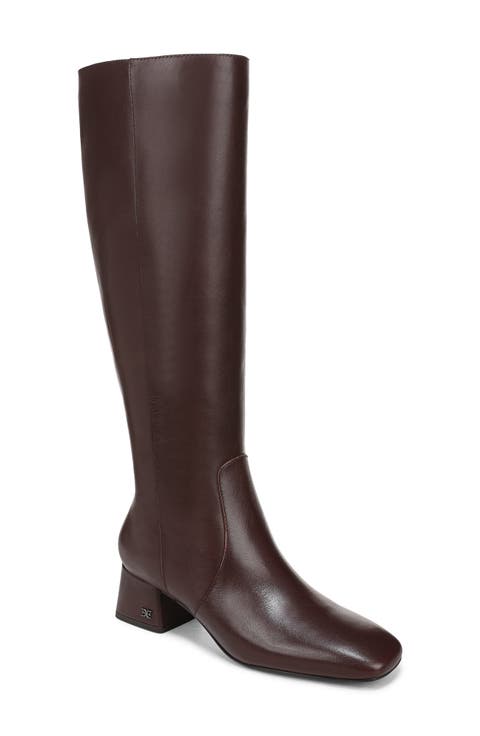
Tall fashion boots often have a shaft circumference of about 12 to 14 inches when labeled narrow. They may include zippers, elastic panels, or adjustable buckles.
A narrow fashion boot should sit close to the calf without cutting into the skin. You should be able to slide one or two fingers between your leg and the shaft.
Riding boots
Traditional riding boots often fit more closely around the calf. A narrow riding boot may measure 12 to 13.5 inches, depending on the boot height and brand.
Riding boots should feel secure but not painful. The calf should not bulge over the top, and the boot should not restrict normal ankle movement.
Western boots
Western boots often have a looser shaft. Their opening may not fit the calf as closely as a zippered fashion boot.
For this reason, a narrow calf circumference for boots may not be as important with Western styles. Focus on heel movement, foot width, instep fit, and overall comfort.
Stretch and sock boots
Stretch boots can accommodate a wider range of calf sizes. A narrow shaft may still work if the material has strong recovery and does not become loose after wear.
Check whether the brand lists the measurement before stretching or after stretching. This detail can change the fit by several inches.
How Boot Calf Fit Should Feel
The correct calf fit should feel secure, smooth, and comfortable. The boot should stay in place without squeezing your leg or leaving a large gap.
Use these fit checks:
• The shaft should close without force.
• The top edge should not dig into your calf.
• You should be able to sit and bend your knee comfortably.
• The boot should not slide down with every step.
• The zipper should move without strain.
• Your skin should not show deep red marks after removal.
A small gap is not always a problem. Some boot designs are meant to have a relaxed look, especially slouch boots and Western boots. The goal is comfort and stability, not a perfectly painted-on fit.
Think of the boot shaft like a curtain around a window. It should frame the leg neatly, but it should not pull so tightly that it cannot move.

Signs the calf is too narrow
A shaft may be too narrow if:
• The zipper stops before reaching the top.
• The boot creates painful pressure behind the knee.
• The material digs into your skin.
• Your calf bulges over the shaft.
• You feel numbness or tingling.
• The boot leaves deep marks that last for hours.
Do not rely on “breaking in” to fix severe tightness. Leather may soften, but it usually does not expand enough to correct a major size mismatch.
Signs the calf is too wide
A shaft may be too wide if:
• You can fit several fingers between your calf and the boot.
• The top opening collapses when you walk.
• The boot slides down repeatedly.
• Pants bunch up inside the shaft.
• The boot rubs because your leg moves inside it.
A wide shaft can sometimes be adjusted with an insole, thicker socks, or a boot alteration. However, these fixes work best when the difference is small.
Narrow Calf Circumference for Boots and Boot Height
Boot height affects calf fit more than many shoppers expect. A boot that reaches just below the knee may sit at a wider part of the leg than a boot that ends several inches lower.
Two boots may both list a 13-inch shaft circumference but feel very different. One may measure 13 inches at the lower calf, while the other measures 13 inches near the knee.
Look for these details in the product description:
• Shaft height
• Shaft circumference
• Measurement location
• Stretch content
• Adjustable features
• Whether the measurement includes the lining
If the listing gives only one circumference, contact the retailer for clarification. A clear measurement is more reliable than a label such as narrow, slim, or petite.
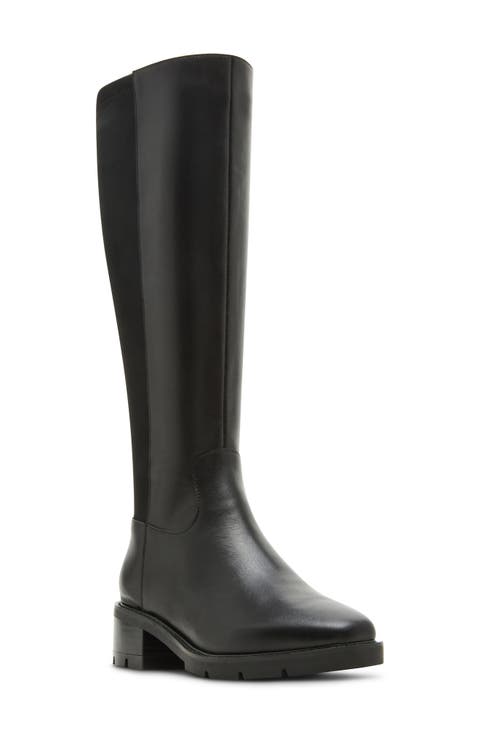
How to Choose Narrow-Calf Boots Online
Shopping online can make boot fitting feel like guesswork. A few simple steps can reduce the risk of ordering the wrong size.
-
Measure your calf while standing.
-
Measure over the clothing you will wear.
-
Compare your number with the brand’s chart.
-
Check the shaft height and material.
-
Read reviews from shoppers with similar calf measurements.
-
Review the return policy before ordering.
-
Order from a retailer that lists actual shaft measurements.
Customer reviews can be useful, but read them carefully. One person may call a boot “tight” because they have a wide calf. Another may call the same boot “loose” because they have a very slim leg.
Look for reviews that include numbers. Comments such as “my 13-inch calf fits well” provide more useful information than general comments about sizing.
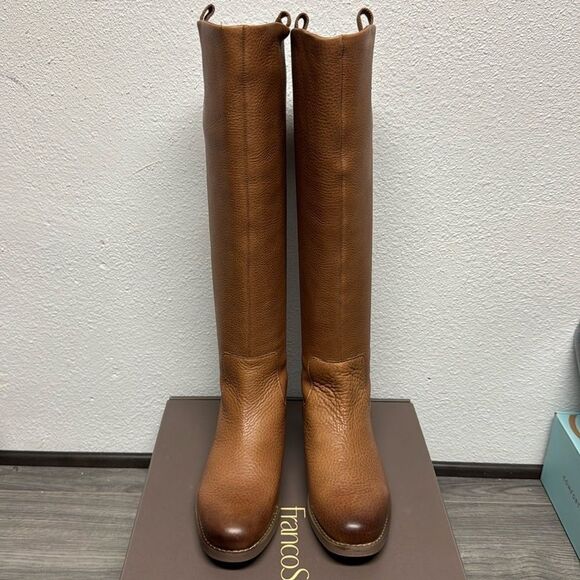
What to do when you are between sizes
If your calf measures 13.75 inches and the narrow boot measures 13 inches, the boot may be too tight. If it measures 14 inches, it may fit with thin socks but feel snug with jeans.
When you are between sizes, consider:
• A boot with elastic at the back
• An adjustable buckle
• A stretch panel
• A softer leather shaft
• A half-inch of extra room
Do not size up in the foot just to gain calf room. A boot that fits the calf but slips at the heel can cause blisters, foot fatigue, and poor walking control.
Materials That Work Well for Slim Calves
The boot material affects how a narrow calf circumference for boots feels over time. Full-grain leather can soften with wear, but it may not stretch dramatically. Suede often feels more flexible, though it may lose structure if it becomes damp.
Stretch fabric and elastic panels are useful for people whose calf size changes during the day. They can also make it easier to tuck in pants.
Common materials include:
• Leather: Durable and moldable, but often less forgiving at first.
• Suede: Soft and comfortable, with a relaxed appearance.
• Synthetic leather: Often more affordable, but it may have less natural give.
• Elastic fabric: Flexible and useful for variable calf sizes.
• Neoprene: Soft, close-fitting, and common in casual or outdoor boots.
Material quality matters. A low-quality elastic panel may loosen quickly, while a well-made panel can keep its shape for years.
Practical Fitting Lessons and Mistakes to Avoid
One of the most useful lessons from helping people compare boots is that the number on the size chart is only the beginning. The same narrow calf circumference for boots can feel different because of shaft shape, lining, foot size, and fabric stiffness.
A frequent mistake is choosing a boot based only on the shoe size. Shoe size describes the foot, while calf circumference describes the upper leg. These are separate measurements.
Another mistake is measuring with bare legs when the boots will be worn over pants. Even slim jeans can add enough bulk to change the fit.
Keep these practical tips in mind:
• Measure both calves.
• Measure at the end of the day.
• Wear your usual socks.
• Check the shaft height.
• Avoid painful tightness.
• Confirm the return policy.
• Walk on carpet indoors when testing new boots.
Testing indoors protects the sole while you check comfort. Walk, sit, climb a few stairs, and wear the boots for at least 10 minutes. A boot that feels fine while standing may pinch when your knee bends.
Can a Cobbler Adjust Narrow-Calf Boots?
A skilled shoe repair professional may be able to reduce the circumference of tall boots. They can sometimes add darts, remove material, or alter a rear seam.
Increasing the circumference is often harder. A cobbler may add elastic, leather, or a gusset, but the final look and cost depend on the boot’s construction.
Alterations make the most sense when the boots are high quality, expensive, or difficult to replace. Before buying, ask a cobbler whether the design can be changed.
Avoid cutting or stretching the shaft at home. Heat, water, and aggressive stretching can damage leather, weaken glue, or distort the boot.

Frequently Asked Questions About Narrow Calf Circumference for Boots
What size calf is considered narrow for boots?
A narrow calf for boots is commonly about 12 to 14 inches around the widest point. Brand charts vary, so use the actual shaft circumference instead of relying only on the word “narrow.”
Is a 13-inch calf considered narrow?
Yes, a 13-inch calf is usually considered narrow for tall boots. It may fit some slim or narrow shafts well, but the correct choice also depends on boot height, socks, clothing, and material.
How do I measure my calf for knee-high boots?
Stand up and wrap a soft tape around the widest part of your calf. Keep the tape level and snug, then measure both legs and use the larger number.
Should boots be tight around the calf?
Boots should feel secure but not painful. You should have enough room to move, sit, and wear your planned socks or pants without pressure.
What if my calf is too narrow for regular boots?
Choose boots with a slim shaft, adjustable buckles, elastic panels, or removable inserts. A cobbler may also reduce the shaft on certain leather boots.
Can leather boots stretch around the calf?
Leather can soften and give slightly with wear, but it may not stretch enough to solve a large sizing problem. Do not buy a painful boot expecting it to expand substantially.
Conclusion
A narrow calf circumference for boots generally falls between 12 and 14 inches, but there is no universal standard. Measure the widest part of your calf while standing, compare that number with the brand’s shaft measurement, and allow room for socks or pants.
Fit matters more than the label. A well-fitting boot should stay in place, feel comfortable when you bend your knee, and leave no painful marks. Measure carefully, check the return policy, and use real shaft measurements before you buy. Share your calf measurement and favorite boot style in the comments to help other shoppers find a better fit.

Madison Clark is a footwear expert and the voice behind MyStyleGrid.com. She specializes in honest shoe reviews, style tips, and practical guides to help readers find the perfect pair for any occasion. With years of experience in blogging and content creation, Madison makes footwear knowledge simple, stylish, and easy to follow.