Shrink leather, reinforce seams, or add inserts to reshape and tighten stretched out boot shafts.
I have fixed dozens of worn boots over the last decade, so I know what works. This guide on how to fix stretched out boot shafts explains simple home fixes and pro options. You will get step-by-step methods, tools to use, common mistakes to avoid, and tips to keep shafts snug. Read on to restore fit and keep your boots looking great.
Why boot shafts stretch
Boot shafts stretch when the material weakens or the fit is poor. Leather, suede, and fabric all react to wear, moisture, and body heat. Repeated flexing and heavy use can pull seams and widen the shaft. Knowing the cause helps you pick the best way to fix stretched out boot shafts.

How to assess a stretched boot shaft
Check how much extra room exists by wearing the boot with the socks you usually use. Measure the calf and the top opening against the original fit if you know it. Look for loose seams, creases, or thin leather. This quick check tells you whether you can fix the shaft at home or need a cobbler.

Tools and materials you'll need
Start with a few basic tools for most repairs. Keep items handy to save time and avoid mistakes.
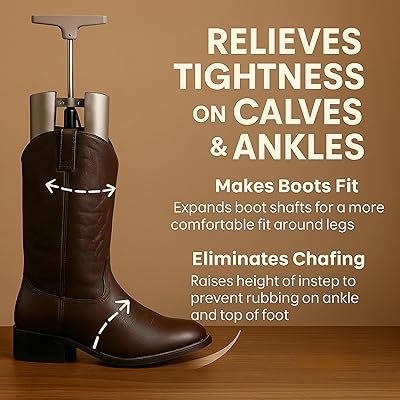
- A boot stretcher or shoe tree to hold shape while you work.
- Soft cloths, leather cleaner, and conditioner for leather shafts.
- Heat source such as a hair dryer or heat gun set on low.
- Strong nylon thread and needle for reinforcing seams.
- Leather glue, contact cement, or fabric glue for small fixes.
- Shaft inserts, calf straps, or elastic panels when shape change is needed.
- Rubber bands, towels, or foam to stuff and shape during drying.
Step-by-step methods to fix stretched out boot shafts
Below are safe, proven methods you can try. Pick the method that fits the shaft material and damage level. Always test in a hidden spot first.
Method 1: Heat and reshape (best for leather)
Leather responds to heat and moisture. Clean the shaft with a damp cloth first. Apply low heat while gently massaging the leather inward to tighten fibers. Put the boot on a shoe tree or use rolled towels to hold the new shape until cool and dry.
Method 2: Condition and shrink slightly (for full-grain leather)
Leather conditioner plumps fibers and can tighten mild stretch. Apply a quality conditioner, let it absorb, then heat lightly and shape. Repeat one or two times rather than overdoing it. This method restores pliability and reduces slack.
Method 3: Sew or reinforce seams (for gaps and weakened stitches)
If seams have split or the lining has pulled, reinforce them. Turn the shaft inside out if possible. Use a strong nylon thread and saddle stitch along the weakened area. Trim loose threads and add fabric glue to the seam for extra hold.
Method 4: Add a shaft insert or calf strap (non-invasive fix)
Inserts are great when you need a narrower opening without altering the boot. Use neoprene or foam inserts that wedge into the shaft. Calf straps buckled or snapped can pull the shaft inward. Install a strap or elastic panel at the back to reduce circumference.
Method 5: Add internal elastic or lacing (flexible fit solution)
Sew an elastic panel inside the shaft where it will not show. Or add decorative lacing up the back or sides to pull the shaft in. This works well for tall fashion boots and gives room when you want it.
Method 6: When to get a professional cobbler
If leather is torn, the lining is ruined, or structural stitching is beyond simple sewing, visit a cobbler. Pros can reline, restitch, or rebuild the shaft. They also have machines and adhesives that last far longer than DIY fixes.

Troubleshooting common problems
If the shaft tightens but creases oddly, stop and reassess. Overheating leather can cause cracks. If glue seeps through, clean it right away with the correct solvent. When a fix feels temporary, combine methods — for example, condition then add an insert. These small checks prevent more damage.
Preventing future shaft stretch
Care helps your repairs last. Follow these simple steps.
- Rotate boots so one pair rests between wears.
- Condition leather regularly to keep fibers strong.
- Avoid wet-to-dry cycles; dry boots slowly at room temperature.
- Use boot trees or roll towels to keep shape in storage.
- Choose boots with elastic panels or adjustable straps if you expect calf changes.

Common mistakes and when to seek a pro
Home fixes can help a lot, but avoid rush repairs. Do not use high heat. Do not over-stitch and change the boot’s look unless you accept the cosmetic change. Seek a pro when damage is deep, the value of the boot is high, or you want a durable, invisible repair.
Frequently Asked Questions of how to fix stretched out boot shafts
What causes boot shafts to stretch?
Shafts stretch due to repeated flexing, moisture, and body heat. Material fatigue and poor fit also make shafts widen over time.
Can I tighten a leather boot shaft at home?
Yes. You can use heat, conditioner, and shaping tools to tighten leather. Work slowly and test methods on a small area first.
Will heat damage my boots when trying to shrink shafts?
High heat can crack leather. Use low heat and keep the leather slightly damp for safe reshaping.
Are shaft inserts a permanent fix?
Inserts are a non-destructive solution and can last a long time, but they are not a structural repair. They are easy to remove and adjust.
How do I know if a cobbler is needed?
Get a cobbler if seams are torn, the lining is damaged, or you want a clean, lasting rebuild. Professional repairs cost more but last longer.
How often should I condition leather shafts?
Condition every 3 to 6 months with regular use. Conditioning keeps fibers strong and reduces future stretching.
Conclusion
You can repair many stretched shafts at home by cleaning, conditioning, shaping with heat, sewing seams, or adding inserts. For deep damage, a cobbler offers long-term fixes. Try small, reversible steps first and avoid high heat or harsh glue. Take action now: pick one method from this guide and test it on a single boot. If this helped, leave a comment or subscribe for more repair tips on how to fix stretched out boot shafts.

Rubel Miah is the Senior Editor at MyStyleGrid.com, where he brings a sharp editorial eye and an unshakable love for fashion to everything he does. A true style addict, Rubel lives and breathes trends, from streetwear to high fashion, and has a knack for turning inspiration into impactful stories. With years of experience in fashion journalism and digital media, he curates content that empowers readers to express themselves through style. When he’s not editing features or forecasting the next big thing, you’ll find him hunting down vintage pieces or capturing street style moments around the city.