Introduction
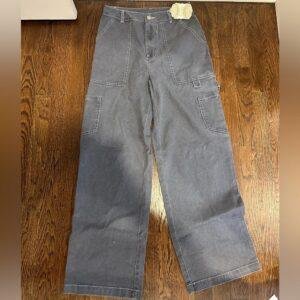
Yes, you can alter most cargo pants. In the United States, a tailor or skilled home sewer can shorten the legs, adjust the waist, taper the fit, repair seams, and make some style changes. The main limit is the fabric, seam design, and placement of the cargo pockets.
Simple changes, such as hemming or taking in the waist, are often easy. Major changes, such as moving pockets or changing the rise, cost more and may not give a clean result. Before cutting, check the care label and inspect the inside seams.

Which Cargo Pant Alterations Are Possible?
Cargo pants have extra pockets, wide seams, and often a firm fabric. These details affect how easy they are to alter.
| Alteration | Usually possible? | Main concern |
|---|---|---|
| Shorten the legs | Yes | Keep the original hem if possible |
| Lengthen the legs | Sometimes | There may not be enough fabric |
| Take in the waist | Yes | Waistband and belt loops need work |
| Let out the waist | Sometimes | Extra seam allowance may be small |
| Taper the legs | Yes | Avoid making the cargo pockets hang oddly |
| Make the legs wider | Sometimes | Matching fabric may be hard to find |
| Repair a torn seam | Yes | Heavy fabric may need strong thread |
| Move cargo pockets | Possible | Time-consuming and easy to notice |
| Remove cargo pockets | Usually | May leave stitch marks or faded areas |
| Change the rise | Difficult | This changes the main shape of the pants |
| Add new cargo pockets | Possible | Matching fabric and strong stitching matter |
The easiest cargo pants to alter have plain side seams, a separate waistband, and extra fabric inside the seams. Pants with rivets, zippers, elastic panels, or complex pocket flaps take more time.
The most useful alterations
Hemming is usually the safest change. A tailor can shorten the pants while keeping the original hem, stitching, and side details.
Waist adjustment can work well when the waistband is separate from the body. A tailor may remove the waistband, adjust the center back, and sew it back in place.
Tapering narrows the lower leg. This can improve the fit around the calf and ankle. The tailor must check that the cargo pockets still sit flat.
Pocket changes are possible but less predictable. Removing a pocket may leave holes, color differences, or a clear outline. Moving one may change the balance of the pants.
How to Alter Cargo Pants at Home
You can alter cargo pants at home if you have basic sewing skills and a machine that can handle medium or heavy fabric. Start with a low-risk change, such as hemming. Do not begin with the waistband or cargo pockets unless you understand how the garment is built.
What you need
Gather these tools:
- Sewing machine or strong hand-sewing needle
- Matching thread
- Seam ripper
- Sharp fabric scissors
- Tape measure
- Tailor’s chalk or washable fabric marker
- Pins or fabric clips
- Iron and pressing cloth
- Ruler
- Seam gauge
- Extra needle made for denim or heavy woven fabric, if needed
check the care label first. In the U.S., care labels give washing and drying instructions meant to help prevent damage or shrinkage. Wash and dry the pants as directed before measuring them. Fabric can change size after its first wash.
Step 1: Try on the pants
Wear the shoes you plan to use with the pants. Stand in a normal position. Do not measure while sitting.
Mark the needed change with pins or chalk. For leg length, mark both legs. Do not assume they are exactly the same length.
For waist changes, check where the waistband feels loose. A gap at the center back often points to a waist adjustment. A tight feeling across the hips may mean the pants are too small overall. Taking in the waist will not fix a hip or thigh fit problem.
Step 2: Turn the pants inside out
Look at the seams before you cut. Find:
- The side seams
- The inseams
- The waistband seam
- The pocket edges
- Bar tacks, which are short rows of dense stitches
- Rivets and metal hardware
- Double or triple stitching
Take photos before you remove anything. They can help you restore the original stitch pattern.
Step 3: Make a temporary adjustment
Use a long basting stitch or pins to hold the change. Turn the pants right side out and try them on again.
Walk, sit, bend, and place items in the cargo pockets. The fit may change when the pockets hold a phone, wallet, or tool. If the pants pull at the pockets, the alteration may be too tight.
Step 4: Press and sew
Press the new seam before sewing when the fabric allows it. Use a pressing cloth if the fabric has a finish or a dark color that may shine.
Sew slowly. Heavy fabric can break a small needle or cause skipped stitches. Use a longer stitch length for thick woven fabric, but test on a scrap first.
Backstitch at the start and end of a normal seam. For pocket corners and belt loops, use strong reinforcement. Cargo pants often receive more stress than lightweight trousers.
Step 5: Trim, press, and check
Remove loose threads. Press the finished seam. Check both legs from the front, side, and back.
The alteration is successful when:
- The legs hang without twisting
- The pockets lie flat
- The waistband sits level
- The fabric does not pull across the hips
- The stitching looks even
- You can walk and sit comfortably
How to Shorten Cargo Pants
Shortening cargo pants is the most common alteration. The best method depends on the original hem.
Keep the original hem
Keeping the original hem gives the cleanest result. This matters when the hem has fading, distressing, a drawcord, a zipper, or special stitching.
To do this, a sewer removes the original hem, cuts away extra length above it, and attaches the hem to the shortened leg. The lower edge then looks close to the factory finish.
This method may be harder when a cargo pocket sits near the bottom of the leg. The pocket must remain at a useful height and should not touch the new hem.
Create a new hem
A new hem is simpler. The sewer marks the new length, cuts off extra fabric, folds the edge, and stitches it.
A plain new hem may look different from the original. The thread color, stitch size, and fabric fade may not match. This is usually fine for work pants but more visible on fashion cargo pants.
Do not cut before checking pocket height
Cargo pants need enough room below the pocket for movement. If you shorten the leg too much, the pocket can sit too close to the ankle. This may look unbalanced and can make the pocket harder to use.
As a general fitting rule, judge the pants while standing and walking. Do not rely only on a flat measurement.
How to Take In or Let Out the Waist
A waist alteration can improve cargo pants that fit well through the hips and thighs but feel loose at the waist. It is less useful when the entire seat or upper leg is too large.
Taking in the waist
A tailor may take in the waist at the center back. This keeps the side cargo pockets in place and usually changes the shape less than altering both side seams.
The process may involve:
- Removing part of the waistband
- Opening the center-back seam
- Taking in the body of the pants
- Adjusting the waistband
- Reattaching belt loops
- Restoring the original stitching
A small waist adjustment is usually cleaner than a large one. A major reduction can create extra fabric at the seat or cause the back pockets to shift.
Letting out the waist
Letting out the waist depends on extra seam allowance inside the pants. Some garments have very little spare fabric. Others have a center-back seam that allows a modest increase.
Do not expect a tailor to add several inches without changing the garment. Adding fabric is possible, but the new panel may be visible. Matching the original color and weight can also be difficult.
Adding elastic
Elastic can make the waist more comfortable, but it changes the look and structure of the pants. It may work for casual or workwear pants. It is less suitable when you want a firm, traditional waistband.
How to Taper Cargo Pants Without Ruining the Pockets
Tapering makes the lower leg narrower. It can give loose cargo pants a cleaner shape, but the seam must be planned around the pockets.
A tailor usually tapers from the inseam, the outseam, or both. The best choice depends on the pocket position and the original construction.
Taper from the inseam
The inseam is the inner leg seam. Altering it may keep the outside cargo pockets in place. It can also reduce the chance of changing the visible side shape.
However, too much taper can make the inseam feel tight. It can also affect how the pants move when you walk or climb.
Taper from the outseam
The outseam is the side seam. It may be easier to alter on plain pants, but cargo pockets can make this method difficult. A pocket may need to be removed and sewn back on.
Test the fit first
Pin or baste the taper before permanent sewing. Try the pants with the pockets empty and filled.
Stop if you see:
- Diagonal wrinkles from the pocket
- A pocket flap that points outward
- Pulling across the thigh
- Restricted movement at the knee
- A leg opening that will not fit over your shoe
A narrow leg opening is not always a better fit. Cargo pants need room for movement and, in some cases, work boots.
Can You Remove, Move, or Add Cargo Pockets?
Yes, but pocket alterations are among the hardest cargo pant changes. The stitching may leave small holes, and the fabric under the pocket may have a different color from the rest of the pants.
Removing a cargo pocket
A seam ripper can remove the pocket stitching. Work slowly so you do not cut the pants.
After removal, the fabric may show:
- Needle holes
- Press marks
- Fading
- A darker or lighter pocket outline
- Small tears near the corners
Washing may soften some marks, but it will not always hide them. If the pocket leaves a clear outline, a tailor may suggest adding a flat patch or keeping the pocket.
Moving a cargo pocket
Moving a pocket requires more than removing and resewing it. The tailor must match its height, angle, flap position, and reinforcement points.
The new location should not sit over a seam, knee bend, or area that rubs against a tool. A pocket that is too low can hit the knee. One that is too high may be hard to reach.
Adding a cargo pocket
You need fabric that matches the pants in color, weight, and wash. Old pants can provide useful matching fabric, but new fabric may look too bright or too smooth.
Use strong stitching around the opening and corners. A bar tack can reinforce a high-stress area. Test the pocket with the items you plan to carry before final sewing.
When Should You Use a Tailor?
Use a tailor when the pants have heavy fabric, multiple layers, zippers, rivets, drawcords, or unusual pocket construction. A tailor is also the safer choice for expensive pants or changes that cannot be reversed.
Ask for an estimate before work begins. Show the tailor exactly where you want the change. For length changes, wear the shoes you normally use.
A tailor may decline a job if the result would leave visible damage or if there is not enough matching fabric. That is a useful warning, not a poor service decision.
For a simple hem, a local alteration shop may be enough. For pocket relocation, rise changes, or large waist work, look for someone who regularly handles denim, uniforms, workwear, or heavy woven clothing.
Common Mistakes to Avoid
Cutting too much fabric
Cutting is permanent. Mark the change, baste it, and try the pants on before you trim.
Ignoring shrinkage
Alter the pants after the first wash, not before. Follow the care label. Heat can shrink some cotton fabrics.
Tapering past the pocket area
A taper that crosses a pocket can make the pocket pull or tilt. Mark pocket edges before changing a seam.
Using weak thread
Cargo pants often carry weight and receive hard wear. Use thread suited to the fabric. Test it on a scrap.
Skipping reinforcement
Corners, belt loops, and pocket openings need more support than a low-stress seam. Match the original reinforcement when possible.
Making the waistband too tight
A waist that fits while standing may feel tight when sitting. Check movement before finishing the job.
Altering only one leg
Measure and mark both legs. Even small differences become visible when the pants are worn.
How Much Can Cargo Pants Be Altered?
There is no fixed limit for every pair. The safe amount depends on the garment’s construction and the desired result.
As a practical guide:
- Small hem changes: Usually low risk
- Small waist changes: Often workable
- Moderate tapering: Workable if pockets are clear
- Large waist changes: May distort the seat
- Major length increases: Limited by available fabric
- Rise changes: High risk and often expensive
- Pocket relocation: Possible but labor intensive
- Adding fabric: Possible, but the match may be visible
Cargo pants are easiest to alter when they are too long or slightly loose at the waist. They are harder to alter when they are too short, too tight through the hips, or heavily decorated.
Frequently Asked Questions
Can cargo pants be tailored to look less baggy?
Yes. A tailor can taper the legs and sometimes reduce excess fabric through the seat and thigh. The pockets must be checked during the fitting so they do not pull or tilt.
Can you make cargo pants bigger?
Sometimes. A tailor may let out a seam if extra fabric exists. Adding fabric is also possible, but a close color and fabric match may be hard to find.
Can you shorten cargo pants with side pockets?
Yes. The tailor should check the pocket height before cutting. Keeping the original hem often gives the best appearance.
Can cargo pants be altered without a sewing machine?
Small repairs and hand-sewn hems are possible. Heavy cargo fabric may be hard to stitch by hand, though. Use a strong needle, strong thread, and firm stitches.
How do you know if cargo pants are worth altering?
Alter them if the fabric is in good condition, the fit is close, and the change is simple. Replacement may make more sense when the pants need a major size change or have worn fabric around the seams.
Final Answer
You can alter cargo pants, and many common changes work well. Start with hemming, minor waist adjustments, or careful tapering. Treat cargo pockets as a special challenge because their position, stitching, and fabric marks affect the final look.
Before cutting, wash the pants according to the care label, mark both legs, test the fit, and inspect the seams. For pocket changes, major size changes, or heavy workwear fabric, a tailor is usually the best next step.
Rubel Miah is the Senior Editor at MyStyleGrid.com, where he brings a sharp editorial eye and an unshakable love for fashion to everything he does. A true style addict, Rubel lives and breathes trends, from streetwear to high fashion, and has a knack for turning inspiration into impactful stories. With years of experience in fashion journalism and digital media, he curates content that empowers readers to express themselves through style. When he’s not editing features or forecasting the next big thing, you’ll find him hunting down vintage pieces or capturing street style moments around the city.