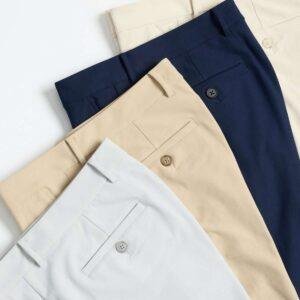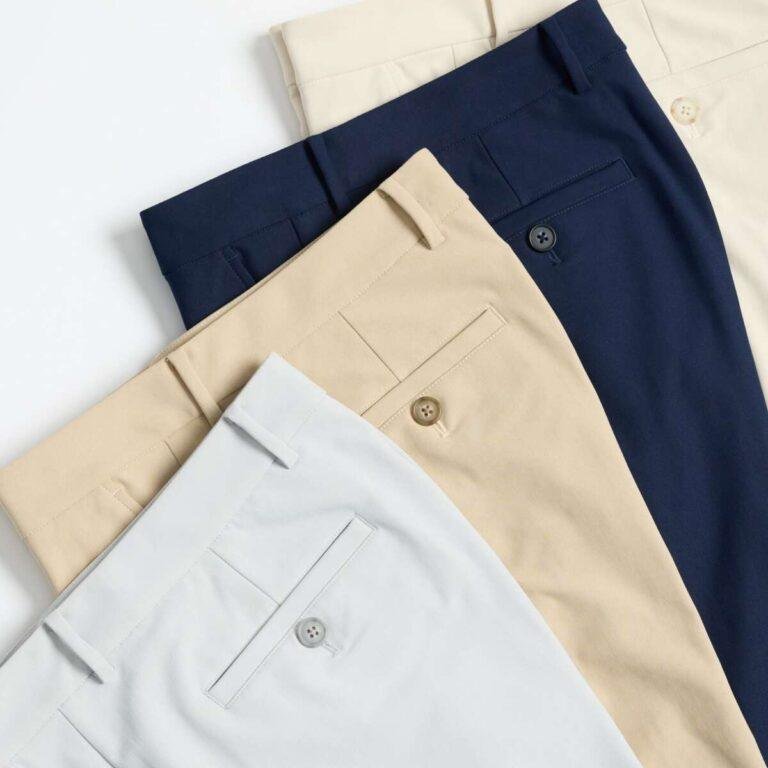
Straight-leg, wide-leg, pleated, and tailored dress pants are leading today’s polished wardrobe.
The best dress pants now balance comfort, clean shape, and easy styling. After years of skinny cuts dominating office wear, fashion has moved toward roomier legs, soft tailoring, and better fabrics. This guide explains what type of dress pants are in style, how each cut fits, and how to choose a pair that suits your body, work setting, and daily life.
What Type of Dress Pants Are in Style Right Now?
The type of dress pants that are in style today usually has a tailored waist, a clean front, and enough room through the thigh and leg to allow easy movement. Modern pants should look neat without feeling tight or stiff.
The most popular styles include:
• Straight-leg dress pants with a balanced, classic shape
• Wide-leg dress pants with a relaxed and modern look
• Pleated dress pants that add room and texture
• High-waisted dress pants that lengthen the leg line
• Tapered dress pants that narrow gently toward the ankle
• Relaxed-tailored trousers that combine comfort with structure
• Cropped dress pants for warmer weather and modern outfits
The key is proportion. A wide-leg trouser looks best with a fitted, tucked, or cropped top. A slim trouser often works better with a looser shirt or jacket. The type of dress pants that are in style should support the full outfit rather than compete with it.

Straight-Leg Dress Pants
Straight-leg dress pants remain one of the safest and most useful choices. They fall in a nearly even line from the hip to the hem, creating a clean shape without looking too tight or too loose.
This cut works well for both men and women. It suits offices, interviews, dinners, weddings, and travel. Straight-leg pants also work with many shoe types, including loafers, pumps, boots, ballet flats, and clean sneakers.
Look for these details:
• A flat front for a sharp, simple appearance
• A mid-rise or high-rise waist for a current fit
• A hem that lightly touches the shoe
• Fabric with a small amount of stretch for comfort
• A crease down the front for a more formal look
Straight-leg dress pants are especially helpful if you want one pair that can work across many seasons. They are less trend-dependent than very narrow or very wide cuts.

Wide-Leg Dress Pants
Wide-leg dress pants are among the most noticeable trends in modern tailoring. They create movement and give an outfit a confident, polished shape.
The best wide-leg dress pants do not look shapeless. They should fit well at the waist and hips before opening through the leg. A long, fluid hem often looks elegant with heels or platform shoes. A slightly shorter hem can work with loafers, flats, or sneakers.
Wide-leg pants are easy to style with:
• A tucked-in button-down shirt
• A fitted knit top
• A cropped blazer
• A slim turtleneck
• A simple bodysuit
• A structured vest
One common mistake is wearing too much loose fabric everywhere. If the pants are wide, add shape somewhere else. This does not mean the top must be tight, but it should have a clear outline.
Wide-leg dress pants can also make short legs look shorter if the hem breaks heavily over flat shoes. Try a clean hem and a shoe with a little height if you want a longer visual line.

Pleated Dress pants
pleated dress pants are back in a strong way. A pleat is a fold of fabric that starts at the waistband and provides extra room across the front of the pants.
Single pleats offer a subtle look. Double pleats give more room and a more traditional tailoring feel. Both can look modern when the pants have a clean waistband, a good drape, and a moderate leg width.
Pleated pants are useful because they improve comfort while adding visual detail. They can be a smart choice if you sit for long hours, move often during the day, or dislike a tight front.
For a modern appearance, choose:
• A single forward pleat for a clean, refined look
• Medium-weight fabric that holds its shape
• A waistband that sits flat
• A leg that is straight or gently wide
• A hem that does not bunch around the ankle
Pleats are not automatically old-fashioned. The problem usually comes from poor proportions, shiny fabric, or a very loose cut with no structure. Good tailoring makes pleated pants look intentional.
 pants”
style=”max-width: 100%; height: auto; border: 2px solid black; border-radius: 10px; display: block; margin: 0 auto;”
loading=”lazy”
/>
High-Waisted Dress Pants
High-waisted dress pants remain popular because they create a longer-looking leg line and give outfits a more polished shape. They usually sit at or above the natural waist.
This rise works well with tucked shirts, short jackets, cropped sweaters, and belts. It can also provide useful support through the midsection. However, the waistband should lie flat without digging into the body when you sit.
When choosing high-waisted dress pants, check the rise while seated. A pair may feel fine while standing but pinch or gap when you bend. The correct fit should allow normal movement without pulling across the zipper or pockets.
High-waisted pants look especially refined in wool blends, crepe, linen blends, and structured cotton. Neutral colors such as black, navy, gray, tan, and cream make them easy to wear throughout the year.
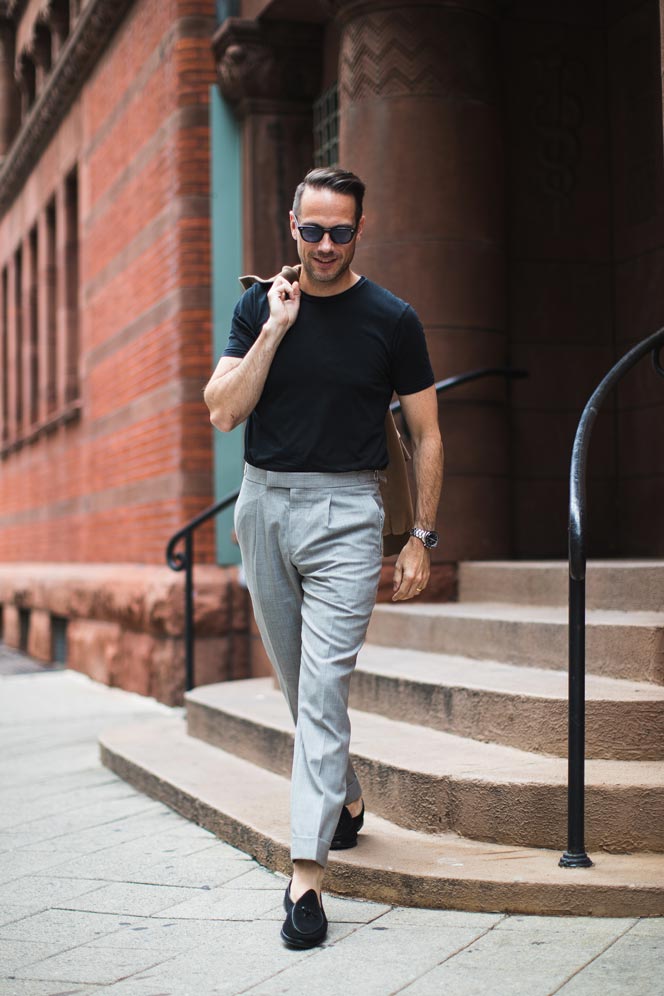
Tapered and Ankle-Length Dress Pants
Tapered dress pants are wider at the hip and thigh, then narrow toward the ankle. They create a tidy shape without the tight feel of skinny pants.
Ankle-length dress pants usually end above the shoe or just at the ankle bone. They are popular in business-casual wardrobes because they look fresh and work well with loafers, flats, low heels, and ankle boots.
These pants are a strong choice when you want:
• A neat office outfit
• A lighter look for spring and summer
• A clear view of your footwear
• A polished alternative to jeans
Be careful with the hem. If it ends at the widest part of the calf, it may interrupt the leg line. A hem closer to the ankle often looks more balanced.
Tapered pants also need enough room at the calf. If the fabric clings, the pants may look dated rather than streamlined.

Relaxed-Tailored Dress Pants
Relaxed tailoring is one of the clearest changes in current fashion. These pants have a formal fabric and polished finish, but they offer more room through the seat, thigh, and leg.
They are not the same as sweatpants or casual chinos. They still have a clean waistband, proper seam work, and a refined drape. The difference is comfort and ease.
Relaxed-tailored pants are useful for hybrid offices, long commutes, travel, and events where you need to look polished for several hours. In my experience with outfit planning, people often regret pants that look perfect while standing but feel restrictive by lunchtime. A little extra room can make an outfit far more practical.
Try relaxed-tailored pants with:
• A matching blazer
• A fine-gauge sweater
• A crisp white shirt
• A tucked polo
• Leather loafers
• Minimal sneakers in a clean design
The goal is balance. The pants can be roomy, but the fabric should not collapse or drag on the floor.
The Best Dress Pant Fabrics
Fabric often matters more than the cut. A well-made pair in the right fabric will look better and last longer than a fashionable pair made from thin, shiny material.
Common dress pant fabrics include:
• Wool: Breathable, structured, and suitable for formal or professional wear
• Wool blends: Often more affordable and resistant to wrinkles
• Cotton twill: Comfortable and slightly casual
• Ponte: Stretchy and smooth, with a closer fit
• Crepe: Fluid, wrinkle-resistant, and popular for women’s dress pants
• Linen blends: Light and breathable for warm weather
• Polyester blends: Durable and easy to care for, though quality varies
• Corduroy: Textured and seasonal, best for smart-casual outfits
For year-round wear, a medium-weight wool blend is often the most useful choice. For summer, choose linen blends or lightweight wool. For travel, look for fabric with stretch and wrinkle resistance.
Always check the care label. Proper washing and pressing can affect the life of your pants as much as the original fabric choice.
How Dress Pants Should Fit
Fit is the most important part of knowing what type of dress pants are in style. A trendy cut will not look polished if the waistband, seat, or hem is wrong.
Use this simple fit checklist:
-
The waistband should sit securely without squeezing.
-
The front should lie flat, unless the pants have intentional pleats.
-
The seat should not sag or pull.
-
The side seams should hang straight.
-
The pockets should stay closed while standing and sitting.
-
The fabric should skim the body rather than cling.
-
The hem should match the shoe and the level of formality.
Tailoring can fix many small problems. A tailor can shorten the hem, adjust the waist, or refine the leg shape. However, major changes to the rise, seat, or pocket placement can be costly. It is better to start with a pair that fits well at the hips and waist.
One fitting lesson is worth remembering: never judge dress pants only from the front. Walk, sit, turn, and check the back view. Pants are clothing for movement, not just for standing in a fitting room.
Dress Pant Colors That Are in Style
Classic colors remain the strongest choice because they work across many outfits. Black, navy, charcoal, gray, taupe, camel, and cream are all useful in a modern wardrobe.
For a more current look, consider:
• Chocolate brown
• Olive
• Soft blue
• Burgundy
• Stone
• Slate gray
• Pinstripes
• Subtle windowpane checks
A dark neutral pair is usually the best first purchase. After that, a lighter neutral can add variety. Patterned pants should have a simple texture or low-contrast design if you want them to remain easy to wear.
Color also affects formality. Black and charcoal often look more formal. Tan, cream, olive, and brown usually feel softer and more relaxed. Navy can move between office, dinner, and special events with ease.
How to Style Dress Pants for Different Settings
The type of dress pants that are in style can work in many settings when you adjust the rest of the outfit.
For the office
Choose straight-leg, tapered, or pleated pants in wool, crepe, or a polished blend. Add a button-down shirt, blazer, knit top, or refined cardigan.
For business casual
Try ankle-length or relaxed-tailored pants with a polo, sweater, loafers, or clean leather sneakers. Avoid pants that are too tight or overly shiny.
For weddings and formal events
Choose tailored wool, satin, crepe, or fluid suiting fabric. A matching jacket creates a strong suit, while a dress shirt or elegant blouse can soften the look.
For dinner
Wide-leg pants with a fitted top create a balanced evening outfit. Add refined jewelry, a leather belt, or dress shoes for a sharper finish.
For travel
Choose stretch wool blends, wrinkle-resistant fabric, or soft tailoring. A relaxed fit is usually more comfortable than a very narrow leg during long flights or car rides.
Dress Pant Mistakes to Avoid
Even fashionable dress pants can look wrong when the details are off. Avoid these common mistakes:
• Choosing a waistband that is too tight
• Wearing a hem that pools heavily on the floor
• Pairing wide pants with an oversized top and no shape
• Selecting thin fabric that shows every pocket line
• Wearing shiny synthetic fabric in a formal setting
• Ignoring wrinkles and worn creases
• Buying a trend without considering your usual shoes
• Choosing a low rise when you prefer secure coverage
• Using bulky shoes with a narrow ankle hem
A simple mirror test can help. Look at the full outfit from several steps away. If your eye goes straight to the pants’ wrinkles, pulling, or uneven hem, fix the fit before adding accessories.
How to Build a Small Dress Pant Wardrobe
You do not need many pairs to create a useful wardrobe. Start with the styles you will wear most often.
A practical collection may include:
-
Black or charcoal straight-leg pants
-
Navy or gray tailored pants
-
Wide-leg pants in a neutral shade
-
A lighter pair in cream, tan, or stone
-
A seasonal option such as linen blend or corduroy
Choose colors that work with your existing shirts, jackets, and shoes. Before buying, imagine at least three complete outfits. If you can only style the pants one way, they may not be the best investment.
Quality matters, but price alone does not guarantee quality. Check the stitching, lining, zipper, waistband, and fabric recovery. Pants that keep their shape after sitting and walking usually provide better long-term value.
Frequently Asked Questions About What Type of Dress Pants Are in Style
Are wide-leg dress pants still in style?
Yes, wide-leg dress pants remain a strong modern choice. They look best when they fit neatly at the waist and are balanced with a more fitted or structured top.
Are pleated dress pants fashionable?
Yes, pleated dress pants are fashionable when they have clean tailoring and the right leg width. A single pleat offers a modern look while also giving extra room and comfort.
What is the most versatile type of dress pants?
Straight-leg dress pants are usually the most versatile. They work with shirts, blazers, sweaters, loafers, heels, boots, and many levels of dress.
Should dress pants be tight or loose?
Dress pants should be comfortable and gently follow the body without clinging. The ideal fit depends on the cut, but pulling, pocket gaping, and deep wrinkles usually signal that the pants are too tight.
What color dress pants should everyone own?
Black, navy, charcoal, or dark gray are the most useful first choices. After one dark neutral, add tan, cream, brown, or olive for more outfit options.
Are skinny dress pants out of style?
Skinny dress pants are less dominant than they once were, but they are not impossible to wear. A slim, tailored leg can still look polished when it fits comfortably and works with the rest of the outfit.
What shoes look best with dress pants?
Loafers, oxfords, pumps, flats, ankle boots, and sleek sneakers can all work. Match the shoe shape and height to the pants’ hem and width for a balanced result.
Conclusion
The type of dress pants that are in style now includes straight-leg, wide-leg, pleated, high-waisted, tapered, and relaxed-tailored designs. The strongest choices combine modern proportions with comfort, quality fabric, and a clean fit.
Start with one versatile dark pair, then add a wider leg, a lighter neutral, or a seasonal fabric. Try each pair with the shoes and tops you already own, and do not underestimate the value of simple tailoring. Explore more style guides, refine your wardrobe, and share your favorite dress pant cut in the comments.
Madison Clark is a footwear expert and the voice behind MyStyleGrid.com. She specializes in honest shoe reviews, style tips, and practical guides to help readers find the perfect pair for any occasion. With years of experience in blogging and content creation, Madison makes footwear knowledge simple, stylish, and easy to follow.