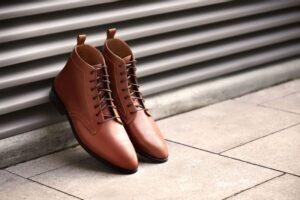
A dress boot is a polished ankle-high boot designed for smart outfits and formal settings.
What is a dress boot beyond that simple definition? It is the meeting point between the clean shape of a dress shoe and the extra coverage of a boot. This guide explains its features, styles, materials, fit, care, and best uses so you can choose and wear one with confidence.
What Is a Dress Boot?
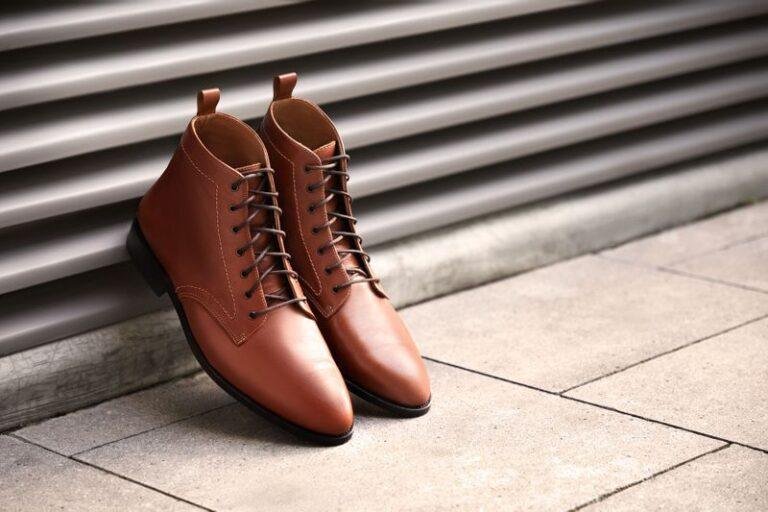
A dress boot is a refined boot that usually reaches the ankle or slightly above it. It has a sleek shape, a neat finish, and details that suit business, evening, or smart-casual clothing. Unlike hiking boots or work boots, it is made to look polished rather than rugged.
Most dress boots have a narrow or gently rounded toe, a low heel, and a slim sole. Common styles include lace-up boots, Chelsea boots, chukka boots, and zip boots. The design may be simple, but small details such as leather quality, stitching, and sole thickness make a big difference.
The key idea is balance. A dress boot gives you the clean look of a formal shoe while offering more ankle support and coverage. Think of it as a dress shoe wearing a tailored coat.

Main Features of a Dress Boot
The details help separate a dress boot from an everyday casual boot. While designs vary, most quality pairs share several features.
Sleek shape
A dress boot often has a slim profile. Its toe may be almond-shaped, round, or gently square, but it should not look bulky. A streamlined shape works well with tailored pants because it follows the line of the leg.
Ankle height
Most dress boots cover the ankle. This adds warmth and support without the tall shaft found on riding or winter boots. Ankle height also allows the boot to work with trousers, jeans, and some suits.
Refined materials
Leather is the most common material. Smooth calfskin, full-grain leather, suede, and corrected-grain leather are all used. Each material creates a different mood:
• Smooth leather looks formal and sharp.
• Suede feels softer and more relaxed.
• Pebbled leather adds texture and hides small marks.
• Patent leather creates a high-shine evening look.
Low, stable heel
A dress boot usually has a small stacked or rubber heel. The heel gives the boot a little lift and helps it keep a formal shape. It should feel stable when you walk, not like a fashion heel.
Clean sole
The sole is usually thin or medium in thickness. Leather soles look elegant, while rubber soles offer more grip and comfort. A very thick, deeply lugged sole can make the boot look casual or outdoorsy.
Minimal decoration
Dress boots favor restraint. You may see brogue holes, a cap toe, elastic side panels, or neat stitching, but the design is rarely loud. The less decoration a boot has, the more outfits it can match.

Dress Boot vs. Other Types of Boots
Understanding the difference between boot styles makes shopping much easier. Many boots look similar at first, but their purpose and shape can be very different.
Dress boots vs. dress shoes
Dress shoes expose the ankle, while a dress boot covers it. Both can use fine leather and formal construction, but the boot offers more protection from cold, rain, and rough ground.
A black Oxford boot, for example, can fill the same role as a black Oxford shoe. It may look slightly more modern and provide more coverage during the cooler months.
Dress boots vs. work boots
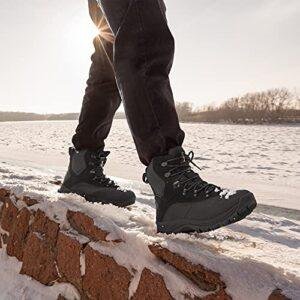
Work boots are built for protection and hard use. They may have steel toes, thick rubber soles, reinforced stitching, and a wide shape. A dress boot focuses more on appearance, comfort, and a clean line.
A work boot may be excellent on a building site but look too heavy with a suit. A dress boot is not a safe replacement for protective footwear.
Dress boots vs. casual boots
Casual boots often have thicker soles, rougher leather, visible hardware, or a wider shape. They are made for relaxed outfits and daily wear. A dress boot has a more polished finish and usually looks better with pressed trousers or a blazer.
Dress boots vs. Chelsea boots
A Chelsea boot is a specific style with elastic side panels and no laces. Many Chelsea boots are dress boots, but not all are. A thick-soled suede Chelsea boot may be casual, while a slim black leather Chelsea boot may be suitable for formal clothing.
Dress boots vs. chukka boots
Chukka boots usually have a low ankle shaft and two or three pairs of eyelets. They can be dressy or casual, depending on the leather, sole, and shape. A sleek leather chukka can work as a dress boot, while a rough suede version may suit weekend clothing better.

Popular Styles of Dress Boots
The best style depends on your wardrobe, lifestyle, and level of formality. Each type brings a different look.
Chelsea dress boots
Chelsea boots have elastic side panels and pull tabs. They are easy to put on and create a clean, uninterrupted line from the ankle to the trouser hem.
Black leather Chelsea boots are among the most versatile choices. They can work with a suit, chinos, dark denim, or wool trousers.
Lace-up dress boots
Lace-up boots offer a classic and secure fit. They may use Oxford lacing, Derby lacing, or a simple open-lace design.
Oxford-style boots look more formal because the eyelet panels sit neatly beneath the vamp. Derby boots usually feel a little more relaxed and may suit wider feet.
Cap-toe boots
A cap-toe boot has a separate leather panel across the toe. This detail adds structure and visual interest without making the boot too bold.
A brown cap-toe dress boot is a strong choice for office wear. It pairs well with navy, gray, olive, and tan clothing.
Wingtip dress boots
Wingtip boots have decorative leather panels that extend along the sides of the toe. Brogue holes may also appear along the seams.
They are stylish but less formal than plain-toe or cap-toe boots. Use them with odd trousers, textured suits, or smart-casual outfits.
Zip dress boots
Zip boots use a side or front zipper instead of laces. They offer a sleek look and quick access.
Because the zipper is a visible design feature, zip boots often suit modern wardrobes more than traditional business clothing. Choose one with a well-made zipper that moves smoothly.
Dress chukka boots
Dress chukkas have a simple shape and short shaft. They are usually less formal than Oxford boots but more polished than rugged casual boots.
Leather chukkas can work with chinos and tailored jeans. Suede chukkas look best with relaxed trousers and knitwear.

Materials and Construction
The material and construction method affect how a dress boot looks, feels, and ages. A high price does not always guarantee quality, so it helps to know what to inspect.
Leather types
Full-grain leather keeps the natural outer surface of the hide. It can develop a rich patina over time and often lasts well with proper care.
Top-grain leather has been lightly corrected but still offers good quality. Corrected-grain leather is more heavily treated and may have a uniform finish, though it can feel less natural.
Suede is leather with a soft, napped surface. It looks attractive but needs protection from heavy rain, oil, and salt. Suede is not automatically fragile, but it does need the right brush and cleaner.
Welted construction
A Goodyear welt joins the upper, insole, and outsole with a separate strip of material. This construction can support resoling and may provide a firm, structured feel.
Blake construction stitches the sole more directly to the upper. It often creates a slimmer and more flexible boot, but repeated exposure to water may require extra care.
Cemented construction uses adhesive to attach the sole. It can make a boot light and affordable, though resoling options may be more limited.
No method is perfect for every wearer. A welted boot may suit someone who values repair and long-term use, while a cemented boot may be ideal for a lighter, lower-cost option.
Sole materials
Leather soles look elegant and can become comfortable with wear. However, they may slide on wet pavement and usually need more care.
Rubber soles provide better grip and often handle wet streets more confidently. A thin rubber sole can still look dressy, while a thick lug sole gives a more casual appearance.

How to Wear a Dress Boot
A dress boot becomes useful when it works with the clothes you already own. Color, shape, and formality should support each other.
With a suit
Choose a slim black or dark brown dress boot with a smooth finish. The boot should fit neatly under the trouser leg and should not have a thick outdoor sole.
Black boots are the safest choice with charcoal or black suits. Dark brown boots can work with navy, medium gray, and brown suits, but they create a less formal impression.
With dress pants
A cap-toe or plain-toe boot pairs well with wool trousers. Keep the boot polished and choose a trouser opening that rests lightly over the shaft.
Avoid a very wide trouser leg with a narrow boot. The proportions may look unbalanced, like a large frame around a small picture.
With chinos
Brown leather, suede, and tan dress boots are easy to wear with chinos. Add an Oxford shirt, sweater, or casual blazer for a smart office outfit.
For a relaxed look, choose a slightly thicker sole. For a sharper look, choose a smooth leather boot with a narrow waist.
With jeans
Dark, straight, or slim-straight jeans usually work best. Avoid jeans that bunch heavily around the ankle, as excess fabric can hide the boot and make the outfit look untidy.
Black dress boots with dark denim create a modern, simple outfit. Brown boots add warmth and work especially well with blue jeans.
Color matching tips
• Black dress boots suit black, charcoal, navy, and cool neutral clothing.
• Dark brown boots work with navy, gray, olive, denim, and earth tones.
• Tan boots look best with lighter chinos, denim, and casual tailoring.
• Burgundy or oxblood boots add interest to neutral outfits.
Your belt does not need to match your boots perfectly, but it should be close in color and level of formality.

Finding the Right Fit
A stylish boot is not a good boot if it causes pain. Fit matters even more with leather because leather stretches in some areas but cannot fix a poor shape.
Use these checks when trying on a dress boot:
-
Try it on late in the day, when your feet are slightly larger.
-
Wear the socks you plan to use with the boots.
-
Make sure your toes can move freely.
-
Check that your heel stays mostly in place while walking.
-
Confirm that the widest part of your foot sits over the widest part of the boot.
-
Walk on a clean surface for several minutes.
A small amount of heel movement can be normal in a new boot. Sharp pressure on the toes, numbness, or pain across the ball of the foot is not something you should simply “break in.”
In my experience, one of the most common buying mistakes is choosing a boot by its length alone. Two boots marked the same size can feel very different because their lasts, widths, and toe shapes are not the same.
Caring for a Dress Boot
Good care protects the leather and keeps the boot looking sharp. It also helps you spot problems before they become expensive repairs.
Basic care routine
• Brush away dust after wearing the boots.
• Use cedar shoe trees to absorb moisture and help maintain the shape.
• Let the boots rest for at least a day between heavy wears.
• Apply a suitable leather conditioner when the surface looks dry.
• Use cream or wax polish to restore color and shine.
• Protect suede with a suede brush and a product made for suede.
• Keep boots away from direct heat when they become wet.
Never dry wet leather beside a radiator or heater. Fast heat can pull moisture from the leather and cause cracking or shrinkage.
Caring for the soles
Inspect the heel and sole every few weeks. If the heel wears unevenly, a repair professional may correct the issue before it affects your walking pattern.
A quality shoe repair shop can often replace heels, add protective sole layers, or resole certain welted boots. Ask about the construction before buying if long-term repair matters to you.
One lesson I learned early is that polish cannot replace cleaning. Applying more wax over dirt creates a dull, uneven surface. Brush first, clean gently, condition when needed, and polish last.
Benefits and Limitations of Dress Boots
A dress boot can be a smart investment, but it is not the perfect choice for every situation.
Benefits
• It offers a polished look with extra ankle coverage.
• It can handle cool weather better than a low-cut dress shoe.
• It works with suits, trousers, chinos, and jeans.
• It gives a wardrobe a more modern and confident feel.
• Many styles can be repaired or resoled.
Limitations
• Leather soles may be slippery on wet ground.
• Some boots take longer to put on than slip-on shoes.
• High-quality leather boots can cost more at first.
• Suede requires more care in wet or dirty conditions.
• A narrow dress shape may not suit a broad foot.
• A formal boot may look out of place with athletic or very casual clothing.
The right choice depends on your daily setting. Someone who walks across wet city streets may prefer a rubber sole, while someone attending formal events may value a thin leather sole and sleek profile.
How to Choose a Dress Boot
Start with your most common outfits, not with the most dramatic boot on the shelf. A versatile pair should solve a real clothing need.
Use this checklist:
• Choose black for the most formal and minimalist option.
• Choose dark brown for wider everyday use.
• Pick smooth leather for business and formal settings.
• Pick suede for a softer, more casual look.
• Select a thin rubber sole if you often walk on wet pavement.
• Look for a resoleable construction if you plan to wear the boots for many years.
• Check the width, toe shape, and arch support.
• Make sure the shaft fits comfortably around your ankle.
• Examine the stitching, zipper, eyelets, and heel attachment.
• Buy from a seller with a clear return policy.
If you need only one pair, a dark brown cap-toe or plain-toe dress boot is often a practical starting point. If your wardrobe is mostly black or formal, choose a black Oxford-style or Chelsea boot instead.
Frequently Asked Questions About What Is a Dress Boot
What is a dress boot used for?
A dress boot is used for formal, business, and smart-casual outfits. It offers the polished appearance of a dress shoe while covering the ankle and often providing more protection from cool or wet weather.
Can you wear dress boots with a suit?
Yes, you can wear dress boots with a suit when the boots have a sleek shape and clean finish. Black or dark brown leather boots with a thin sole usually look the most formal.
Are Chelsea boots considered dress boots?
Some Chelsea boots are dress boots, but the label depends on their design. Smooth leather, a slim profile, and a refined sole make a Chelsea boot more suitable for dress clothing.
What is the difference between a dress boot and a work boot?
A dress boot is designed mainly for polished style and everyday comfort. A work boot is built for protection and demanding tasks, often with safety features and a much thicker sole.
Can you wear dress boots with jeans?
Yes, dress boots pair well with dark or medium-wash jeans. Choose jeans with a straight or slim-straight leg and avoid heavy bunching around the ankle.
Are dress boots comfortable for walking?
They can be comfortable if they fit well and have suitable support. Comfort depends on the boot’s last, width, insole, heel, sole, and break-in period.
How should a dress boot fit?
Your toes should have room to move, while the heel and midfoot should feel secure. The widest part of your foot should align with the widest part of the boot without sharp pressure.
Conclusion
A dress boot is a refined ankle boot that blends the neat look of a dress shoe with the coverage and strength of a boot. Its shape, leather, sole, and construction decide how formal or casual it looks.
For the best value, choose a pair that matches your real wardrobe and daily routine. Focus on fit first, then select the right color, material, sole, and construction. Explore more footwear guides, compare trusted makers, and share your favorite dress boot style in the comments.

Madison Clark is a footwear expert and the voice behind MyStyleGrid.com. She specializes in honest shoe reviews, style tips, and practical guides to help readers find the perfect pair for any occasion. With years of experience in blogging and content creation, Madison makes footwear knowledge simple, stylish, and easy to follow.