They should fit snug in the heel, slightly roomy at the toe, and hug the midfoot.
I’ve spent years fitting people into cowboy boots, testing styles, and watching how boots wear over time. This guide explains exactly how are cowboy boots supposed to fit, why fit matters, and practical steps to find the right pair. Read on for step-by-step fitting tips, common mistakes, and real-world advice you can use at the store or shopping online.
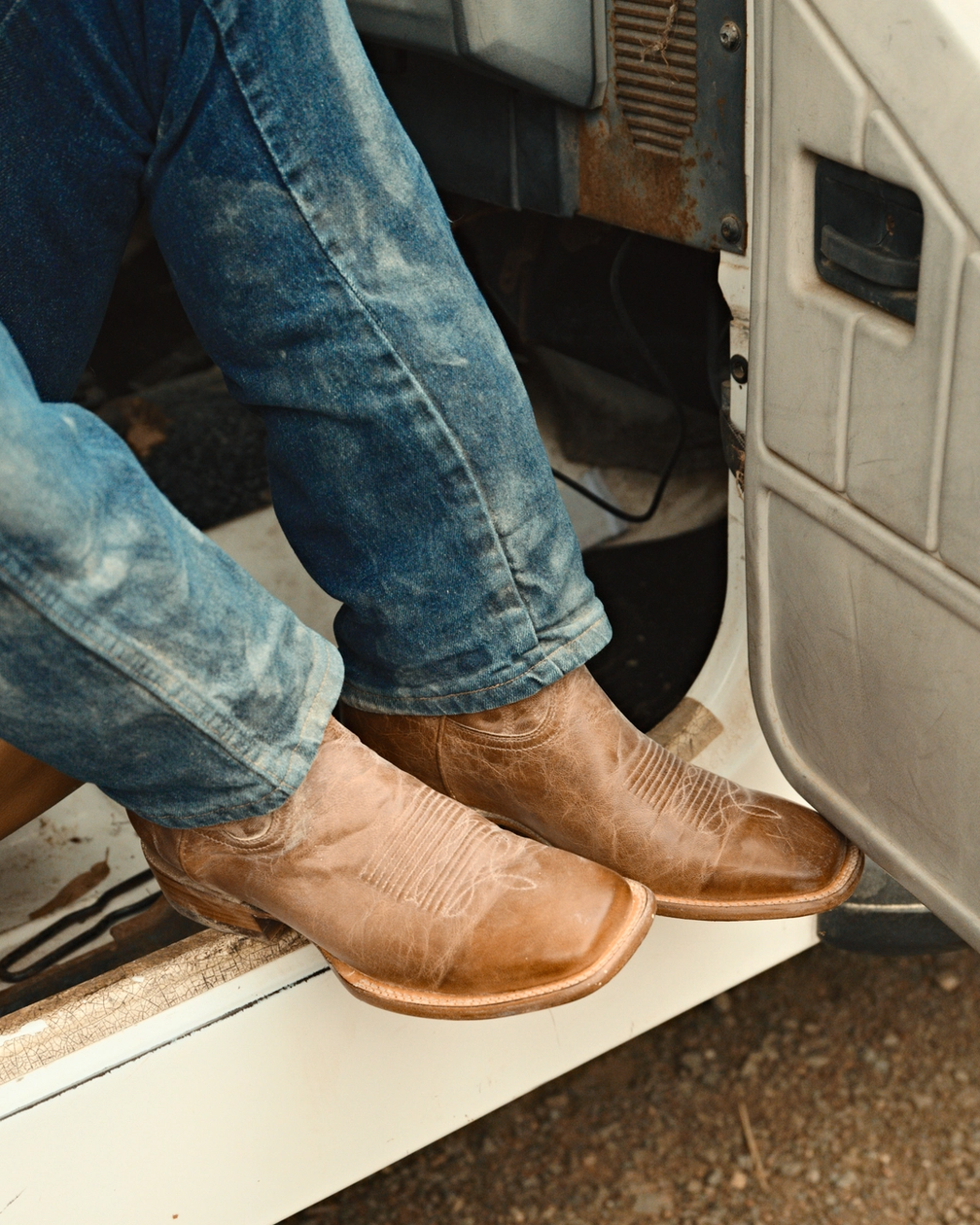
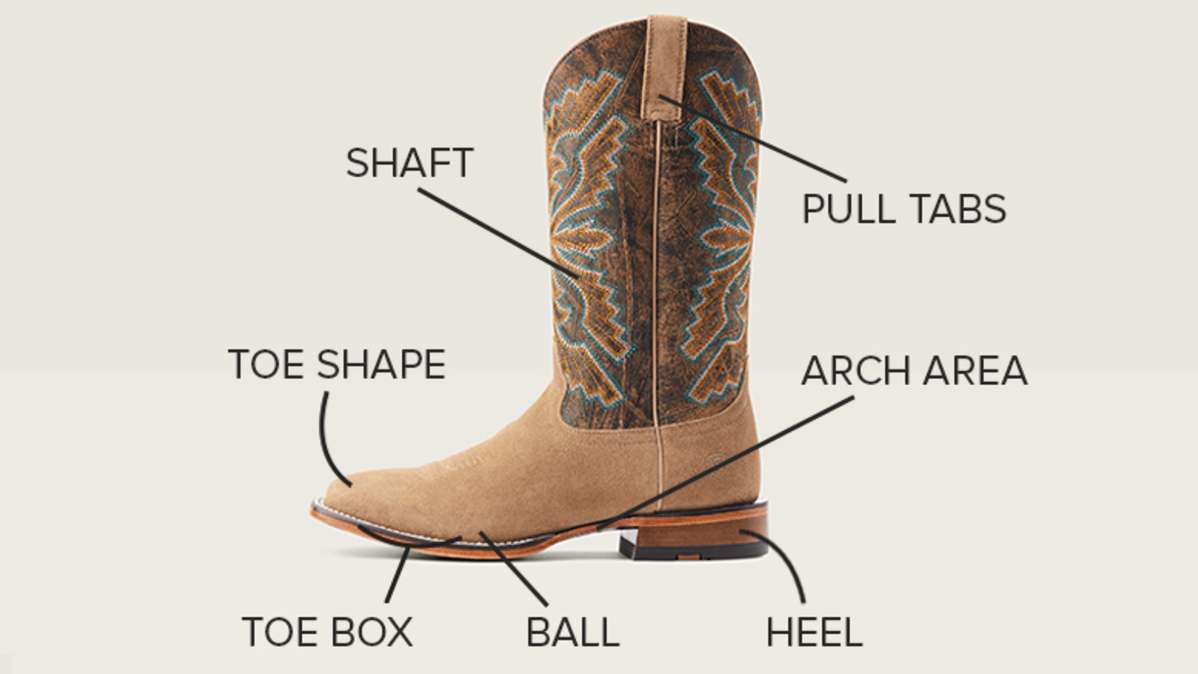
Fit basics: definitions and key fit zones
Understanding how are cowboy boots supposed to fit starts with the parts of the boot that matter most.
- Heel
- The heel should sit snug against your heel bone with minimal slip when walking.
- Midfoot and instep
- The boot should hug the midfoot without pinching; laces are rare, so fit here is about shape.
- Toebox
- Your toes should have some wiggle room. They should not be forced tight.
- Shaft
- The shaft should rest comfortably on your calf without cutting or flaring in odd ways.
These zones work together. A boot that fits one area but not the others will feel wrong and may cause blisters or soreness. Knowing the zones helps you judge fit fast.

Why fit matters: comfort, health, and style
How are cowboy boots supposed to fit affects more than comfort. The right fit:
- Prevents blisters and hot spots from friction.
- Supports your foot to reduce fatigue during long wear.
- Preserves the boot’s shape and leather over time.
- Ensures safe footing when walking, riding, or working.
Wearing boots that are too loose or too tight changes your gait. That creates pressure points. Over months, poor fit can lead to toe or arch pain. Spend time on fit now to avoid problems later.
How cowboy boots should fit: step-by-step fitting guide
Follow these steps to evaluate fit in the store or at home.
- Measure your feet
- Use a Brannock device or trace your foot to measure length and width.
- Measure both feet; use the larger size.
- Try the boots on with the socks you’ll wear
- Thin dress socks and thicker Western socks change fit.
- Put both boots on; stand and walk around.
- Check the heel
- Heel should slip less than a thumb’s width when walking.
- A small initial slip is normal; too much means the boot is large.
- Test the midfoot
- The boot should feel snug across the arch without pinching.
- Press the vamp: it should compress slightly under your foot.
- Inspect the toe box
- Your toes should have room to wiggle freely.
- Toes touching the end means too small; toes jammed means adjust size or style.
- Walk naturally
- Take several steps, turn, and climb a step to watch how the boot supports movement.
- Consider width variations
- Cowboy boots come in narrow, medium, wide; pick the width that matches your foot shape.
Repeat these steps with any pair you consider. How are cowboy boots supposed to fit will depend on your foot shape and the boot’s construction.
Common fit problems and simple fixes
Even a good pair can cause issues. Here’s what to watch for and how to fix it.
- Heel slip that’s more than a thumb
- Try thicker socks, an insole, or a different size.
- Pinching at the instep
- Look for a different last or a wider width.
- Too-tight toes
- Opt for a longer size or a rounder toe shape.
- Hot spots on the top of the foot
- Use leather conditioner during break-in and consider cushioned insoles.
- Boots that feel roomy but collapse on the foot
- Add a full-length insole to fill space and improve support.
These fixes are easy and often cheaper than buying a new pair. If problems persist, professional stretching or resoling may help.
Sizing tips by style, material, and last
How are cowboy boots supposed to fit changes with style and build. Note these nuances.
- Traditional cowboy toe shapes
- Pointed toes run smaller; you may need a half to full size up.
- Round or square toes
- These often fit truer to measured size.
- Leather type
- Full-grain leather stretches more with wear; exotic skins stretch less.
- Boot last
- Some lasts are narrow and tapered; others are broad. Try a few lasts to learn which fits your foot.
- Heel height
- Taller heels push the foot forward. That can make the toe feel tighter.
When buying online, compare brand size charts and customer reviews. If you know how a brand’s last fits you, use that as a guide.

Break-in, care, and expected changes
Boots change during the first weeks of wear. Know what to expect and how to manage it.
- Break-in timeline
- Initial break-in takes 1–3 weeks of regular wear. Full conformity can take months.
- What will change
- Leather will soften and conform, the heel cup may settle slightly, and the toe box may relax.
- How to speed safe break-in
- Wear short periods at first. Rotate with other shoes. Use leather conditioner and avoid heat stretching.
- Long-term care
- Clean, condition, and protect leather. Proper care preserves fit and extends life.
Expect slight stretching, not huge changes. If the boot is very loose or very tight out of the box, that won’t fix itself with break-in.

Personal experience: what I’ve learned fitting boots
I’ve fitted hundreds of people across styles and foot shapes. Here are real lessons I’ve learned.
- Don’t judge by length alone
- I once sized someone by length only and ignored width; they returned with blisters. Width matters as much as length.
- Socks change everything
- I advise customers to bring the socks they’ll wear with the boots. One pair went from loose to perfect with a different sock.
- Try both feet
- Feet differ. I once saw a half-size difference between a shopper’s left and right foot.
- Invest a little in insoles
- A good insole fixed heel slip for several customers and made old boots wearable again.
These small steps saved time and money. Trust what your feet feel; they tell you the truth about fit.

Frequently Asked Questions of how are cowboy boots supposed to fit
How tight should cowboy boots be at the heel?
A slight heel slip is normal initially, less than a thumb’s width. If the slip is large, the boot is too big and will cause rubbing.
Should toes touch the front of cowboy boots?
Toes should not be forced against the front; they need room to wiggle. If toes press the front, size up or try a different toe shape.
Do cowboy boots stretch over time?
Leather boots do stretch slightly, especially full-grain leather. However, they will not stretch enough to correct a size that is much too small.
How much room should I have in the toe box?
Aim for about a thumb’s width of space from your longest toe to the toe tip. That allows natural forward movement without excess space.
Can I wear cowboy boots all day without pain?
Yes, with the right fit and brief break-in, cowboy boots can be comfortable all day. Good support, proper socks, and occasional insoles help reduce fatigue.
Conclusion
Getting fit right means your cowboy boots feel secure at the heel, comfortable across the midfoot, and roomy enough at the toes. Use measurements, try boots on with the socks you’ll wear, and walk naturally to judge fit. If something feels off, adjust with insoles, try a different last, or consult a fitter. Your boots should support your life, not slow it down — so take the time to find the right fit and enjoy every step. Leave a comment with your boot fit questions, subscribe for more fitting tips, or try these steps next time you shop.

Madison Clark is a footwear expert and the voice behind MyStyleGrid.com. She specializes in honest shoe reviews, style tips, and practical guides to help readers find the perfect pair for any occasion. With years of experience in blogging and content creation, Madison makes footwear knowledge simple, stylish, and easy to follow.