No, UK and American shoe sizes are different, although a simple conversion can help you find the closest fit.
If you are asking, “are UK shoe sizes the same as American?” the clear answer is no. The two systems use different numbers, and the gap also changes between men’s, women’s, and children’s shoes. This guide explains the key differences, shows useful conversion charts, and shares practical fitting tips so you can shop with confidence.
Are UK shoe sizes the same as American?
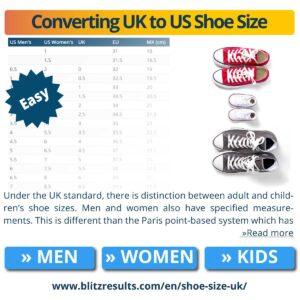
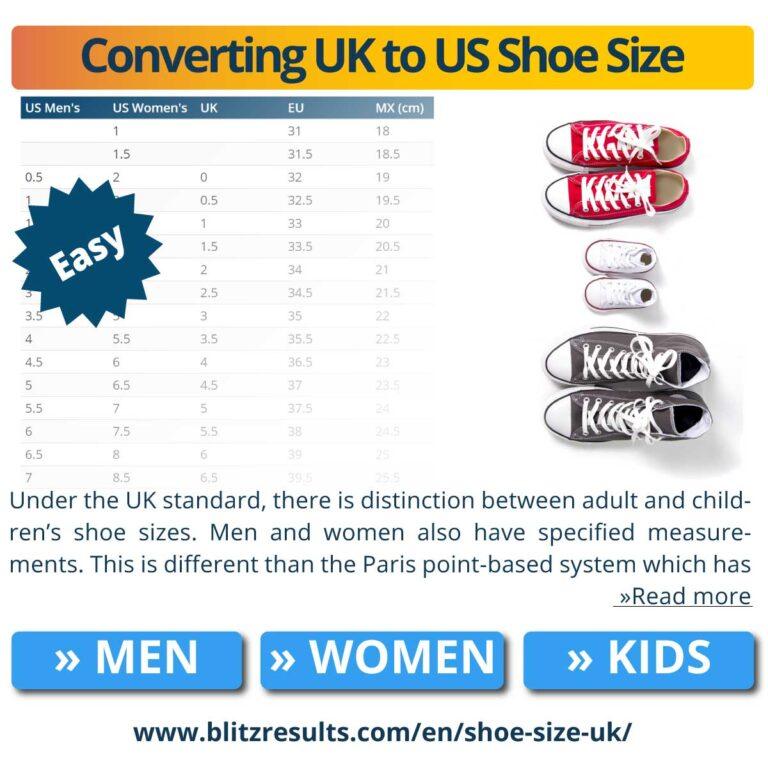
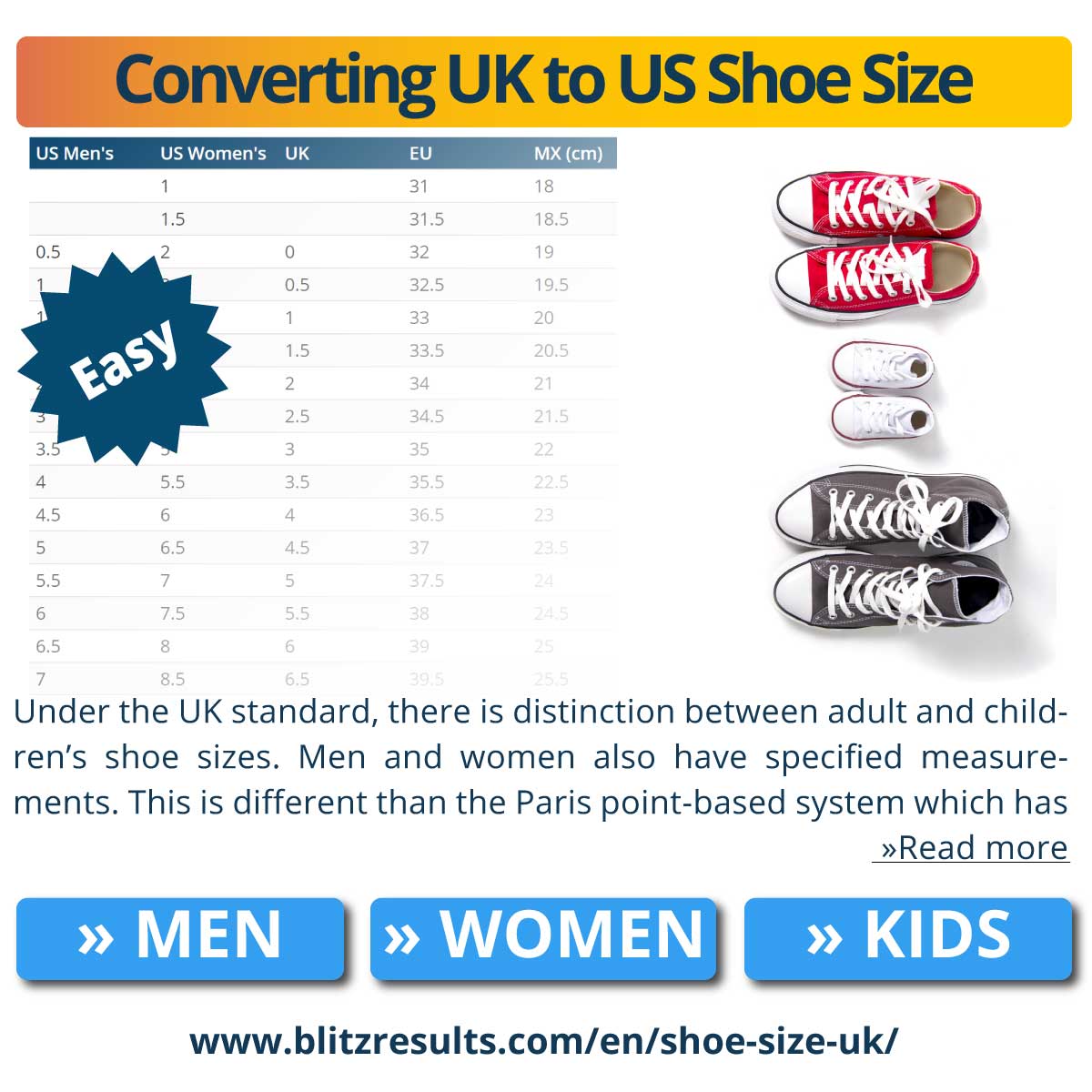
UK shoe sizes are not the same as American shoe sizes. In most adult footwear, a UK men’s size is about one size smaller than the matching US men’s size. For example, a UK men’s 8 is usually close to a US men’s 9.
Women’s sizing often has a larger gap. A UK women’s size is commonly about two sizes smaller than the equivalent US women’s size. Therefore, a UK women’s 6 often matches a US women’s 8.
These are useful starting points, not strict laws. Shoe brands may change their fit, shape, and size chart. A running shoe, leather boot, and fashion flat may all fit differently even when they show the same size.
The best answer to “are UK shoe sizes the same as American?” is that they are related but not identical. Always check the brand’s own chart when possible.

UK shoe size conversion chart
The chart below gives common adult conversions. It is based on typical brand practices, so treat it as a guide rather than a guarantee.
Men’s UK to US shoe size chart
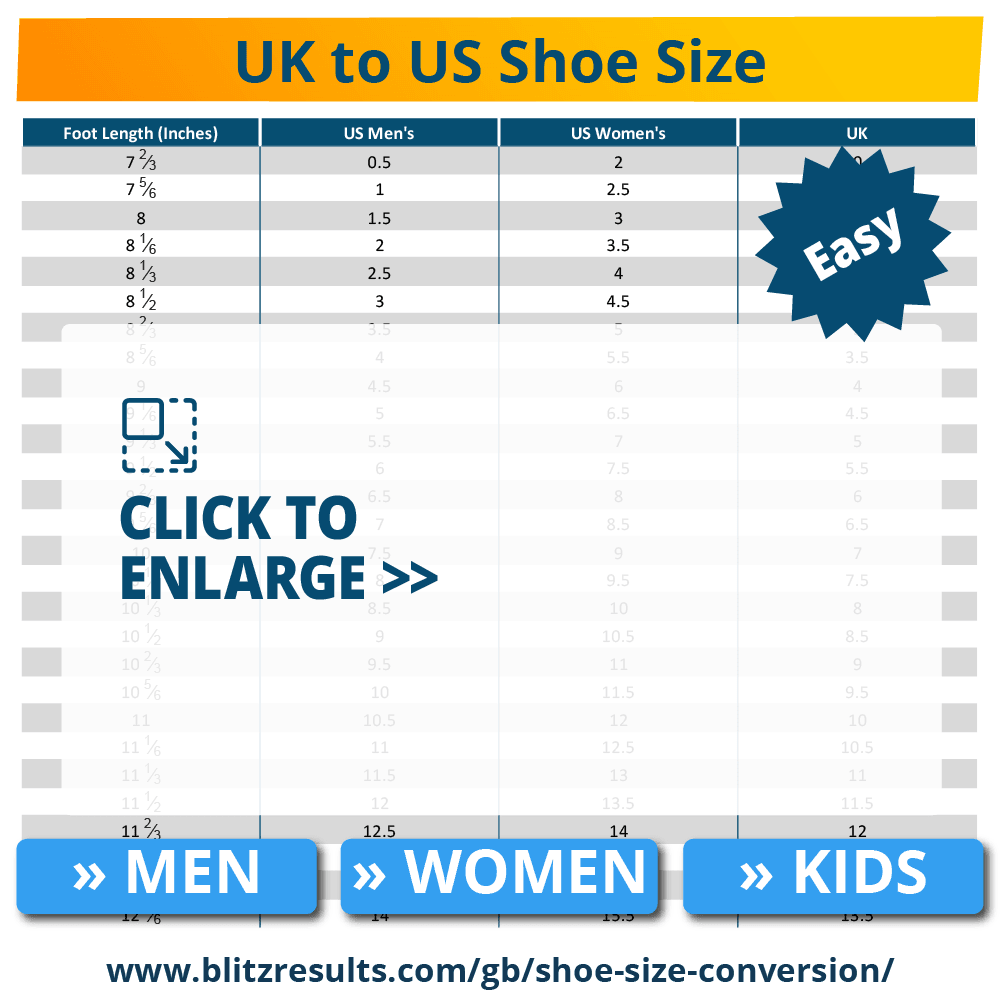
| UK size | Approximate US men’s size | Approximate foot length |
|---|---|---|
| UK 6 | US 7 | 9.7 inches |
| UK 7 | US 8 | 10.0 inches |
| UK 8 | US 9 | 10.3 inches |
| UK 9 | US 10 | 10.6 inches |
| UK 10 | US 11 | 10.9 inches |
| UK 11 | US 12 | 11.3 inches |
| UK 12 | US 13 | 11.6 inches |
| UK 13 | US 14 | 11.9 inches |
Women’s UK to US shoe size chart
| UK size | Approximate US women’s size | Approximate foot length |
|---|---|---|
| UK 3 | US 5 | 8.7 inches |
| UK 4 | US 6 | 9.0 inches |
| UK 5 | US 7 | 9.3 inches |
| UK 6 | US 8 | 9.6 inches |
| UK 7 | US 9 | 9.9 inches |
| UK 8 | US 10 | 10.2 inches |
| UK 9 | US 11 | 10.5 inches |
The answer to “are UK shoe sizes the same as American?” also depends on whether the chart is for men or women. A UK 8 does not convert to the same US size in every category.
Some brands use unisex sizing. In those cases, the label may show only one number, such as UK 8 or US 9. Read the brand’s notes before ordering because a unisex size often follows men’s sizing.

How UK and US shoe sizing systems differ
UK and US shoe sizes are based on similar old measuring ideas, but they do not use the same starting point. Both systems use a unit called a barleycorn, which is about one-third of an inch. The starting point and numbering rules create the difference.
The UK system usually begins adult sizing at a lower number than the US system. This is why a UK men’s size is often one number below its US match.
Women’s sizing adds another layer of confusion. In the US, women’s sizes commonly use a different scale from men’s sizes. A US women’s size is often about 1.5 sizes higher than the equivalent US men’s size, though this can vary by brand.
Here is the usual pattern:
• UK men’s size 8 is close to US men’s size 9.
• UK women’s size 6 is close to US women’s size 8.
• A UK size does not automatically convert the same way for men and women.
• Children’s sizing follows another scale and should be checked separately.
• Width labels may also differ between countries.
This explains why searching only for a number can cause mistakes. The number is just one part of the fit. Length, width, toe shape, and the shoe’s intended use matter too.

UK to US shoe size conversion for men
For men’s shoes, the most common rule is:
US men’s size = UK size + 1
For example:
• UK 7 usually converts to US 8.
• UK 8 usually converts to US 9.
• UK 9 usually converts to US 10.
• UK 10 usually converts to US 11.
This rule works well for many sneakers, boots, and casual shoes. However, some brands use slightly different lasts, which are the forms used to shape shoes. A narrow European-style last may feel tighter than a wider American-style shoe at the same measured length.
Men’s width labels can also create problems. In the US, common width labels include B, D, 2E, and 4E. In the UK, brands may use letters such as F, G, or H. These letters are not always direct matches.
If your feet are wide, do not solve the problem by simply ordering a longer shoe. Extra length can make your heel slip and may cause rubbing. Look for the correct width when the brand offers it.
UK to US shoe size conversion for women
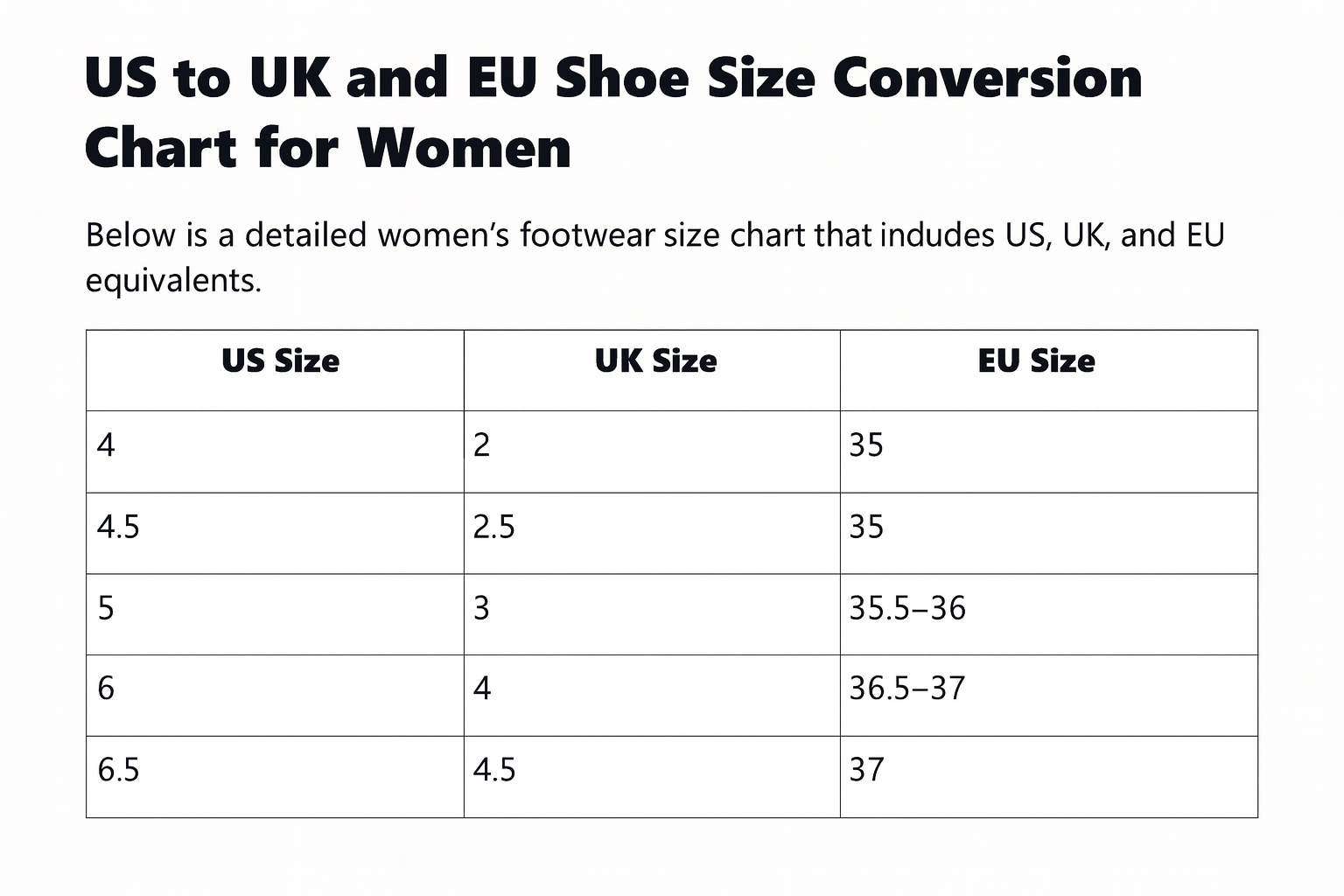
For women’s shoes, the usual conversion is:
US women’s size = UK size + 2
For example:
• UK 4 usually converts to US 6.
• UK 5 usually converts to US 7.
• UK 6 usually converts to US 8.
• UK 7 usually converts to US 9.
This is one reason the question “are UK shoe sizes the same as American?” causes so much confusion. The same UK number can lead to different US results depending on the shoe category.
Women’s footwear also varies greatly in shape. A pointed dress shoe may feel shorter than a rounded sneaker. High heels can push the foot forward, while boots may need extra room for thick socks.
When buying women’s shoes online, check three details:
- Confirm whether the listed size is UK or US.
- Check whether the chart is for women’s, men’s, or unisex footwear.
- Compare the foot-length measurement in inches or centimeters.

UK and US children’s shoe sizes
Children’s shoe sizing is less predictable because the systems change from infant sizes to youth sizes. A US children’s chart may begin with baby sizes, continue through toddler sizes, and then move into big-kid sizes.
A UK children’s size is often about one size lower than the comparable US children’s size, but the exact conversion depends on the age range and brand. Do not apply the adult men’s or women’s rule to children’s shoes.
Children’s feet grow quickly, but buying shoes that are much too large can cause trips, poor foot control, and discomfort. A small amount of growing room is helpful, but the shoe should still hold the heel securely.
For children, measure both feet while the child is standing. Use the larger foot, and check the fit every few months. Growth patterns differ, so age alone is not a reliable size guide.
How to measure your foot at home
A foot measurement is often more useful than a conversion chart. You can measure your foot with paper, a pencil, a ruler, and the socks you plan to wear.
Follow these steps:
- Place a sheet of paper on a hard floor.
- Stand on the paper with your heel lightly against a wall.
- Ask someone to trace around your foot, or mark the longest toe.
- Measure from the back of the heel to the longest toe.
- Measure both feet and use the larger measurement.
- Compare the result with the shoe brand’s chart.
Measure at the end of the day if possible. Feet often swell slightly after walking, so an evening measurement can give a more realistic result.
Keep your weight on the foot while measuring. Measuring while seated may produce a shorter result. Also, do not assume your left and right feet are identical. Many people have one foot that is a little longer or wider.
A useful fitting check is to leave about 0.3 to 0.5 inches of space between your longest toe and the front of the shoe. The right amount depends on the shoe type, foot shape, and activity.
Why shoe sizes vary by brand
A size label is not a universal measurement. Each company may use its own design mold, materials, and fit goals. This is why a US 9 from one brand may feel different from a US 9 from another.
Common causes of variation include:
• Different shoe lasts and toe shapes
• Narrow, regular, wide, and extra-wide designs
• Thick or thin inner padding
• Stretchy or stiff upper materials
• Differences in heel height
• Regional size charts
• Men’s, women’s, and unisex construction
Leather shoes may stretch slightly with wear, but they should not feel painful when new. Athletic shoes often need more room in the toe area, especially for running. Hiking boots may require space for thicker socks and downhill movement.
A mistake I often see in online shopping is choosing a size based on a favorite brand alone. That approach works until the shoe shape changes. A better habit is to compare your foot measurement with each new brand’s chart.

Common mistakes when converting UK shoe sizes
The biggest mistake is assuming that UK and American shoe sizes use the same scale. They do not. A UK 8 is not automatically a US 8.
Other common errors include:
• Using a men’s chart for women’s shoes
• Treating a children’s size as an adult size
• Ignoring whether the size is UK, US, or EU
• Forgetting to check width
• Measuring only one foot
• Measuring while sitting down
• Ordering based only on the number printed inside an old shoe
• Assuming every brand follows the same conversion
Another lesson worth remembering is that a conversion chart cannot describe the whole fit. Two shoes with the same inner length can feel different because one has a narrow toe box or a lower instep.
If you are between sizes, read the retailer’s return policy before ordering. This is especially important for boots, formal shoes, and specialized athletic footwear.
Are UK shoe sizes the same as American in online stores?
Online stores may display UK and US sizes in the same product menu. The labels can look similar, so check the product description carefully before adding the item to your cart.
Look for wording such as:
• “UK 8”
• “US men’s 9”
• “US women’s 10”
• “EU 42”
• “Unisex sizing”
• “Runs small” or “runs large”
Some retailers use automatic conversion tools. These tools can help, but they may not account for brand-specific fit. The manufacturer’s own chart is usually the better reference.
Customer reviews can offer useful clues about width and comfort. Give more weight to reviews from people with similar foot width and the same intended use. A shoe that feels perfect for a narrow foot may not work for a wide foot, even if both buyers choose the same size.
How to choose the right size when buying from the UK
If you live in the US and buy shoes from a UK retailer, start by identifying the size system. Never assume that the site uses your local size.
Use this simple process:
- Find the retailer’s sizing guide.
- Confirm whether the chart is for men, women, children, or unisex shoes.
- Measure your feet in inches or centimeters.
- Match the larger foot to the brand’s chart.
- Check the width and fit notes.
- Review shipping and return rules.
- Try the shoes indoors on a clean floor.
For example, a US man who normally wears a US 10 may begin by looking at UK 9. A US woman who normally wears a US 8 may begin by looking at UK 6. These are starting points, not promises.
If the product lists only an EU size, use the brand’s EU chart rather than converting from UK to US and then to EU. Every extra conversion adds another chance for error.
Do UK shoes fit differently from American shoes?
UK shoes do not always feel different simply because they come from the UK. The main difference is the sizing label. The actual fit depends on the brand, model, construction, and width.
Still, some UK brands use traditional shapes that may feel longer, narrower, or more structured than certain American brands. This is common in dress shoes and heritage boots, though it is not true for every product.
Pay attention to these fit points:
• Your toes should not press against the front.
• Your heel should stay mostly in place while walking.
• The widest part of your foot should sit over the shoe’s widest area.
• The upper should not create sharp pressure points.
• Your toes should be able to move slightly.
• The sole should bend near the ball of your foot.
Comfort should not depend on “breaking in” severe pain. A shoe may soften with wear, but numbness, pinching, and strong pressure are signs that the shape or size is wrong.
Frequently Asked Questions About Are UK Shoe Sizes the Same as American
Are UK shoe sizes smaller than US shoe sizes?
Usually, yes. A UK men’s size is often one number smaller than the equivalent US men’s size, while a UK women’s size is often two numbers smaller than the equivalent US women’s size.
What is a UK size 8 in US shoes?
A UK size 8 is commonly a US men’s 9 or a US women’s 10. Confirm the category and brand chart because the conversion can vary.
Is a UK women’s size 6 the same as a US women’s size 6?
No. A UK women’s size 6 is usually close to a US women’s size 8. The UK and US women’s scales are different.
Is a UK men’s size 9 the same as a US men’s size 9?
No. A UK men’s size 9 commonly converts to a US men’s size 10. Check the manufacturer’s chart for the most accurate result.
Are UK and US children’s shoe sizes the same?
No. Children’s shoe scales differ, and the conversion can change between infant, toddler, and youth sizes. Use a children’s chart based on foot length and the specific brand.
Should I use foot length instead of a shoe size conversion?
Yes, foot length is often the safest reference. Measure both feet while standing and compare the larger measurement with the brand’s official chart.
Conclusion
UK shoe sizes and American shoe sizes are not the same. As a general guide, UK men’s sizes are about one number lower than US men’s sizes, while UK women’s sizes are often about two numbers lower than US women’s sizes.
The most reliable method is to check the brand’s chart, measure both feet, confirm the sizing category, and review the width. Remember that a size number is only a label; comfort comes from the full shape and fit of the shoe.
Use these steps the next time you shop across regions, and you will be far less likely to order the wrong pair. Share your own sizing experience or explore the manufacturer’s fitting guide before making your next purchase.

Madison Clark is a footwear expert and the voice behind MyStyleGrid.com. She specializes in honest shoe reviews, style tips, and practical guides to help readers find the perfect pair for any occasion. With years of experience in blogging and content creation, Madison makes footwear knowledge simple, stylish, and easy to follow.