Polarized, floating sunglasses with UV400 protection offer the clearest and safest view on bright water.
A sunny day on a boat can turn hard fast when glare hides the water, your eyes sting, and cheap frames slide away. I have learned that the best sunglasses for on the water must do more than look cool. They need strong glare control, full UV protection, a steady fit, and enough grip for wind, spray, and sweat. The seven options below cover fishing, boating, paddling, and daily outdoor use. I also look at comfort, lens coverage, float value, and real-world limits so you can choose with less guesswork.

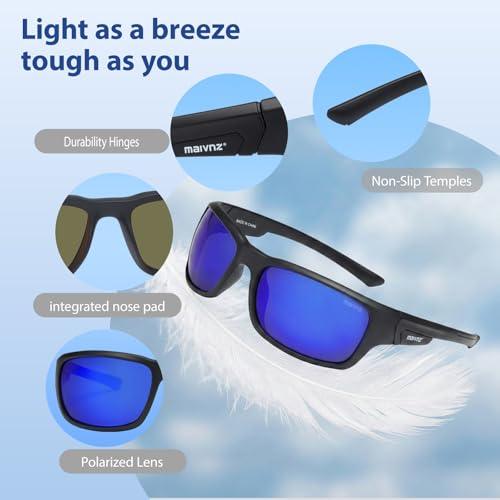
maivnz Floating Polarized Fishing Sunglasses…
THEY FLOAT – WON’T SINK: Drop them in the lake, river, or ocean and they stay on the surface. TPX frame is lighter than water. Just scoop them up and…

FLOTTIE ANCHOR Floating Polarized Fishing…
FLOATING FRAME TECHNOLOGY Pretty clever, hey? These legends actually float! Crafted from premium Japanese TPX, a super-light polymer that’s lighter than water, they’ll pop right back up if they take…

KastKing Huzzah Polarized Sport Sunglasses…
KEY FEATURES – PuriVex coating repels saltwater, oil, and chemicals – Polarized lenses reduce glare – Impact resistant TAC lenses protect your eyes from flying objects – Block 100% of…
maivnz Floating Polarized Sunglasses
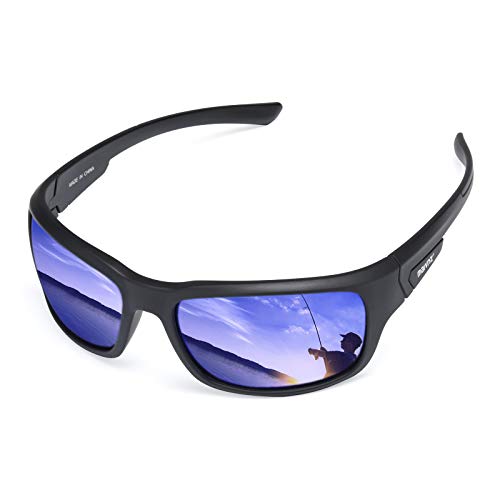
The maivnz Floating Polarized Fishing Sunglasses stand out for one simple reason: they are made for the moment a pair falls into the water. The floating frame can help keep the glasses near the surface instead of sending them to the bottom. Their blue mirror lens also gives them a sharp, sport-ready look for bright days. I see this model as a practical pick for anglers, boat owners, and anyone who spends time near lakes or bays.
Polarized lenses reduce much of the flat glare that bounces off the water. That can make it easier to watch a lure, read the surface, or see where a dock begins. The frame appears light enough for long use, while the broad shape gives useful sun coverage at the sides. Still, fit matters more than color, so check the size and review notes before ordering.
Pros:
- Floating frame helps prevent total loss after a drop
- Polarized lenses cut bright water glare
- Blue mirror finish suits strong sun and outdoor use
- Sport shape gives useful side coverage
- Good match for fishing, boating, and beach trips
- Light design can feel easy to wear for hours
Cons:
- Blue mirror styling may not suit every outfit
- Frame fit may feel loose or tight on some face shapes
- Included accessories and case contents may vary by listing
My Recommendation
I recommend the maivnz pair for water users who worry about losing glasses overboard. It is especially useful for casual anglers and boaters who want float value without paying premium eyewear prices. The polarized lens is the main reason to buy it, while the floating frame adds peace of mind. For many users, this is a strong entry point when shopping for the best sunglasses for on the water.
FLOTTIE ANCHOR Floating Polarized Sunglasses

The FLOTTIE ANCHOR Floating Polarized Sunglasses offer a flexible choice for both men and women. Their design suits more than fishing, since the brand also positions them for driving, cycling, and running. That wider use matters if you want one pair for the boat, car, trail, and weekend walk. I like this kind of multi-use frame because it earns its place instead of sitting in a gear drawer.
The floating build is a helpful safety feature around docks and open water. Polarization can reduce harsh reflections, while UV400 labeling indicates protection against UVA and UVB rays when the product meets its stated standard. The lightweight design should work well for active use, but I would still add a retainer cord for rough waves or fast boat rides. No floating frame can help if the glasses blow far from the boat.
Pros:
- Floating design offers extra security near water
- Polarized lens helps calm mirror-like reflections
- Unisex styling works for many outdoor users
- Lightweight frame fits active daily wear
- Useful for boating, fishing, cycling, and driving
- UV400 claim supports all-day outdoor eye protection
Cons:
- Light frames may not feel as solid as premium sport frames
- Some users may want more wraparound side coverage
- Polarization does not replace a proper retainer in rough water
My Recommendation
This FLOTTIE ANCHOR version is best for someone who wants one light pair for several sports. It suits families, casual boaters, paddleboard users, and runners who also spend time outside the water. I would choose it when comfort and broad use matter more than a specialized fishing lens system. It is a sensible value option for the best sunglasses for on the water, especially when you want a unisex fit.
KastKing Huzzah Wrap Sport Sunglasses

The KastKing Huzzah brings a more protective wrap design to this list. Wrap frames curve around the face and can block light that sneaks in from the sides. That trait is valuable on open water, where the sun can hit from above, beside you, and off the deck at the same time. The Huzzah is built for men and women, so it may work well for shared household gear.
I would pay close attention to lens color and fit when choosing this model. A wrap frame can feel stable during movement, but it can also feel too close to the cheeks for some faces. The polarized lens should help reduce reflected glare, and the sport shape gives a more secure feel than basic fashion glasses. If you spend long days casting or cruising, the extra coverage can reduce eye strain caused by constant squinting.
Pros:
- Wrap design blocks more side light than open frames
- Polarized lenses reduce common water glare
- Sport shape suits fishing and active boating
- Unisex design expands fit options
- Broad lens area supports a clear forward view
- Secure profile works well during movement
Cons:
- Wrap shape may feel narrow on wider faces
- More coverage can reduce airflow in hot weather
- Not every color option offers the same visual feel
My Recommendation
I recommend this Huzzah version for anglers and boaters who want side coverage more than float protection. It is a good fit for bright offshore trips, long days on a center console, and active casting. Choose it if glare reaches you from every angle and standard sunglasses feel too open. Among the best sunglasses for on the water, this model makes the most sense for users who prefer a close sport fit.
KastKing Huzzah Wrap Sunglasses in a Second Fit

This second KastKing Huzzah listing uses the same trusted wrap-style platform with a different product variation. That distinction matters because lens tint and frame color can change how glasses feel in daily use. I often tell readers not to judge a pair only by the first photo. Look at the exact variation, since the color, lens finish, and included parts may differ between options.
The Huzzah remains focused on glare control and sport coverage. Its curved design can shield the eyes when the sun sits low over the water, while polarization helps remove much of the bright surface flash. This makes it useful for fishing, kayaking, and boat rides where the view changes quickly. The trade-off is a closer fit, which some people love and others find warm after several hours.
Pros:
- Protective wrap shape helps limit side glare
- Polarized lens supports clearer views over water
- Sport build suits active outdoor use
- Second variation gives more style and fit choice
- Useful for anglers who watch small surface details
- Large lens area helps create a steady visual field
Cons:
- Close frame may not fit every nose or cheek shape
- Can feel warmer than a more open frame
- Users must confirm the exact variation before purchase
My Recommendation
I would choose this listing for shoppers who like the Huzzah wrap frame but want another style or lens option. It is best for active users who need glare control and a snug feel during fishing or paddling. It may not be the best choice for people who dislike close-fitting frames. Still, it gives useful value and remains a strong contender for the best sunglasses for on the water when side light is your main problem.
FLOTTIE ANCHOR Lightweight Water Sunglasses

This FLOTTIE ANCHOR option is another practical take on floating polarized eyewear. It targets people who want sun protection without a heavy frame pressing on the nose. The light build may appeal to runners, cyclists, and paddle users who move often. For water use, the floating feature adds a useful safety net when a gust or splash knocks the glasses loose.
In my view, comfort is easy to overlook until a long afternoon makes every pressure point obvious. A lightweight frame can help reduce that problem, especially during warm-weather trips. Polarization should make reflected light less harsh, and the UV400 claim supports protection from ultraviolet rays. I would pair these with a soft case because salt, sand, and grit can scratch lenses if you toss them into a bag.
Pros:
- Lightweight feel works well for long wear
- Floating frame adds confidence around docks and boats
- Polarized lenses help reduce water reflections
- Unisex style fits many outdoor routines
- Useful beyond water for driving and running
- Easy choice for people who dislike heavy eyewear
Cons:
- Light construction may need careful storage
- May not give full wrap coverage for offshore glare
- A retention strap is still wise for fast water sports
My Recommendation
This FLOTTIE ANCHOR pair is best for comfort-first shoppers. I would suggest it for paddleboarders, casual kayakers, beach walkers, and anyone who wears sunglasses for much of the day. Its float feature helps near water, while its light design keeps the fit easy. If you need the best sunglasses for on the water for mixed daily use, this version offers a balanced and friendly choice.
Fishing Glasses Pro Kit With Four Lenses
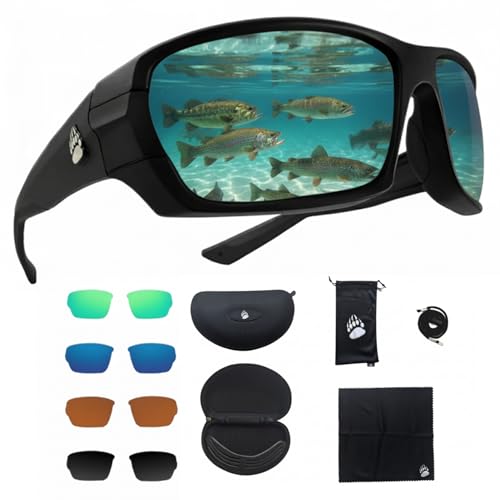
The Fishing Glasses Pro Kit takes a different route from the single-lens models above. It includes four lenses, which gives you more ways to handle changing light on the water. Bright offshore sun, cloudy skies, shallow water, and late-day shade do not look the same through one tint. A lens kit can help serious anglers adapt without buying several complete pairs.
The TR-90 frame material is known for being light and flexible, which can help during long fishing sessions. Lens changes may take a little practice, but the added choice can be worth that small learning curve. I especially like this concept for anglers who fish at dawn, noon, and dusk. Before buying, confirm how the lenses are labeled and how easily they change, since a kit is only useful when the system works in real conditions.
Pros:
- Four lenses offer options for changing light
- Useful for offshore, shallow-water, and low-light conditions
- TR-90 frame aims for light, flexible comfort
- Polarized lens choices can reduce surface glare
- One kit may cost less than several full pairs
- Good fit for anglers who fish across the whole day
Cons:
- Lens changes require extra time and care
- More parts create more items to store and clean
- Not as simple as a single ready-to-wear pair
My Recommendation
I recommend this kit for committed anglers who face changing light and water conditions. It is less suited to someone who wants to grab one pair and go. The four-lens setup gives it an edge for fishing trips that run from sunrise through late afternoon. For serious users seeking the best sunglasses for on the water, this kit offers the most flexibility in the group.
KastKing Huzzah Sport Sunglasses, Alternate Style

This third Huzzah listing gives shoppers another variation of KastKing’s wrap sport design. That makes it worth considering when the first color or fit does not suit you. A good water pair should stay put when you turn your head, bend over the gunwale, or cast into a breeze. The Huzzah shape is built around that active-use need rather than a loose fashion fit.
Its polarized lenses are designed to limit reflected glare, which is one of the biggest causes of discomfort on bright water. The wrap profile also helps keep stray light outside the lens area. I would use this pair for fishing, boating, and other sports where movement is steady but not extreme. For very fast activities, add a strap and test the fit before trusting any sunglasses on open water.
Pros:
- Wrap frame helps shield eyes from side light
- Polarized lenses improve comfort in bright conditions
- Sport shape supports a secure active fit
- Multiple Huzzah variations improve shopping flexibility
- Works for fishing, boating, and outdoor sports
- Large lenses provide useful front and side coverage
Cons:
- May feel snug for people with wide faces
- Less airflow than a flat, open frame
- Exact color and lens details require careful checking
My Recommendation
This Huzzah variation is best for users who want a close, active fit and a choice of appearance. It suits anglers who spend time in strong sun and want fewer gaps around the eyes. I would not pick it for someone who needs a very loose fit or maximum ventilation. For the right face shape, it can be among the best sunglasses for on the water because it combines broad coverage with a sport feel.
How to Choose the Best Sunglasses for On the Water
Shopping for water sunglasses can feel harder than it should. Many pairs look similar in a product photo, yet small details change how they work on a boat or fishing pier. I focus on lens function first, then fit, frame safety, and care. A low price is useful, but a cheap lens that leaves you squinting all day is not a good bargain.
Choose Polarized Lenses for Glare
Polarization is one of the most useful features for water use. Sunlight reflects off the water in a strong, flat pattern that can make the surface look like a bright sheet of glass. A polarized filter blocks much of that reflected light before it reaches your eyes. This can improve comfort and help you see details near the surface.
Polarized glasses do not make you invincible to glare. They also do not replace UV protection. You still need a lens that blocks harmful ultraviolet rays. Polarization affects visible reflected light, while UV protection relates to invisible radiation.
Look for Full UV Protection
The American Academy of Ophthalmology advises wearing sunglasses that block 99% to 100% of UVA and UVB rays. Many products use the terms UV400 or 100% UV protection to describe this level. I treat that claim as a must-have, not a bonus. Dark lenses without proper UV protection can create a false sense of safety because your pupils may open wider behind the dark lens.
Buy from a clear listing and inspect the product details. If the label is vague, I would choose another pair. Eye comfort matters, but long-term eye health matters more.
Consider a Floating Frame
Floating sunglasses can save a frustrating swim to the bottom. A foam-filled or buoyant frame may keep the glasses on the surface where you can retrieve them. This feature is useful for fishing, boating, kayaking, and paddleboarding. It does not mean the pair cannot drift, so I still prefer a leash or retainer for rough water.
Float value is most helpful for calm lakes, slow rivers, and boat decks. In waves, wind can move any small object quickly. Think of float ability as a backup plan, not a replacement for a secure fit.
Check the Frame Fit
The best sunglasses for on the water should sit level and feel secure without squeezing. The nose pads should not leave painful pressure after ten minutes. The arms should rest behind the ears without pushing hard. When you smile or look down, the frame should stay in place.
Wrap frames can reduce side glare, but they may feel tight on wide faces. Open frames can feel cooler, but they may let in more light. I suggest measuring a pair that already fits you and comparing its width with the Amazon listing. This small step can prevent many returns.
Think About Lens Color
Gray lenses usually preserve a natural view and work well in strong, general sun. Brown or amber lenses can add contrast and may feel useful in changing light. Blue mirror lenses look sharp and can suit bright outdoor conditions, but the mirror finish does not automatically mean better UV protection. The base lens still does the real work.
For fishing, lens color can affect how well you see line, lure, and water detail. No tint is perfect in every setting. This is why the four-lens Fishing Glasses Pro Kit may appeal to users who face many light levels.
Review Lens Coverage
Water reflects light upward and sideways. A narrow lens can leave gaps that allow glare to enter around the frame. Larger lenses and wrap designs can reduce this problem. They also protect more skin around the eyes from wind and spray.
More coverage is not always better for every face. A very large or curved frame can cause fogging if air cannot move. I look for a middle ground: enough wrap to block stray light, with enough space for airflow.
Check Durability and Care
Salt water, sand, and sunscreen can damage eyewear over time. Rinse glasses with clean fresh water after a day at sea. Do not rub dry salt crystals across the lens. Use a clean microfiber cloth and store the glasses in a firm case.
Do not place sunglasses lens-down on a boat console. Even a good lens can scratch when it meets grit. Proper care often adds more life than paying for a slightly tougher frame.
Know What You Are Buying in 2026
Online listings can change. Sellers may update colors, images, bundles, and included accessories. In 2026, I recommend checking the exact variation, current size details, customer photos, and return policy before placing an order. Do not assume every color has the same lens or frame.
I also check whether the listing clearly states polarization and UV protection. Marketing words such as “fishing,” “sport,” and “outdoor” do not prove that a lens meets your needs. Product claims should be clear, and buyers should use reputable eye-care guidance as a safety baseline.
Why Polarized Sunglasses Matter on Boats and Piers
Water glare can make a calm outing tiring. Your eyes work hard as bright reflections flash across the surface. You may squint, tilt your head, or miss small details because the view feels washed out. Polarized sunglasses act like a filter that calms that visual noise.
This is helpful for more than comfort. A clearer view can help you spot a marker, watch a float, find a shallow patch, or see a fish follow a lure. I would never claim that sunglasses replace safe boating habits, but better vision supports better awareness. Keep in mind that polarization can make some LCD screens harder to read at certain angles, so turn the screen or remove the glasses when needed.
Are Floating Sunglasses Worth It?
For many water users, yes. A floating frame will not improve a lens by itself, but it can protect your purchase from a deep loss. Sunglasses fall when people lean over the side, adjust a hat, wipe sweat, or take a splash. A buoyant frame gives you a chance to recover them.
Floating models are especially useful for casual fishing and family boating. If you use a high-speed boat, jet ski, or paddleboard in wind, pair them with a secure strap. The best sunglasses for on the water often use more than one safety feature: a good fit, a retainer, and a frame that floats.
How I Compare Water Sunglasses
I compare these products by asking practical questions. Does the lens address glare? Does the frame stay useful during motion? Does it protect the eyes from sun at the sides? Will the design make sense for a short dock trip or a full day of fishing? I also consider what happens after a drop, because water gear should handle small mistakes.
I do not rank a pair only by its appearance or the number of marketing terms in the title. A real buyer needs clear product details, a reasonable fit, and a use case that matches the frame. That approach helps separate a good fishing tool from a basic pair that only looks sporty.
| Best for | Why |
|---|---|
| Anglers facing changing light | Fishing Glasses Pro Kit offers four lens choices for different conditions. |
| Boaters worried about drops | maivnz and FLOTTIE ANCHOR floating frames can help keep glasses near the surface. |
| Bright offshore and active use | KastKing Huzzah wrap styles provide polarized coverage with a close sport fit. |
Tips for Wearing Sunglasses on the Water
Put your sunglasses on before glare becomes painful. Starting early keeps your eyes more relaxed and helps you notice changes around the boat. Keep a spare pair in a dry bag, especially if you fish far from shore. A backup pair can turn a ruined afternoon into a small inconvenience.
Use a retainer cord when the water is rough. Let the glasses hang around your neck when you need to read a phone or chart. Avoid leaving them on a hot dashboard, since strong heat can stress frames and coatings. These small habits protect the glasses and your eyes.
Clean lenses often give a better view than expensive lenses covered in salt spots. Rinse off dust, then wipe with a soft cloth. Never use a shirt with sand on it. That quick rub can create fine scratches that grow more annoying each time the sun hits the water.
FAQs Of best sunglasses for on the water
Are polarized sunglasses better for boating?
Yes, polarized lenses can reduce bright reflections from water and improve visual comfort. They do not replace UV protection or safe boating practices. Check that the sunglasses also state 99% to 100% UVA and UVB protection or an equivalent UV400 claim.
Do floating sunglasses really stay on top of water?
Many buoyant frames are designed to float, but performance can vary with frame design and added parts. Wind and waves may carry them away. Use a retainer strap when conditions are rough.
What lens color is best for fishing?
Gray works well in strong sun and keeps colors fairly natural. Brown or amber can add contrast in mixed light. A multi-lens kit gives more flexibility when you fish from dawn through late day.
Can I wear water sunglasses for driving?
Yes, if the lens gives a clear view and the frame does not block your side vision. Polarization can reduce road glare, but some vehicle screens may look dim at certain angles. Test the pair before relying on it for long drives.
Should I use a strap with the best sunglasses for on the water?
I recommend one for fast boats, kayaking, paddleboarding, and rough conditions. A strap improves recovery if the glasses come off. Floating frames add another layer of protection, but no frame can stop wind from carrying a loose pair away.
Final Verdict: Which Should You Buy?
For most users, the FLOTTIE ANCHOR is the best sunglasses for on the water because it combines polarization, a floating frame, light comfort, and broad daily use. Serious anglers may prefer the four-lens Fishing Glasses Pro Kit, while KastKing Huzzah suits users who want wrap coverage.
Choose by fit, UV protection, glare control, and water safety first. With the right pair and simple care, bright days on the water become clearer, calmer, and far more enjoyable.

Rubel Miah is the Senior Editor at MyStyleGrid.com, where he brings a sharp editorial eye and an unshakable love for fashion to everything he does. A true style addict, Rubel lives and breathes trends, from streetwear to high fashion, and has a knack for turning inspiration into impactful stories. With years of experience in fashion journalism and digital media, he curates content that empowers readers to express themselves through style. When he’s not editing features or forecasting the next big thing, you’ll find him hunting down vintage pieces or capturing street style moments around the city.