Choosing the right color lens for sunglasses is more than just a style choice. It can change how you see the world, how your eyes feel, and even how well you can spot dangers while driving or playing sports. Many people think any pair of sunglasses will do. But the truth is, the lens color you pick can make a huge difference in your comfort and safety. I want to help you see why. In this article, I’ll walk you through everything you need to know—without jargon or confusing terms.
We’ll look at what each lens color does, which is best for different activities, and even a few surprising facts most people don’t know. By the end, you’ll have a clear idea of the best lens color for your sunglasses and why your choice matters.
Why Lens Color Matters
Many people choose sunglasses based on how they look. But the color of the lens changes how much light reaches your eyes, how well you see colors, and how sharp your vision is. It even affects how tired your eyes feel after hours in the sun.
Here’s why lens color is important:
- It can reduce glare in different environments.
- It can help you see contrast and depth better.
- It can protect your eyes from harmful light.
- It can boost comfort during activities like driving, fishing, and skiing.
Not all lens colors are the same. Some are great for bright days, others for cloudy weather. Some let you see colors more clearly, while others block certain light to reduce eye strain. Let’s look at each color and how it works.
Common Lens Colors And What They Do
Each lens color has unique features. Here’s a closer look at the most common ones and what makes them special.
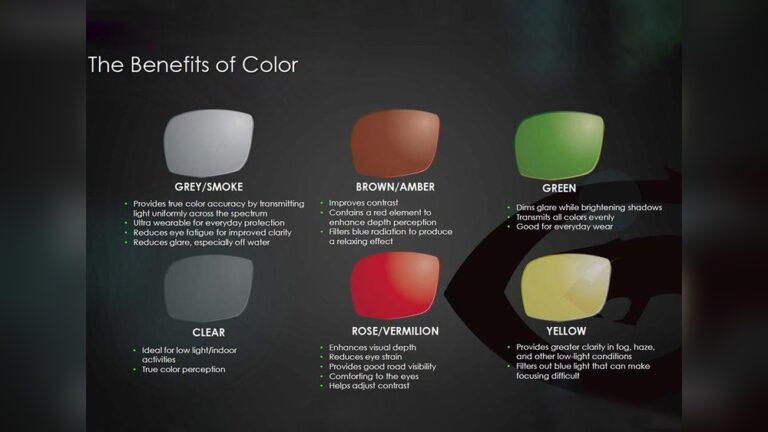
1. Gray Lenses
Gray lenses are the most popular. They reduce light evenly across all colors, so you see everything as it is—just darker. This means colors stay true, which is great for daily use.
Why Choose Gray Lenses?
- They cut down on glare, especially near water or on the road.
- They don’t change color perception.
- Good for driving, sports, and general use.
If you want an all-around lens, gray is a safe choice.
2. Brown/amber Lenses
Brown or amber lenses boost contrast and depth. They block blue light, which can cause haze on bright days. This makes things look sharper.
Benefits of brown/amber lenses:
- Great for activities like golf, fishing, and hiking.
- Help spot changes in terrain or water.
- Warm up the world—everything looks a bit sunnier.
They may change how some colors look, but they’re a top pick for outdoor lovers.
3. Green Lenses
Green lenses combine some of the best parts of gray and brown lenses. They reduce glare and brighten shadows without changing colors too much.
Why Pick Green Lenses?
- Good for both sunny and low-light days.
- Make landscapes look more vivid.
- Comfortable for long wear.
Pilots and tennis players often choose green lenses for clear vision and less eye strain.
4. Yellow/gold Lenses
Yellow or gold lenses let in more light, so they’re not for bright sun. But they boost contrast and help you see details in low light or fog.
Where yellow/gold lenses shine:
- Sports like shooting, skiing, and cycling in the early morning or evening.
- Cloudy or hazy days.
- Indoor sports.
They’re not the best for full sun, but they make details pop when light is low.
5. Blue/purple Lenses
Blue and purple lenses are often chosen for style, but they can have real benefits. They cut glare in snowy or sandy places and can help with eye comfort.
When to use blue/purple lenses:
- On bright, reflective surfaces like snow or sand.
- For fashion—many people love the look.
- May help with eye fatigue.
Just remember, these lenses can change how you see colors.
6. Red/rose Lenses
Red or rose lenses are known for comfort. They can ease eye strain and boost contrast, especially in green and blue backgrounds.
Best uses for red/rose lenses:
- Sports like cycling, running, and skiing.
- Long days outside with changing light.
- People with sensitive eyes.
They make the world look warmer and can help you see details.
How Lens Colors Affect Your Vision
You might wonder, do all these colors really change how you see? Yes, and in more ways than one. Let’s break down how lens color affects what you see and feel.
Light Transmission
Each lens color lets in a different amount of light. This is called Visible Light Transmission (VLT). The lower the VLT, the darker the lens. Here’s a quick look:
| Lens Color | Typical VLT (%) | Best Use |
|---|---|---|
| Gray | 10-20 | Bright sun, all-around |
| Brown/Amber | 15-25 | Variable light, outdoor sports |
| Green | 15-20 | Changing light, comfort |
| Yellow/Gold | 60-75 | Low light, fog, haze |
| Blue/Purple | 20-35 | Fashion, glare reduction |
| Red/Rose | 25-35 | Changing light, sports |
A lower VLT is better for bright sun. A higher VLT is better for clouds or dusk.
Color Perception
Some lens colors keep the world looking natural. Others change it. For example, gray lenses keep colors true, while brown adds warmth. Yellow lenses can make things look brighter, but not real.
If you need to see colors as they are—like when driving or picking fruit—choose a lens that doesn’t change them much.
Contrast And Depth
Brown, amber, red, and yellow lenses can boost contrast. This helps you see shapes and edges, which is great for sports or driving. But too much contrast can make colors look strange.
If you do activities where spotting details matters, contrast-boosting lenses can help.
Glare Reduction
Glare comes from bright reflections off water, snow, or glass. Gray, brown, and green lenses are best at cutting glare. For the strongest glare protection, look for polarized lenses—these can come in any color, but gray and brown are most common.
Best Lens Colors For Different Activities
Choosing the best lens color depends on what you do most. Here’s a guide to help you pick.
Driving
You need to see true colors and spot hazards fast. Gray and brown lenses are top picks. They cut glare and keep colors real. Polarized lenses are a smart choice for reducing reflections from the road and other cars.
Sports
Different sports need different lenses:
- Golf: Brown or amber helps see the green and spot the ball.
- Fishing: Gray is best for open water; brown for shallow water.
- Cycling/Running: Red or rose lenses boost contrast and comfort.
- Skiing/Snowboarding: Yellow or gold helps in fog; gray or brown for bright days.
Water Activities
Glare off water can strain your eyes. Gray lenses with polarization are best. They let you see below the surface and reduce eye fatigue.
Everyday Use
If you’re walking, shopping, or just out and about, gray, green, or brown lenses all work well. They protect your eyes and keep you comfortable.
Fashion
If you want to make a style statement, blue, purple, or mirror lenses are fun. Just check if they protect your eyes too—not all stylish lenses are safe for strong sun.
Uv Protection Vs. Lens Color
A common myth is that darker lenses always protect your eyes better. That’s not true. UV protection depends on the lens material, not the color.
Always check for 100% UV protection (look for “UV400” on the label). This blocks both UVA and UVB rays, which can cause eye damage. Even clear lenses can have UV protection, so never trust color alone.
Polarized Lenses: Are They Worth It?
You may have heard about polarized lenses. These cut glare from flat surfaces like water, snow, or roads. They work by blocking horizontal light waves.
Benefits:
- Less eye strain in bright light.
- Better clarity and comfort.
- Great for driving, fishing, and snow sports.
Drawbacks:
- Screens (like phones or GPS) can look strange or dark.
- Not always needed for indoor use.
Polarized lenses come in many colors, most often gray or brown. They’re a great upgrade if glare is a problem for you.
Credit: www.vintandyork.com
Lens Colors And Eye Health
Some people worry that colored lenses can harm their eyes. In fact, the right color can help. For example, brown and amber lenses block blue light, which can cause eye fatigue. Red and rose lenses can ease eye strain and are good for sensitive eyes.
But beware: very dark lenses with no UV protection are risky. Your pupils open wider behind dark lenses, letting in more harmful rays if there’s no UV block. Always check for UV protection first.
Special Lens Features
Some sunglasses have extra features. Here’s what they mean:
- Photochromic lenses: Change color in sunlight. Good for those moving in and out of buildings.
- Gradient lenses: Darker at the top, lighter at the bottom. Nice for driving, as they block sun above but let you see the dashboard clearly.
- Mirror coatings: Reflect more light. Good for high-glare places like beaches or snow, but can scratch more easily.
Combine these features with the right color for your needs.

Credit: www.olivebranchoptometry.com
What Beginners Often Miss
Here are a few facts most people don’t know:
- Lens color changes how you feel, not just what you see. For example, yellow lenses can boost mood on gray days, while gray lenses keep you calm in bright sun.
- Not all sunglasses are safe. Cheap, dark sunglasses without UV protection can do more harm than wearing none at all.
- The same lens color can look and act differently depending on the material and coating. Always try before you buy if you can.
- Lens color needs change with age. As we get older, our eyes let in less light, so you might prefer lighter lenses.
Comparing Lens Colors At A Glance
To help you decide, here’s a quick comparison:
| Lens Color | Color Accuracy | Best For | Weakness |
|---|---|---|---|
| Gray | High | Driving, all-purpose | Can feel too dark in low light |
| Brown/Amber | Medium | Sports, outdoors | Alters color balance |
| Green | High | Comfort, variable weather | Less contrast than brown |
| Yellow/Gold | Low | Low light, fog | Poor in bright sun |
| Blue/Purple | Low | Style, glare | Not for color-critical tasks |
| Red/Rose | Medium | Sports, comfort | World looks pinker |
How To Choose The Best Lens Color For You
It’s easy to get lost in all the choices. Here’s a simple step-by-step:
- Think about your main activity. Driving? Sports? Everyday wear?
- Look for UV protection first. Never skip this.
- Pick a lens color for your needs. Use the guide above.
- Try them on. Everyone’s eyes are different. What’s comfortable for you may not be for someone else.
- Consider special features. Do you need polarization or mirror coating?
- Check labels. Look for VLT and UV ratings.
A common mistake is picking sunglasses only for fashion. Style matters, but comfort and safety matter more.
Real-life Examples
Let me share a few stories:
- Maria loves hiking. She chose brown lenses because they help her see rocks and roots on the trail. She says she feels less eye strain after long walks.
- Jake drives for work. He picked gray polarized lenses. He can see traffic lights and road signs clearly, even on sunny days.
- Lisa is a runner. She likes red lenses, which make her morning runs more comfortable. She says they help her spot changes in the road.
Your choice should fit your life—not just what looks cool in the shop.
Data: Lens Color Preferences Around The World
Research shows that gray lenses are the top choice in North America and Europe. In Asia, brown and amber are more popular, thanks to their contrast-boosting features. Sports sunglasses often use red or rose lenses.
| Region | Most Popular Lens Color | Main Reason |
|---|---|---|
| North America | Gray | True colors, all-purpose |
| Europe | Gray | Driving, comfort |
| Asia | Brown/Amber | Contrast, outdoor sports |
| Australia | Green | Bright sun, vivid colors |
Myths About Lens Color
Let’s clear up a few common myths:
- Darker lenses are always better: Not true. Only UV protection matters for safety.
- Blue lenses are bad for your eyes: Also false. It depends on the quality and UV block.
- You need expensive sunglasses for good protection: Many affordable brands offer 100% UV protection. Price isn’t always quality.

Credit: www.wmpeyewear.com
A Few Extra Tips
- Clean your lenses gently. Scratches ruin both vision and protection.
- Replace sunglasses if the coating peels or they get badly scratched.
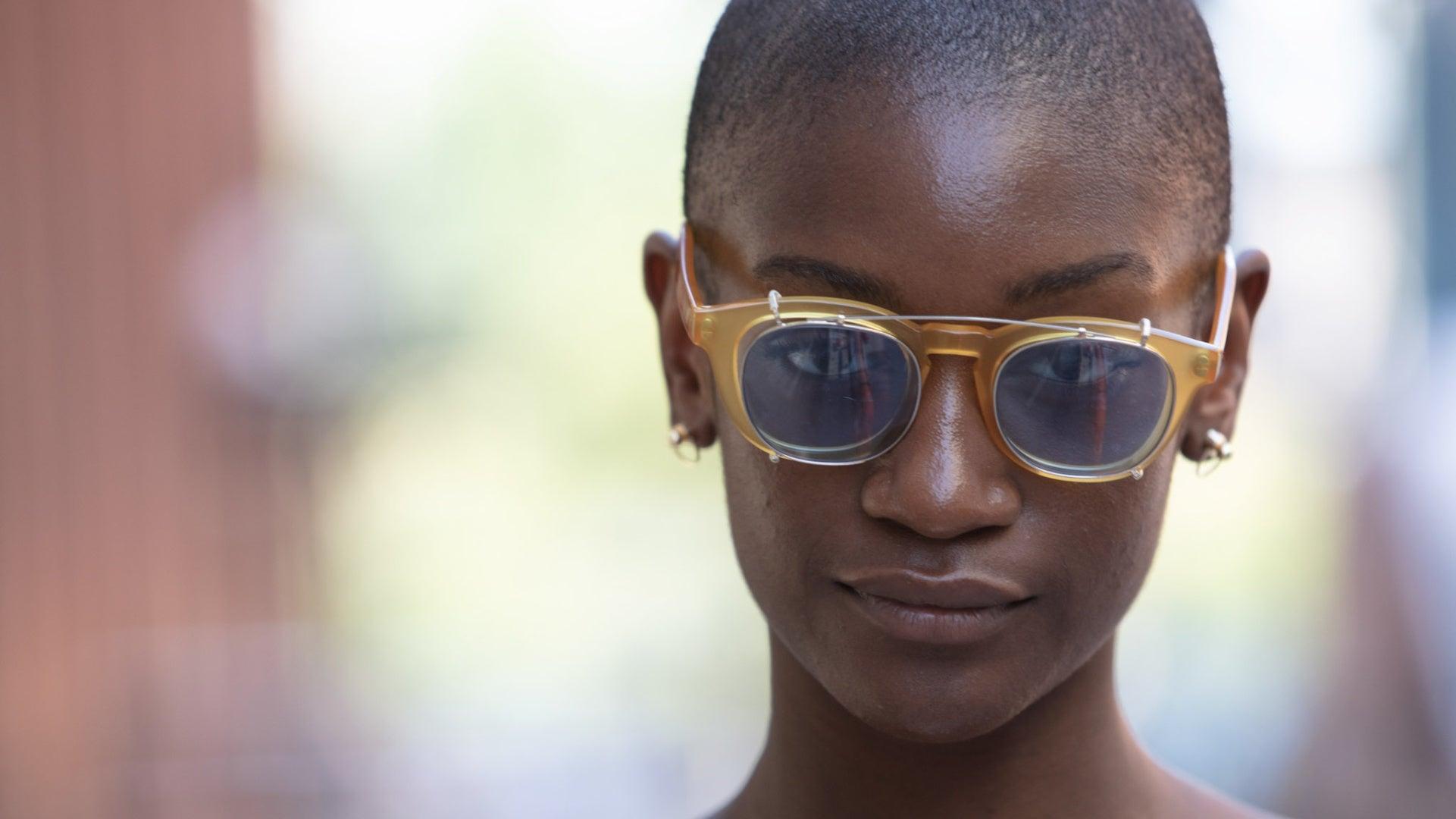
- If you wear prescription glasses, consider clip-on or custom tinted lenses.
When To See An Eye Doctor
If you have eye issues—like light sensitivity, cataracts, or color blindness—ask an eye doctor before choosing. Some lens colors can help, others may not.
Where To Buy Quality Sunglasses
Buy from trusted shops. Look for labels with “UV400” and ask questions. Online reviews help, but try in person if you can. For more about lens technology, check All About Vision.
Frequently Asked Questions
What Is The Safest Lens Color For Driving?
Gray and brown are safest for driving. They keep colors true and reduce glare. Polarized versions are even better for long drives.
Do Mirrored Lenses Offer Extra Protection?
Mirrored coatings reflect more light, which helps in very bright places. But they don’t block UV rays on their own. Always check for UV protection too.
Can I Use Yellow Lenses For Everyday Use?
Yellow lenses are best for low light and fog. They can feel too bright in full sun and may change how you see colors. For daily use, gray or brown is better.
Are Polarized Lenses Always Better?
Polarized lenses cut glare and ease eye strain in bright settings. But they can make screens hard to see. Choose them if you spend lots of time near water, snow, or roads.
Will A Darker Lens Color Always Protect My Eyes More?
No. Lens darkness does not equal UV protection. Always check the UV rating, not just the color.
Choosing the best color lens for sunglasses is about more than style. It’s about comfort, safety, and seeing the world clearly. With this guide, I hope you feel ready to pick the perfect pair for your life and your eyes.
Madison Clark is a footwear expert and the voice behind MyStyleGrid.com. She specializes in honest shoe reviews, style tips, and practical guides to help readers find the perfect pair for any occasion. With years of experience in blogging and content creation, Madison makes footwear knowledge simple, stylish, and easy to follow.