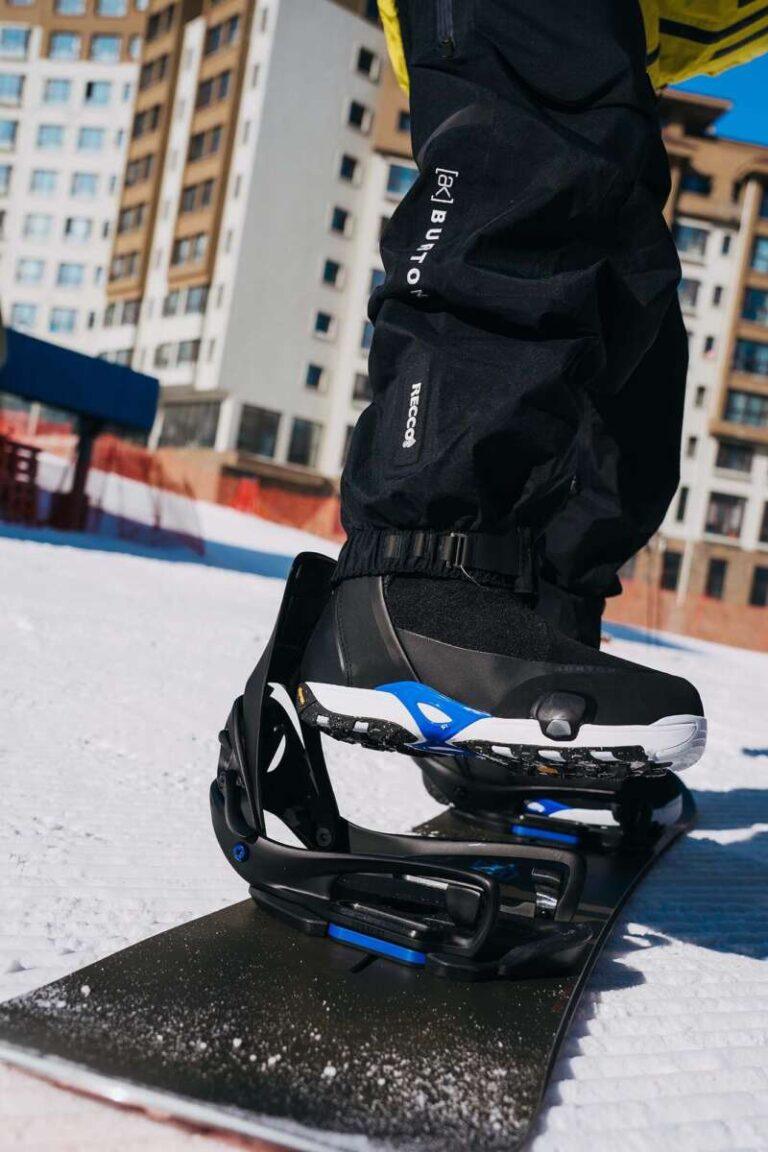
Step-in bindings require matching boots; do step on bindings work with any boot? No — not universally.
I’ve spent years testing bindings and boots on slopes and in the shop. In this guide I explain whether do step on bindings work with any boot, how compatibility is determined, what to look for when buying, and real-world tips that save time and keep you safe. Read on to learn clear checks, examples, and mistakes to avoid so you buy the right setup and ride with confidence.

How step-on bindings work and why boot fit matters
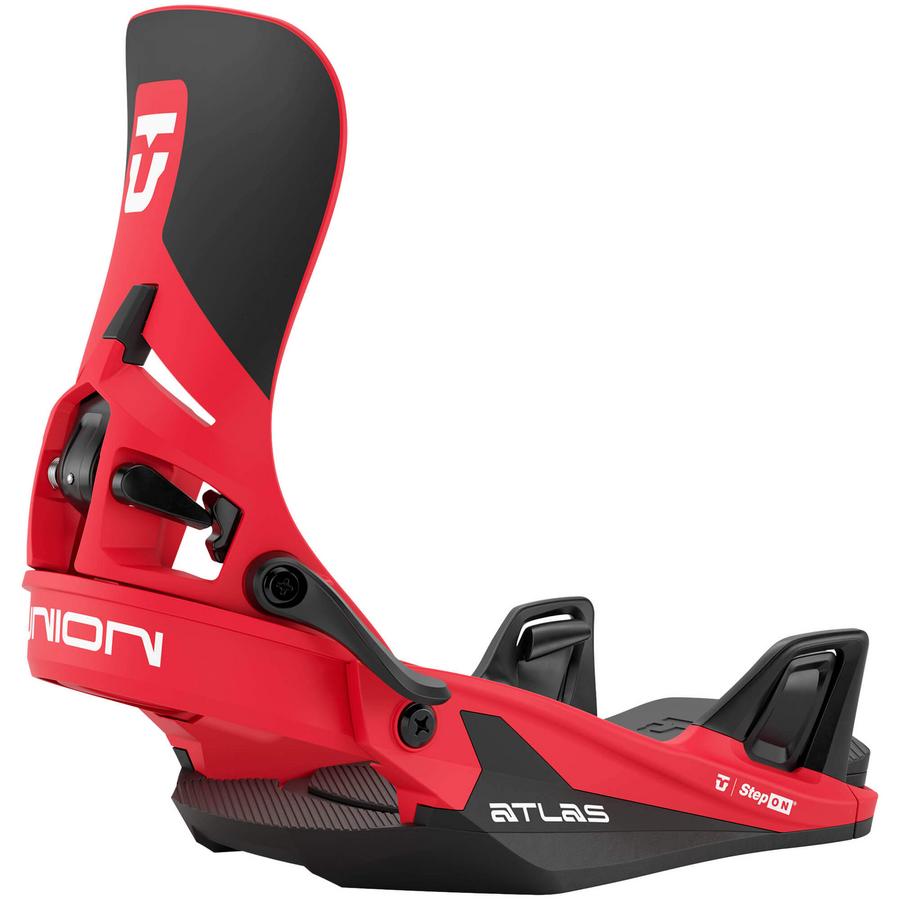
Step-on bindings are designed to lock specific parts of a boot into place. They use molded latches or clips that interact with matching boot soles. The idea is fast entry and secure hold without bending over. That convenience only works when boot geometry and binding latches match.
- Systems vary by brand and model.
- Some use a three-point lock pattern.
- Others depend on a boot sole shape or built-in studs.
Because of these differences, many riders ask: do step on bindings work with any boot? The short answer is no. Compatibility is a mechanical match, not a one-size-fits-all feature. If the boot and binding were not engineered to mate, the connection will be insecure or impossible.
Common step-on systems and their boot requirements
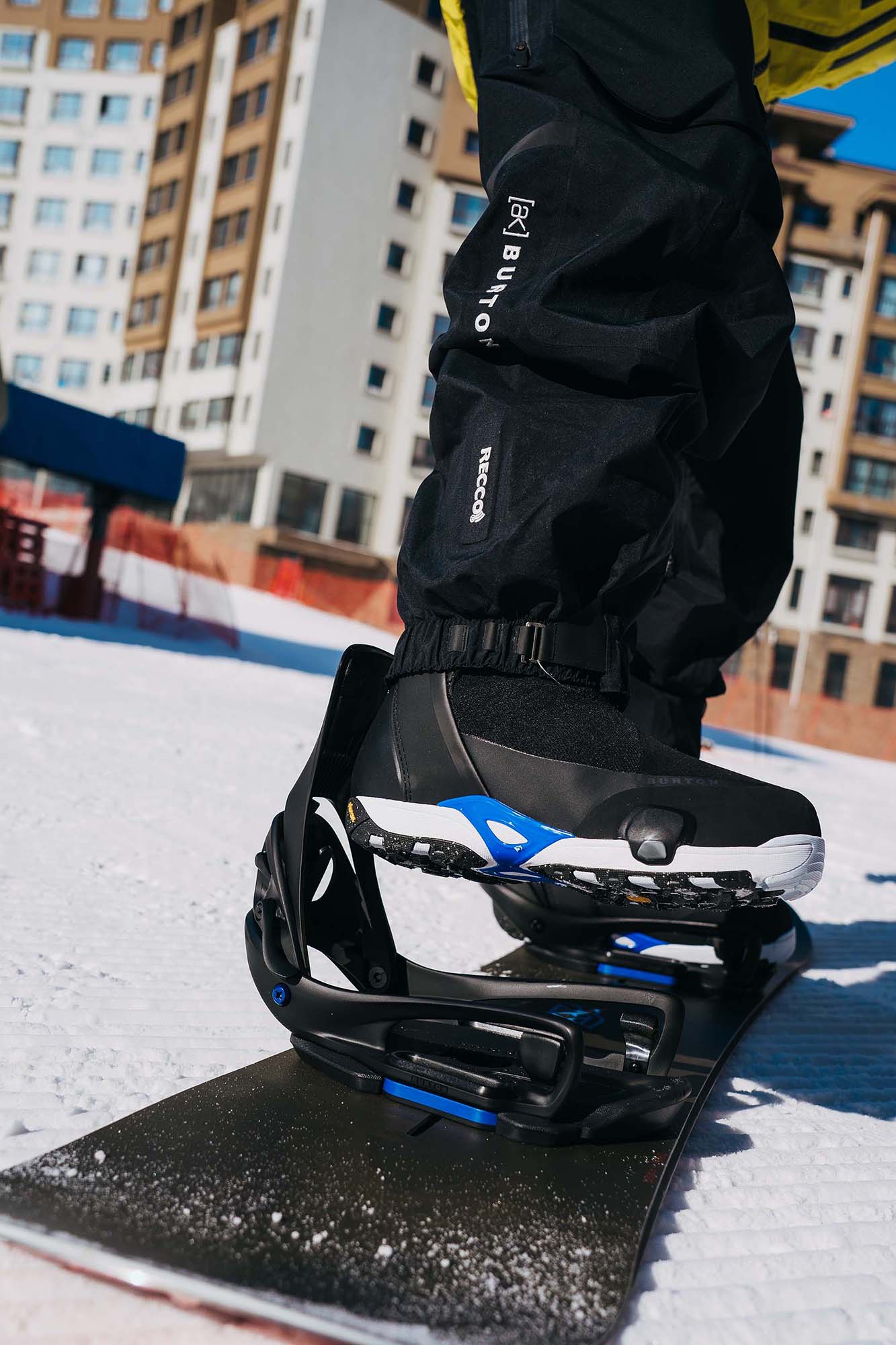
Different step-on systems exist. Each has specific boot needs. Know the common systems before buying.
- Dedicated-brand step-on systems
- Often require boots labeled for that brand and model year.
- Boot soles include specific notches, clips, or plates.
- Universal-style step-on concepts
- Some third-party systems try to fit many boots.
- These still need a matching adapter or plate.
- Hybrid bindings
- Combine step-on convenience with adjustable fit.
- May accept more boot shapes, but still have limits.
When you ask “do step on bindings work with any boot,” you must think system by system. A binding made for one manufacturer rarely works with another without an adapter.

How to check compatibility: practical steps
Don’t guess. Here’s a clear checklist to verify if do step on bindings work with any boot in your case.
- Check the manufacturer’s compatibility chart.
- Find model-year notes and supported boot lists.
- Inspect the boot sole.
- Look for matching latches, studs, or mounting plates.
- Try a physical test.
- Click the boot into the binding before buying when possible.
- Ask the shop or dealer.
- They can confirm fit and show demo boots.
- Consider adapters carefully.
- Adapters can help but may change stance or safety ratings.
These simple checks avoid wasted money and unsafe setups. In my shop, most problems came from assuming a new boot would click into an old step-on system.

Benefits of step-on bindings when boots match
When the boot and binding are compatible, step-on systems offer real advantages.
- Fast entry and exit
- Helpful for city lifts, short runs, or backcountry transitions.
- Consistent fit
- Less fiddling means more time riding.
- Reduced risk of snow build-up
- Sealed designs often shed snow better than toe straps.
However, these benefits only happen when the boot and binding are intended to work together. The phrase do step on bindings work with any boot is a common search because riders want the ease without checking fit.

Limitations, safety concerns, and common problems
Step-on bindings are great, but they come with limits. Know these before you commit.
- Not universal
- Many boots will not physically engage the binding.
- Wear and dirt can block latches
- Regular maintenance is required.
- Release characteristics differ
- Check DIN or release settings when relevant.
- Adapters may alter stance or strength
- They can reduce reliability if not designed well.
I once saw a rider force a non-compatible boot into a step-on binding. It looked like it fit, but it failed mid-run. That’s why asking “do step on bindings work with any boot” without inspection is risky.

How to choose boots and bindings that will work together
Follow a simple plan when shopping.
- Pick a binding system first
- Choose a trusted step-on system you like.
- Buy boots labeled compatible
- Look for manufacturer stamps or model lists.
- Test in person
- Click in and out multiple times on both feet.
- Check release and stance
- Confirm you can adjust settings you need.
- Keep paperwork and return options
- In case a swap is necessary.
This saves time and ensures the answer to “do step on bindings work with any boot” is a confident yes for your chosen components.

Installation, tuning, and maintenance tips
Even matched gear needs care. Follow these tips for best performance.
- Clean latches and boot soles before every season.
- Inspect for cracks or worn studs.
- Adjust release settings per your weight and skill.
- Tighten mounting screws and use thread locker if recommended.
- Replace worn parts promptly.
Small maintenance steps preserve safety and the click-in feel that makes step-on bindings appealing.
My experience: lessons learned and practical advice
I’ve fitted dozens of step-on setups in shops and tested them on varied terrain. Here’s what I learned.
- Buy boots made for the binding system. Trying to mix and match rarely ends well.
- Demo before you buy. A test click solves doubt fast.
- Be skeptical of claims that do step on bindings work with any boot. They usually need an adapter, and adapters have trade-offs.
- Keep older boots and bindings out of the same bin unless they’re listed compatible.
- For rental setups, step-on systems can speed turnover. For personal gear, they must match precisely.
One winter I rode an entire trip with a mismatched boot that felt secure. On the fourth day, a latch slipped. The lesson: initial fit can be misleading. Consistent secure engagement matters more than a single successful click.
PAA-style questions (People Also Ask)
Q: Will any snowboard boot click into step-on bindings?
A: No. Most step-on bindings only click with boots made for that binding system or with approved adapters.
Q: Can I use adapters to make them fit?
A: Yes, some adapters let non-compatible boots work. Adapters may change stance and weaken the mechanical connection.
Q: Are step-on bindings safe for aggressive riding?
A: They can be, if paired with compatible boots and correctly set release values. Always test release behavior before hard runs.
Frequently Asked Questions of do step on bindings work with any boot
Do step on bindings work with any boot model?
No. Most step-on bindings accept only boots designed for that system. Compatibility charts clarify which boot models are supported.
Can older boots be modified to fit new step-on bindings?
Modifications are risky and often void manufacturer warranties. Use approved adapters or buy compatible boots instead.
Are there universal step-on bindings that fit many boots?
Some systems claim wide fit, but they usually require adapters or have trade-offs in hold and release quality. Test before committing.
How can I test compatibility before buying?
Visit a shop and physically click the boot into the binding. Also review manufacturer lists and ask for a demo run if possible.
Will using an adapter affect my stance or release?
Yes. Adapters can change heel-to-toe position and may alter release characteristics. Adjust your setup and test thoroughly before riding hard.
Conclusion
Step-on bindings offer speed and convenience, but they do not magically work with every boot. The mechanical match between boot sole, latches, and binding design determines fit and safety. Use manufacturer charts, demo gear in person, and keep a strict maintenance routine. If you want the easiest path, buy boots and bindings designed for each other — your rides will be smoother and safer.
Take action: check your gear now, test a click-in at a shop, or plan a purchase that pairs boots and bindings properly. Leave a comment with your setup or questions — I’ll help you check compatibility.

Rubel Miah is the Senior Editor at MyStyleGrid.com, where he brings a sharp editorial eye and an unshakable love for fashion to everything he does. A true style addict, Rubel lives and breathes trends, from streetwear to high fashion, and has a knack for turning inspiration into impactful stories. With years of experience in fashion journalism and digital media, he curates content that empowers readers to express themselves through style. When he’s not editing features or forecasting the next big thing, you’ll find him hunting down vintage pieces or capturing street style moments around the city.