Pick polarized, UV400, wraparound sunglasses with floatation for clear vision and eye protection.
I’ve spent years testing gear on oceans, lakes, and rivers. In this guide I’ll show you how to pick sunglasses for water sports with clear, practical steps. You’ll learn which lens types cut glare, which frames stay put, and how to balance safety, comfort, and budget. Expect research-backed tips, real-world experience, and exact features to look for when buying sunglasses for water sports.

Why the right sunglasses matter for water sports
Good sunglasses do more than look cool. They protect your eyes from UV rays, reduce glare from the water, and help you see hazards like rocks or other boats. Choosing the right sunglasses for water sports improves performance, reduces eye strain, and lowers the risk of long-term eye damage.
I’ve watched anglers miss strikes because of glare and seen surfers gain seconds of reaction time with better contrast. Pick sunglasses for water sports to protect your vision and to enjoy clearer, safer sessions on the water.

Key features to look for when choosing sunglasses for water sports
When you decide how to pick sunglasses for water sports, focus on a short list of features. These matter most on sunlit water.
- Polarization
- Cuts horizontal glare from the water. Look for true polarized lenses, not low-quality imitations.
- UV protection
- Choose lenses rated UV400. They block both UVA and UVB.
- Lens material
- Polycarbonate is light and impact resistant. Glass has great optics but can shatter.
- Wraparound fit
- Blocks light from the sides and stays more secure during motion.
- Floatation or floatable accessories
- Floating frames or straps prevent total loss if they fall in.
- Anti-fog and hydrophobic coatings
- Help water bead off and keep vision clear.
- Impact resistance and standards
- Check for ANSI or equivalent safety ratings for high-speed impacts.
- Secure retention
- Adjustable straps or retainers keep glasses on in waves and wind.
People also ask:
Are polarized lenses necessary for water sports?
Polarized lenses drastically reduce surface glare and improve contrast. They are highly recommended for boating, fishing, and any activity on reflective water.
Will mirrored lenses help with glare?
Mirrored coatings reduce overall brightness and improve comfort in very bright conditions. They don’t replace polarization for removing horizontal glare.
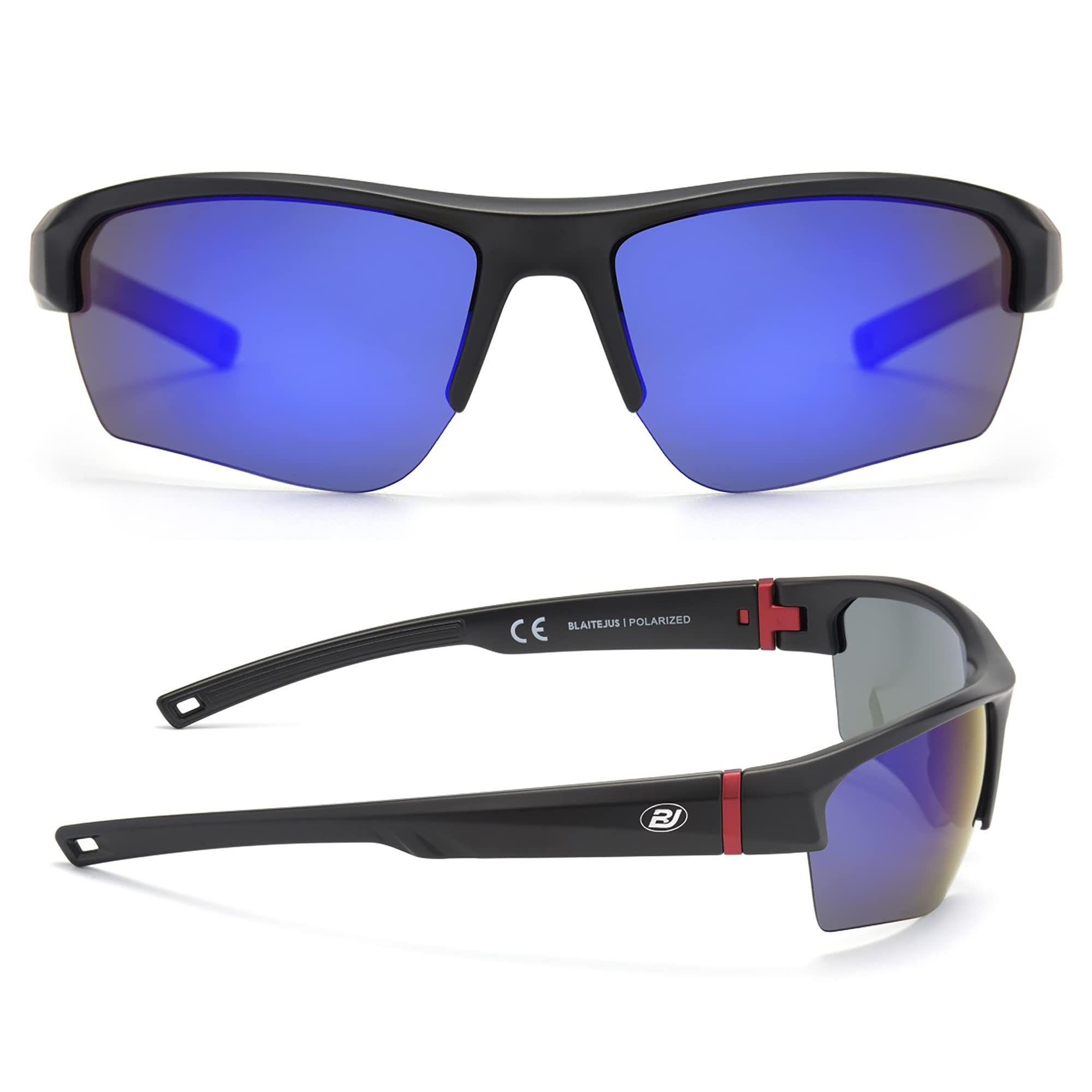
Lens types, colors, and coatings explained
Understanding lens options helps you match sunglasses to your sport.
- Lens types
- Polarized: eliminates reflected glare for clearer detail.
- Photochromic: darkens in bright sun; slower to change near water.
- Mirrored: reflects light and lowers brightness.
- Lens materials
- Polycarbonate: light, tough, good for active use.
- Trivex: similar to polycarbonate with slightly better optics.
- Glass: best clarity but heavier and riskier.
- Lens colors and uses
- Gray: true color, good for general use and bright sun.
- Brown/amber: boosts contrast, great for fishing and boating.
- Copper/rose: enhances depth and detail in low light or choppy water.
- Yellow: increases contrast in low light but not for bright sun.
Match lens color to your activity. For fishing, pick brown or amber to spot fish and structure. For high-speed boating, gray or mirrored lenses reduce eye fatigue. If you need to read LCD screens, consider lenses that don’t block too much contrast.
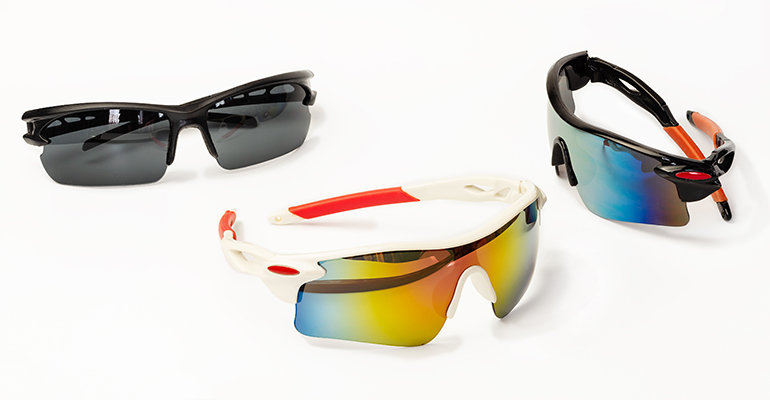
Frame styles, fit, and comfort
The right frame keeps lenses in position and your eyes safe.
- Wraparound frames
- Provide side coverage and stay stable in wind and waves.
- Semi-rimless frames
- Offer a wider downward view for spotting in the water.
- Nose pads and temple grips
- Silicone pads and rubberized temples increase grip when wet.
- Strap and retainer compatibility
- Choose frames that accept floating straps or retainers.
- Fit tips
- Try them on with a hat you normally wear. Move your head to test slippage.
- Frames should not press painfully but must not wobble.
I prefer medium wrap frames with a soft nose pad for kayak and SUP days. They stay put and are comfortable after hours on the water.
Practical buying guide: step-by-step
Follow these steps to simplify how to pick sunglasses for water sports.
- Define your primary activity
- Fishing, boating, surfing, paddleboarding, skiing on water — each has priorities.
- Prioritize lens features
- Start with polarized + UV400, then choose color and coatings.
- Choose frame fit and retention
- Test for comfort, grip, and compatibility with straps.
- Check materials and standards
- Prefer polycarbonate/trivex and verified safety ratings.
- Set a budget range
- Low: basic polarized polycarbonate. Mid: better coatings and fit. High: premium optics and replaceable lenses.
- Test before committing
- If you can, try on over water or test polarization by looking at reflections.
When I shop, I pick three frames and test them on a bright day. I wear them for 10–15 minutes and mimic strokes or throws to check fit. This test saves returns and money.

Care, maintenance, and must-have accessories
Protect your investment with proper care and a few accessories.
- Cleaning and storage
- Rinse salt and sand with fresh water. Wipe with a microfiber cloth.
- Anti-fog and hydrophobic care
- Reapply coatings as needed and avoid abrasive cleaners.
- Accessories
- Floating strap or retainer to prevent loss.
- Hard case for transport and soft pouch for quick protection.
- Replacement lenses if you want multiple tints for different light.
- Fixes and longevity
- Replace scratched lenses for safety. Tighten screws periodically.
I lost a pair once because I skipped a floating retainer. Now I always add one, even for brief sessions. That single habit saved me time and money.
Personal experience: lessons and common mistakes
Real lessons from years on the water.
- Mistake: buying cheap non-polarized sunglasses
- Result: more glare, worse vision, quicker eye fatigue.
- Mistake: ignoring floatation
- Result: lost sunglasses on a windy day.
- What worked
- Spending a bit more on mid-range polarized lenses gave better clarity and lasted years.
- Quick tip
- If you switch activities, keep one pair for fishing (amber/brown) and one for general boating (gray/mirrored).
I once used mirrored lenses while fishing and missed subtle contrast. Switching to amber made bites visible again. That changed how I choose lenses for each trip.

Frequently Asked Questions of how to pick sunglasses for water sports
How important is polarization for water sports?
Polarization is very important because it removes horizontal glare and reveals contrast on the water. It helps you spot hazards, fish, and navigation markers.
Can sunglasses float and still be protective?
Yes. Many frames float or have floatable straps and still offer UV protection and impact resistance. Always check product specs for certified protection.
What lens color is best for fishing?
Brown or amber lenses are best for fishing because they enhance contrast and make fish and structure easier to see. They work well in most light conditions on water.
Are photochromic lenses good for water activities?
Photochromic lenses adapt to light but can react slowly near water and may not darken fully inside boats or under a windshield. They are versatile but have limits for bright reflective water.
How do I prevent sunglasses from fogging?
Use anti-fog coatings, keep lenses clean, and ensure some airflow with semi-rimless designs. Avoid heavy breath directed at lenses and reapply anti-fog as needed.
Conclusion
Choosing the right sunglasses for water sports comes down to matching polarized, UV400 lenses and a secure, comfortable fit to your activity. Prioritize glare reduction, side coverage, and floatation to protect your vision and keep your gear. Try on multiple pairs, test them on the water if you can, and invest in a good strap and case. Take action: pick one reliable pair for your main sport and one backup for different light conditions — then get back on the water with better vision and more confidence.

Rubel Miah is the Senior Editor at MyStyleGrid.com, where he brings a sharp editorial eye and an unshakable love for fashion to everything he does. A true style addict, Rubel lives and breathes trends, from streetwear to high fashion, and has a knack for turning inspiration into impactful stories. With years of experience in fashion journalism and digital media, he curates content that empowers readers to express themselves through style. When he’s not editing features or forecasting the next big thing, you’ll find him hunting down vintage pieces or capturing street style moments around the city.