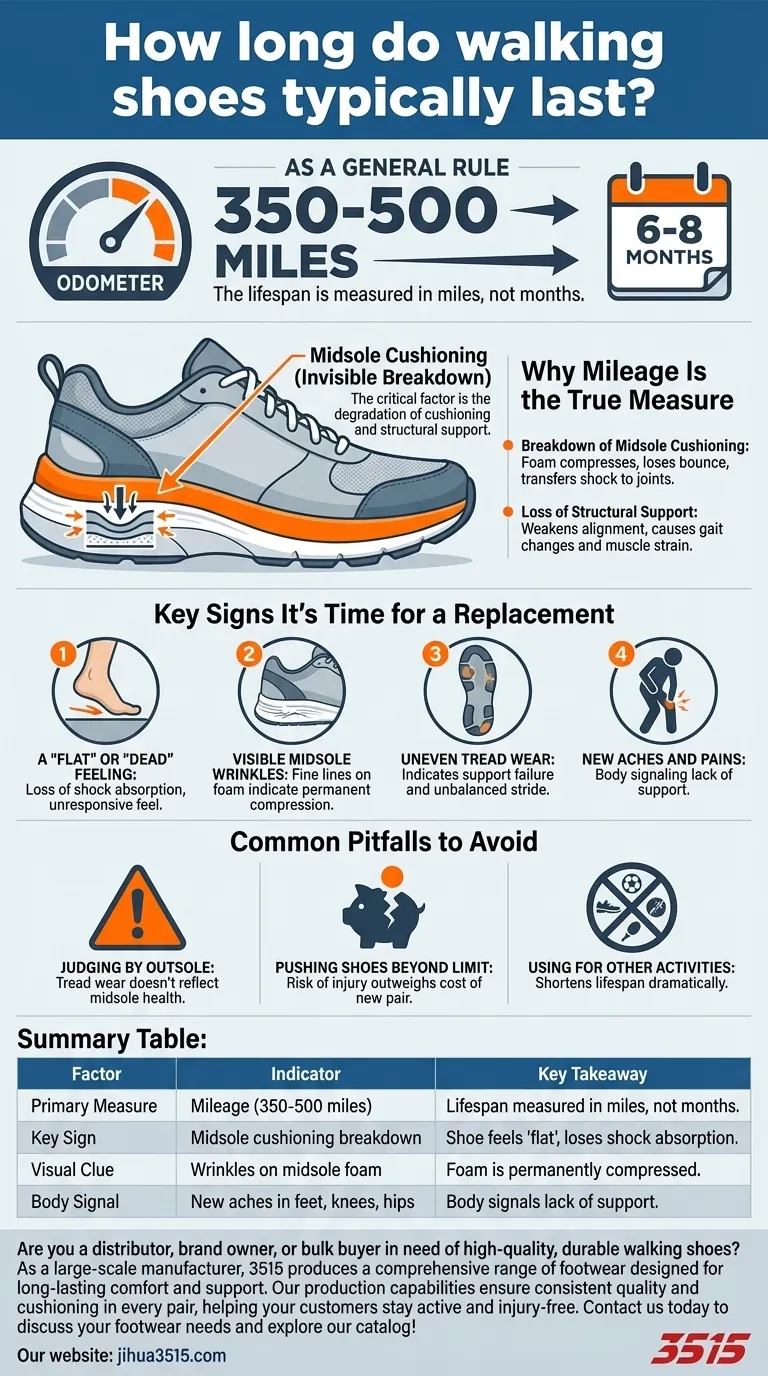
Most shoes last between 6 months and 5 years, depending on type and use.
I’ve spent years testing shoes, repairing soles, and helping friends decide when to replace them. In this guide I’ll explain how long do shoes last for different types, what wears them out, signs you need new ones, and simple steps to stretch their life. Read on for clear, practical advice you can use today.
What determines how long do shoes last
Several clear factors shape how long do shoes last. The main ones are materials, use, and care. Shoes with high-quality leather or sturdy rubber soles often outlast cheap fabrics and foam. Heavy use like daily running or outdoor work shortens lifespan fast.
Other factors include your weight, gait, and the surfaces you walk on. Wet climates and salt can break down glue and leather. Poor fit causes extra bending and faster wear. I learned this after wearing the same cheap sneakers for daily walking and seeing them fail in six months while a better pair lasted three years.
Typical lifespan by shoe type
Here are common estimates so you can judge how long do shoes last by type.
- Running shoes
- 300 to 500 miles, or about 6 to 12 months for regular runners.
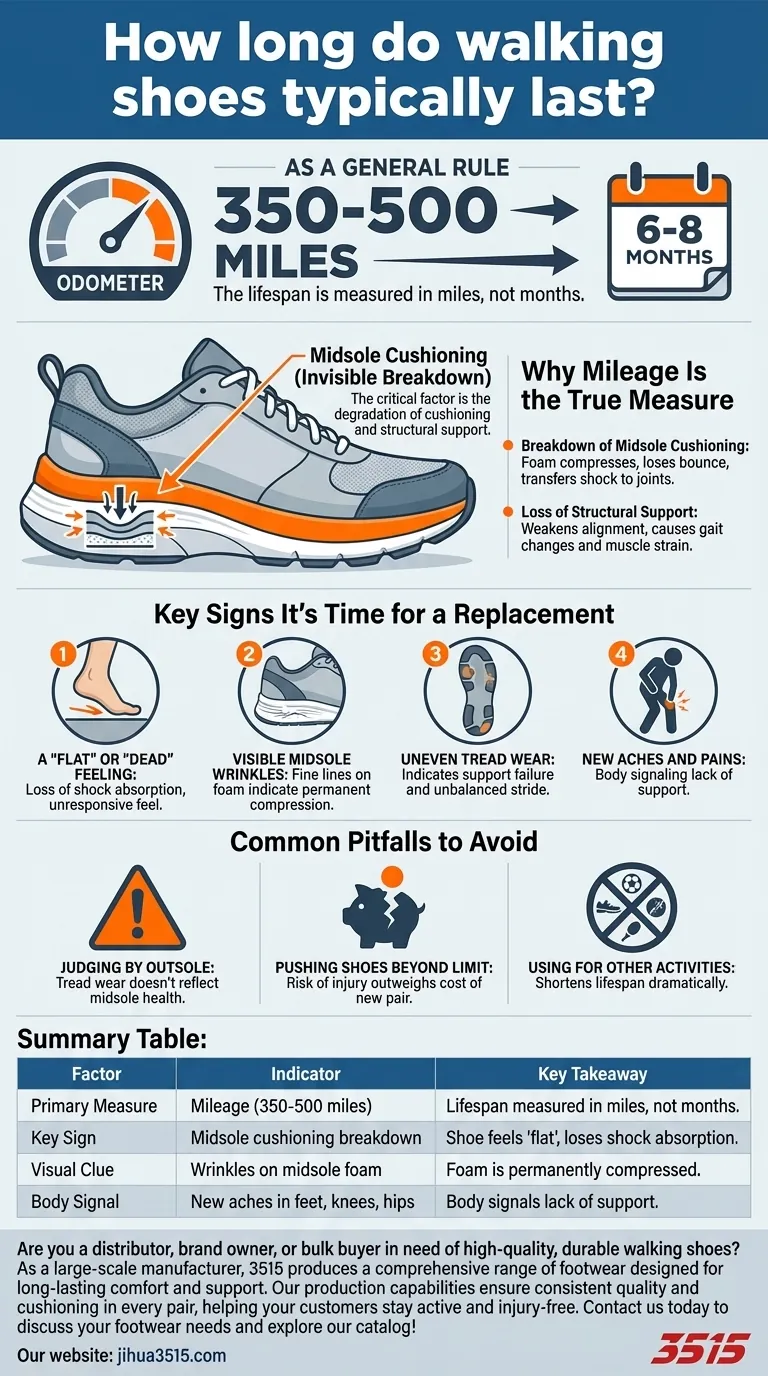
- Walking shoes
- 12 to 18 months with daily use, longer with rotation.
- Casual sneakers
- 1 to 3 years depending on materials and wear pattern.
- Leather dress shoes
- 2 to 5 years, much longer if resoled and well cared for.
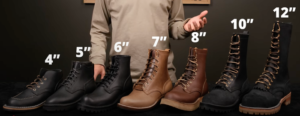
- Boots (work or hiking)
- 1 to 5 years based on work severity and resoling.
- Sandals and flip-flops
- 6 months to 2 years; foam sandals degrade quickly.
- Kids’ shoes
- A few months to a year, since kids grow fast.
These ranges answer the basic question of how long do shoes last, but they are only guides. Track wear and comfort to make the best call.

Signs your shoes need replacing
Knowing the signs helps you act before pain or injury starts. Watch for these clear signals that show how long do shoes last for your pair.
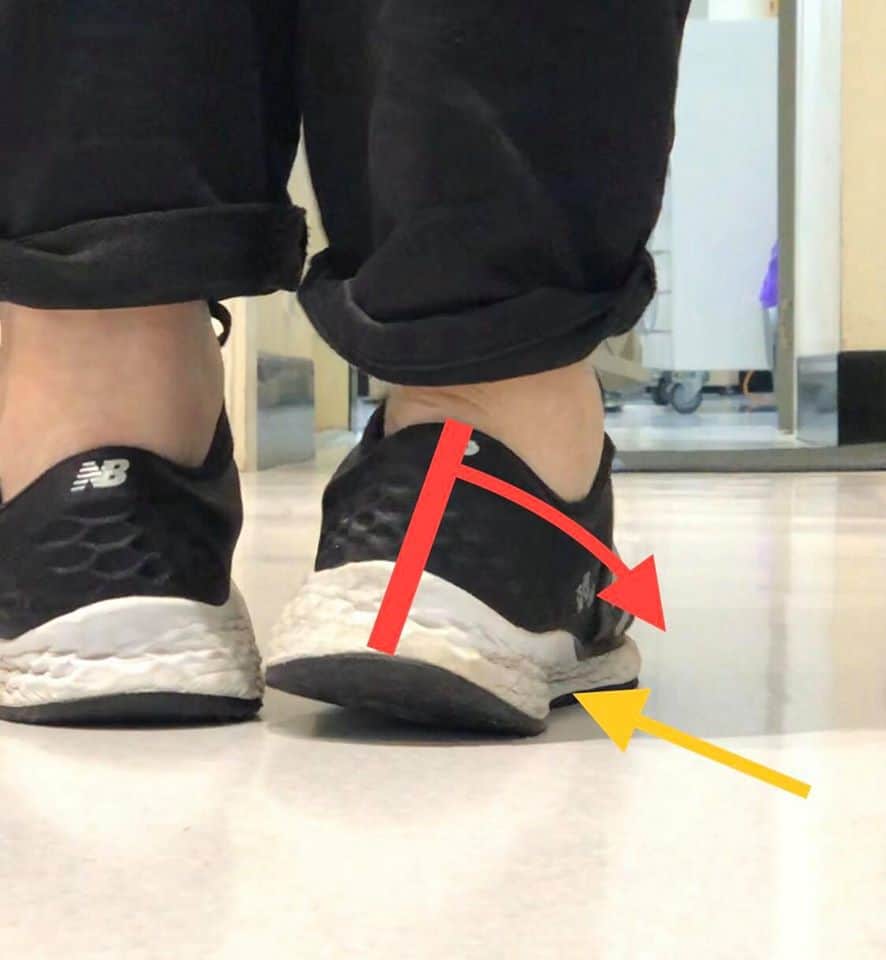
- Crushed or thin midsole cushioning, especially in running shoes.
- Outsole worn smooth or holes visible in the sole.
- Upper separation: glue or stitching coming apart.
- New aches or pain in feet, knees, hips, or back after wearing shoes.
- Uneven wear pattern on the sole indicating gait changes.
I once ignored midsole compression in a pair of running shoes. After a month of knee pain I swapped them out and the pain eased. Small signs matter.

How to extend shoe life
If you care about how long do shoes last, simple habits help a lot. Try these practical steps.
- Rotate shoes
- Use at least two pairs on a regular basis to allow materials to recover.
- Clean and dry properly
- Remove dirt, dry at room temperature, and avoid direct heat.
- Use insoles
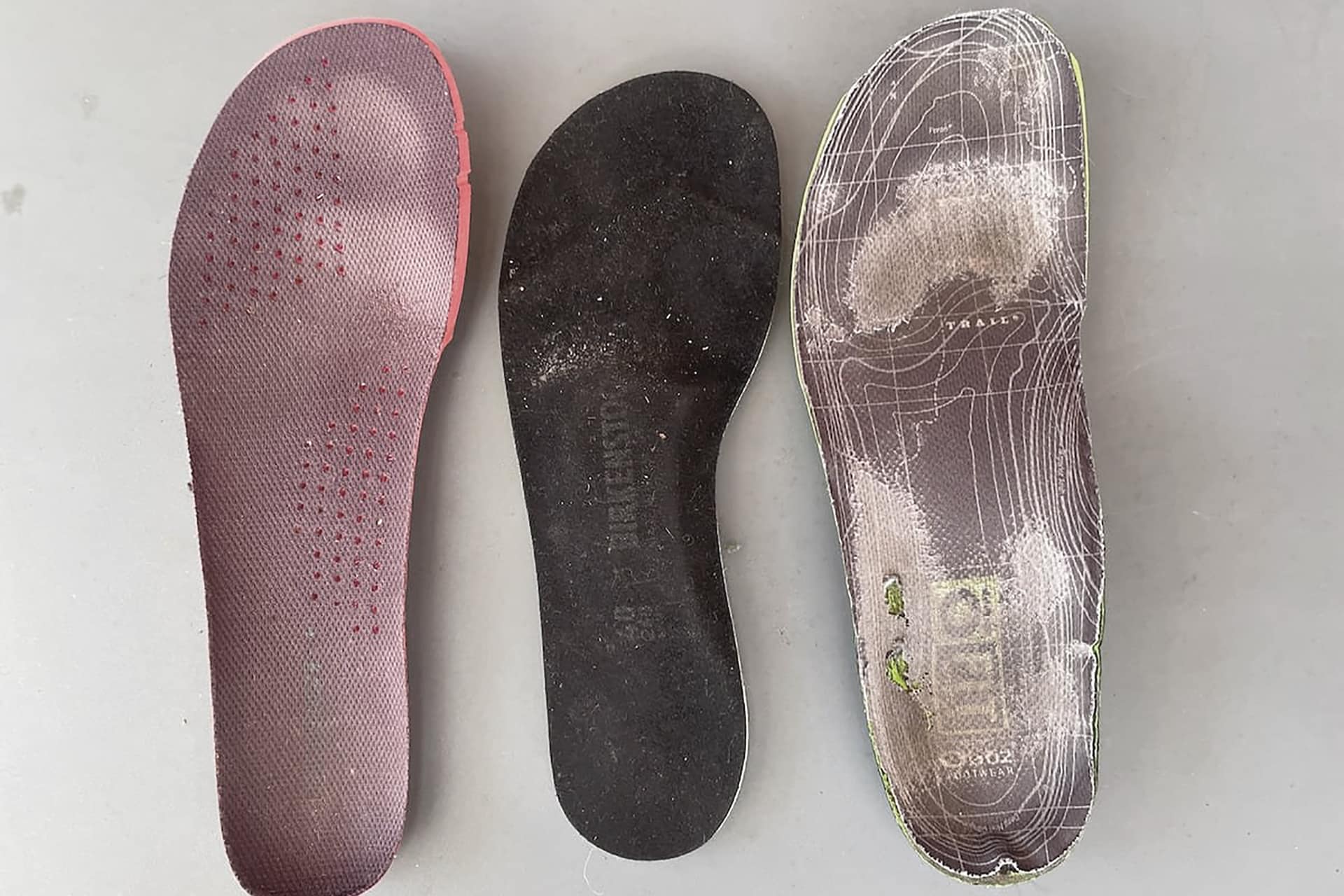
- Replace insoles to refresh fit and cushioning.
- Resolve and repair
- Get soles replaced on leather or high-quality shoes to add years.
- Store correctly
* Use shoe trees for leather and keep shoes in a cool, dry place. - Buy the right shoe for the activity
- Use hiking boots for trails and running shoes for runs.
From my experience, rotating two good pairs cut my running shoe replacement rate by half. Little effort buys big life.

How long do running shoes last — a deeper look
Running shoes are the most common shoe people ask about when they ask how long do shoes last. The usual rule is 300 to 500 miles. That range depends on runner weight, running form, and road type.
Lighter runners on softer trails may hit 500 miles before performance drops. Heavier runners or shoe users on rough pavement may need new shoes closer to 300 miles. Track your miles with an app or calendar and check cushioning and outsole every 50 miles. Switching shoes every other run also helps the foam recover and can extend life.

PAA-style questions (short answers)
How long do shoes last if you wear them every day?
- Daily wear typically reduces shoe life to 6–18 months, depending on type and build quality.
Can resoling make shoes last longer?
- Yes. High-quality leather shoes and boots often last many years if resoles are done before the sole fails.
Does shoe material matter for longevity?
- Absolutely. Full-grain leather and thick rubber soles usually last longer than thin synthetics and foam.
Will insoles extend the life of shoes?
- They can. Insoles take pressure off the original padding and improve comfort, delaying replacement.
Is it okay to dry wet shoes with heat?
- No. High heat damages glue and materials. Air dry at room temperature instead.
My personal experience and tips
I’ve worked with cobblers and tested many brands. Two lessons stand out.
- Buy fit and quality over fashion. A well-made shoe that fits saves money long term.
- Track use. I log miles for running shoes and dates for work boots. That simple habit prevents buying out of panic.
Once I learned to resole good leather shoes, I kept a favorite pair for five years. The cost of resoling was far less than replacing premium shoes yearly.
When to replace vs. when to repair
Decide by checking structure and cost. Repair if:
- The upper is solid and only the sole is worn.
- The shoe is high quality and worth the repair cost.
Replace if:
- The midsole is compressed or cushioning is gone.
- Multiple parts fail—upper, midsole, and outsole.
- The shoe causes pain or changes your gait.
Repairs add life. Replacement prevents injury. Both choices depend on how long do shoes last for the pair in question.
Frequently Asked Questions of how long do shoes last
How often should I replace my running shoes?
Replace running shoes every 300 to 500 miles, or when cushioning and support feel reduced. Tracking miles helps you time replacements.
Can shoe rotation really help?
Yes. Rotating shoes lets foam recover and cuts wear, often extending overall life by months or more.
Do more expensive shoes last longer?
Generally yes, but not always. Better materials and construction often last longer, but care matters too.
Are shoe repair services worth it?
For leather and higher-end shoes, resoling and stitching repairs are cost-effective and extend shoe life by years.
What happens if I wear worn-out shoes?
Worn shoes can cause pain, poor posture, and injury. Replace them to avoid long-term issues.
Conclusion
Shoes do not last forever, but you can make smart choices to get the best lifespan. Know how long do shoes last for your shoe type, watch for wear signs, rotate pairs, and repair when it makes sense. A little attention saves money and keeps you comfortable.
Take action today: inspect your current shoes, track their use, and decide whether to repair or replace. If you found this useful, leave a comment or subscribe for more practical shoe care tips.

Rubel Miah is the Senior Editor at MyStyleGrid.com, where he brings a sharp editorial eye and an unshakable love for fashion to everything he does. A true style addict, Rubel lives and breathes trends, from streetwear to high fashion, and has a knack for turning inspiration into impactful stories. With years of experience in fashion journalism and digital media, he curates content that empowers readers to express themselves through style. When he’s not editing features or forecasting the next big thing, you’ll find him hunting down vintage pieces or capturing street style moments around the city.