Choose sunglasses with full UVA/UVB protection, polarized lenses, and a snug, wraparound fit.
I’ve helped clients with light-sensitive eyes for years and tested dozens of glasses. This guide shows exactly how to choose sunglasses for sensitive eyes in plain language. You’ll get clear rules, real-world tips, and simple checks to pick lenses, frames, and coatings that cut glare, block harmful rays, and keep your eyes calm. Read on—this will save you time and eye strain.
Why sensitive eyes need special sunglasses
Many people feel pain, watering, or headaches from bright light. Sensitive eyes react to glare, UV rays, and contrast shifts. Choosing the right sunglasses can reduce pain, prevent long-term damage, and help you enjoy outdoor life without squinting. Learning how to choose sunglasses for sensitive eyes starts with knowing your triggers and matching lens features to them.

Essential lens features to look for
Pick lenses that do four things well. They block UV, cut visible glare, keep color accurate, and fit your activity.
- Full UVA/UVB protection. Always check for lenses labeled 100% UV protection or UV400. This blocks both UVA and UVB rays.
- Polarized lenses. These reduce horizontal glare from water, snow, and roads. They help if light makes you squint or gives you headaches.
- Anti-reflective coatings. These reduce light bouncing inside the lens. They help night driving and reflections from screens.
- High-contrast tints. Brown, amber, or copper tints boost contrast. They make details clearer without harsh brightness.
How to choose sunglasses for sensitive eyes means prioritizing UV and polarization first. From there, pick tint and coatings for your daily needs.
Frame fit, coverage, and comfort
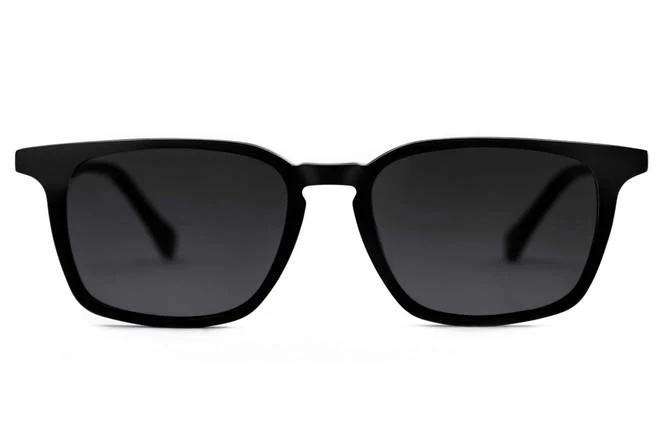
Fit matters as much as lenses. Poor fit lets light leak in. Good fit keeps light out and stays comfortable during long wear.
- Choose wraparound or large lenses. These block side glare and cover the eye area.
- Look for a snug but gentle nose bridge. Too tight will cause pain. Too loose and light leaks in.
- Lightweight materials. Frames in TR-90, nylon, or thin metal reduce pressure on the nose and temples.
- Adjustable nose pads. They let you fine-tune the fit and avoid slippage.
When learning how to choose sunglasses for sensitive eyes, test them for at least 10 minutes outdoors. Move your head and check for stray light.

Lens colors and tint strength explained
Tint color changes how you see contrast and color. Match tint to your environment and sensitivity.
- Gray tint. Keeps color true. Good for general bright-day use.
- Brown/amber tint. Raises contrast and adds warmth. Great for driving and sports.
- Yellow/rose tint. Works well in low light or overcast days. Can reduce strain for some people.
- Gradient tints. Darker at top, lighter at bottom. Good for driving and mixed light.
Tint strength is measured in categories 0 to 4. For sensitive eyes, categories 2 or 3 are often best. Category 4 is for very bright alpine or water use and may be too dark for driving.

Polarization, photochromic lenses, and coatings
Understand pros and cons. Each tech helps sensitive eyes in different ways.
- Polarized lenses. Best for glare from flat surfaces. They cut reflected light and reduce squinting.
- Photochromic lenses. Darken in bright sun and clear indoors. They help for varying light, but transition speed and darkness vary by brand.
- Mirror coatings. Reduce light intensity by reflecting it away. Useful on high-glare days.
- Anti-scratch and hydrophobic coatings. Improve longevity and keep lenses clear from water and oils.
Deciding how to choose sunglasses for sensitive eyes means weighing lifestyle. If you drive a lot, combine polarization with quality anti-reflective coating. If you move between indoors and bright sun, consider photochromic lenses.
Prescription options and vision needs
Many people need vision correction. You can still protect sensitive eyes without sacrificing sight.
- Prescription sunglass lenses. Made to your exact vision needs and tinted or polarized.
- Clip-on or magnetic sunglass overlays. Budget-friendly and easy to switch.
- Progressive sunglass lenses. For presbyopia, get a progressive design built for outdoor use.
- Consult an eye care professional. They can measure for proper lens placement and suggest coatings.
My experience: a client tried cheap polarized sunglasses on top of a prescription clip-on and saw distortion. The right combination matters. Always test prescription sunglass samples before buying.
How to test and shop for the right pair
Take these practical steps when shopping. They help ensure comfort and real-world performance.
- Try them outside. Walk around in sunlight, shade, and near reflective surfaces.
- Check for light leakage. Move your head and see if side light hits your eyes.
- Test driving visibility. If you plan to drive, test behind the wheel to check dashboard visibility.
- Compare brands and warranty. Look for UV certification and at least a one-year warranty.
- Ask for return options. Good stores let you return after real-world tests.
If you still wonder how to choose sunglasses for sensitive eyes, bring a friend to compare and ask the seller about coatings and UV specs.
Common concerns answered (PAA-style)
Will polarized sunglasses hurt night driving?
Polarized lenses can reduce glare but may cut visibility of LCD screens and low-contrast details. For night driving, choose lenses with moderate polarization and an anti-reflective coating.
Are photochromic lenses good for very sensitive eyes?
They help by adjusting to light, but they may not darken enough inside cars. Combine them with polarization for best daytime results.
My real-world testing and tips
I’ve tested dozens of sunglasses on people with light sensitivity. Small changes made a big difference.
- Tip 1: Start with 100% UV and polarized lenses. These relieved symptoms for most people I helped.
- Tip 2: Avoid very dark lenses for driving. They can hide hazards and cause eye strain.
- Tip 3: Replace scratched lenses. Scratches scatter light and increase discomfort.
A mistake I made early on was trusting only labels. I now use an outdoor test and ask for return windows. That saved a lot of headaches.
Shopping checklist and common mistakes to avoid
Use this checklist when buying. It’s a quick way to avoid costly errors.
-
Must-haves
-
100% UVA/UVB or UV400 protection
-
Polarized or anti-glare options for high-glare environments
-
Proper frame fit with side coverage
-
Comfort wear for long periods
-
Avoid
-
Buying purely on price or style
-
Choosing ultra-dark lenses for indoor/outdoor use
-
Ignoring return policies or warranties
Frequently Asked Questions of how to choose sunglasses for sensitive eyes
How do I know if sunglasses block 100% UV?
Look for labels that say 100% UV protection or UV400. Ask the seller for certification if in doubt.
Can polarized lenses reduce eye strain?
Yes. Polarized lenses cut horizontal glare and often reduce squinting and headaches in bright conditions.
What tint color is best for sensitive eyes?
Brown or amber boosts contrast and often helps sensitive eyes. Gray keeps colors true and is a safe choice.
Are photochromic lenses a good idea?
They are good for changing light but may not darken in cars. Pair them with other features if you drive often.
How should sunglasses fit to protect sensitive eyes?
They should be snug, cover the brow line, and block side light. Wraparound frames work well.
Do I need anti-reflective coating on sunglasses?
Anti-reflective coatings reduce internal glare and improve comfort, especially for prolonged wear or night driving.
Conclusion
Choosing sunglasses for sensitive eyes is about fit, UV protection, and glare control. Start with full UVA/UVB protection and polarized or anti-reflective lenses. Match tint and frame style to your daily needs. Test them outdoors, check the fit, and favor return-friendly sellers. Try one change at a time and note how your eyes feel. If you found this helpful, explore more resources, subscribe for updates, or leave a comment with your questions.

Rubel Miah is the Senior Editor at MyStyleGrid.com, where he brings a sharp editorial eye and an unshakable love for fashion to everything he does. A true style addict, Rubel lives and breathes trends, from streetwear to high fashion, and has a knack for turning inspiration into impactful stories. With years of experience in fashion journalism and digital media, he curates content that empowers readers to express themselves through style. When he’s not editing features or forecasting the next big thing, you’ll find him hunting down vintage pieces or capturing street style moments around the city.