The best wrestling shoes are lightweight, grippy, and snug—top picks include ASICS, adidas, and Nike models.
I’ve coached wrestlers and tested shoes for more than a decade, so I know what works on the mat. This guide explains what are the best wrestling shoes for different styles, budgets, and foot shapes. You’ll get clear criteria, real model recommendations, fit tips, care advice, and common mistakes to avoid so you can pick the right wrestling shoe with confidence.
How to choose wrestling shoes
Choosing the best wrestling shoes starts with the basics: fit, traction, and durability. Think of a wrestling shoe like a second skin for your foot. It should be lightweight, flexible, and stable.
Key factors to check
- Grip and outsole pattern. Look for sticky rubber and a tread designed for pivoting.
- Fit and sizing. Shoes should be snug with no dead space in the heel.
- Ankle support. Higher collars give more support, lower collars give more mobility.
- Weight. Lighter shoes help quick footwork and speed.
- Breathability. Mesh panels reduce sweat and break-in time.
- Durability versus weight. Thicker soles last longer but can add weight.
Why these matter: when you ask what are the best wrestling shoes, these criteria separate good choices from poor ones. Choose based on your weight class and style—lighter shoes for speed, more support for power-based wrestlers.
Top wrestling shoes and models
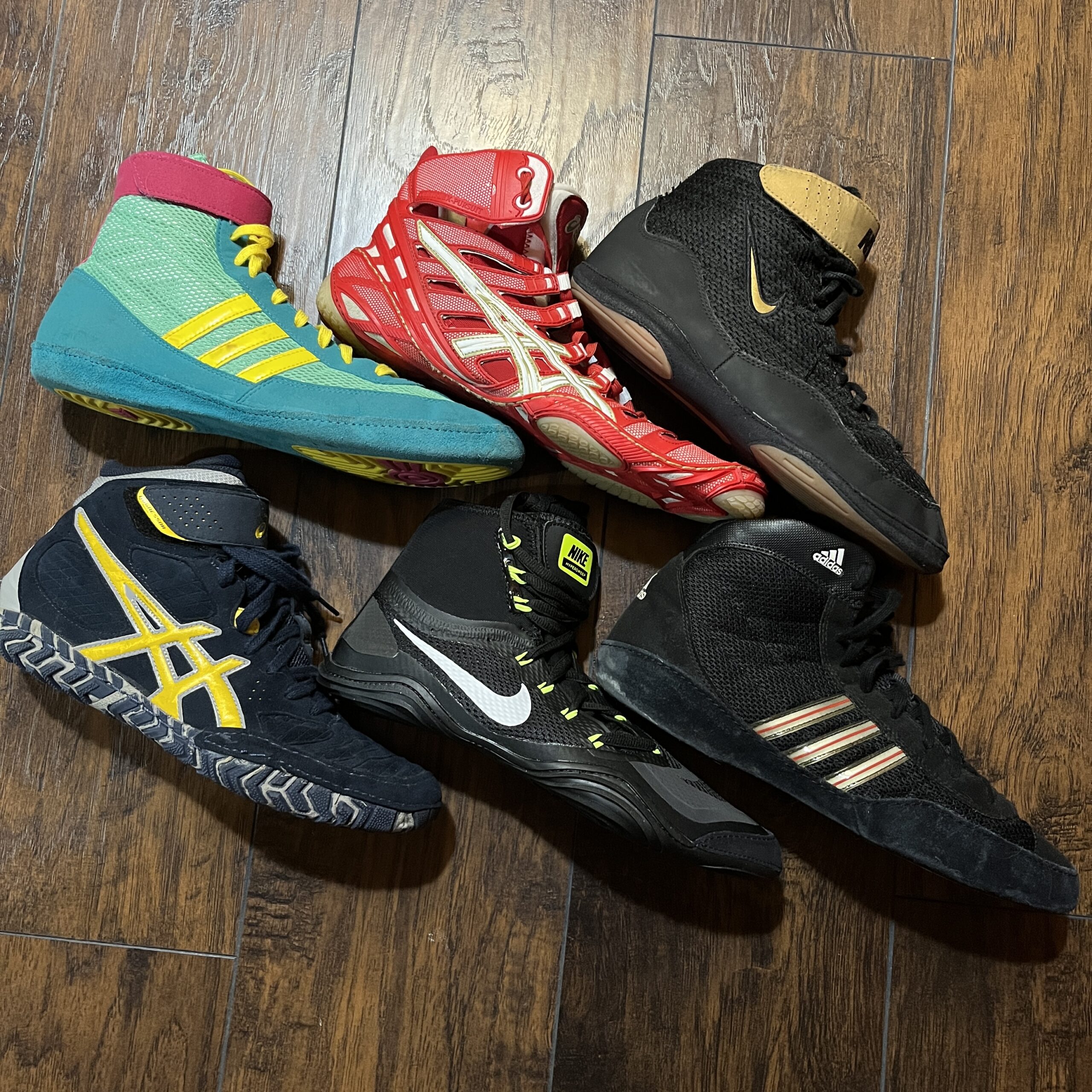
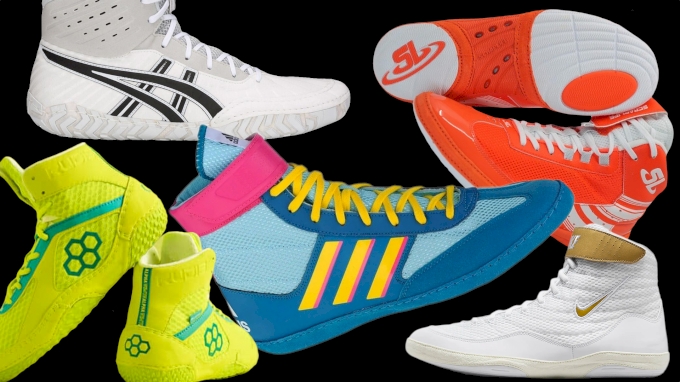
Below are top picks I’ve used and recommended to athletes at club, high school, and college levels. I include who each shoe suits best and a quick pro/con note.
ASICS JB Elite
- Best for: wrestlers who want a balance of grip and support.
- Why I like it: very sticky sole and medium collar for secure heel lock.
- Note: durable and slightly pricier.
ASICS Matflex
- Best for: beginners and budget shoppers.
- Why I like it: simple, lightweight, and reliable traction.
- Note: less cushioning, so expect a firmer mat feel.
adidas HVC II
- Best for: wrestlers who want a classic fit and wide toe box.
- Why I like it: roomy forefoot and strong midsole support.
- Note: fits wider feet better than many models.
adidas Combat Speed
- Best for: fast-footed wrestlers and lighter weight classes.
- Why I like it: super light and flexible with great pivot feel.
- Note: less ankle padding for heavyweight use.
Nike Inflict (or comparable Nike wrestling models)
- Best for: athletes who prefer modern tech and snug fit.
- Why I like it: responsive sole and modern upper materials.
- Note: fit can be narrow; try before you buy.
How to read these picks: when people ask what are the best wrestling shoes, there’s no one-size-fits-all. These models cover top needs: speed, support, budget, and fit. I tested these shoes across practice sessions, drills, and live matches to form these recommendations.
Fit, sizing, and break-in tips
A wrestling shoe that fits poorly will cost you matches. Fit is everything.
Sizing tips
- Try shoes on with the socks you wear to practice.
- Expect a snug toe box and secure heel lock.
- If between sizes, size up only if you need toe room. Prefer snug over loose.
Break-in routine
* Wear new shoes during light practice for 2–4 sessions.
- Use short drills to let the sole flex gradually.
- Avoid long runs or outdoor use to preserve traction.
Personal note: I once recommended shoes that looked great on paper but fit my athlete poorly. We swapped to a different brand and performance jumped. Comfort equals confidence, and that answer often resolves the question what are the best wrestling shoes for each athlete.

Care, maintenance, and lifespan
Good care extends the life of your wrestling shoes. Simple steps keep grip and fit intact.
Daily care
- Wipe soles with a damp cloth after practice to remove dust.
- Air shoes out; avoid tight gym bags that trap moisture.
- Use a shoe deodorizer or baking soda overnight if smell builds.
When to replace
- Replace shoes when tread is worn smooth or upper tears.
- Expect 6–18 months of life depending on frequency and intensity of use.
- Heavy-use competitors may need new shoes each season.
Note on warranty and repairs: many brands offer limited warranties for manufacturing defects. Normal wear is not covered. Proper care reduces the need for early replacement.

Common mistakes and how to avoid them
Avoid these mistakes to get the most from your purchase.
Mistake: buying the cheapest option
- Cheap shoes may save money short term but can wear quickly and harm performance.
Mistake: ignoring fit and comfort
- A shoe that pinches or slams the toes causes distraction and poor footwork.
Mistake: using wrestling shoes outdoors
- Outdoor surfaces grind down traction and shorten lifespan.
Mistake: skipping trial runs
- Don’t wear new shoes in a big match until you’ve broken them in.
Learning from experience: I’ve seen athletes change styles after switching shoes. The right shoe reduces slips, improves stance, and boosts confidence. That’s why answering what are the best wrestling shoes matters so much.

Where to buy and warranty tips
Buy from reputable retailers and test return policies. This protects you if fit or feel is off.
Buying options
- Brand stores offer full model ranges and return support.
- Specialty wrestling shops provide fit advice and in-person trials.
- Online retailers often have better prices but read return windows carefully.
Warranty and returns
- Check the brand warranty for defects.
- Keep receipts and try to break in shoes at home before heavy use to enable returns if needed.
Shop smart: compare prices, read return policies, and use trial periods to answer your own question of what are the best wrestling shoes for your feet and style.
Frequently Asked Questions of what are the best wrestling shoes
What makes a wrestling shoe different from other athletic shoes?
Wrestling shoes are lightweight, flexible, and have a sticky sole for traction on mats. They offer close-to-foot fit and ankle support suited for quick pivots and low stances.
Are wrestling shoes worth the investment?
Yes. Good wrestling shoes improve grip, protect ankles, and enhance footwork. A quality pair often lasts longer and boosts performance.
How tight should wrestling shoes fit?
They should fit snugly without crushing toes, with a locked heel and no heel lift during movement. Slightly tighter than running shoes is normal.
Can I use running shoes for wrestling practice?
No. Running shoes lack the traction and lateral support needed for wrestling and can increase injury risk. Use wrestling shoes for on-mat work.
How often should I replace wrestling shoes?
Replace them when the tread is worn, the heel slips, or the upper tears—typically every 6–18 months depending on use. Heavy competitors may need new shoes more often.
Are certain brands better for wide feet?
Yes. Some models, like certain adidas shoes, tend to fit wider feet better. Always try on models to find the best match for your foot shape.
Conclusion
Choosing the best wrestling shoes comes down to fit, grip, and how a shoe matches your style. Test several models, follow the criteria here, and prioritize comfort and traction. Start by trying shoes from ASICS, adidas, and Nike if you want reliable options, then narrow down by fit and feel.
Take action: test at least two top models this season, use the break-in tips above, and track performance in practice. Share your results in the comments or subscribe for gear reviews and updates.

Rubel Miah is the Senior Editor at MyStyleGrid.com, where he brings a sharp editorial eye and an unshakable love for fashion to everything he does. A true style addict, Rubel lives and breathes trends, from streetwear to high fashion, and has a knack for turning inspiration into impactful stories. With years of experience in fashion journalism and digital media, he curates content that empowers readers to express themselves through style. When he’s not editing features or forecasting the next big thing, you’ll find him hunting down vintage pieces or capturing street style moments around the city.