Boots should fit snug at the heel and allow a little toe room, not be loose all over.
I’ve fit hundreds of boots and tested many brands. I’ll explain how boots should feel, when some looseness is okay, and when loose means trouble. This guide covers types of boots, how to measure, common fit problems, fixes, and real-world tips you can use right now. Read on to learn whether are boots supposed to be loose and how to get the right fit every time.

Why fit matters
Fit is more than comfort. It affects safety, gait, and how the boot wears. A boot that is too loose can cause blisters, ankle rolls, and poor control. A boot that is too tight can cut circulation and cause pain.
Knowing whether are boots supposed to be loose depends on the use. Work boots and hiking boots need a secure fit. Fashion boots and winter boots can allow a bit more room. When you know how a boot should fit, you avoid early wear and foot problems.

How boots should fit by type
Different boots have different needs. Below are simple rules for common types.
Work boots
Work boots must feel secure. Heel slip should be minimal. You need firm support for heavy tasks.
Hiking boots
Hiking boots should hold your heel and let toes move on descents. A little toe room prevents black toenails on long hikes.
Casual and fashion boots
Casual boots can be slightly roomier for comfort. Too loose and they look sloppy and may trip you.
Winter boots
Winter boots need space for warm socks. Add about a half size if you wear thick socks or insulated liners.
Cowboy and riding boots
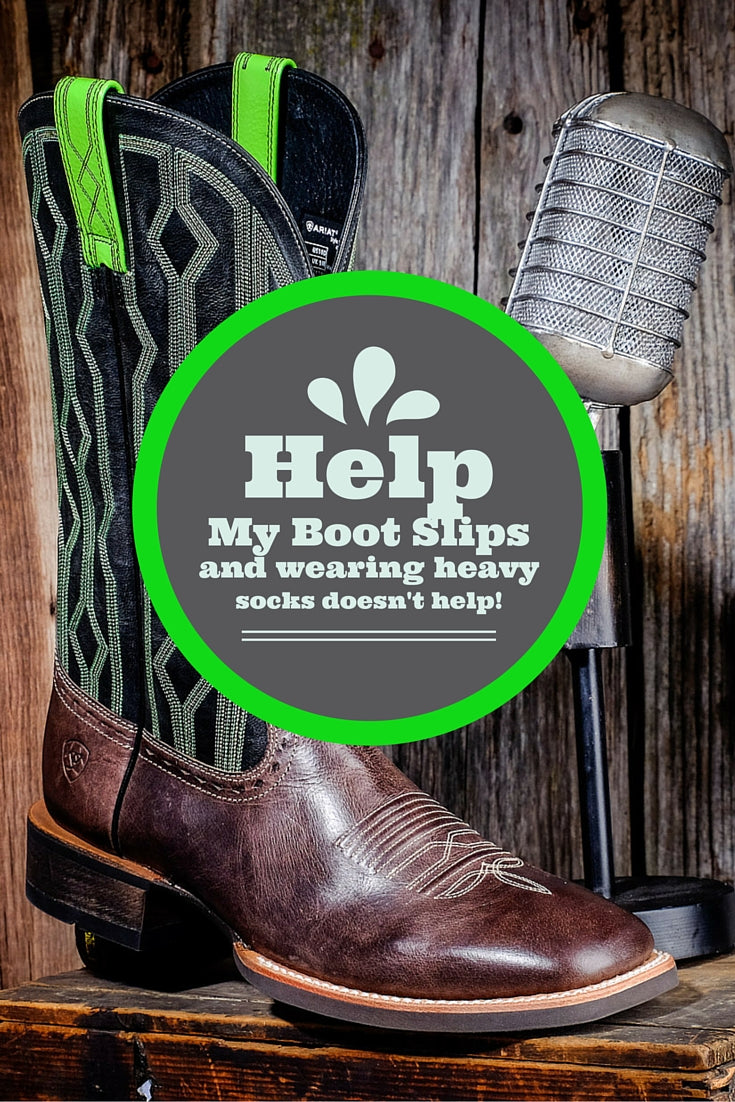
These should fit snug around the arch and heel. Too loose ones will slip when you mount or ride.
Whether are boots supposed to be loose depends on the boot type and use. Fit rules change with activity and sock thickness.
Measuring and trying on boots
Good fit starts with measuring and testing. Follow these steps.
- Measure both feet while standing. Use the larger foot for sizing.
- Try boots in the afternoon. Feet swell during the day.
- Wear the socks you plan to use. Thin and thick socks change fit a lot.
- Check heel slip. One finger of space is OK. More can cause blisters.
- Check toe room. Press to the front and ensure about a thumb’s width of space.
- Walk on different surfaces in the store. Laces and buckles should secure the foot.
PAA question: How much room should be in the toe?
A good rule is about a thumb’s width from longest toe to the boot front when standing. This allows toes to move on descents and with thick socks.
PAA question: Is heel slip bad?
A little heel slip on first try is normal. Consistent heel slip means the boot is too loose and may cause blisters or instability.
Whether are boots supposed to be loose starts here. Measure well and test movement, not just how the boot looks.

Common fit problems and fixes
Fit problems are common. Here are quick fixes you can try.
- Heel slip
- Fix with tighter lacing, heel lock knot, or padded heel inserts.
- Tight toe box
- Try a half size up or use wide-width options. Some leather boots can be stretched.
- Pressure points on top of foot
- Loosen laces, use different lacing patterns, or add thin insoles.
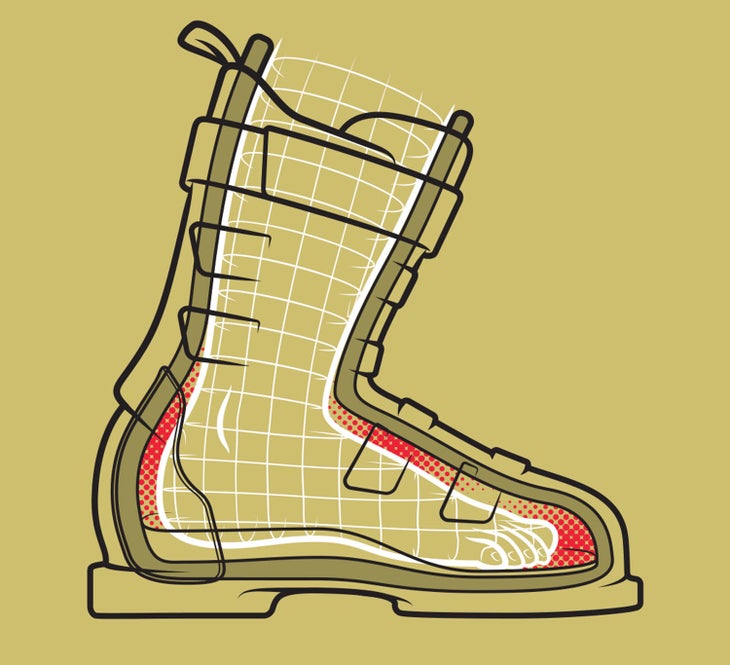
- Too loose across midfoot
- Gel insoles or thicker socks can fill space and prevent slippage.
- Calf or shaft too tight
- Choose different shaft width models or use a boot stretcher.
If repeated fixes fail, swap to another brand or size. A boot that stays loose after adjustments will cause wear and injuries.

Break-in, care, and adjustments
New boots change shape. Proper care can improve fit and comfort.
- Break-in slowly. Wear new boots for short periods and increase time.
- Use leather conditioner for softening stiff leather. This helps molding.
- Professional stretching can add width in key areas.
- Insoles can raise the foot to reduce heel slip. Replace old insoles when worn.
- For waterproof boots, dry them gently. Heat can damage glue and change fit.
Remember that a boot that is slightly stiff is not the same as a boot that is too loose. You want the boot to mold to your foot, not let your foot slide around.
Personal experience and lessons learned
I once bought hiking boots that felt roomy in the store. They were "not tight" so I thought they were right. On a long trail day my toes hit the front and I lost a toenail. I learned to test boots by walking downhill. That simple test saved me from more mistakes later.
Another time I used a heel lock knot and a thin insole to fix a boot that felt loose at the heel. The fix worked for months and kept me stable on rough ground. From fitting many boots, I now know that are boots supposed to be loose is not a one-size answer. Fit is personal and task-based.
Practical tips I use often:
- Try multiple brands and sizes. Each fits differently.
- Bring your usual socks and orthotics when you try boots.
- Walk, climb stairs, and test laces before buying.
Frequently Asked Questions of are boots supposed to be loose
Are boots supposed to be loose for comfort?
Comfortable boots should feel snug in the heel and roomy at the toe. Too much looseness leads to blisters and instability.
How much heel slip is acceptable?
A small amount—about one finger width—is okay at first. More than that often causes rubbing and needs fixing.
Should hiking boots be tight or loose?
Hiking boots should fit snug at the heel and midfoot with slight toe room. That balance prevents blisters and black toenails.
Can I stretch boots that are too tight?
Leather boots can often be stretched by a pro or with a stretcher at home. Synthetic boots are harder to stretch and may need a different size.
Is it okay to size up for winter boots?
Yes. If you plan to wear thick socks or liners, sizing up a half size can help maintain comfort without creating harmful slop.
Conclusion
Boots are not meant to be broadly loose. The best fit holds your heel, supports your arch, and leaves a small amount of toe room. Knowing whether are boots supposed to be loose depends on boot type, activity, and sock choice. Test by walking, try fixes like insoles and lacing, and don’t be afraid to try another brand or size. Put these tips to use: measure, test, and adjust until the fit feels secure and natural. Share your experience or ask a question below, and consider subscribing to get more gear-fit guides.

Rubel Miah is the Senior Editor at MyStyleGrid.com, where he brings a sharp editorial eye and an unshakable love for fashion to everything he does. A true style addict, Rubel lives and breathes trends, from streetwear to high fashion, and has a knack for turning inspiration into impactful stories. With years of experience in fashion journalism and digital media, he curates content that empowers readers to express themselves through style. When he’s not editing features or forecasting the next big thing, you’ll find him hunting down vintage pieces or capturing street style moments around the city.