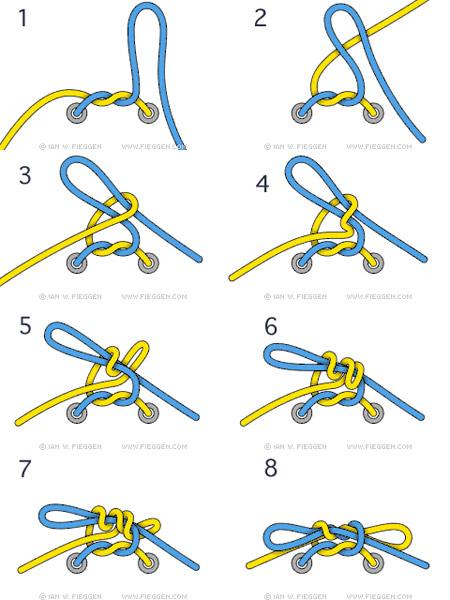
Tie a secure double knot (surgeon’s or Ian knot finish) and tuck the loops for extra hold.
I’ve spent years fixing shoes that came undone mid-day, on jobs, runs, and hikes. I’ll show you clear, tested ways to learn how to tie shoes so they don't come undone. You’ll get step-by-step knots, the best laces to use, common mistakes, and quick fixes you can use right now. This guide mixes hands-on tips and simple science so you leave confident your laces will stay tied.

Why laces come undone
Laces slip because of low friction, poor knots, or constant movement. Round, slick laces slide more than flat ones. A single simple knot can loosen as you walk. Shoes that move on your foot pull the knot, which works it loose over time.
Understanding how to tie shoes so they don't come undone starts with knowing the cause. Tightening tension unevenly or using the wrong knot invites failure. Fixing one small habit often stops the problem for good.
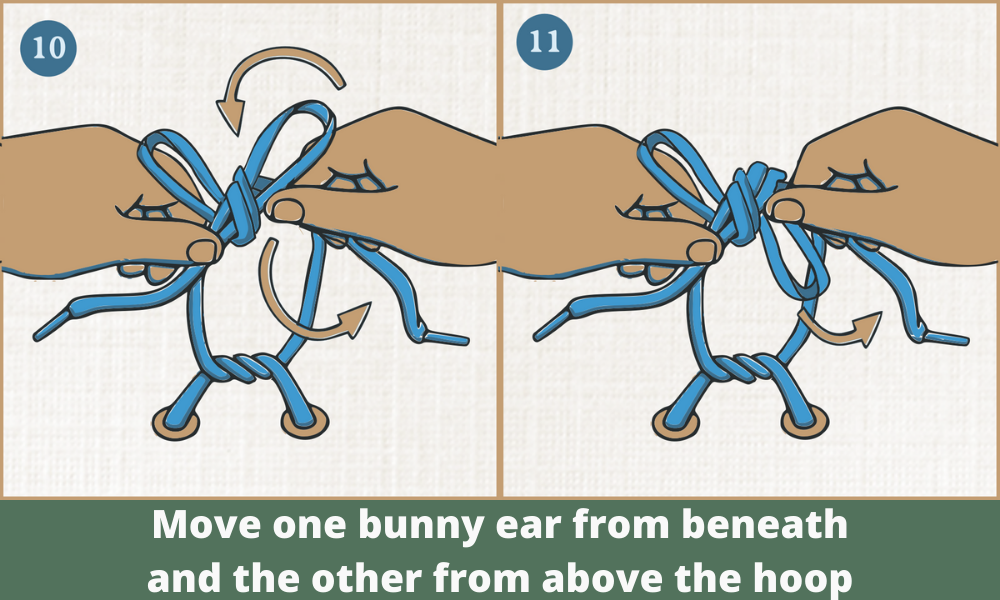
Best knots that stop laces from coming undone
Use knots designed to resist slipping. These knots work for most shoes and activities.
- Surgeon’s knot — Adds an extra wrap in the first throw to lock tension and stop slip.
- Double knot — Fast and easy; it reduces slippage by stacking knots.
- Ian Knot — Very quick and forms a stable bow if done correctly.
- Reef knot (with proper dressing) — Works well when laces are not slick.
- Heel-lock (runner’s loop) — Not a final knot, but locks the heel and reduces lace movement.
Each knot has pros and cons. The surgeon’s knot gives the most security for slippery laces. The double knot is the quickest option when you’re in a hurry. Learning one reliable knot and how to dress it beats changing knots often when solving how to tie shoes so they don't come undone.

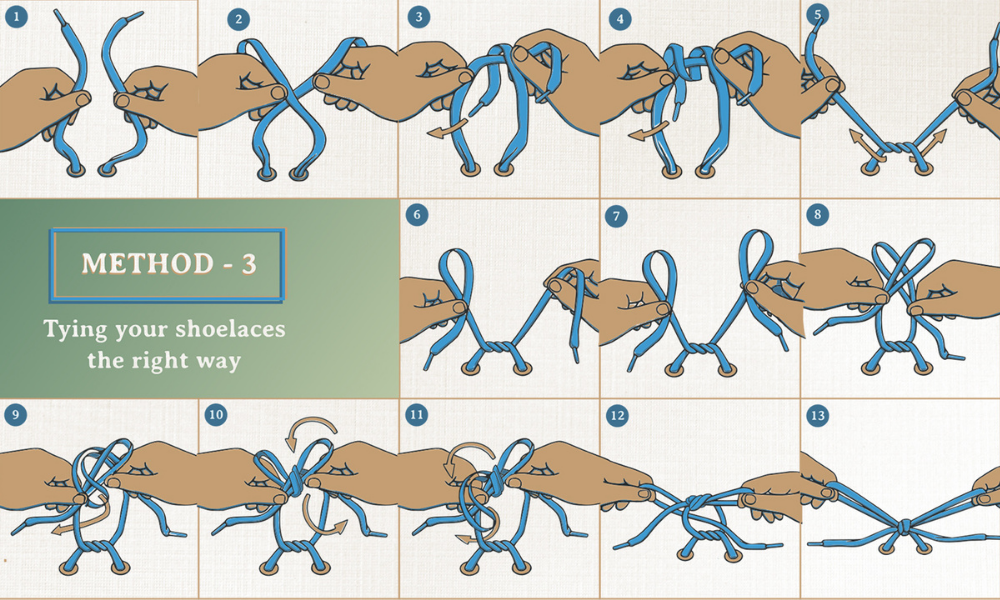
Step-by-step methods to tie shoes so they don't come undone
Below are clear steps you can follow. Practice a few times. Start with the surgeon’s knot and the Ian Knot—these are my go-to picks.
-
Surgeon’s knot (secure for slippery laces)
- Cross laces and pull tight as usual.
- Wrap one lace twice around the other for the first throw.
- Make the usual loop-and-loop bow.
- Pull both loops tight and finish with a single or double overhand.
- Tuck the loops under the knot or into the sides for extra hold.
-
Double knot (fast and reliable)
- Tie a normal bow.
- Take the two loops and tie them once more with an overhand knot.
- Pull snug. This reduces the chance the bow will pop.
-
Ian Knot (fast and neat)
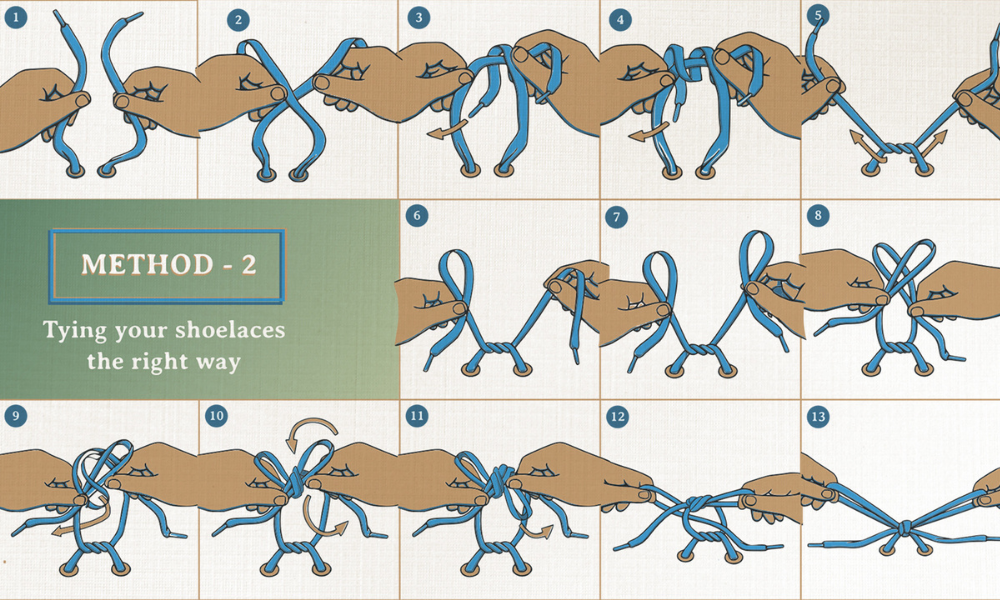
- Make small loops in each lace between thumb and forefinger.
- Cross the loops and pass each loop through the other.
- Pull both loops tight. It forms a tidy, secure bow once you practice it.
-
Heel-lock (runner’s loop) to reduce sliding
1. Use the extra eyelet on top of many shoes.- Thread laces so a loop forms on each side.
- Pass opposite lace through the loop and pull tight to lock the heel.
- Finish with your preferred knot.
Practice these steps a few times. Learning how to tie shoes so they don't come undone is mostly about muscle memory.
Lace types and materials that help
The lace you use makes a big difference. Choose laces that suit your activity.
- Flat cotton or polyester laces — Offer more friction and hold well.
- Waxed laces — Resist loosening and stay in place longer.
- Textured or rough laces — Increase grip inside the knot.
- Elastic laces — Remove the need to untie; handy for slip-on style.
- Thin round nylon laces — Often slippery; avoid for active use.
Selecting the right lace is a major part of how to tie shoes so they don't come undone. If your laces keep failing, swap them for waxed or flat ones first.

Common mistakes and quick fixes
People repeat small errors that let knots fail. Fix these and your laces will hold better.
- Leaving long loose tails — Trim or tuck tails to stop loops catching and working loose.
- Uneven tension — Pull each side equally when tying the bow to balance the knot.
- Using slippery laces with a simple knot — Use a surgeon’s knot or waxed laces instead.
- Not dressing the knot — Flatten and center the knot so it won’t roll or untwist.
- Ignoring shoe fit — If your foot slips, the knot is more stressed. Tighten fit with heel-lock.
Quick fix: tie a double knot and tuck the loops under the bow. It adds almost no time and prevents 90% of mid-walk failures.
Personal experience and pro tips
I once ran a charity 10K where my laces came undone twice in the first mile. After that run I switched to a surgeon’s knot and waxed laces. Problem solved. From years of doing fieldwork and daily runs, I learned these practical tips.
- Check your knot before starting any long activity.
- Learn the Ian Knot for speed and neatness.
- Keep a spare pair of laces in your bag if you travel a lot.
- For kids, teach the heel-lock and double knot to prevent constant reties.
- Use lace anchors or elastic for work boots and kids' shoes.
These tips come from real use. They show how to tie shoes so they don't come undone in different real-world settings.

People also ask
How long should shoelaces be to avoid coming undone?
Aim for laces that leave about 3–4 inches of tail after tying. Too long and they catch; too short and you can’t make a secure knot.
Does double-knotting damage laces?
Double-knotting adds more friction and stress, which can wear laces faster over years. For daily life it’s fine; for preserving laces, use waxed or higher-quality material.
Can I use glue or tape to keep laces tied?
Glue or tape can be a quick fix but may damage laces or shoes over time. Better solutions are waxed laces, elastic laces, or proper knots.
Frequently Asked Questions of how to tie shoes so they don't come undone
What is the simplest knot to prevent shoes from coming undone?
The double knot is the simplest and most reliable. Tie a normal bow, then tie the loops again to make it hold.
Will waxing my laces really help?
Yes. Waxed laces increase friction and slow slippage, making knots more secure on most shoes.
Is the Ian Knot better than a double knot?
The Ian Knot is faster and can be just as secure when done well. The double knot is easier to teach and nearly foolproof.
How do I stop laces from coming undone while running?
Use a surgeon’s knot or heel-lock technique and consider waxed or flat laces. Check tension before you run.
Are elastic laces a good solution?
Elastic laces are excellent for hands-free comfort and they prevent untying. They change fit slightly, so try them before using on long runs.
Can shoe fit affect knot security?
Yes. If your foot slides inside the shoe, the knot takes extra stress and loosens. Adjust fit first, then work on knots.
Conclusion
You can stop untied shoes by combining the right knot, the right lace, and a small routine check. Pick one method—surgeon’s knot, Ian Knot, or a clean double knot—and practice it. Swap to waxed or flat laces if slippage continues, and use a heel-lock when your foot moves inside the shoe. Try these steps for a week and notice the difference.
Take action now: practice one knot twice a day for a week. Share your experience or questions below and subscribe for more practical, tested tips on everyday problems.

Rubel Miah is the Senior Editor at MyStyleGrid.com, where he brings a sharp editorial eye and an unshakable love for fashion to everything he does. A true style addict, Rubel lives and breathes trends, from streetwear to high fashion, and has a knack for turning inspiration into impactful stories. With years of experience in fashion journalism and digital media, he curates content that empowers readers to express themselves through style. When he’s not editing features or forecasting the next big thing, you’ll find him hunting down vintage pieces or capturing street style moments around the city.