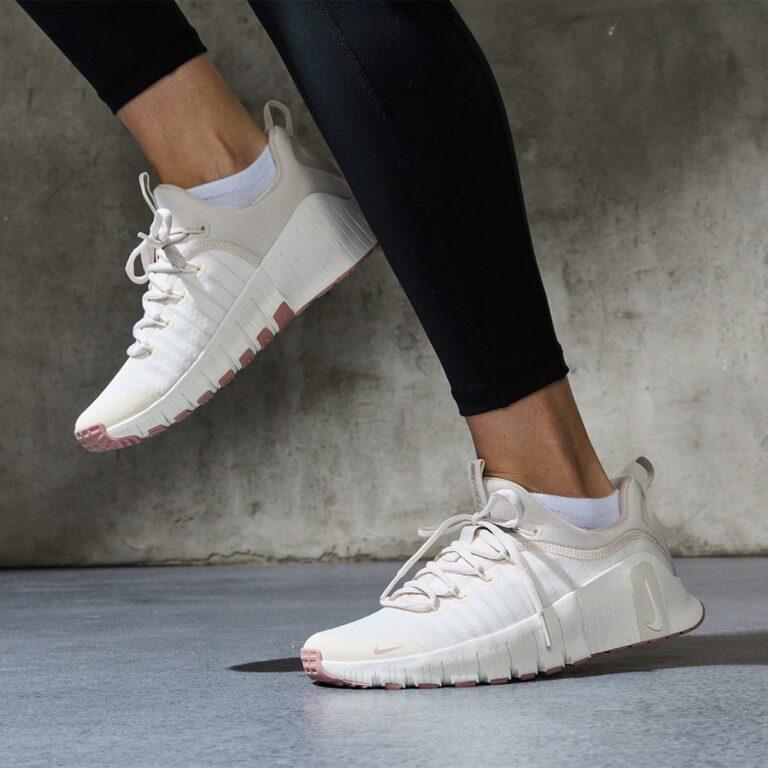
A cross training shoe is a versatile gym shoe designed for mixed workouts, lifting, and lateral movement.
I’ve spent years testing shoes with athletes and gym-goers, so I know what makes a great cross training shoe work. This article explains what is cross training shoe, how it differs from other athletic shoes, who should wear one, how to pick the right model, and practical tips from real-world use. Read on and you’ll understand the features, benefits, limits, and buying steps so you can choose the right shoe for your training.

What is a cross training shoe?
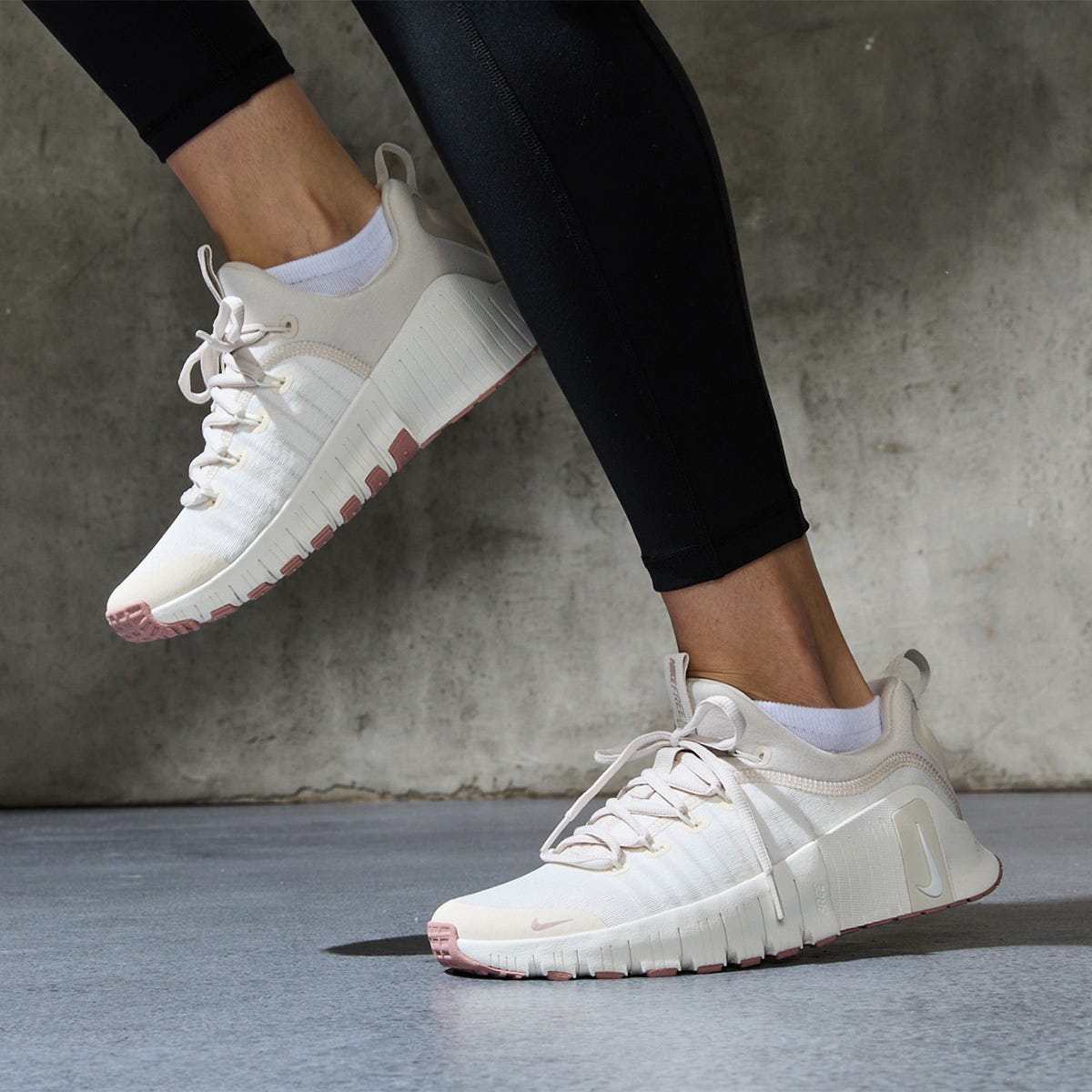
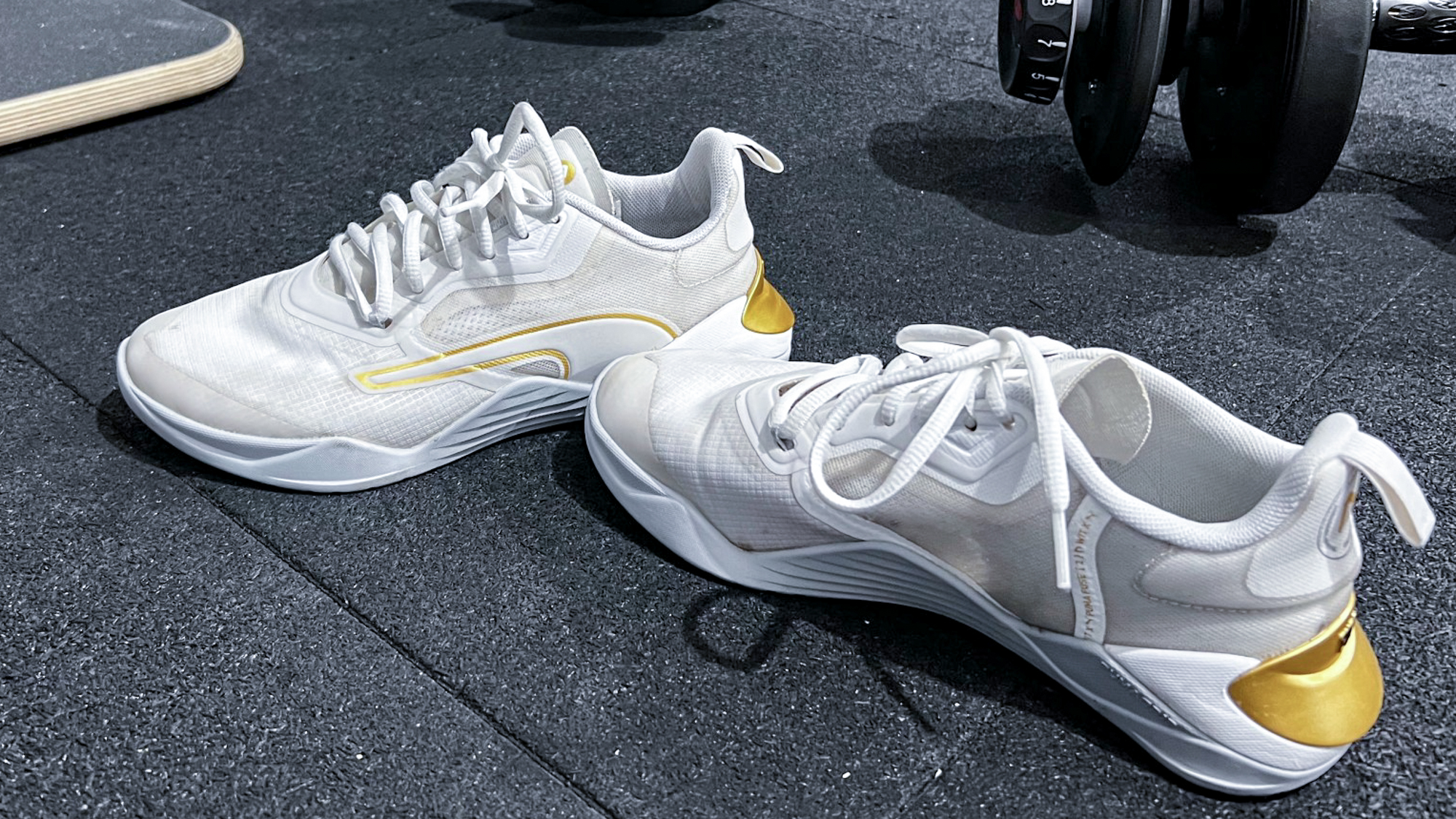
A cross training shoe is a multi-purpose athletic shoe built for varied workouts. It lets you do short runs, lift weights, jump, and do lateral moves in one pair.
This type of shoe balances cushioning, stability, and flexibility. It is not as cushioned as a running shoe. It is not as rigid as a specialized weightlifting shoe. Its design supports mixed sessions like circuit training, HIIT, bootcamp, gym classes, and casual sports. The phrase what is cross training shoe matters because many people buy shoes without understanding these trade-offs. Knowing what is cross training shoe helps you match footwear to your routine.
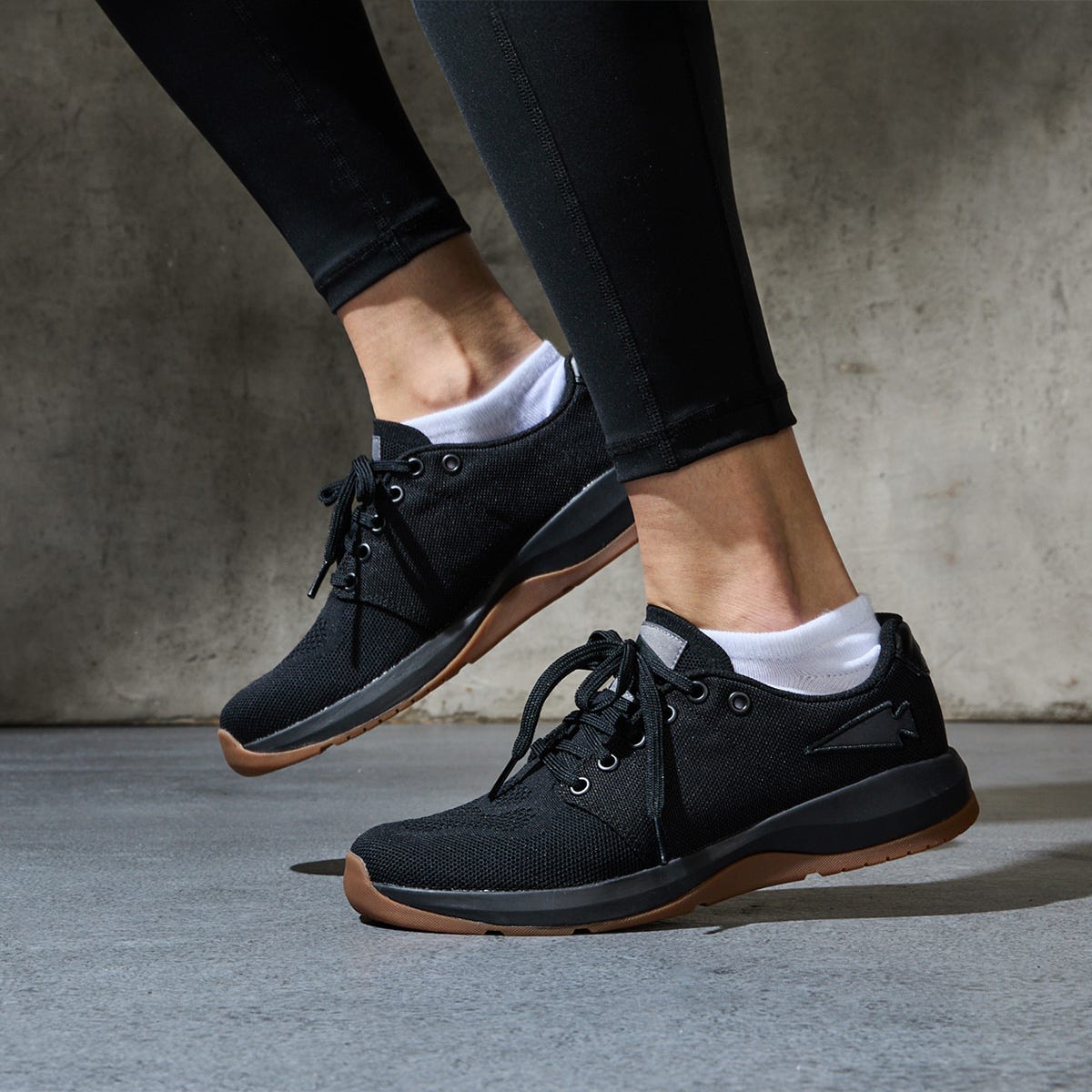
Key features and anatomy of a cross training shoe
Understanding the parts helps when you shop. Here are the main features that define what is cross training shoe.
- Midsole design: Provides balanced cushioning for short runs and jumps while keeping stability for lifts.
- Outsole and tread: Offers grip for quick cuts and traction on gym floors, often with multi-directional patterns.
- Heel height and drop: Moderate drop, usually 4–8 mm, giving a stable base for lifts and enough forward motion for sprints.
- Lateral support: Firmer sidewalls or reinforced uppers to handle side-to-side moves.
- Flexibility: Forefoot flex to allow jumps and jumps rope without excess stiffness.
- Toe box and fit: Roomy enough for toe spread but snug across the midfoot to prevent sliding.
- Weight: Lightweight enough for agility drills but not so light that it sacrifices support.
- Materials: Breathable mesh with supportive overlays or knit with structural components.
These parts explain why people ask what is cross training shoe when they need one pair for many activities. When you inspect a shoe, look for these features and try to match them to your workouts.
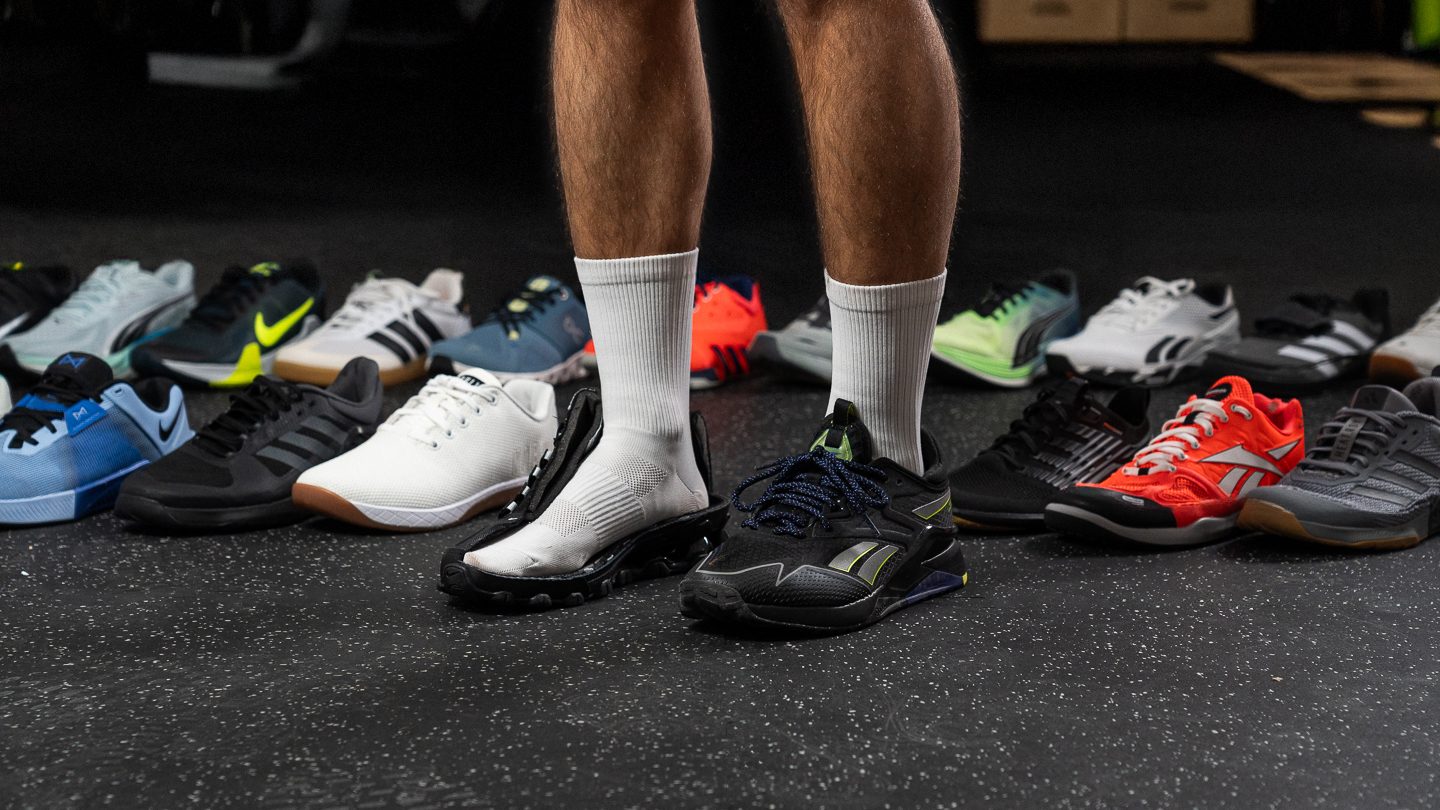
Benefits of using a cross training shoe
A cross trainer brings clear gains for mixed workouts. Here are practical benefits.
- Versatility: One shoe for strength training, HIIT, and short runs. This saves money and closet space.
- Stability for lifts: Firmer midsoles and lower heel squish than running shoes help you feel grounded during squats and presses.
- Protection for varied moves: Reinforced toes and lateral support reduce wear during side steps and plyometrics.
- Better grip in the gym: Outsoles made for indoor surfaces reduce slips during quick drills.
- Comfort for classes: Enough cushioning for aerobic work without compromising support for weight work.
From personal testing, I found cross trainers reduced foot fatigue during circuits. I used them for months when coaching group classes. The shoe held up to jumping, quick turns, and kettlebell sets. Lesson learned: choose a shoe with a firm midsole if you lift heavy, and one with better forefoot cushion if you do many jumps.

Limitations — when a cross trainer is not the best choice
Despite the perks, a cross training shoe is a compromise. Know the limits of what is cross training shoe.
- Not ideal for long-distance running: Cushion and heel stack are lower than running shoes.
- Not for serious weightlifting competitions: They lack the ultra-flat, rigid sole of dedicated lifting shoes.
- Not optimized for trail running or sport-specific play: Grip and protection may fall short off-road or for court sports.
- May feel heavy for sprint work: If you do a lot of sprinting, you may prefer lightweight running spikes or sprint shoes.
Be honest about your routine. If you run 8+ miles regularly, pick running shoes. If you lift maximal loads often, consider specialized weightlifting shoes.
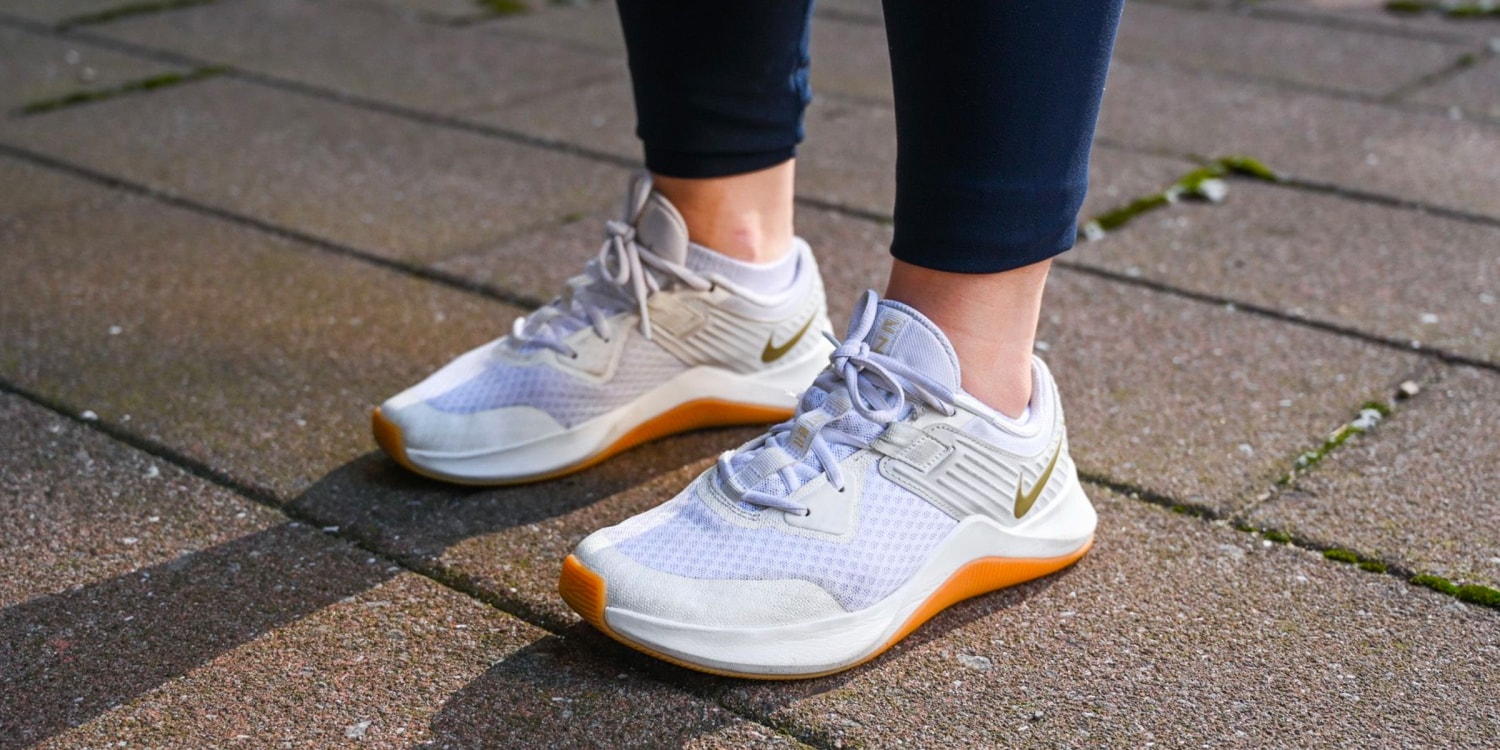
How to choose the right cross training shoe
Choosing well means matching shoe traits to training needs. Below is a simple step-by-step checklist to help you decide what is cross training shoe for your workouts.
- Identify your primary workouts
- If you lift and do short runs, aim for stability and moderate cushioning.
- If you do lots of jumping, prioritize forefoot cushioning and shock absorption.
- Check heel height and midsole firmness
- Look for a firm midsole if you lift heavy weights.
- Look for more responsive cushioning if you do plyometrics.
- Test lateral support and torsional rigidity
- Push sideways and twist the shoe to feel support. Good side support matters in lateral drills.
- Evaluate traction
- Try walking and doing quick cuts on the store floor. The tread should hold on smooth surfaces.
- Fit and sizing
- Leave a thumb’s width of space at the toe.
- Ensure the midfoot feels snug. Heel slip leads to blisters.
- Weight and breathability
- Lighter shoes are better for agility. Breathable uppers help in long classes.
- Try with the gear you use
- Test with the socks you wear and the types of workouts you do.
I always try shoes in-store with a short circuit: a few jumps, a quick jog, and a squat. This reveals how a shoe performs under mixed stress. If you can, rotate two pairs to extend life and performance.
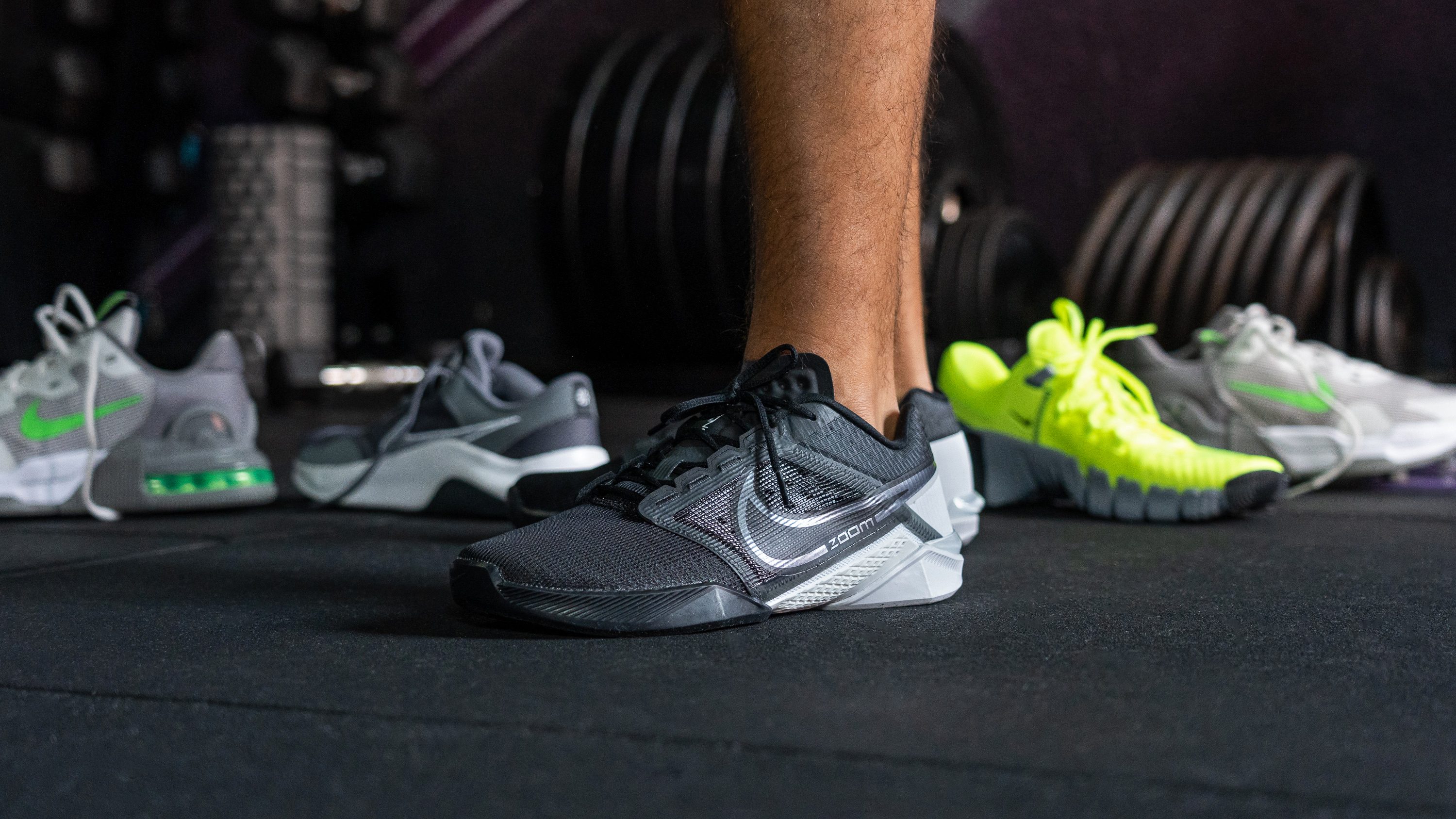
Caring for cross training shoes and expected lifespan
Good care keeps shoes working longer. Here’s how to maintain your cross trainers and how long to expect them to last.
- Clean regularly: Wipe mud and sweat off after workouts. Use mild soap and air dry.
- Avoid machine drying: Heat breaks down foam and glue.
- Rotate shoes: Wearing two pairs alternately helps foam recover and extends life.
- Watch wear patterns: Replace when cushioning feels flat or outsole is worn down.
- Typical lifespan: 6–12 months for frequent use, 9–18 months for moderate use. Heavy lifters may need new shoes sooner.
I once ran a 30-minute HIIT session in shoes with collapsed midsoles. My knees ached for days. Replace shoes early rather than late. Your joints will thank you.

Common mistakes to avoid with cross training shoes
Avoid these errors when you buy and use cross trainers. They matter for comfort and safety.
- Buying the cheapest model without testing fit and support.
- Using a cross trainer for long runs beyond a mile or two.
- Choosing a shoe only for looks, not function.
- Ignoring heel slip or midfoot looseness.
- Not replacing shoes when cushioning degrades.
Make decisions based on how you move, not just brand or color. That prevents injury and saves money over time.
Related questions (PAA-style)
What’s the difference between a cross training shoe and a running shoe?
A running shoe focuses on forward motion, cushioning, and shock absorption for long strides. A cross training shoe balances cushioning with lateral support for varied movements.
Can I lift in cross training shoes?
Yes. Many cross trainers give enough stability for general strength training. For maximal lifts, a flat, rigid lifting shoe is better.
Are cross training shoes good for HIIT?
They are ideal for HIIT because they handle quick direction changes, jumps, and short runs in one pair.
Frequently Asked Questions of what is cross training shoe
What activities are cross training shoes best for?
Cross training shoes are best for mixed gym sessions like circuit training, HIIT, light runs, and group fitness classes. They handle varied movements in a single workout.
Can I run long distances in cross training shoes?
You can run short distances in cross trainers, but long runs need specialized running shoes for better cushioning and injury prevention. Use running shoes for regular mileage.
How often should I replace cross training shoes?
Replace when cushioning or support feels degraded, or every 6–12 months for frequent use. Inspect soles and midsole compression as key signs.
Are cross training shoes good for weightlifting?
They work well for general weightlifting and everyday gym work. For heavy competitive lifts, a specialized weightlifting shoe with a flat, rigid sole is preferred.
How do I know the right size for cross training shoes?
Try shoes on later in the day with workout socks. Leave about a thumb’s width at the toe and ensure the midfoot is snug without pinching.
Can cross training shoes prevent injuries?
They can lower injury risk by providing appropriate support for mixed workouts. Proper fit and replacing worn shoes are crucial to prevent problems.
Should I buy breathable or supportive materials?
Both matter. Breathable uppers keep feet cool, while supportive overlays maintain structure. Balance them based on your workout intensity and climate.
Conclusion
Understanding what is cross training shoe helps you buy smarter and train safer. Cross trainers are versatile tools that balance cushioning, lateral support, and grip for mixed workouts. Pick shoes that match your primary activities, test them in movement, and replace them when wear shows. Try one pair, test it in short circuits, and rotate with a backup if you train frequently. If this helped, share your experience or ask a question below — I’d love to help you find the right pair.

Rubel Miah is the Senior Editor at MyStyleGrid.com, where he brings a sharp editorial eye and an unshakable love for fashion to everything he does. A true style addict, Rubel lives and breathes trends, from streetwear to high fashion, and has a knack for turning inspiration into impactful stories. With years of experience in fashion journalism and digital media, he curates content that empowers readers to express themselves through style. When he’s not editing features or forecasting the next big thing, you’ll find him hunting down vintage pieces or capturing street style moments around the city.