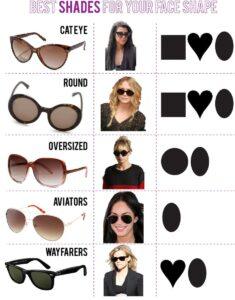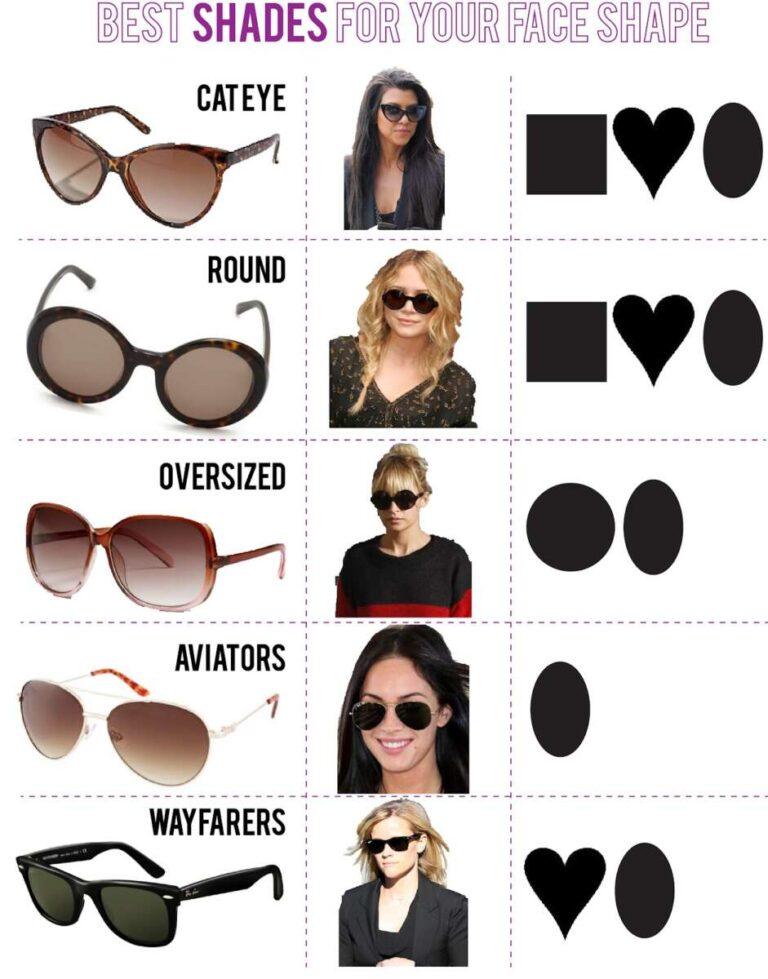
Round, oval, square, and cat-eye frames often work best when they balance your face shape and match your bridge.
Knowing what type of sunglasses fit my face is not just about following a trend. The right pair should balance your features, feel secure, block harmful ultraviolet rays, and suit your daily life. After helping people compare frame shapes, sizes, and lens types, I have found that small details, such as bridge width and temple length, often matter more than face shape alone.
How to Identify Your Face Shape
Your face shape gives you a useful starting point. It helps you choose frames that add balance rather than repeat the same lines as your features.
Stand in front of a mirror with your hair pulled back. Use a washable marker on the mirror to trace the outline of your face, or take a straight-on photo with your phone. Keep your head level and avoid smiling, since both can change the shape you see.
Look at these four areas:
• Forehead width: Is it wider, narrower, or close to the width of your jaw?
• Cheekbone width: Are your cheekbones the widest part of your face?
• Jaw shape: Is your jaw soft, rounded, sharp, or broad?
• Face length: Is your face longer than it is wide?
Most people have a mix of features. Your face may be mostly oval with a square jaw, or mostly round with a longer chin. That is normal. Sunglasses should guide your choices, not limit them.

Sunglasses for an Oval Face
An oval face usually has balanced proportions, gently curved cheeks, and a chin that is slightly narrower than the forehead. Many frame styles work well because the face already has natural balance.
The best sunglasses for an oval face often include:
• Wayfarer frames
• Aviator frames
• Round frames
• Square frames
• Cat-eye frames
Choose frames that are at least as wide as the broadest part of your face. Very narrow sunglasses may make your face look longer. Very oversized frames can hide your features and feel heavy.
If you are asking what type of sunglasses fit my face and you have an oval shape, start with medium-sized frames. Look for a frame that follows your brow line without covering your eyebrows completely.

Sunglasses for a Round Face
A round face often has soft cheeks, a curved jaw, and similar width and length. Angular frames can add structure and make the face look more defined.
Good sunglasses for a round face include:
• Square frames
• Rectangular frames
• Geometric frames
• Browline frames
• Narrow cat-eye frames
Avoid frames that are very round or small if you want to create contrast. They can repeat the soft curves of your face and make it appear rounder.
This does not mean round sunglasses are off-limits. If you love them, choose a larger round frame with a strong bridge or darker rim. The added structure can keep the look balanced.
When people ask me what type of sunglasses fit my face, round-face wearers often discover that a slightly wider rectangular frame gives the most noticeable change. It adds clean lines without looking harsh.
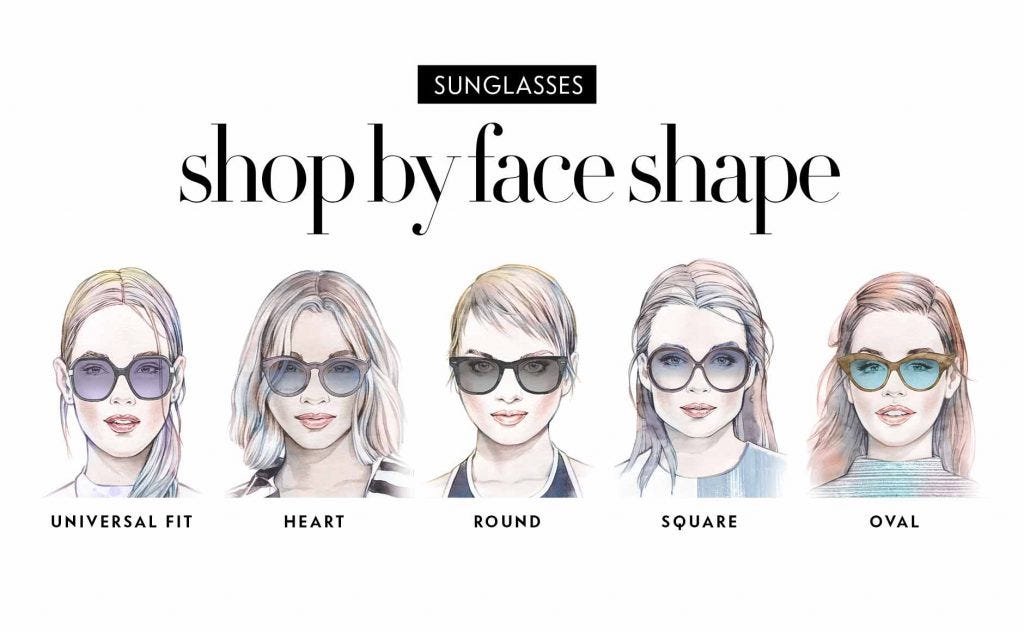
Sunglasses for a Square Face
A square face usually has a broad forehead, strong cheekbones, and a defined jaw. The width and length may look similar, with straighter lines around the sides of the face.
Soft, curved frames can balance these angles. Consider:
• Round sunglasses
• Oval frames
• Aviators
• Soft cat-eye styles
• Rimless or thin-rim frames
A frame with curved edges can make the overall look feel lighter. Medium to large sunglasses often work well, especially when the frame is slightly wider than the cheekbones.
If you prefer rectangular sunglasses, choose styles with rounded corners. Sharp, boxy frames may make a square face look more angular. Again, this is a style guide, not a strict rule.

Sunglasses for a Heart-Shaped Face
A heart-shaped face often has a wider forehead, high cheekbones, and a narrow chin. The goal is usually to add visual weight near the lower half of the face.
Try these frame styles:
• Aviators with a light rim
• Round frames
• Oval frames
• Bottom-heavy frames
• Light-colored or rimless sunglasses
Avoid very wide frames with heavy top rims if they make your forehead look broader. A thin frame or a style that is wider near the bottom can create better balance.
Cat-eye sunglasses may also work. Choose a softer cat-eye shape rather than an extreme upswept design. If the frame feels too strong at the temples, try a lighter color.
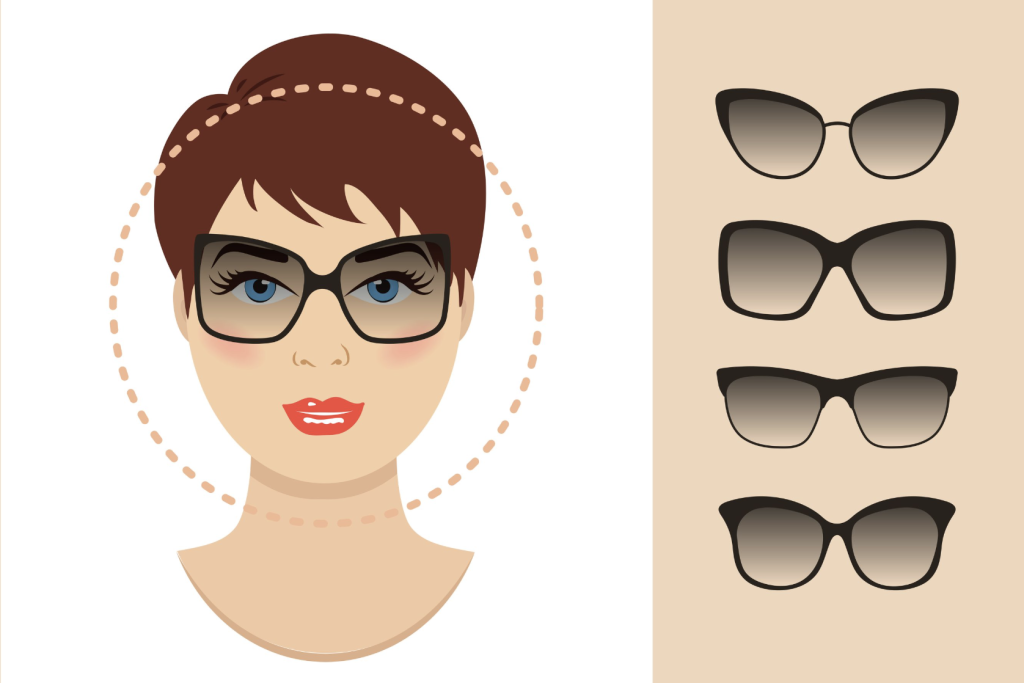
Sunglasses for a Diamond-Shaped Face
A diamond-shaped face often has a narrow forehead, wide cheekbones, and a narrow jaw. The cheekbones are usually the most prominent feature.
The best sunglasses for a diamond face may include:
• Oval frames
• Cat-eye frames
• Rimless frames
• Browline frames
• Soft rectangular frames
Frames with a strong brow line can highlight the eyes and forehead. Curved edges can soften the cheekbones. Try not to choose frames that are much wider than your face, since they can make the cheek area look broader.
If you want a bold look, a vintage cat-eye can work well. For a quieter style, choose a thin metal oval frame.

Sunglasses for a Long or Oblong Face
An oblong face is longer than it is wide. The forehead, cheeks, and jaw may have similar widths, while the chin and overall face length stand out.
Choose sunglasses that add width and reduce the appearance of extra length:
• Large aviators
• Oversized square frames
• Tall lenses
• Bold browline frames
• Decorative or contrasting temples
Deep lenses can help make a long face appear more balanced. Very narrow frames may make the face look even longer.
A common mistake is choosing sunglasses only by frame width. Lens height matters, too. When deciding what type of sunglasses fit my face, people with long faces should check both measurements.

How Frame Size Affects the Fit
Face shape helps with style, but frame size determines comfort. A beautiful frame will not work well if it slides down, pinches your temples, or touches your cheeks.
Check these measurements:
• Lens width: The width of one lens in millimeters.
• Bridge width: The space between the lenses.
• Temple length: The length of the arm that rests over your ear.
• Total frame width: The full width from one outer edge to the other.
A well-fitting frame should sit evenly on your nose. Your pupils should look close to the center of each lens. The frame should not press into your temples, and the arms should not flare outward.
Use your current glasses as a guide. Look inside the temple arm for three numbers, such as 55-18-140. These usually represent lens width, bridge width, and temple length.
Here is a simple fit test:
-
Put on the sunglasses and look straight ahead.
-
Smile to check whether the frames touch your cheeks.
-
Shake your head gently.
-
Bend forward without holding the sunglasses.
-
Check that the frame stays in place without squeezing.
When I compare frames in person, I pay close attention to pressure behind the ears. That small issue may not seem important in a store, but it can become painful during a long drive or a full day outdoors.

Choose Sunglasses Based on Your Nose and Brow
Your nose shape affects how sunglasses sit. A narrow bridge may need adjustable nose pads or a keyhole bridge. A wider bridge may feel better with a larger bridge measurement.
Consider these fit tips:
• Low nose bridge: Look for low-bridge or Asian-fit sunglasses with a higher frame position and larger nose pads.
• High nose bridge: Choose a frame that rests securely without sitting too high.
• Wide nose: Look for a wider bridge and adjustable nose pads.
• Narrow nose: A smaller bridge can prevent the sunglasses from sliding.
Your eyebrows also matter. Many people look best when the top of the frame follows the brow line. The frame does not need to cover your eyebrows, but it should not cut across them in an awkward spot.
This is one reason face-shape charts do not always give a perfect answer to what type of sunglasses fit my face. Two people with the same face shape can need very different bridge designs.
Pick the Right Lens Type
Frame shape affects appearance, but lens quality affects eye protection. Choose sunglasses that block 99% to 100% of UVA and UVB rays, or provide UV400 protection. Dark lenses do not always offer better protection. A dark lens without UV protection can allow your pupils to open wider while harmful rays still enter.
Useful lens options include:
• Polarized lenses: Reduce glare from roads, water, snow, and glass. They are useful for driving and outdoor activities, but they do not automatically block more UV rays.
• Gradient lenses: Darker at the top and lighter at the bottom. They work well for driving because they shade the eyes while allowing you to see the dashboard.
• Photochromic lenses: Change darkness in response to light. They may not become very dark inside a car because many windshields block ultraviolet light.
• Mirrored lenses: Reflect some light and reduce brightness. They can be helpful in bright conditions but may show scratches more easily.
• Prescription lenses: Let you correct vision while wearing sun protection. Ask an eye-care professional which lens material suits your prescription.
The American Academy of Ophthalmology recommends sunglasses that block UVA and UVB radiation. Wraparound styles can also reduce light entering from the sides, although they may feel warmer or limit peripheral vision.
Match Sunglasses to Your Lifestyle
The best sunglasses are the pair you will actually wear. Your daily routine should influence the frame material, lens color, and fit.
For driving, choose lenses that reduce glare without making road signs hard to read. Gray lenses usually keep colors close to their natural appearance. Brown or amber lenses can improve contrast, but personal comfort varies.
For running or hiking, choose lightweight frames with rubber nose pads and secure temple grips. Wraparound frames can protect against side glare, wind, and dust.
For beach trips, polarized lenses can make water glare less intense. Use a secure case and rinse off salt or sand before wiping the lenses. Dry particles can scratch the surface.
For fashion, focus on frame shape, color, and scale. You can choose a bold color while keeping the size close to your natural proportions.
A mistake I often see is buying sunglasses for one photo or one outfit. A frame may look exciting for five minutes but feel too heavy after an hour. Comfort is part of style because it affects how confidently you wear the pair.
Common Sunglass-Fitting Mistakes to Avoid
Even when the shape looks right, a few simple mistakes can lead to a poor fit.
Avoid these common problems:
• Choosing frames that are too small because they look neat on a display.
• Buying oversized sunglasses that touch the cheeks.
• Ignoring the bridge width.
• Assuming dark lenses provide UV protection.
• Picking a frame that slides when you look down.
• Forgetting to test the sunglasses with your prescription.
• Cleaning lenses with a shirt or paper towel.
• Following face-shape rules so strictly that you ignore your personal style.
A frame should not hurt your nose, pinch your head, or leave deep marks behind your ears. If it does, ask an optician to adjust the nose pads or temple arms. Many optical stores can make small adjustments at little or no cost.
Also check the frame after wearing it for ten minutes. Some problems appear only after the frame warms up or shifts during movement.
A Simple Way to Find Your Best Pair
If you are still unsure what type of sunglasses fit my face, use this five-step method.
-
Identify your main face shape.
-
Choose a contrasting frame shape.
-
Measure your current glasses.
-
Check the bridge, lens height, and temple length.
-
Test the sunglasses during movement and in bright light.
Try at least three styles. For example, compare a square frame, an aviator, and a rounded frame. Take photos from the front and side. The side view can reveal whether the lenses sit too far from your face.
Ask an optician to check the fit if you need prescription sunglasses. A professional can measure your pupillary distance, adjust the frame, and help select the right lens material.
Remember that face shape is only one part of the decision. Your prescription, nose bridge, lifestyle, skin tone, hair, and personal taste all matter.
Frequently Asked Questions About What Type of Sunglasses Fit My Face
What sunglasses look best on an oval face?
Oval faces can wear many styles, including aviators, square frames, round frames, and cat-eye sunglasses. Choose a size that is similar to the widest part of your face.
Are round sunglasses good for a round face?
Round sunglasses can work, but they may repeat the curves of a round face. For more contrast, try a larger round frame with a strong rim or choose a square, rectangular, or geometric style.
How should sunglasses fit my face?
Sunglasses should sit evenly on your nose, stay in place when you move, and avoid touching your cheeks. The frame should not pinch your temples or leave painful pressure behind your ears.
Should sunglasses cover my eyebrows?
There is no single rule. Many people prefer a frame that follows the brow line, but the best choice depends on your features, frame shape, and personal style.
Do polarized sunglasses protect your eyes from UV rays?
Polarization reduces glare, but it does not always mean the lenses provide UV protection. Check the label for 99% to 100% UVA and UVB protection or a UV400 rating.
What type of sunglasses fit my face if I wear prescription lenses?
Choose a frame that supports your prescription and sits securely without being too curved or too shallow. An optician can recommend suitable lens thickness, frame size, and materials.
Can I wear sunglasses that do not match my face shape?
Yes. Face-shape advice is a styling guide, not a law. If you love a frame and it fits well, confidence and comfort matter more than a chart.
Conclusion
Finding what type of sunglasses fit my face starts with face shape, but it should not end there. Choose a frame that balances your features, matches your bridge, fits your measurements, and provides reliable UV protection.
Try several shapes, check the fit while moving, and consider your daily activities before buying. The right sunglasses should feel like a natural part of you, not a costume. Explore a few frame styles today, and share which pair gives you the best mix of comfort, protection, and personal style.

Rubel Miah is the Senior Editor at MyStyleGrid.com, where he brings a sharp editorial eye and an unshakable love for fashion to everything he does. A true style addict, Rubel lives and breathes trends, from streetwear to high fashion, and has a knack for turning inspiration into impactful stories. With years of experience in fashion journalism and digital media, he curates content that empowers readers to express themselves through style. When he’s not editing features or forecasting the next big thing, you’ll find him hunting down vintage pieces or capturing street style moments around the city.