You can buy polarized sunglasses from optical shops, outdoor stores, brand websites, marketplaces, and trusted local retailers.
Finding where can i buy polarized sunglasses is easy, but finding the right pair takes more care. A good pair should reduce glare, block 99% to 100% of UVA and UVB rays, fit your face well, and match how you spend time outdoors. This guide explains the best places to shop, how to check quality, and which buying mistakes to avoid.

Where can I buy polarized sunglasses?
You can buy polarized sunglasses both online and in person. The best place depends on your budget, prescription needs, return preferences, and how much help you want while choosing a frame.
Here are the most useful places to shop:
• Optical stores offer professional fitting, prescription lenses, and guidance from trained staff.
• Sunglass brand websites provide a wide range of lens colors, frame styles, and technology.
• Outdoor retailers often sell durable sunglasses for hiking, fishing, skiing, boating, and cycling.
• Department stores may offer affordable options from well-known brands.
• Authorized marketplace sellers can provide good prices, but seller checks are important.
• Eye care offices may sell prescription polarized sunglasses and help confirm your UV protection needs.
• Local independent eyewear shops can offer personal service and unique frame choices.
If you need vision correction, an optical store or eye doctor’s office is usually the safest choice. If you want nonprescription sunglasses for casual use, a reputable brand website or outdoor retailer may be enough.
When deciding where can i buy polarized sunglasses, focus on product details rather than only the lowest price. Look for clear information about UV protection, lens quality, warranty coverage, and returns.
Best places to buy polarized sunglasses
Different stores serve different needs. Understanding their strengths can help you avoid buying a poor-quality pair.
Optical stores
Optical stores are often the best choice for prescription polarized sunglasses. Staff can measure your pupillary distance, adjust the frame, and help you choose lenses for your prescription.
They can also explain options such as:
• Single-vision lenses
• Progressive lenses
• Prescription sunglasses
• Photochromic lenses
• High-index lenses
• Scratch-resistant coatings
Optical stores may cost more than online sellers. However, the fitting service can be valuable, especially if you have a strong prescription or need progressive lenses.
Brand websites
Buying directly from a sunglasses brand can give you access to the full product line. You may find more sizes, lens colors, replacement parts, and warranty information than you would in a local store.
Before ordering, check:
• The brand’s return period
• Whether returns are free
• The lens and frame warranty
• The size measurements
• The company’s customer service details
• Whether the seller ships from the United States
Direct websites are often a good answer to where can i buy polarized sunglasses when you already know which style and size you want.
Outdoor and sporting goods stores
Outdoor retailers are useful for people who spend long hours in bright conditions. Their sunglasses often include wraparound frames, impact-resistant lenses, rubber nose pads, and secure temple grips.
You may find specialized styles for:
• Fishing
• Golf
• Cycling
• Running
• Skiing
• Boating
• Driving
Fishing sunglasses often use gray, amber, or copper lenses. These colors can improve contrast in certain conditions. Ski and snow sunglasses may use larger frames to block bright reflected light from snow.
Department stores
Department stores offer many price points. They can be a practical place to try on sunglasses before buying.
Look for a clear label that says the lenses provide 100% UVA and UVB protection or UV400 protection. Polarization alone does not prove that the sunglasses protect your eyes from ultraviolet radiation.
Online marketplaces
Large marketplaces can offer competitive prices, but quality can vary. Check the seller’s rating, product reviews, warranty terms, and return policy.
Avoid listings with vague claims such as “premium protection” or “high-quality lenses” unless they provide clear technical details. A very low price is not always a bargain if the frame breaks or the lenses cause visual distortion.

What are polarized sunglasses?
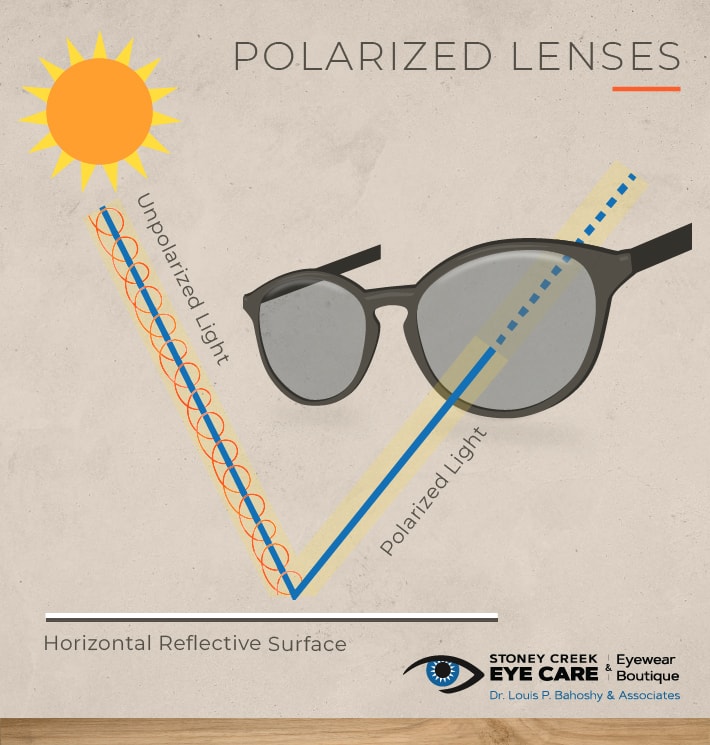
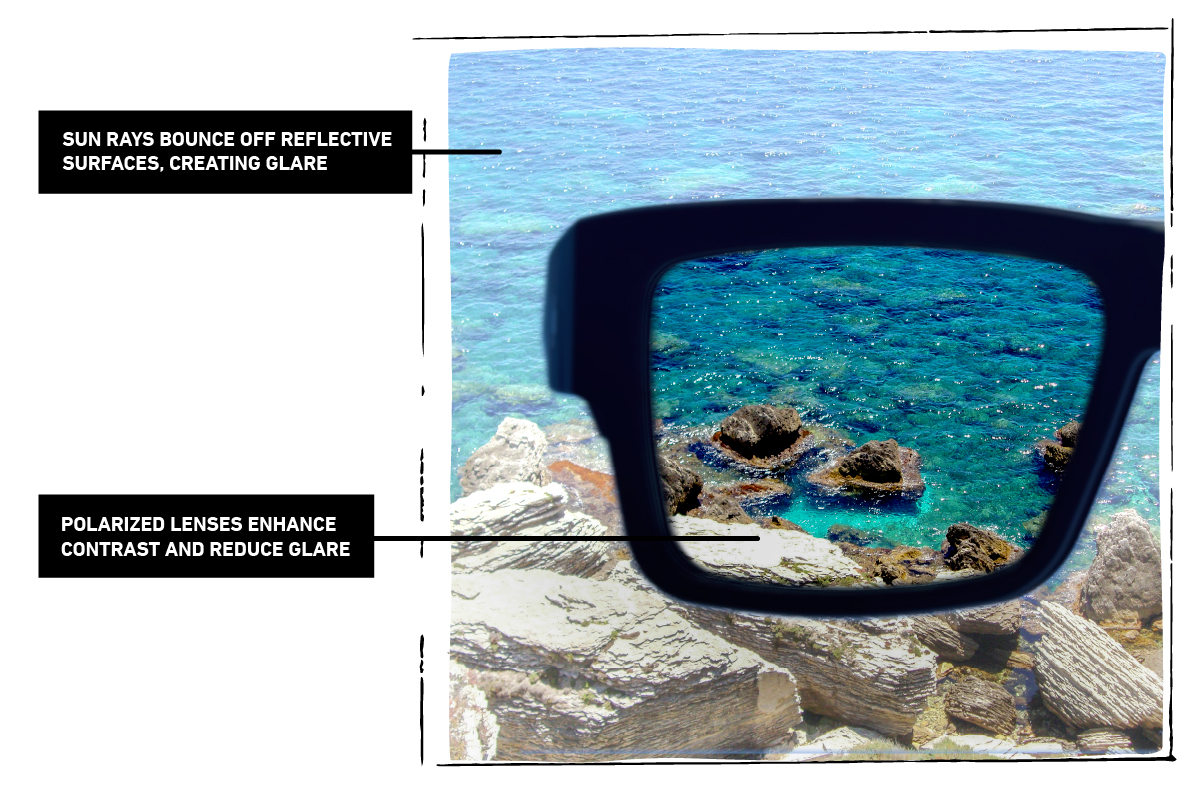
Polarized sunglasses have a special filter that blocks much of the horizontal light that creates glare. This glare often reflects from roads, water, glass, sand, and snow.
Think of the filter as a narrow gate. It allows useful light to pass while reducing harsh reflected light. This can make outdoor scenes look more comfortable and may improve visual clarity.
Polarization can help with:
• Driving on bright days
• Fishing and boating
• Walking near water
• Hiking on open trails
• Playing outdoor sports
• Spending time at the beach
• Reducing glare from wet roads
Polarized lenses do not make sunglasses automatically dark, strong, or stylish. They also do not replace proper UV protection. The most useful pair offers both polarization and full UVA and UVB protection.
Some people notice that polarized lenses make certain digital screens look darker or uneven. This may happen with phones, car displays, gas pumps, and some airplane screens. It is not usually a defect, but it is worth knowing before you buy.
How to choose high-quality polarized sunglasses
Knowing where can i buy polarized sunglasses is only the first step. You also need to compare the lenses and frame.
Check UV protection
Choose sunglasses labeled “100% UV protection” or “UV400.” These labels indicate that the lenses block ultraviolet rays up to 400 nanometers.
The American Academy of Ophthalmology recommends sunglasses that block 99% to 100% of UVA and UVB radiation. UV exposure can contribute to eye problems, including cataracts and damage to sensitive eye tissues.
A dark lens without UV protection can be risky. It may cause your pupils to open wider while letting harmful UV rays enter the eye.
Test the polarization
Many optical and outdoor stores have a simple polarization test. You can also hold two polarized lenses together and rotate one lens. The view should become much darker at certain angles.
This test is not a complete quality check. It only helps show whether a polarization filter is present. It does not confirm lens clarity, UV protection, durability, or optical accuracy.
Look for clear vision
Hold the sunglasses at arm’s length and look through the lenses at a straight line, such as a window frame. Move the glasses slowly from side to side.
If the line bends, ripples, or jumps, the lenses may have poor optical quality. Slight distortion can cause eye strain or headaches, especially during driving.
Choose the right lens color
Lens color affects comfort and contrast. It does not automatically determine UV protection.
• Gray lenses preserve natural colors and work well for general use.
• Brown or copper lenses can increase contrast and suit driving or outdoor sports.
• Green lenses may offer balanced color and comfortable brightness.
• Yellow lenses can improve contrast in low-light settings, but they are not ideal for strong sun.
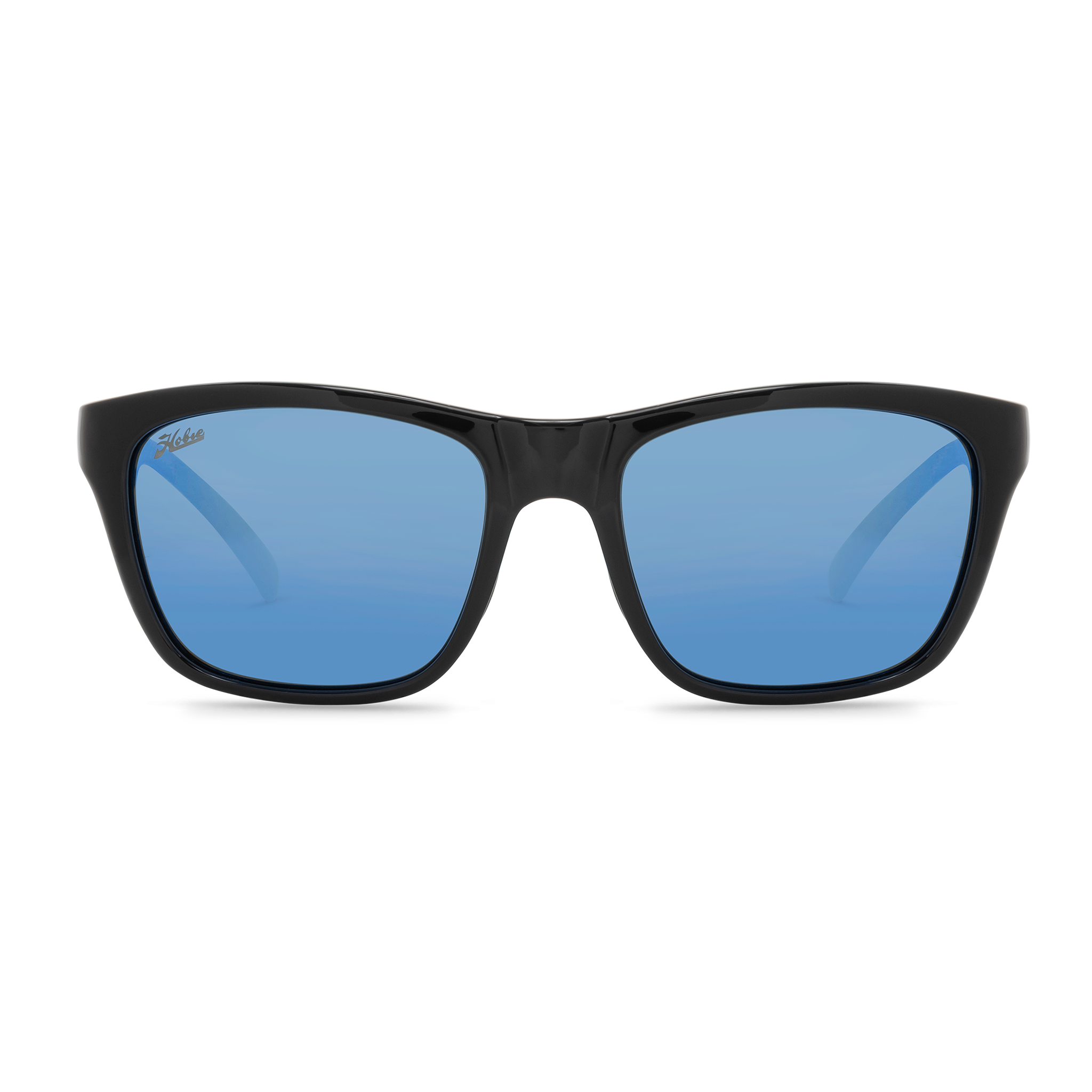
• Blue or mirrored coatings may reduce visible brightness, but the coating alone does not prove polarization.
Inspect the frame
A good frame should feel secure without squeezing your temples. The bridge should sit comfortably on your nose, and your eyelashes should not touch the lenses.
For active use, consider:
• Flexible hinges
• Impact-resistant lenses
• Rubber nose pads
• Wraparound coverage
• Lightweight materials
• A secure fit behind the ears
Large lenses can provide more coverage, but they should not touch your cheeks. A poor fit can cause fogging and discomfort.

Where can I buy polarized sunglasses for driving?
You can buy polarized sunglasses for driving from optical stores, automotive retailers, outdoor shops, and trusted eyewear websites. Choose a pair with clear lenses, a comfortable fit, and a color that does not change traffic signals too much.
Gray lenses are a common choice for driving because they usually preserve natural colors. Brown lenses can also work well, but choose a shade that does not make the view too dark.
Polarized sunglasses can reduce glare from wet pavement and vehicle surfaces. Still, they are not ideal for every situation. Some drivers find that polarization makes dashboard screens harder to read.
Avoid sunglasses that are:
• Too dark for changing light
• Narrow at the sides
• Loose on your face
• Heavily distorted
• Difficult to remove quickly
Never wear dark sunglasses at night or in very low light. For driving, clear vision and fast recognition of signs matter more than a fashionable lens color.
When deciding where can i buy polarized sunglasses for driving, try them in a car if possible. Check the dashboard, side mirrors, road signs, and traffic lights before keeping the pair.
Where can I buy prescription polarized sunglasses?
Prescription polarized sunglasses are available through optometrists, optical chains, independent eyewear shops, and certified online prescription retailers.
An eye care professional can confirm your current prescription and help select lenses that match your daily needs. This is especially useful if you have astigmatism, progressive lenses, a strong prescription, or special eye conditions.
Online prescription shopping can cost less, but you must enter accurate measurements. These may include:
• Pupillary distance
• Segment height for progressive lenses
• Frame width
• Lens height
• Bridge width
• Temple length
A prescription from an old pair may not be current. Eye prescriptions can change, and an eye exam may identify issues that sunglasses cannot solve.
For children, people with complex prescriptions, or anyone who has trouble seeing clearly, in-person fitting is often the better option. The cheapest place where can i buy polarized sunglasses may not provide the best long-term value if the lenses are inaccurate.
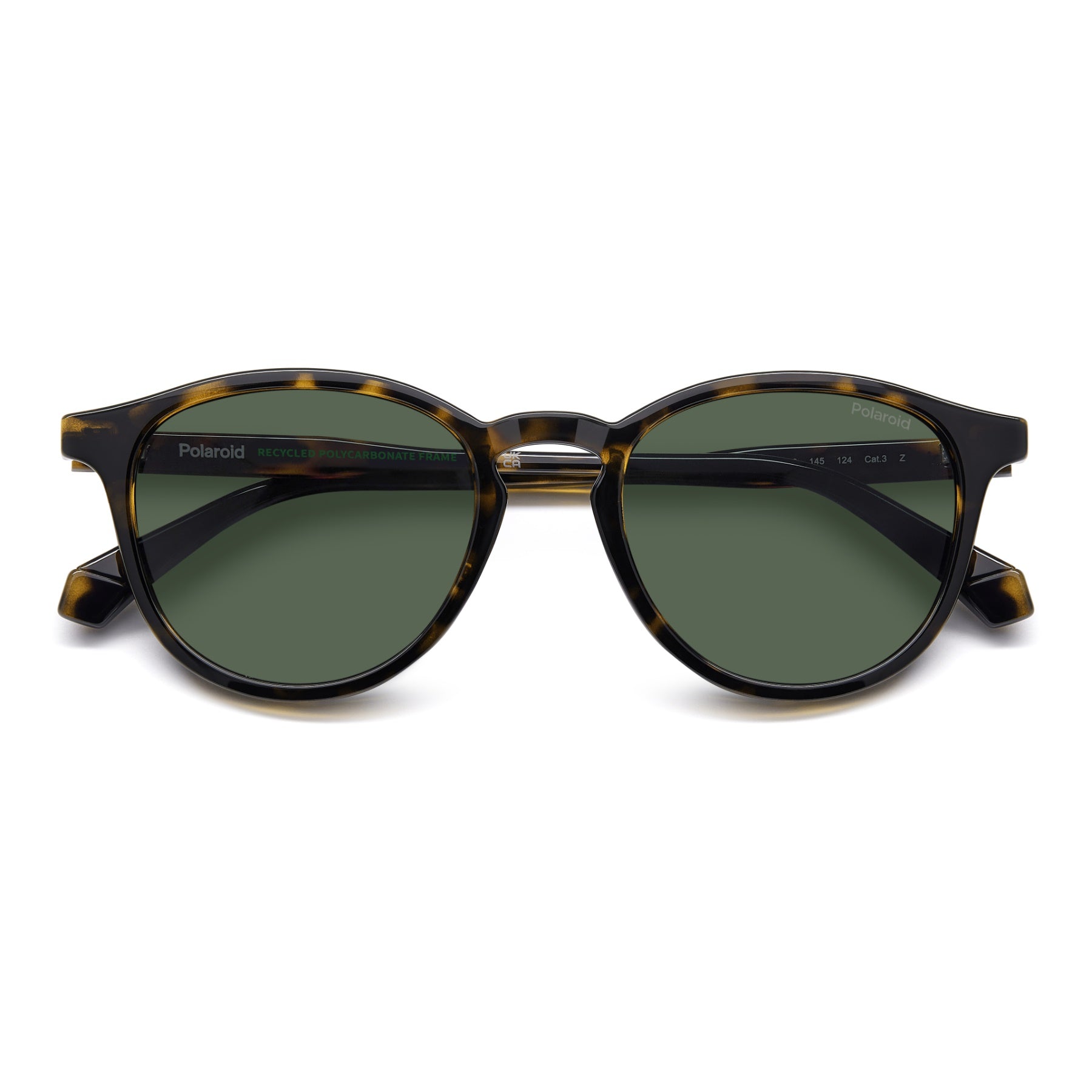
How much do polarized sunglasses cost?
Polarized sunglasses can cost about $20 for a basic pair and several hundred dollars for designer, performance, or prescription models. Price usually reflects materials, lens quality, brand reputation, design, and service.
Here is a general guide:
• Budget sunglasses often cost $15 to $40.
• Mid-range sunglasses often cost $40 to $150.
• Premium sunglasses may cost $150 to $300 or more.
• Prescription polarized sunglasses often cost $150 to $500 or more, depending on the frame and lens options.
A higher price does not guarantee better eye protection. A reasonably priced pair with full UV protection, clear lenses, and a good fit may protect your eyes just as well as an expensive pair.
From comparing many types of eyewear, one common mistake stands out: shoppers often pay for a logo but ignore the return policy. A slightly less expensive pair that fits well and comes with a strong warranty can be the smarter purchase.
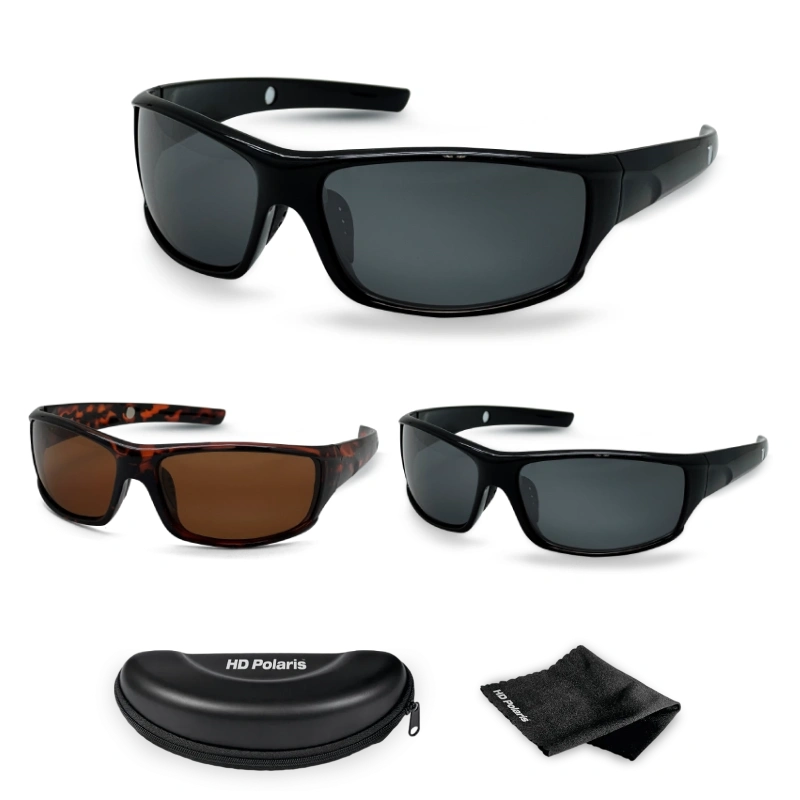
Common mistakes when buying polarized sunglasses
A few simple errors can lead to discomfort, poor vision, or wasted money.
Buying from an unknown seller
Some listings use impressive photos but provide little information about the actual product. Check the seller’s history, customer service, warranty, and return terms before paying.
Confusing dark lenses with UV protection
Darkness is not the same as protection. Always look for a clear UV400 or 99% to 100% UVA and UVB statement.
Choosing style over fit
A frame may look great online but feel tight, loose, or heavy in person. Review the measurements and buy from a seller with an easy return policy.
Ignoring lens distortion
Distorted lenses can cause headaches and blurred vision. Test a straight line through the lenses before using them for driving or sports.
Assuming all polarized lenses are equal
Polarization varies in quality. Cheap lenses may have uneven filters, poor coatings, or weak frames.
Forgetting screen compatibility
Polarized lenses can make some screens difficult to view. If you use a phone, GPS, or digital dashboard often, test the sunglasses with those screens.

A simple buying checklist
Use this checklist before you order:
-
Confirm the lenses provide 100% UVA and UVB protection or UV400 protection.
-
Confirm that the lenses are polarized.
-
Check the frame measurements against a pair that already fits you.
-
Review the return and warranty policies.
-
Look for optical clarity without waves or distortion.
-
Choose a lens color that suits your main activity.
-
Make sure the frame feels comfortable on your nose and ears.
-
Select impact-resistant lenses for sports and active use.
-
Check whether the glasses work with your phone or car display.
-
Keep the receipt and test the sunglasses soon after delivery.
This process takes only a few minutes. It can prevent the most common problems with online eyewear purchases.
How to care for polarized sunglasses
Good care helps sunglasses last longer. Store them in a hard case when they are not in use.
Clean the lenses with clean water and a microfiber cloth. If needed, use a lens-safe cleaner. Avoid paper towels, clothing, household glass cleaner, and rough fabric because they can scratch lens coatings.
Do not leave sunglasses on a hot car dashboard. High heat can damage coatings, loosen frames, or warp plastic lenses.
Also avoid placing the lenses face down. Small scratches may seem minor at first, but they can become distracting when bright light hits them.
Frequently Asked Questions
Where can I buy polarized sunglasses near me?
You can buy polarized sunglasses near you at optical stores, outdoor retailers, department stores, sporting goods shops, and some eye care offices. Call ahead if you need prescription lenses or a specific frame size.
Are polarized sunglasses better for your eyes?
Polarized sunglasses can make bright outdoor conditions more comfortable by reducing glare. They are most useful when they also provide 99% to 100% UVA and UVB protection.
How can I tell if sunglasses are polarized?
Many optical and sporting goods stores can test polarization. At home, place two polarized lenses together and rotate one; the view should become much darker at certain angles.
Do polarized sunglasses block UV rays?
Polarization and UV protection are separate features. Look for a label stating 100% UVA and UVB protection or UV400 before buying.
Are cheap polarized sunglasses worth buying?
Some inexpensive polarized sunglasses provide good protection and clear vision. Check the UV label, lens quality, fit, return policy, and seller reputation instead of judging value by price alone.
What color polarized lenses are best?
Gray lenses are versatile and preserve natural colors. Brown or copper lenses may improve contrast, while the best color depends on your activity, light conditions, and personal comfort.
Can I wear polarized sunglasses while driving?
Yes, polarized sunglasses can reduce glare from roads and cars. Test them with your dashboard and choose a lens that stays clear enough for signs, traffic lights, and changing light.
Conclusion
You can buy polarized sunglasses from optical stores, brand websites, outdoor retailers, department stores, eye care offices, and trusted online sellers. The best choice combines polarization, full UV protection, optical clarity, a secure fit, and a fair return policy.
Before you buy, check the label, test the lenses, compare measurements, and think about how you will use the sunglasses. Choose a reputable seller today, and share your favorite buying tip or eyewear experience in the comments.

Rubel Miah is the Senior Editor at MyStyleGrid.com, where he brings a sharp editorial eye and an unshakable love for fashion to everything he does. A true style addict, Rubel lives and breathes trends, from streetwear to high fashion, and has a knack for turning inspiration into impactful stories. With years of experience in fashion journalism and digital media, he curates content that empowers readers to express themselves through style. When he’s not editing features or forecasting the next big thing, you’ll find him hunting down vintage pieces or capturing street style moments around the city.