The best sunglasses for men offer full UV protection, clear optics, a comfortable fit, and a style that suits your face.
Finding the best sunglasses for men is about more than choosing a famous logo or dark lens. The right pair protects your eyes, reduces glare, fits securely, and works with your daily life. After comparing lens types, frame shapes, materials, and real-world comfort, this guide will help you choose sunglasses that look sharp and perform well.
What Makes the Best Sunglasses for Men?
The best sunglasses for men balance eye protection, visual clarity, comfort, durability, and personal style. A pair may look great but still disappoint if it slips down your nose, creates glare, or blocks too little ultraviolet light.
Before buying, check these key features:
• 100% UVA and UVB protection, often labeled UV400
• Lenses that reduce glare without making the view too dark
• A frame that fits your face without pinching
• Strong hinges and durable frame materials
• Lens quality that offers clear vision from edge to edge
• A shape that suits your face and wardrobe
Dark lenses are not always safer lenses. A very dark pair without UV protection can cause your pupils to open wider while harmful rays still reach your eyes. That is why verified UV protection should always come first.
The best sunglasses for men should also feel natural during long wear. You should not need to push them up every few minutes or deal with pressure behind your ears.
Best Sunglasses for Men by Use
Different activities call for different lens features. The best sunglasses for driving may not be the best sunglasses for fishing, running, or business travel.
Best Everyday Sunglasses
For daily use, choose classic sunglasses with durable lenses and a medium tint. Gray lenses are a strong choice because they reduce brightness while keeping colors fairly natural.
Good everyday options include:
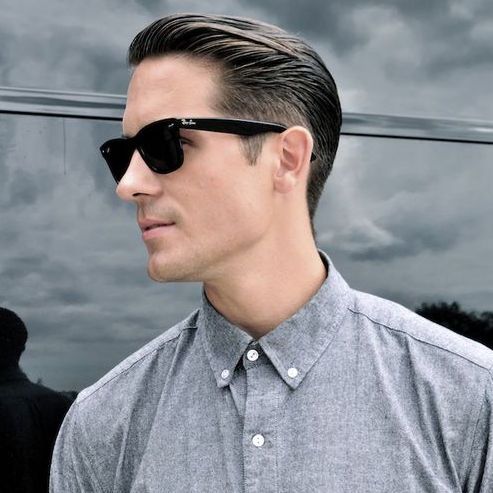
• Wayfarer-style frames for casual outfits
• Aviator frames for a classic look
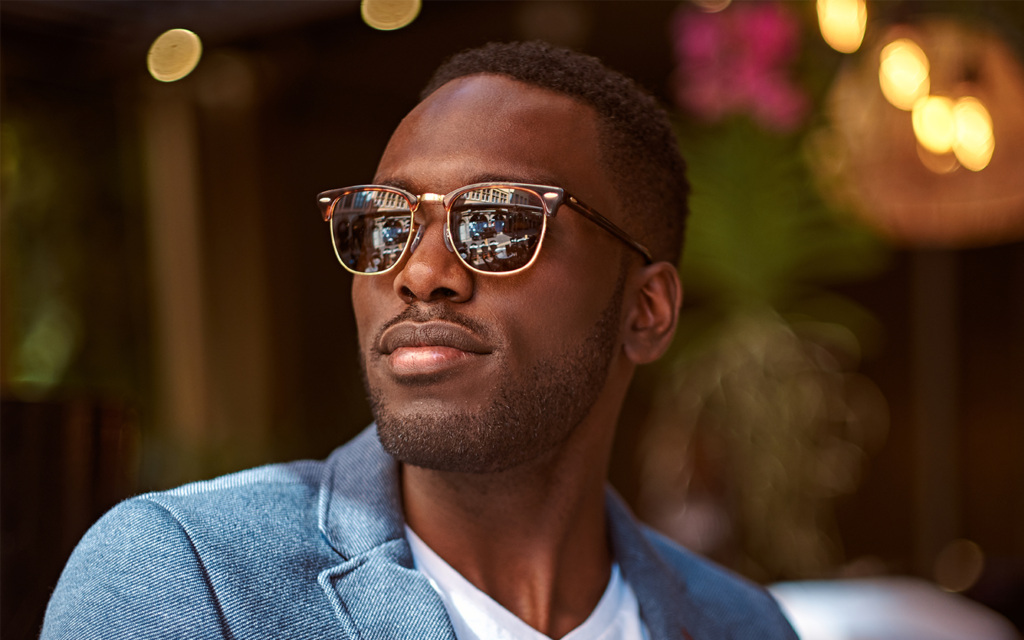
• Clubmaster-style frames for a smart, vintage feel
• Lightweight acetate or nylon frames for all-day comfort
A neutral lens color makes everyday sunglasses easy to wear with jeans, office clothes, or weekend outfits.
Best Sunglasses for Driving
The best sunglasses for men who drive should reduce glare and preserve clear contrast. Gray, brown, and amber lenses can work well, but the right choice depends on light conditions.
Polarized lenses are useful because they reduce reflected glare from roads, cars, and water. However, some digital screens may appear darker or harder to read through polarized lenses. Test them with your car display and phone before making a final choice.
Avoid extremely dark lenses for night driving. Sunglasses should never be worn after sunset unless prescribed for a specific medical reason.
Best Sunglasses for Sports and Outdoor Use
Sports sunglasses need a secure fit, light weight, impact resistance, and good coverage. Look for rubber nose pads, curved arms, and lenses made from polycarbonate or other impact-resistant materials.
For cycling, hiking, and running, wraparound frames can help block side glare and wind. For water sports, polarized lenses can make it easier to see beneath surface glare.
The best sunglasses for men who spend time outdoors should also resist sweat and stay in place during movement.
Best Sunglasses for the Beach
At the beach, reflected sunlight can be intense. Polarized lenses can reduce glare from sand and water, while a larger frame can provide more coverage.
Choose frames with:
• 100% UV protection
• Polarized lenses
• Secure hinges
• Corrosion-resistant parts
• A comfortable fit that will not slide when you sweat
Keep a protective case nearby. Sand can scratch lenses, and salt water can damage metal parts over time.
Best Lens Types for Men
Lens technology affects comfort, vision, and performance. Understanding the main options makes it easier to find the best sunglasses for men for your needs.
Polarized Lenses
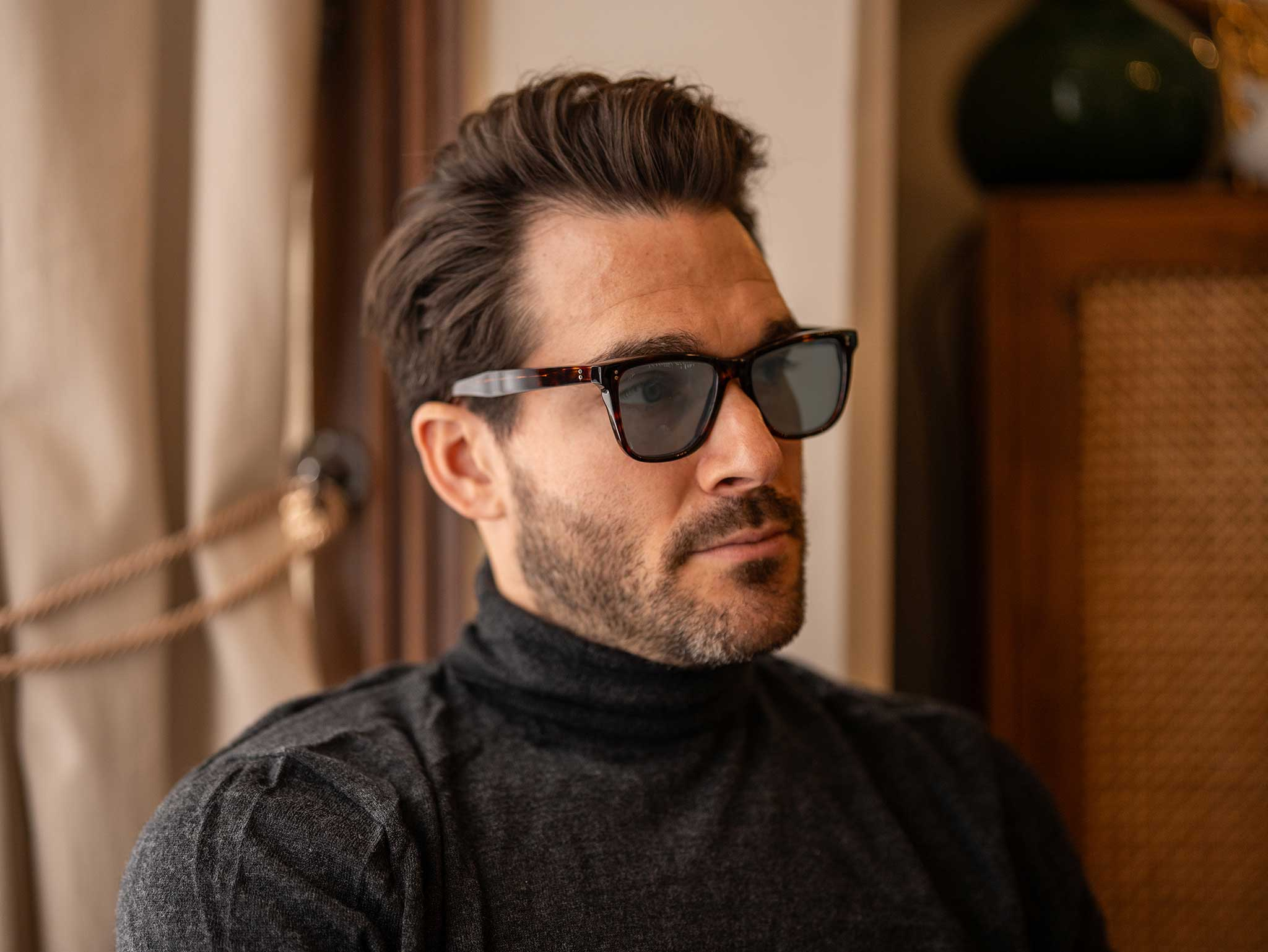
Polarized lenses contain a filter that blocks much of the horizontal light that creates glare. They are especially useful around water, snow, glass buildings, and bright roads.
Benefits include:
• Less eye strain
• Reduced reflected glare
• Better comfort in bright conditions
• Improved visual contrast in many outdoor settings
Polarization does not automatically mean UV protection. Always confirm that the lenses also provide 100% UVA and UVB protection.
Photochromic Lenses
Photochromic lenses darken when exposed to ultraviolet light and become clearer indoors. They are convenient for people who move between indoor and outdoor spaces.
They may not darken fully inside a car because many windshields block much of the UV light that activates the lenses. They can also change more slowly in cold weather.
Mirrored Lenses
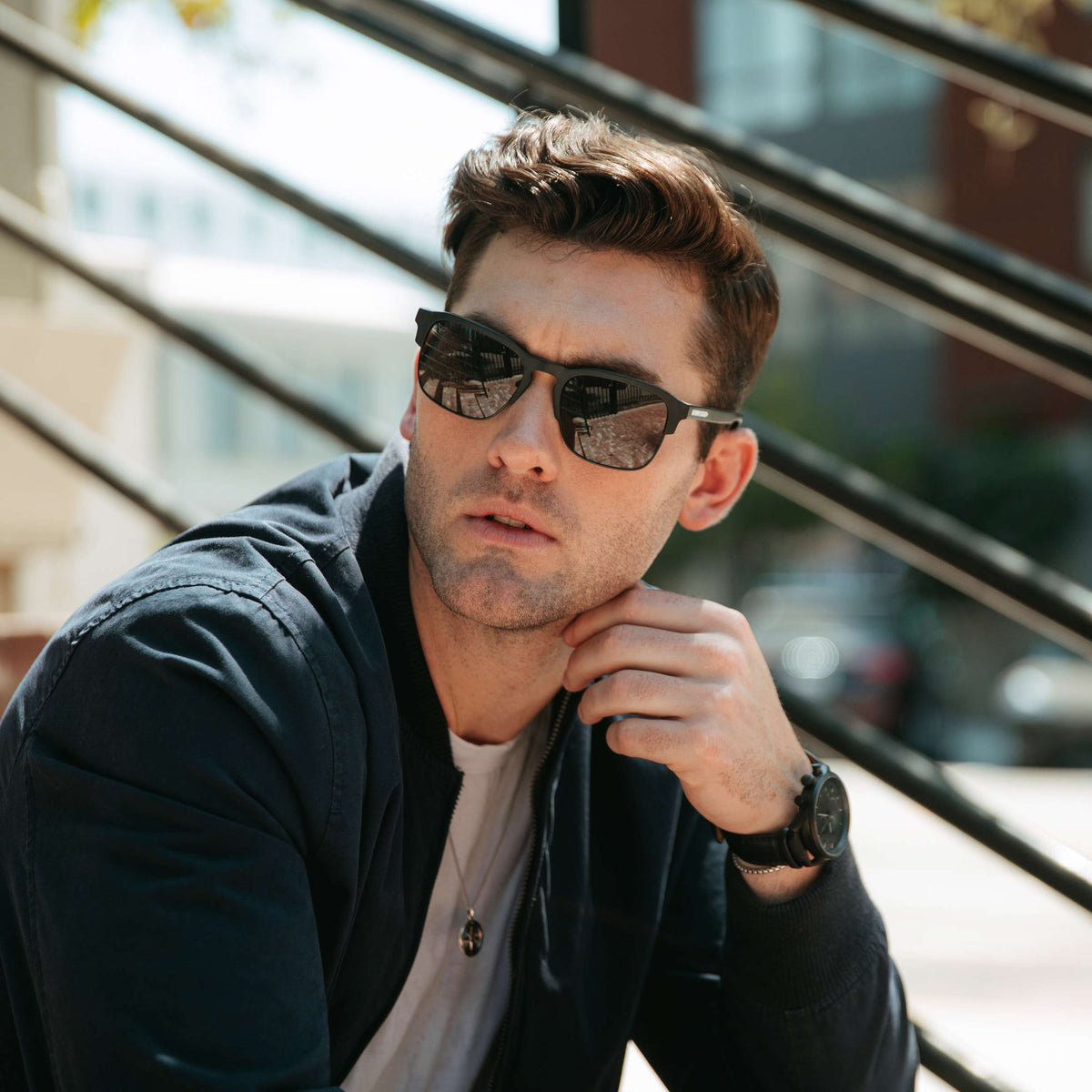
Mirrored lenses have a reflective coating that sends some light away from the eyes. They work well in very bright settings, such as skiing, boating, and high-altitude hiking.
A mirror coating can scratch if cleaned carelessly. Use clean water, lens spray, and a soft microfiber cloth instead of a shirt or paper towel.
Gradient Lenses
Gradient lenses are darker at the top and lighter at the bottom. They can be useful for driving because they shield the eyes from overhead light while allowing a clearer view of the dashboard.
They are less useful when strong light comes from many directions. For beach sports or snow activities, an evenly tinted lens often provides better coverage.
Blue-Light Filtering Lenses
Blue-light filtering sunglasses are often marketed for digital comfort. However, they should not replace proper UV protection or regular eye care.
For outdoor use, focus first on UV protection, glare control, lens quality, and fit. Digital eye strain is usually better managed through breaks, proper screen distance, and good lighting.

Choosing the Right Sunglasses for Your Face Shape
Frame shape can change the entire look of your face. The best sunglasses for men should create balance rather than repeat the same lines as your features.
Oval Face
Most frame styles work well with an oval face. Try rectangular, square, aviator, or rounded frames.
Avoid frames that are much wider than your face. A balanced width usually looks cleaner.
Round Face
Angular frames can add structure to a round face. Square and rectangular sunglasses are strong choices.
Thin, round frames may make the face look softer or fuller. That can still work if you prefer a relaxed vintage style.
Square Face
Round or oval frames can soften a strong jaw and broad forehead. Aviators and rounded metal frames are popular options.
If you prefer angular frames, choose one with slightly curved edges rather than sharp corners.
Heart-Shaped Face
Frames that are wider at the bottom can help balance a wider forehead and narrower chin. Aviator and rounded-bottom styles may work well.
Light-colored frames can also create a softer look than thick, dark frames.
Long Face
Tall lenses and larger frames can add visual balance to a longer face. Avoid very narrow sunglasses that make the face appear even longer.
The frame should be wide enough to cover the face without extending far beyond the temples.
Face shape guides are helpful, but they are not rules. Personal style and comfort matter more than a chart.
:max_bytes(150000):strip_icc()/tal-ray-ban-rb4420-kevin-gray-06-1-4eb485a2b08d4a198df24e9cf8e6bef5.jpeg)
How Sunglasses Should Fit
Even the best sunglasses for men will feel wrong if the fit is poor. Think of sunglasses like shoes: style matters, but comfort decides whether you actually wear them.
Check these areas:
• The frame should sit evenly across your nose.
• Your eyebrows may show slightly, but the lenses should cover your eyes well.
• The temples should rest gently against your head.
• The arms should not press hard behind your ears.
• Your eyelashes should not touch the lenses.
• The frame should not slide when you look down.
• The lenses should stay centered over your pupils.
A good frame does not need to feel tight to stay secure. If it leaves red marks or causes headaches, try a wider size or a different bridge shape.
Many brands list measurements in millimeters. These numbers usually show lens width, bridge width, and temple length. Compare them with a pair that already fits you well.
Frame Materials: Which Is Best?
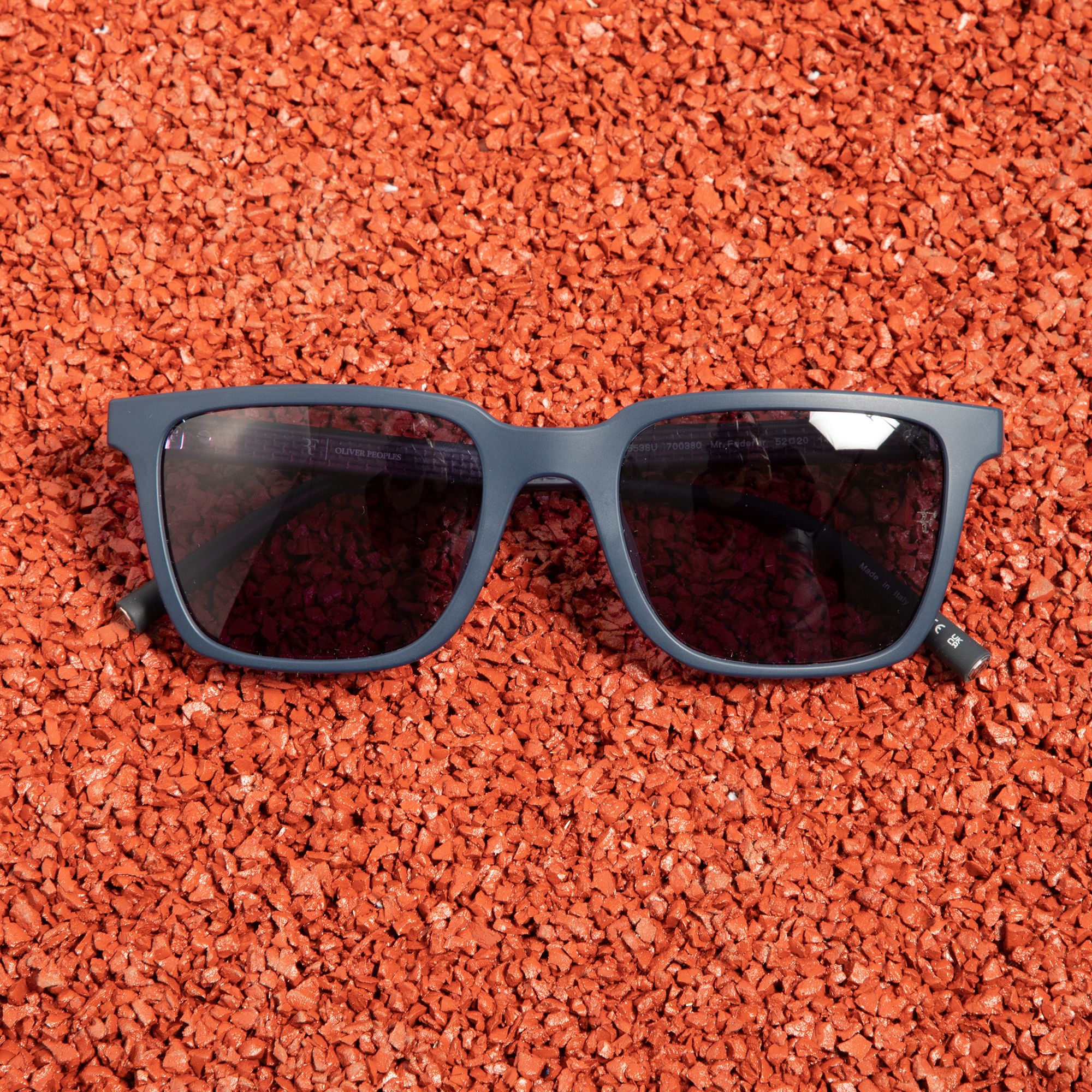
Frame material affects weight, strength, flexibility, and price. There is no single best material for every man.
Acetate
Acetate is a plant-based plastic known for rich colors and a polished finish. It is often used in premium frames and can be adjusted by an optician.
It is heavier than some nylon frames but can feel sturdy and comfortable.
Nylon
Nylon frames are light, flexible, and useful for sports or active wear. They often handle heat and movement well.
The trade-off is that some nylon frames may feel less refined than acetate or metal designs.
Stainless Steel
Stainless steel frames can be thin, light, and resistant to corrosion. They suit people who prefer a clean, minimal look.
Check the nose pads and hinges. These small parts often affect comfort more than the metal itself.
Titanium
Titanium is light, strong, and highly resistant to corrosion. It is often found in premium eyewear.
The main limitation is price. A well-made acetate or nylon frame may offer excellent value for everyday use.
Polycarbonate
Polycarbonate is common in sports sunglasses because it is light and impact resistant. It may show more optical distortion than high-end glass or premium plastic lenses, especially in curved designs.
For active use, safety and fit may matter more than a luxury finish.
Glass Versus Plastic Lenses
Glass lenses can offer excellent optical clarity and strong scratch resistance. However, they are heavier and may break or chip under impact.
Plastic lenses are lighter and more common in modern sunglasses. High-quality plastics can provide clear vision, good UV protection, and better impact resistance.
For daily wear, plastic lenses are usually the more practical choice. For careful use, glass can deliver a crisp view and a premium feel.
No lens material is scratch-proof. Store sunglasses in a hard case and clean them with a microfiber cloth.

How Much Should You Spend on Sunglasses?
The best sunglasses for men do not always cost the most. Price can reflect frame quality, lens technology, brand value, design, and warranty support.
A useful buying guide looks like this:
• Budget sunglasses: Good for basic UV protection if the label is trustworthy and the fit is comfortable.
• Mid-range sunglasses: Often offer better hinges, materials, lens clarity, and long-term comfort.
• Premium sunglasses: May provide higher-grade materials, custom fitting, advanced lenses, and stronger design details.
Do not pay more simply for a darker lens or a famous name. A moderately priced pair with verified UV protection may protect your eyes better than an expensive fashion pair with poor coverage.
If you lose sunglasses often, buy a dependable mid-range pair and keep a backup in your car or travel bag.
Common Mistakes to Avoid
Shopping for the best sunglasses for men becomes easier when you know what to reject.
Avoid these common mistakes:
• Choosing style before UV protection
• Buying a frame that pinches because it looks good
• Assuming dark lenses are safer
• Cleaning lenses with paper towels or clothing
• Leaving sunglasses on a hot dashboard
• Wearing scratched lenses that affect clear vision
• Buying sports sunglasses without testing movement and fit
• Ignoring glare when selecting lenses for driving or water use
Heat can warp some frames and damage lens coatings. A case protects sunglasses from keys, dust, and accidental pressure.
If you notice headaches, distorted vision, or unusual eye discomfort, stop using the pair and have your vision checked.

Sunglasses and Eye Health
Ultraviolet exposure can contribute to several eye problems, including cataracts, growths on the eye surface, and damage linked with long-term sun exposure. Children and adults both benefit from proper UV protection.
The American Academy of Ophthalmology recommends sunglasses that block 99% to 100% of UVA and UVB rays. Wraparound designs can offer extra protection by reducing light that enters from the sides.
Sunglasses do not replace a hat, shade, or regular eye exams. They are one part of a larger approach to eye health.
People with light-sensitive conditions or recent eye surgery should follow advice from an eye-care professional. Some medical needs call for special tints or prescription lenses.
Prescription Sunglasses for Men
Prescription sunglasses combine vision correction with sun protection. They are helpful if you wear glasses daily or struggle to see clearly without them.
You can choose prescription lenses in many frame styles, including polarized and photochromic options. Your eye-care provider can confirm which lens materials and coatings fit your prescription.
Prescription sunglasses may cost more than standard sunglasses. Still, they can be more useful than wearing contact lenses with nonprescription shades.
Make sure the frame is compatible with your prescription. Very curved frames may not work well with every lens strength.
My Practical Buying Advice
When I compare sunglasses, I start with fit and lens protection instead of brand reputation. A stylish frame that slides down my nose becomes frustrating within minutes, while a simple frame with good balance can become an everyday favorite.
One mistake I often see is buying a very dark pair for comfort. Darkness can reduce visible light, but it does not prove that the lenses block UV rays. I always look for clear UV400 or 100% UVA and UVB labeling from a reliable seller.
I also test sunglasses outside before keeping them. I walk, look down, turn my head, and check a phone screen. These small tests reveal problems that are easy to miss under bright store lighting.
My best practical tip is to buy based on your most common use. Choose polarized lenses for frequent glare, secure sport frames for outdoor activity, and a classic medium-tint frame for everyday wear.
A Simple Sunglasses Buying Checklist
Use this checklist before you buy:
-
Confirm 100% UVA and UVB protection or UV400 labeling.
-
Decide whether you need polarized, photochromic, gradient, or standard lenses.
-
Choose a frame that fits your face without pressure.
-
Check whether the lenses sit evenly over your eyes.
-
Move your head and look down to test stability.
-
Inspect the hinges, nose pads, and frame finish.
-
Consider where you will wear the sunglasses most often.
-
Buy from a seller with a return policy or fitting support.
-
Store the sunglasses in a hard case.
-
Replace them if the lenses are badly scratched or the frame is warped.
This process takes only a few minutes and helps prevent an expensive mistake.
Frequently Asked Questions About What Are the Best Sunglasses for Men
What are the best sunglasses for men for everyday use?
The best everyday sunglasses usually have 100% UV protection, a comfortable medium-size frame, and gray or brown lenses. Wayfarer, aviator, and rectangular styles are versatile choices for many outfits and face shapes.
Are polarized sunglasses better for men?
Polarized sunglasses are better for reducing reflected glare from roads, water, snow, and glass. They are not automatically better at blocking UV rays, so confirm that they provide full UVA and UVB protection.
What color lens is best for men?
Gray lenses keep colors fairly natural and work well for general use. Brown and amber lenses can improve contrast, while green lenses offer a balanced view in bright conditions.
How can men tell if sunglasses have UV protection?
Look for a label that says 100% UVA and UVB protection or UV400. For greater confidence, buy from a reputable retailer or ask an optician to test the lenses.
Are expensive sunglasses worth the money?
Expensive sunglasses can offer better materials, lens clarity, hinges, design, and service. However, price alone does not guarantee protection, so compare UV performance, fit, and build quality before buying.
Should men wear sunglasses on cloudy days?
Yes. Ultraviolet rays can reach your eyes through clouds, even when the day does not feel bright. Sunglasses are especially useful during long periods outside or near reflective surfaces.
How often should men replace sunglasses?
Replace sunglasses when the lenses are deeply scratched, the frame no longer fits, or the UV coating is damaged. With careful storage and cleaning, a quality pair can last for years.
Conclusion
The best sunglasses for men protect your eyes, control glare, fit your face, and match the way you live. Start with verified UV protection, then choose the lens type, frame shape, and material that suit your daily needs.
You do not need the most expensive pair. You need sunglasses that you will wear often and care for properly. Try on a few styles, test the fit in motion, and choose clear protection over marketing claims.
Use this guide the next time you shop, and share your favorite frame style or lens type in the comments.

Rubel Miah is the Senior Editor at MyStyleGrid.com, where he brings a sharp editorial eye and an unshakable love for fashion to everything he does. A true style addict, Rubel lives and breathes trends, from streetwear to high fashion, and has a knack for turning inspiration into impactful stories. With years of experience in fashion journalism and digital media, he curates content that empowers readers to express themselves through style. When he’s not editing features or forecasting the next big thing, you’ll find him hunting down vintage pieces or capturing street style moments around the city.