Most newborns wear US infant shoe size 0 or 1, but foot length matters most.
Knowing what size do newborns wear in shoes can feel confusing because baby shoe sizes vary by brand, and newborn feet grow quickly. In most cases, newborns need soft booties or socks instead of firm shoes. This guide explains how newborn shoe sizes work, how to measure tiny feet, and how to choose a safe, comfortable fit.
What size do newborns wear in shoes?
Most newborns wear a US infant size 0 or 1. Some brands label these sizes as “newborn,” “0 to 3 months,” or “pre-walker.” The label is only a starting point because baby feet do not all grow at the same rate.
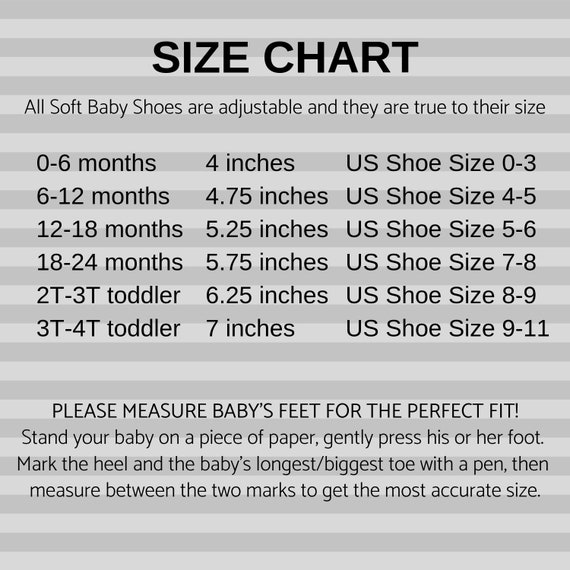
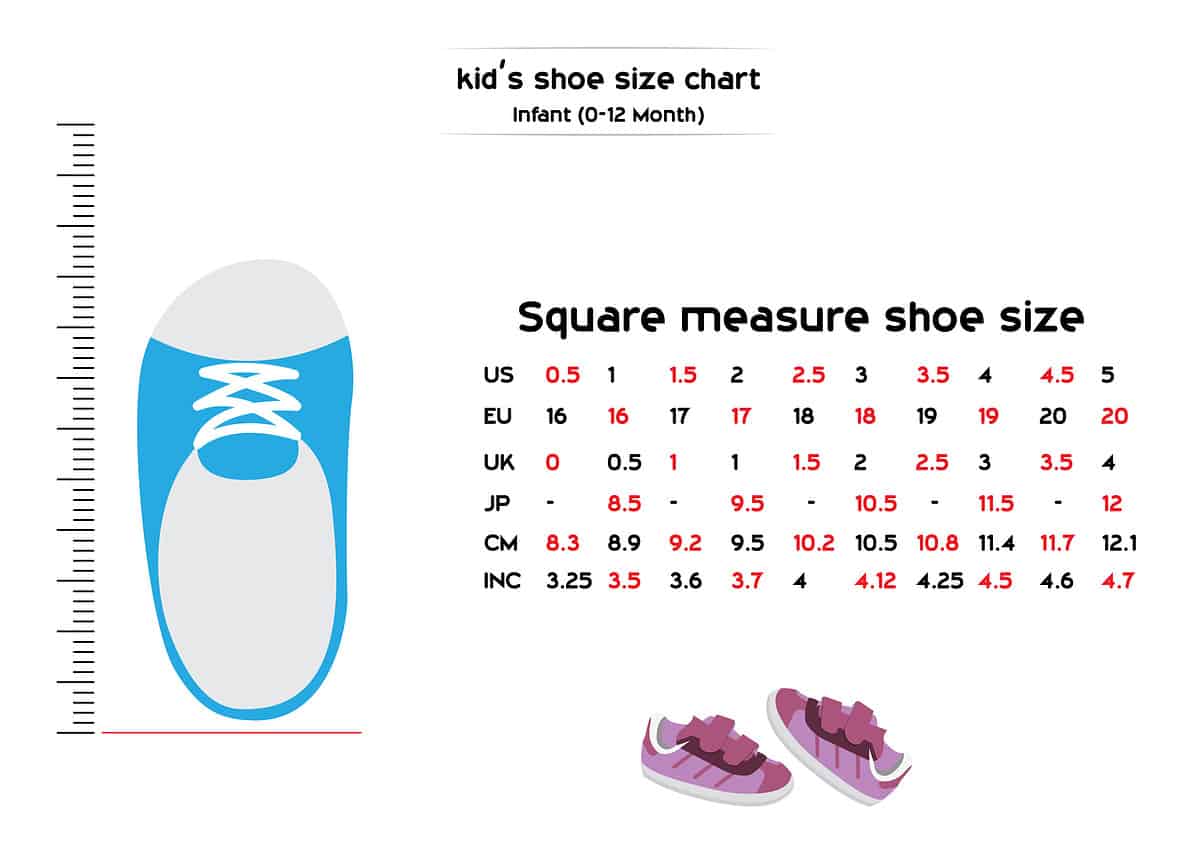
A typical newborn foot measures about 3.25 to 3.75 inches long. However, birth size, genetics, and early growth can change this range. Always check the brand’s size chart before buying.
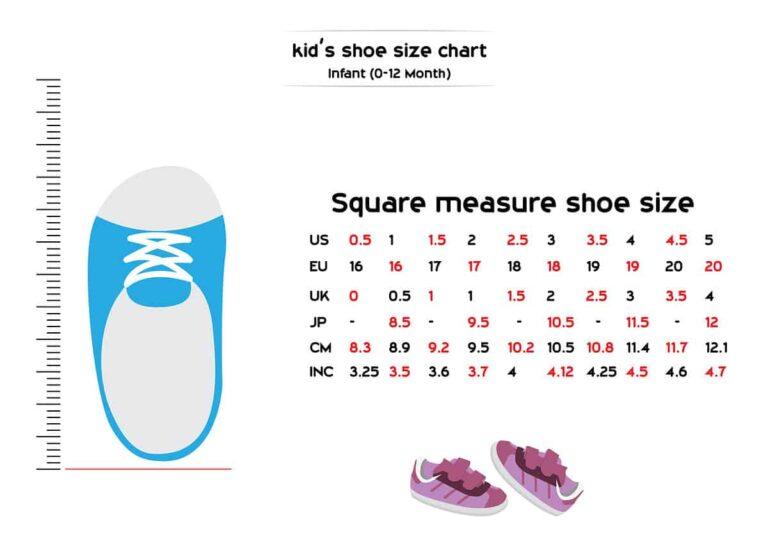
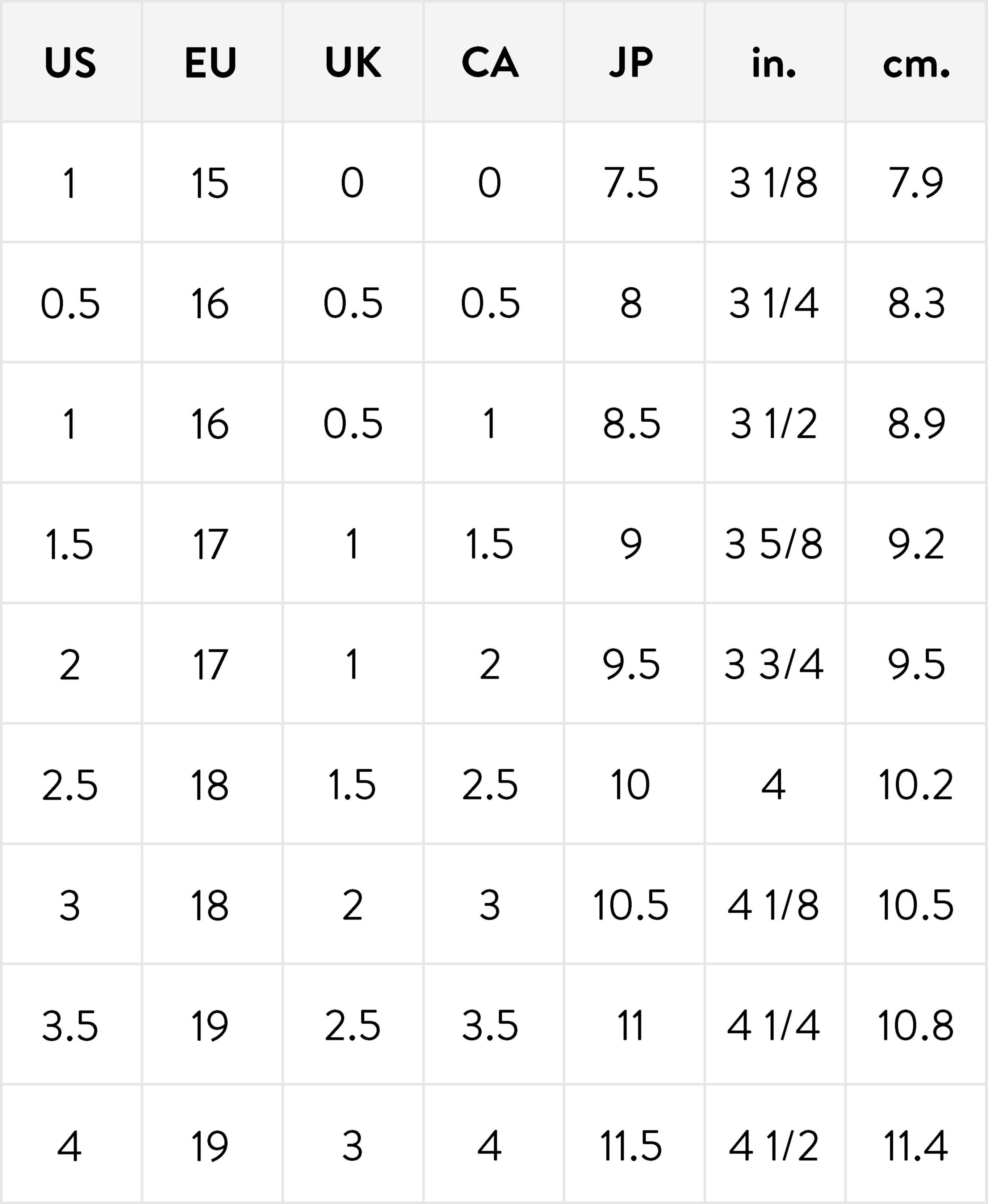
Here is a general US baby shoe guide:
| US shoe size | Approximate foot length | Common age label |
|---|---|---|
| 0 | 3.25 inches | Newborn |
| 1 | 3.5 inches | 0 to 3 months |
| 2 | 3.75 inches | 3 to 6 months |
| 3 | 4.125 inches | 6 to 9 months |
These measurements are estimates, not strict rules. One brand’s size 1 may fit like another brand’s size 0. The best fit comes from measuring your baby’s foot and comparing it with the maker’s chart.
Do newborns really need shoes?
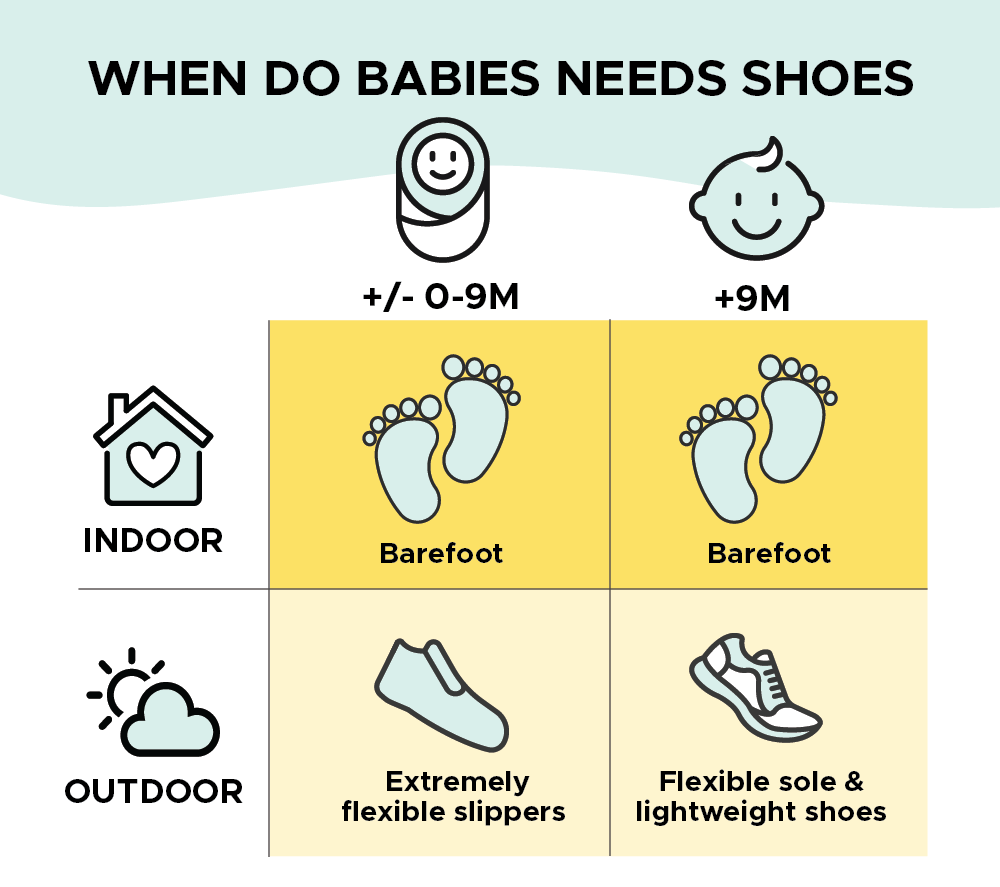
Newborns usually do not need structured shoes. They are not walking, and firm soles can restrict natural foot movement. Warm socks, soft booties, or flexible crib shoes are usually enough for comfort and protection.
The American Academy of Pediatrics and pediatric foot specialists generally support barefoot movement for early development. Once a baby begins walking, flexible shoes can help protect the feet outdoors. Before then, shoes are mainly for warmth, clothing, or special events.
Choose soft footwear for:
• Keeping feet warm in cold weather
• Protecting feet from rough surfaces
• Completing an outfit for photos or events
• Covering the feet during short trips outside
Avoid using shoes that feel stiff, heavy, tight, or hard to bend. A newborn’s foot is soft and still developing. Think of a soft bootie as a cozy blanket for the foot, not a tiny adult shoe.
How newborn shoe sizes work
Baby shoe sizes in the United States usually begin at size 0 or newborn. The numbers then increase as the foot grows. Some companies use age ranges, while others list only foot length.
Common labels include:
• Newborn or NB: Often fits a foot around 3.25 to 3.5 inches
• 0 to 3 months: Often fits a foot around 3.5 to 3.75 inches
• 3 to 6 months: Often fits a foot around 3.75 to 4 inches
• Pre-walker: A soft shoe made for babies who are not yet walking
Age labels can be helpful, but they are not exact. A large newborn may outgrow a newborn shoe within weeks. A smaller baby may wear the same size for longer.
When researching what size do newborns wear in shoes, parents often focus on the number. Foot length, width, and shoe shape are just as important. A narrow shoe may pinch even when the length seems correct.
How to measure a newborn’s feet
Measuring a newborn’s foot at home is simple, but babies rarely hold still. Measure when your baby is calm, and ask another adult to help if possible.
Follow these steps:
-
Place a sheet of paper on a firm, flat surface.
-
Put your baby’s foot gently on the paper.
-
Keep the heel lightly against a straight edge.
-
Mark the end of the longest toe.
-
Measure from the heel mark to the longest toe.
-
Repeat with the other foot.
-
Use the larger measurement when choosing a size.
Measure both feet because one foot may be slightly longer than the other. This difference is normal. Do not force the toes straight or press hard on the foot.
If your baby curls the toes, try measuring while the baby is relaxed or asleep. You can also trace the foot, but tracing may be less accurate if the pencil angles inward. A paper outline should be used as a guide, not as a replacement for the brand’s chart.
How much room should newborn shoes have?
Newborn shoes should fit securely without squeezing. There should be a small amount of extra space in front of the longest toe, but the shoe should not be so loose that it slips off.
For soft newborn footwear, about 0.25 to 0.5 inches of growing room is usually reasonable. More space can make the shoe bunch up or fall off. Less space may press on the toes.
Check these parts of the fit:
• Toe area: Toes should move freely and should not be curled.
• Heel: The shoe should stay on without leaving deep red marks.
• Width: The sides should not press into the foot.
• Ankle: Closures should feel secure but not tight.
• Sole: The sole should be soft and easy to bend.
Remove the shoe after several minutes and look for red marks. A faint mark that fades quickly may not be serious, but deep marks, swelling, or persistent redness signal a poor fit.
When deciding what size do newborns wear in shoes, comfort should always come before appearance. A slightly plain, soft shoe is better than a stiff shoe that looks cute but restricts movement.
What type of shoes are best for newborns?
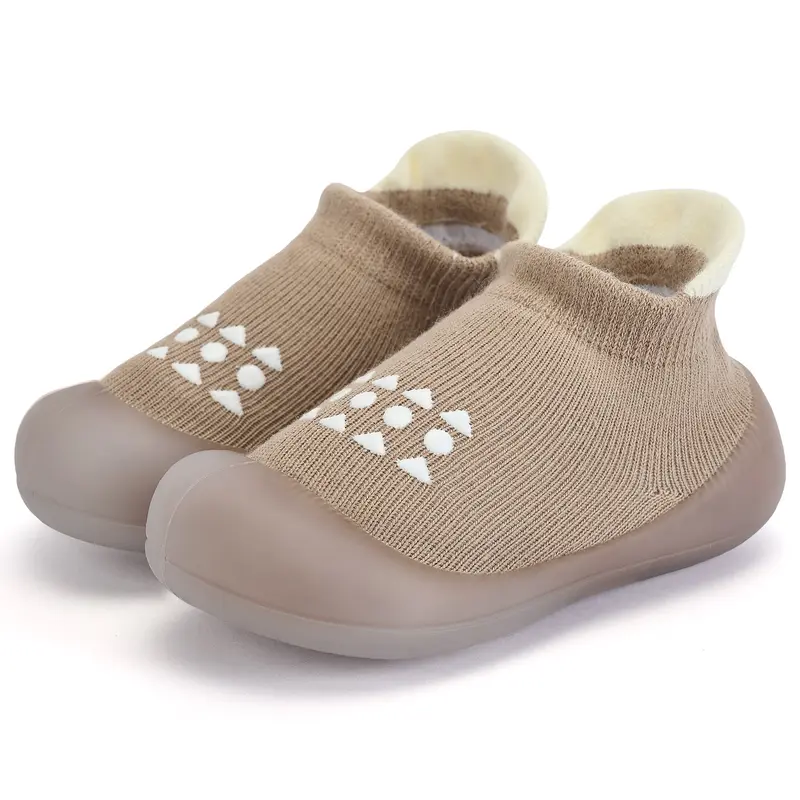
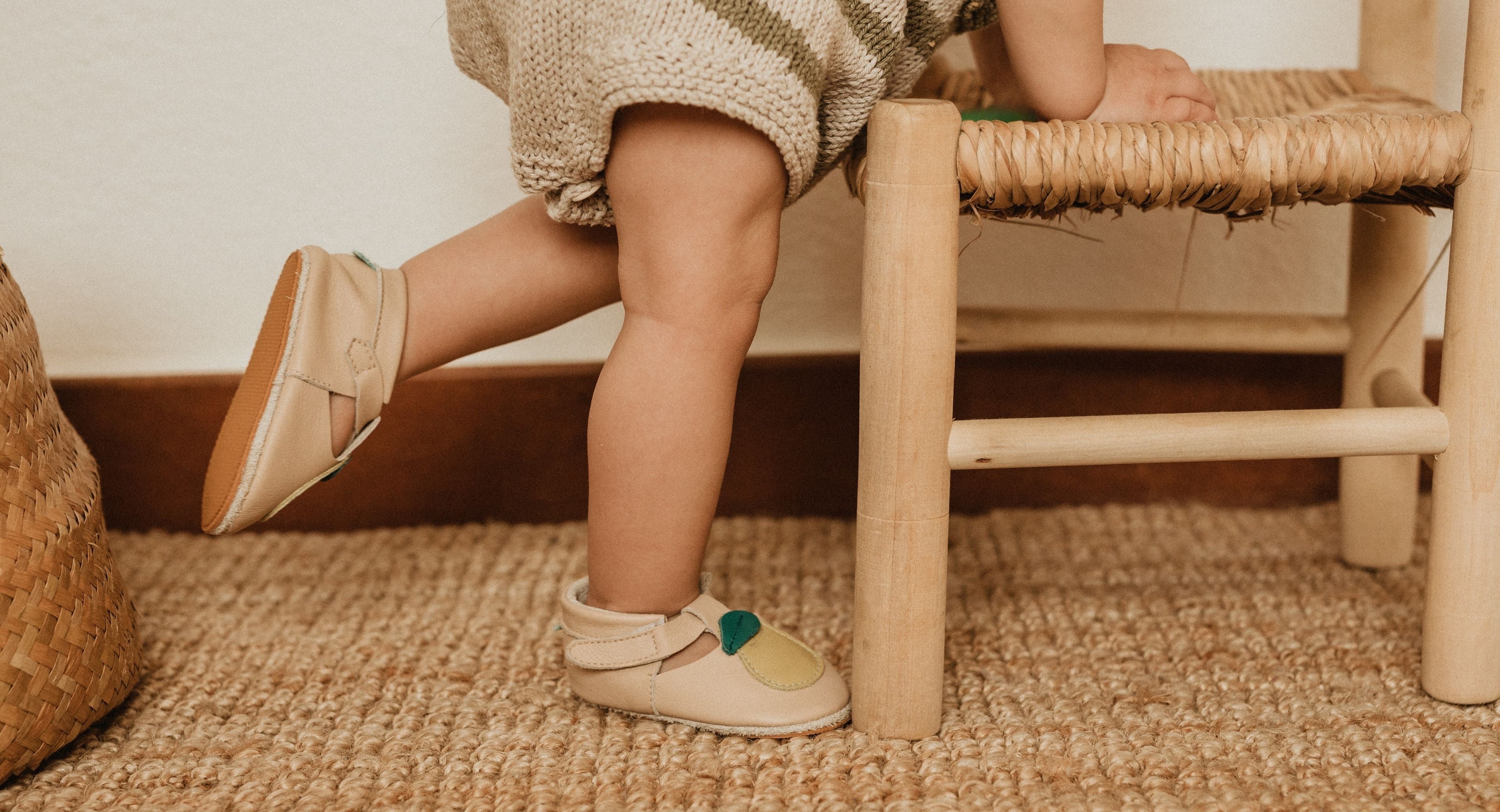
The best newborn shoes are lightweight, soft, breathable, and easy to remove. They should not have hard soles, sharp seams, or tight elastic.
Good choices include:
• Soft cotton booties
• Fleece booties for cold weather
• Flexible knit shoes
• Leather moccasins with soft soles
• Lightweight pre-walker shoes
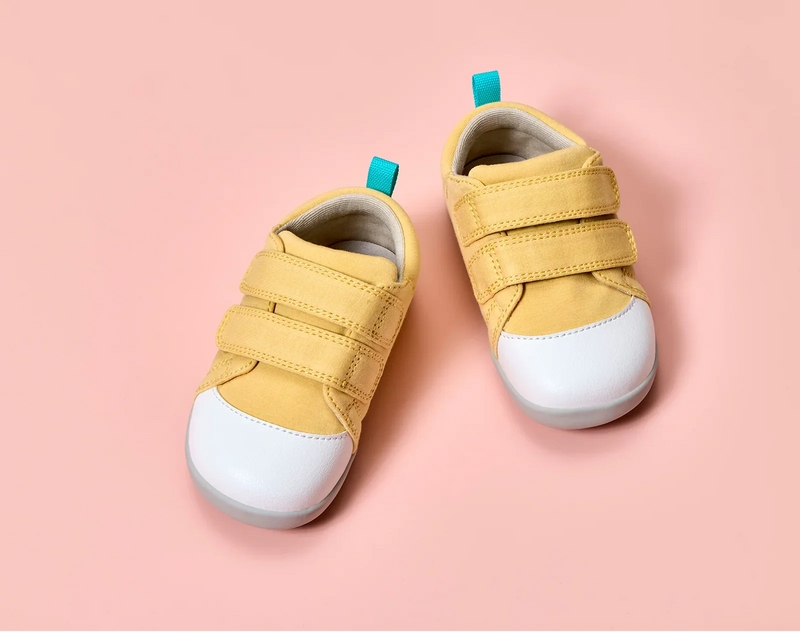
Look for wide openings and adjustable closures. Hook-and-loop straps, gentle elastic, and soft ties can work well. Avoid long laces that may come loose or wrap around the ankle.
Material also matters. Cotton and breathable leather can help reduce heat and moisture. Plastic or stiff synthetic materials may trap heat and rub the skin.
For winter, choose warmth without bulk. Oversized shoes can slip off, while very thick socks inside a tight shoe can reduce circulation. Check your baby’s feet often, especially during outdoor walks.
Common mistakes when buying newborn shoes
Parents often buy newborn shoes before birth. This is understandable, but it can lead to a poor fit because babies vary so much in size. A shoe that fits a newborn in one family may be too small or too wide for another baby.
Common mistakes include:
• Buying only by age: Age ranges are estimates.
• Ignoring width: A correct length can still feel tight.
• Buying a hard sole: Newborns do not need walking support.
• Choosing fashion over comfort: Decorative details may rub the skin.
• Buying too many pairs: Babies may outgrow them before wearing them.
• Forgetting socks: Thick socks can change the fit.
• Not checking both feet: Feet may differ slightly in length.
A practical approach is to buy one soft pair after your baby arrives. Measure the feet, check the return policy, and keep the packaging until you know the shoes fit.
A useful fitting lesson from newborn clothing and footwear is to leave room for real life. Babies kick, stretch, and move. A shoe that fits perfectly while the foot is still may feel tight once the baby begins wiggling.

How fast do newborn feet grow?
Newborn feet can grow quickly during the first year. Some babies move up a size every few months, while others stay in one size longer. Growth is not always steady.
Check the fit every few weeks by looking at the toes, heel, and skin. Do not wait for your baby to complain, since infants cannot tell you that a shoe hurts.
Signs that shoes may be too small include:
• Toes pressing against the front
• Toes curling under
• Red marks that do not fade
• Blisters or rubbed skin
• A shoe that is difficult to put on
• A heel that slips because the foot is being pushed forward
When your baby begins standing or walking, reassess the footwear. A pre-walker shoe may no longer provide enough protection outdoors. At that stage, a pediatrician or qualified shoe fitter can offer useful guidance.
The answer to what size do newborns wear in shoes may change within a short time. That is why frequent checks are more useful than buying several pairs at once.

Newborn shoe size conversion tips
US, UK, and European baby shoe sizes do not match exactly. A US infant size 1 may be listed differently in another country. Always use foot length in inches or centimeters when converting sizes.
A rough guide may look like this:
• US infant 0: About 3.25 inches or 8.3 centimeters
• US infant 1: About 3.5 inches or 8.9 centimeters
• US infant 2: About 3.75 inches or 9.5 centimeters
• US infant 3: About 4.125 inches or 10.5 centimeters
These conversions can differ between brands. European sizing often uses a different scale, and UK infant sizes may not line up perfectly with US sizes.
If you are buying from an international seller, compare the exact foot-length measurement. Do not rely on a simple statement such as “US size 1 equals EU size 17” unless the seller provides its own chart.
This is especially important when buying gifts. If you do not know the baby’s foot length, soft booties with flexible openings are safer than structured shoes in a fixed size.
What to look for when buying newborn shoes online
Online shopping is convenient, but product photos cannot show how a shoe feels. Read the measurement chart and product details before placing an order.
Use this checklist:
• Find the brand’s foot-length chart.
• Confirm whether the measurement includes growing room.
• Check whether the shoe is wide, narrow, or standard.
• Read reviews about sizing and fit.
• Look for clear return or exchange terms.
• Confirm the material and sole flexibility.
• Avoid products with small parts that could detach.
Newborn shoes sold online may use terms such as “crib shoes,” “first walkers,” or “infant sneakers.” These names do not always describe the same type of shoe. Read the sole description carefully.
If a listing gives only an age range and no measurement, treat it as a rough estimate. The safest answer to what size do newborns wear in shoes comes from a measured foot, not a marketing label.
Frequently Asked Questions About What Size Do Newborns Wear in Shoes
What is the average newborn shoe size?
Most newborns wear US infant size 0 or 1. The average foot is often about 3.25 to 3.75 inches long, but a baby’s actual measurement is more reliable than age or weight.
Do newborns need size 0 or size 1 shoes?
Many newborns fit size 0, while larger newborns may fit size 1. Brand sizing differs, so measure the foot and compare it with the maker’s chart before buying.
Should newborn shoes be tight or loose?
Newborn shoes should be secure but not tight. Leave about 0.25 to 0.5 inches of room at the toe, and make sure the shoe does not slip, bunch, or leave deep marks.
Are socks better than shoes for newborns?
For most newborns, socks or soft booties are more useful than structured shoes. They keep the feet warm without limiting natural movement.
How often should I check a newborn’s shoe fit?
Check the fit every few weeks and whenever your baby seems uncomfortable. Look for toe pressure, red marks, blisters, or difficulty putting the shoes on.
Can newborns wear walking shoes?
Newborns can wear soft pre-walker shoes for warmth or protection, but they do not need firm walking shoes. Hard soles are more appropriate only when a child is walking and needs outdoor foot protection.
Conclusion
Most newborns wear US infant shoe size 0 or 1, but foot length and comfort matter more than the size label. Newborns usually do best in soft socks, booties, or flexible crib shoes rather than firm footwear.
Measure both feet, compare the larger measurement with the brand’s chart, and leave a small amount of growing room. Check often because newborn feet can grow fast. Use these steps to choose a comfortable fit, and share your fitting tips or questions in the comments.

Rubel Miah is the Senior Editor at MyStyleGrid.com, where he brings a sharp editorial eye and an unshakable love for fashion to everything he does. A true style addict, Rubel lives and breathes trends, from streetwear to high fashion, and has a knack for turning inspiration into impactful stories. With years of experience in fashion journalism and digital media, he curates content that empowers readers to express themselves through style. When he’s not editing features or forecasting the next big thing, you’ll find him hunting down vintage pieces or capturing street style moments around the city.