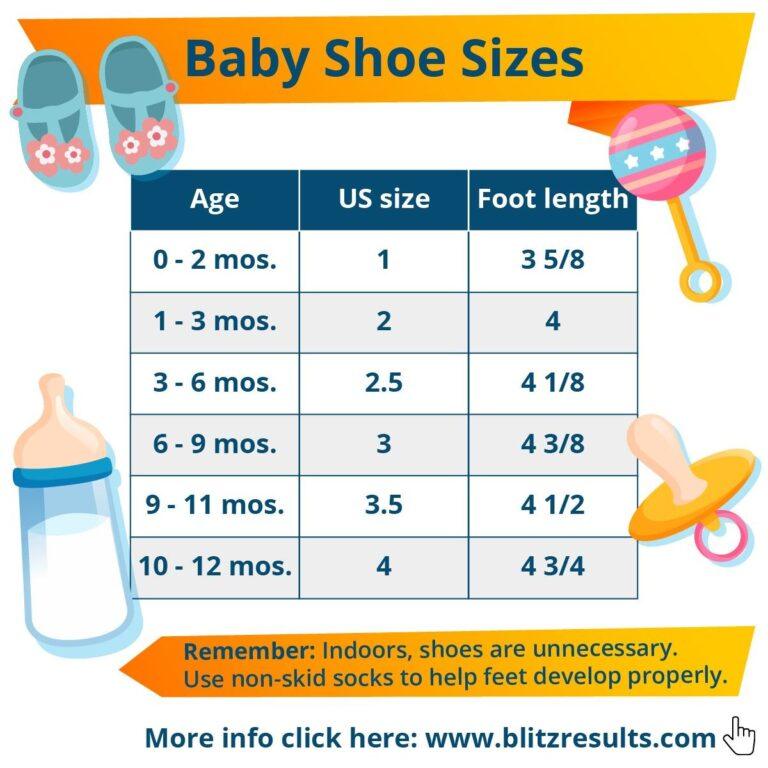
Most 3-month-old babies wear US infant shoe size 0 to 1, but foot length matters more than age.
Parents often ask, “what size shoe does 3 month old wear?” The best answer depends on your baby’s foot shape, growth rate, and the brand’s size chart. At this age, babies usually need soft socks or flexible booties rather than firm shoes, so accurate measuring is more useful than guessing by age.
What size shoe does a 3 month old wear?
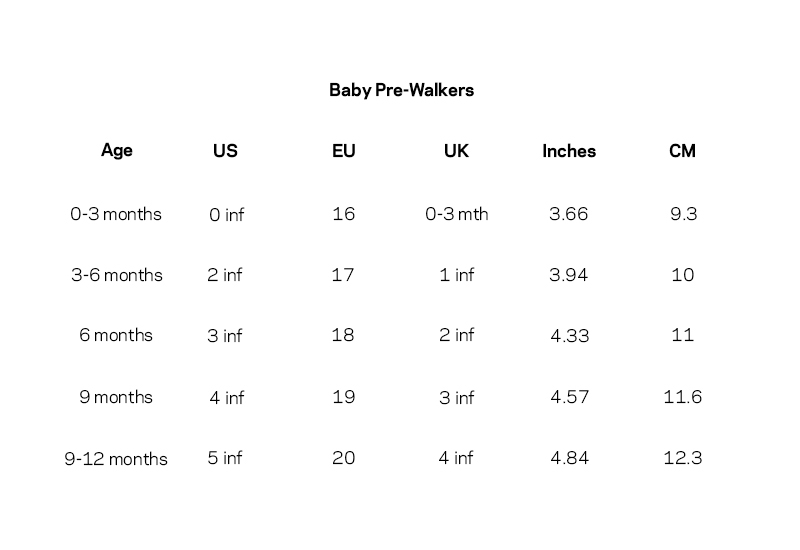
A 3-month-old baby commonly wears a US infant shoe size 0 or 1. Some babies may fit a size newborn or size 2, because infant feet grow at different rates.
Typical measurements are:
| US infant size | Approximate foot length | Typical age range |
|---|---|---|
| Newborn | Up to 3.25 inches | Newborn to 3 months |
| 0 | About 3.25 to 3.5 inches | 0 to 3 months |
| 1 | About 3.5 to 3.75 inches | 3 to 6 months |
| 2 | About 3.75 to 4 inches | 6 to 9 months |
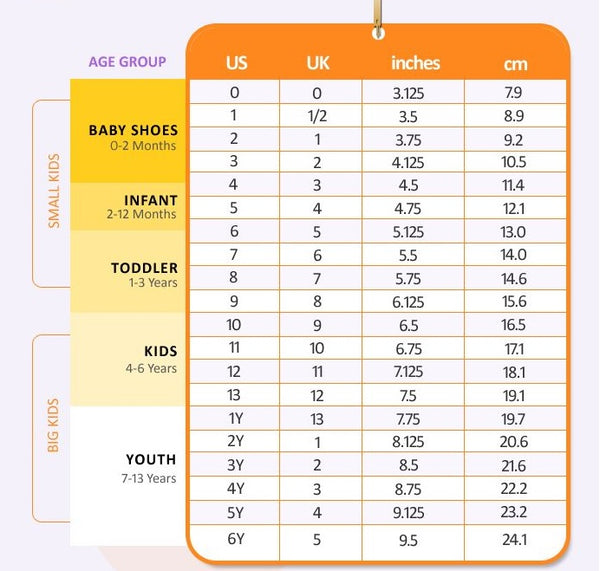
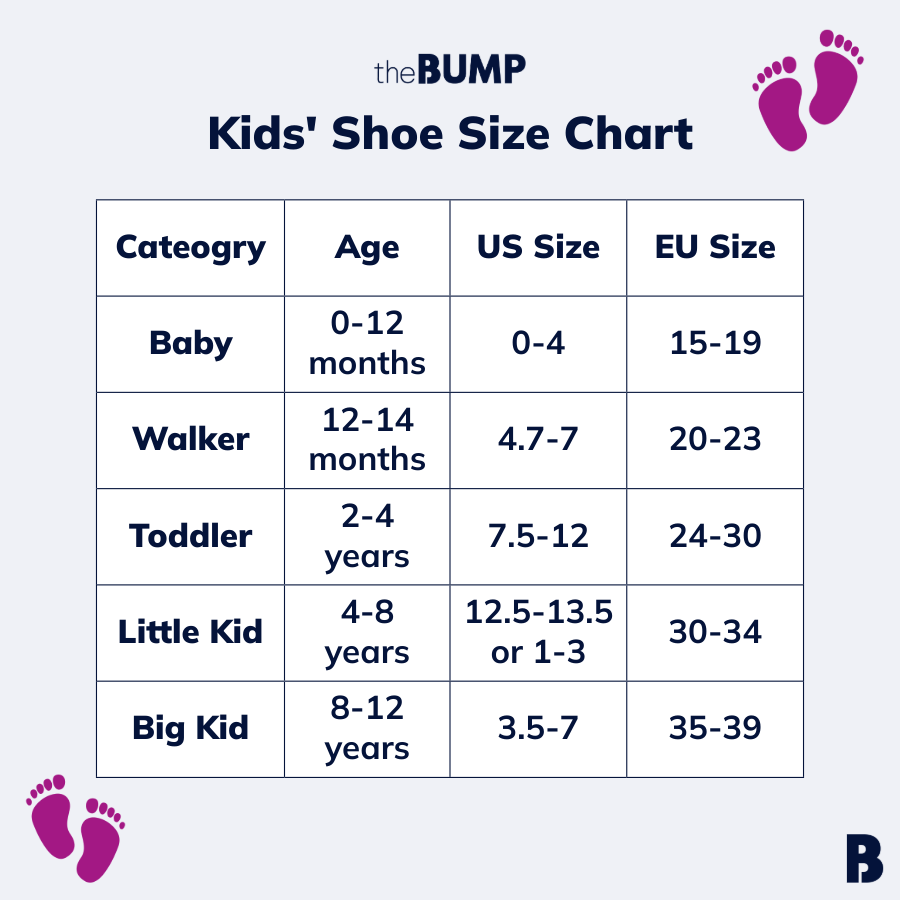
These ranges are only general guides. A size 1 from one brand may fit like a size 0 from another. When deciding what size shoe does 3 month old wear, always compare your baby’s measured foot length with the brand’s chart.
At 3 months, shoes are usually for warmth, photos, or special events. Most babies are not walking yet, so they do not need structured support. Soft booties, stretchy socks, and flexible crib shoes are often the better choice.

Do 3 month old babies need shoes?
Most 3-month-old babies do not need shoes for walking. Their feet are still developing, and they spend much of the day lying down, sitting with support, or being carried.
Bare feet help babies move their toes and feel different surfaces. This natural movement supports early foot awareness. Soft socks can keep feet warm, while flexible booties can protect them outdoors.
For everyday use, choose footwear that:
• Feels soft and light
• Allows the toes to move freely
• Has no stiff arch support
• Does not squeeze the ankle
• Uses breathable fabric
• Has secure but gentle fasteners
Avoid hard soles, narrow toe boxes, heavy shoes, and stiff leather styles. These can restrict normal movement and may leave pressure marks.
A useful rule is simple: if your baby is not walking, the shoe should act more like a warm cover than a walking tool.
How to measure a 3 month old’s feet
Measuring your baby’s feet takes only a few minutes. It is the most reliable way to decide what size shoe does 3 month old wear.
Follow these steps:
-
Place a sheet of paper on a flat floor.
-
Put your baby in a standing position only if they can safely bear weight with support. Otherwise, measure while the foot is relaxed.
-
Place the heel near the edge of the paper.
-
Mark the end of the longest toe.
-
Measure from the heel mark to the toe mark.
-
Measure both feet.
-
Use the longer foot when checking a size chart.
For a young baby, the toes may curl during measurement. Gently rub the sole or wait until your baby is calm. Do not press the toes flat or force the foot into a fixed position.
Measure with the type of sock your baby will wear. If the shoe is for a cold day, leave a little room for a thin sock. Do not add a large amount of extra space, since loose shoes can slip off or bunch under the foot.
How much room should baby shoes have?
Baby shoes should have enough space for natural movement, but they should not be loose. A small amount of extra room helps account for growth and socks.
For a 3-month-old, aim for about ⅛ to ¼ inch of space beyond the longest toe. Some brands suggest up to ⅜ inch, especially for soft booties. Check the brand’s instructions because sizing systems vary.
The shoe should also meet these fit checks:
• The heel stays in place when your baby moves.
• The toes are not curled or pressed together.
• The upper does not leave deep marks.
• The ankle opening does not pinch.
• The shoe does not fall off after gentle movement.
A shoe that is too large can be just as uncomfortable as one that is too small. It may twist, rub the heel, or become a choking risk if it comes off.
When checking what size shoe does 3 month old wear, fit the shoe while your baby is wearing the same socks used with it. This small step prevents many sizing mistakes.

Signs that baby shoes are too small
Babies cannot tell you that a shoe hurts. Parents must look for physical signs and changes in behavior.
Remove the shoes and check for:
• Red marks that remain after several minutes
• Blisters or rubbed skin
• Toes pressed against the front
• Toes that look pale, purple, or cramped
• Swelling around the ankle
• A baby who repeatedly kicks the shoes off
• Fussing soon after the shoes are put on
A baby may kick simply because they are exploring. Still, repeated fussing paired with marks or tightness suggests a poor fit.
Do not rely only on the printed size. A growing baby may outgrow a shoe before reaching the age listed on the package. Check the fit every few weeks, especially during the first year.
How often should you check a baby’s shoe size?
Baby feet can grow quickly, but growth is not the same for every child. Check the fit about once a month, or sooner if the shoes seem tight.
You should also recheck the size when:
• Your baby moves into a thicker sock
• The foot looks wider or fuller
• The heel slips out
• The baby starts pulling up or cruising
• You buy a different shoe brand
• The shoe leaves marks
Many parents buy several pairs in one size because the shoes look cute. This can waste money if the baby grows before wearing them. A better approach is to buy one well-fitting pair for the current need and measure again before buying more.
In my experience with baby-product guidance, the most common mistake is choosing shoes based on age alone. The second is buying several sizes ahead. Age ranges are helpful, but the foot measurement and the actual fit should make the final decision.
Best types of shoes for a 3 month old
The best footwear depends on the setting. At home, bare feet or socks are usually enough. Outside, soft booties can add warmth and light protection.
Good choices include:
Soft baby booties
Booties made from fleece, cotton, or soft knit fabric are useful in cool weather. Look for a wide shape and a gentle closure.
Flexible crib shoes
Crib shoes are designed for babies who are not yet walking. They should bend easily and feel light in your hand.
Stretchy socks with grips
Grip socks may help later when a baby begins standing, but they are not needed for a young infant who is not mobile. Make sure the elastic does not leave marks.
Soft leather shoes
Soft leather can be comfortable if it bends easily and does not restrict the toes. Check the inside for rough seams.
Avoid walking shoes with thick rubber soles at this age. They are often heavier and less flexible than a young baby needs.

Common baby shoe sizing mistakes
Knowing what size shoe does 3 month old wear is helpful, but avoiding common errors is even more important.
Buying by age alone
A package may say “0 to 3 months,” but babies of the same age can have very different foot lengths. Use the size chart and measure both feet.
Choosing a size that is too large
Parents often size up because babies grow fast. A little room is helpful, but an oversized shoe can slip and rub.
Ignoring foot width
Some babies have wide, chubby feet. Others have narrow feet. A shoe can be long enough but still too tight across the middle.
Using stiff shoes too early
Firm shoes do not help a baby learn to walk. They may limit toe movement and make the shoe uncomfortable.
Forgetting to inspect the inside
Loose threads, hard seams, and rough labels can irritate delicate skin. Turn the shoe inside out before the first use.
Keeping shoes on all day
Shoes are not necessary indoors for most 3-month-olds. Remove them during naps and at home when warmth and safety allow.
Does foot shape affect infant shoe size?
Yes. Foot shape can change the best shoe size and style. Some babies have wide forefeet, high insteps, or round toes. Others have slim feet that slide inside wide shoes.
A good infant shoe should follow the natural shape of the foot. The toe area should be broad, and the upper should stretch without squeezing.
If your baby has a noticeable foot difference, swelling, unusual stiffness, or trouble moving one foot, speak with a pediatrician. Most differences are normal, but a health professional can assess concerns that a shoe chart cannot explain.
It is also normal for one foot to be slightly longer than the other. Fit the shoes to the longer foot, and avoid trying to correct a small difference with extra-tight fastening.
When should a baby move to walking shoes?
A baby usually needs true walking shoes only after taking independent steps outdoors. Crawling, standing, and cruising indoors do not automatically require shoes.
When the time comes, choose shoes with:
• A flexible sole
• A wide toe box
• A secure heel
• A lightweight design
• Good grip without excessive stiffness
At that stage, measure the feet again. Do not assume the infant shoe size will continue to fit. A baby may move from soft booties to first walkers at a different age than another child.
Pediatric foot specialists commonly recommend allowing early walkers to spend safe indoor time barefoot. Shoes should protect the feet from heat, cold, sharp objects, and rough ground rather than force a particular walking pattern.
Frequently Asked Questions About What Size Shoe Does 3 Month Old Wear
What size shoe does a 3 month old wear in the United States?
Most 3-month-old babies wear US infant size 0 or 1. However, some may fit a newborn size or size 2, so measure the foot and compare it with the brand’s chart.
What is the average shoe size for a 3 month old?
The average range is often around US infant size 0 to 1, with a foot length of about 3.25 to 3.75 inches. These figures are estimates, not medical standards or guarantees of fit.
Should a 3 month old wear hard-soled shoes?
No. A 3-month-old usually does not need hard-soled shoes because they are not walking. Soft socks, booties, or flexible crib shoes are more suitable for warmth and comfort.
How much room should baby shoes have?
Leave about ⅛ to ¼ inch of space beyond the longest toe, unless the brand gives different instructions. The shoe should not slide off, pinch the ankle, or allow the foot to move excessively.
How do I know if my baby’s shoes are too small?
Look for red marks, blisters, curled toes, swelling, or repeated fussing after the shoes go on. Remove the shoes and inspect the feet after a few minutes of wear.
Can a 3 month old wear size 2 shoes?
Yes, if the measured foot matches the brand’s size 2 chart and the shoe fits securely. Do not choose size 2 only because you expect your baby to grow into it.
Should babies wear shoes indoors?
Most 3-month-old babies do not need shoes indoors. Bare feet or soft socks allow natural toe movement, unless shoes are needed for warmth or a medical reason.
Conclusion
So, what size shoe does 3 month old wear? In most cases, the answer is US infant size 0 or 1, but your baby’s measured foot length is the best guide. Choose soft, light footwear with room for the toes, and avoid stiff or oversized shoes.
Measure both feet, check the fit often, and remember that a 3-month-old usually needs warmth and comfort—not walking support. Use these steps before your next purchase, and share your experience or questions in the comments.

Rubel Miah is the Senior Editor at MyStyleGrid.com, where he brings a sharp editorial eye and an unshakable love for fashion to everything he does. A true style addict, Rubel lives and breathes trends, from streetwear to high fashion, and has a knack for turning inspiration into impactful stories. With years of experience in fashion journalism and digital media, he curates content that empowers readers to express themselves through style. When he’s not editing features or forecasting the next big thing, you’ll find him hunting down vintage pieces or capturing street style moments around the city.