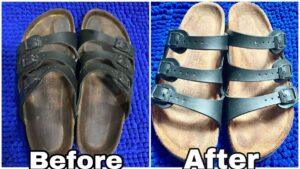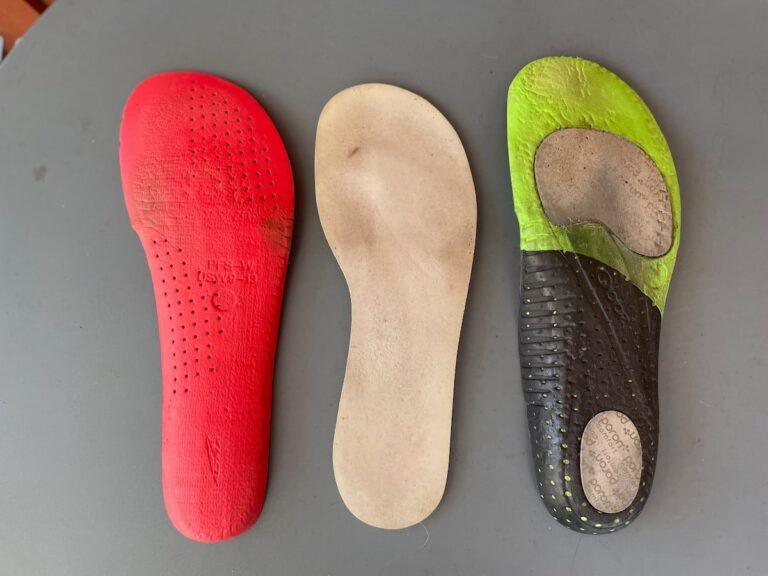
Insoles are the removable layers inside shoes that add comfort, support, fit, and shock absorption.
If you have ever wondered why one pair of shoes feels great and another leaves your feet sore, the answer is often the insole. I work with shoe comfort topics all the time, and this small part of the shoe can make a huge difference in how you walk, stand, and feel by the end of the day. In this guide, I’ll break down what insoles in shoes are, how they work, the different types, and how to choose the right one for your feet.
What Are Insoles in Shoes?
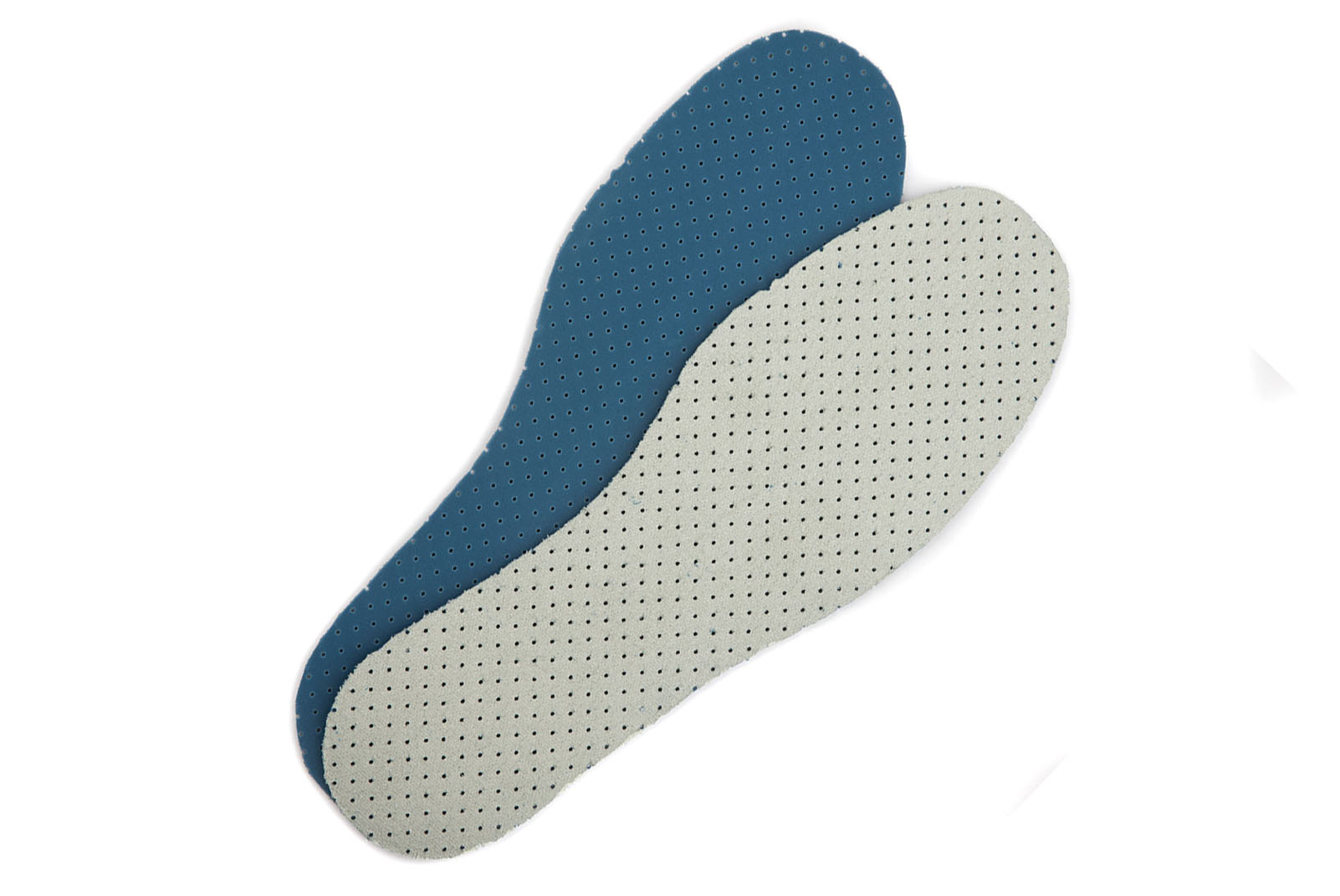
Insoles are the inner layer of a shoe that sits directly under your foot. Some people call them footbeds, inner soles, or inserts, but the idea is the same: they help shape how the shoe feels from the inside.
A good insole can do several jobs at once.
- Add cushioning for softer steps
- Improve support for the arch and heel
- Help shoes fit more securely
- Reduce pressure in sensitive areas
- Absorb impact when you walk or run
In everyday shoes, the stock insole is often thin and basic. In better shoes, it may be shaped to support the foot more carefully. In aftermarket options, you can replace it with a different insole that better matches your needs.
How Insoles Work Inside a Shoe
Think of an insole like the mattress under your foot. If it is too flat, too hard, or too thin, your foot has to work harder. If it is shaped well, it can help spread pressure more evenly and make each step feel easier.
Insoles work by changing three main things:
- Pressure distribution: They spread force across the foot instead of letting it build in one spot
- Shock absorption: They soften the impact from walking, running, or standing
- Foot alignment: They can help guide the foot into a more stable position
This matters because your feet are the base of your body. If the base feels off, your knees, hips, and back may feel it too.
Types of Insoles in Shoes
Not all insoles are built for the same purpose. Some are designed for comfort, while others are made for support or sport use. Choosing the right type depends on how you use your shoes and what problems you want to solve.
Cushioned Insoles
These are made for softness and comfort. They are common in casual shoes, sneakers, and work shoes.
They are a good choice if you want:
- More padding underfoot
- Less impact during long walks
- Extra comfort in stiff shoes
Supportive Insoles
These are shaped to support the arch and heel more firmly. They are often used by people who need better structure inside the shoe.
They may help with:
- Flat feet
- Overpronation
- Tired feet from standing all day
Orthotic Insoles
Orthotic insoles are designed for more specific foot problems. Some are over-the-counter, while others are custom-made by a specialist.
They are often used for:
- Plantar fasciitis
- Foot pain from alignment issues
- Postural support needs
Sport Insoles
These are made for movement, impact, and performance. Athletes often use them in running shoes, training shoes, and cleats.
They can help with:
- Shock control
- Stability during fast movement
- Better energy return in some designs
Heat-Moldable Insoles
These insoles soften with heat and shape themselves more closely to your foot. They are often used in performance footwear and custom-fit setups.
They can be useful if you want:
- A more personal fit
- Better contact with the shoe
- Extra control without full custom orthotics
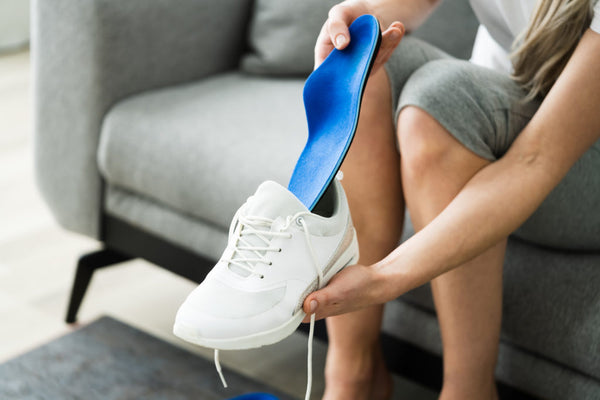
What Are Insoles in Shoes Made Of?
The material matters because it changes comfort, durability, and support. I’ve seen many people buy insoles based only on price, then wonder why they flattened out too fast. Material choice makes a big difference.
Common materials include:
- Foam: Soft, light, and common in comfort insoles
- Memory foam: Molds to the foot and adds pressure relief
- Gel: Helps with shock absorption and a cushioned feel
- EVA foam: Light and flexible, often used in sports insoles
- Cork: Firm, stable, and often used in supportive designs
- Leather: Durable and breathable in some dress shoe insoles
Each material has trade-offs. Foam feels nice at first, but it may wear out faster. Cork and firmer materials usually last longer, but they may not feel as plush right away.
Why Insoles Matter for Foot Health
A shoe can look great and still be wrong for your foot. That is where insoles become important. They can help reduce strain and make shoes work better for daily life.
Insoles may help with:
- Foot fatigue from standing or walking
- Heel pain linked to poor cushioning
- Arch discomfort from weak support
- Blisters caused by rubbing or movement
- Slippage inside shoes from poor fit
That said, insoles are not magic. If the shoe is the wrong size or shape, an insole can improve it only so much. I always tell people that an insole should support a good shoe fit, not try to rescue a bad one.
How to Know If You Need Insoles
You may need insoles if your shoes feel fine at first but hurt later. That is a common sign that the shoe is not giving your foot enough support over time.
Look for these signs:
- Your feet feel sore after a normal day
- You get heel pain when you first stand up
- Your arches feel tired or unsupported
- Your shoes wear down unevenly
- You feel more comfort in one pair of shoes than another
I once wore a pair of walking shoes with almost no arch support on a full travel day. The shoes were soft enough, but by evening my feet felt like they had done double duty. A better insole fixed most of that issue the next time.
Benefits of Using Insoles in Shoes
The right insole can improve both comfort and function. For many people, it is one of the easiest upgrades they can make.
Main benefits include:
- Better comfort during long wear
- Improved fit in slightly loose shoes
- More support for arches and heels
- Less impact on joints during movement
- Reduced foot fatigue
Some people also notice better posture and less strain up the chain in the ankles, knees, and lower back. Results vary, though, because everyone’s foot shape and walking pattern are different.
Limitations of Insoles
It is important to be honest about what insoles can and cannot do. They help many people, but they are not a cure for every pain problem.
Limitations include:
- They cannot fix a shoe that is the wrong size
- They may not solve severe foot pain
- Cheap insoles can flatten quickly
- Some thick insoles make shoes feel tighter
- The wrong insole can create new pressure points
If pain is strong, constant, or getting worse, it is smart to speak with a foot care professional. Insoles are a tool, not a diagnosis.
How to Choose the Right Insoles
Picking the right insole is easier when you match it to your shoe and your needs. Start with the problem you want to solve.
Use this simple process:
-
Identify the pain or discomfort
- Heel pain, arch pain, toe pressure, or fatigue each points to a different need.
-
Check your shoe type
- Running shoes, dress shoes, boots, and work shoes each need different insole shapes.
-
Think about your foot shape
- High arches, flat feet, and neutral arches often need different support levels.
-
Compare thickness
- Thicker is not always better if your shoes already fit snugly.
-
Test them gradually
- Wear new insoles for a few hours first, then increase use over time.
From experience, the biggest mistake people make is choosing too much support too fast. A strong arch support in the wrong shoe can feel worse than no insole at all.
Are Insoles the Same as Orthotics?
Not exactly. The two terms are often used like they mean the same thing, but there is a difference.
Insoles are a broad category. They include comfort inserts, support pads, and replacement footbeds. Orthotics are usually more structured and are meant to address a specific foot condition or alignment issue.
Here is the simple version:
- Insoles: General comfort or support
- Orthotics: More targeted foot correction or treatment
Custom orthotics are usually prescribed or fitted by a specialist. Over-the-counter insoles are easier to buy and work well for many everyday needs.
How Long Do Insoles Last?
The lifespan depends on material, use, and body weight. A pair used every day will wear out faster than one used only on weekends.
Typical signs that insoles need replacing:
- They feel flattened
- The top layer is peeling
- Cushioning is gone
- Odors remain after cleaning
- Your feet start hurting again
For many people, replacement happens every 6 to 12 months, but performance insoles or high-use work insoles may wear out sooner. If the support no longer feels right, it is time to replace them.
Caring for Insoles
Good care can make insoles last longer and smell better. I learned early that letting them stay damp too long is a fast way to ruin comfort.
Simple care tips:
- Remove them from shoes after heavy use
- Let them air dry fully
- Wipe them with a damp cloth if the material allows
- Avoid direct high heat unless the manufacturer says it is safe
- Replace them when they lose shape
Clean, dry insoles also help reduce odor and keep shoes feeling fresh.
Frequently Asked Questions of what are insoles in shoes
What is the main purpose of insoles in shoes?
The main purpose of insoles is to improve comfort, support, and fit. They help reduce pressure on the foot and can make walking or standing feel easier.
Can insoles help with foot pain?
Yes, insoles can help with common foot pain caused by poor cushioning, weak arch support, or pressure points. They work best when the shoe also fits properly.
Do all shoes come with insoles?
Most shoes come with a basic insole, but not all are removable. Many stock insoles are thin and simple, so people often replace them for better comfort or support.
How do I know if my insoles fit correctly?
A good insole should lie flat inside the shoe without bunching or sliding. It should not make the shoe too tight or press your foot in a way that causes discomfort.
Are expensive insoles always better?
Not always. The best insole is the one that matches your foot shape, shoe type, and comfort needs. A well-made mid-price insole can work better than a costly one that does not fit your foot properly.
Can insoles make shoes smaller?
Yes, thicker insoles can reduce the inside space of a shoe. If your shoes already fit tightly, choose a thinner design or a low-profile insole.
Conclusion
Insoles in shoes are more than just soft padding. They shape comfort, improve support, and can make a big difference in how your feet feel during the day. When chosen well, the right insole can help with pain, fit, and overall shoe performance.
If you remember one thing, let it be this: the best insole is the one that matches your foot, your shoe, and your daily routine. Take a little time to test options, and you may find that a small change brings a big upgrade. If this guide helped you, keep learning about shoe fit and comfort, and share your own insole experience in the comments.

Rubel Miah is the Senior Editor at MyStyleGrid.com, where he brings a sharp editorial eye and an unshakable love for fashion to everything he does. A true style addict, Rubel lives and breathes trends, from streetwear to high fashion, and has a knack for turning inspiration into impactful stories. With years of experience in fashion journalism and digital media, he curates content that empowers readers to express themselves through style. When he’s not editing features or forecasting the next big thing, you’ll find him hunting down vintage pieces or capturing street style moments around the city.