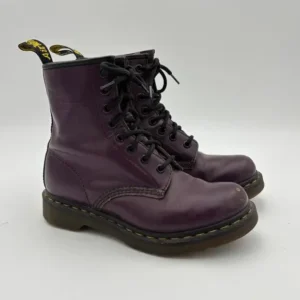
Combat boots usually cost $40 to $300, while premium handmade pairs can exceed $400.
Knowing how much combat boots cost helps you compare style, comfort, materials, and long-term value before you buy. I have found that the cheapest pair is not always the best deal, especially when poor fit, weak soles, or fast wear lead to another purchase. This guide breaks down combat boot prices by type, explains what affects the cost, and shows how to choose a pair that fits both your feet and your budget.
Average Combat Boot Prices
Most combat boots cost between $40 and $300 in the United States. The price depends on the boot’s purpose, materials, brand, construction, and added features.
Here is a simple price guide:


• Budget combat boots: $40 to $80
• Mid-range combat boots: $80 to $160
• Premium combat boots: $160 to $300
• Handmade or heritage combat boots: $300 to $500 or more
• Military surplus combat boots: $30 to $120
• Fashion combat boots: $60 to $220
• Tactical or duty boots: $80 to $250
A low-cost boot may look similar to a premium model, but the differences often appear after weeks of use. Stitching, lining, ankle support, sole grip, and leather quality can strongly affect comfort and durability.
The answer to “how much are combat boots” also changes during seasonal sales. Retailers often reduce prices during holiday events, end-of-season clearances, and military surplus promotions.

Combat Boot Prices by Type
Different combat boots serve different needs. A fashion boot for daily outfits does not need the same features as a duty boot for long hours outdoors.
Fashion Combat Boots
Fashion combat boots usually cost $60 to $220. They often use leather, synthetic leather, or canvas and may focus more on appearance than protection.
Popular features include:
• Thick platform soles
• Metal eyelets
• Side zippers
• Decorative straps
• Smooth or patterned leather
• Lightweight synthetic materials
Fashion boots can work well for casual use, concerts, travel, and streetwear. However, some models have stiff soles, limited arch support, or thin inner padding.
Tactical Combat Boots
Tactical combat boots usually cost $80 to $250. They are made for outdoor work, security, training, hiking, or duty use.
Common features include:


• Slip-resistant soles
• Breathable mesh panels
• Reinforced toe caps
• Padded collars
• Quick-lace systems
• Water-resistant or waterproof membranes
• Strong ankle support
If you wear boots for eight or more hours, tactical features may offer better value than fashion details. Still, not every tactical boot suits every foot. A boot can be tough but uncomfortable if the shape is too narrow or the arch sits in the wrong place.
Military Surplus Combat Boots
Military surplus combat boots often cost $30 to $120. These boots may be new, lightly used, refurbished, or sold as surplus from older contracts.
Surplus boots can be a smart choice for buyers who want rugged construction at a lower price. Their main risks are inconsistent sizing, storage damage, worn soles, and outdated materials.
Always check:
• The boot’s condition
• The return policy
• The manufacturing date, when available
• Signs of cracked leather
• Dry or separating soles
• Whether both boots are the same size and model
Heritage and Handmade Combat Boots
Heritage combat boots can cost $250 to $500 or more. These boots often use full-grain leather, strong stitching, quality midsoles, and replaceable soles.
The higher price may provide better long-term value if you care for the boots. A well-made pair can often be cleaned, conditioned, repaired, and resoled instead of replaced.
Still, expensive does not automatically mean comfortable. Thick leather may require a break-in period, and heavy boots may feel tiring during long walks.
What Makes Combat Boots More Expensive?
When people ask how much are combat boots, they often focus on the brand. Brand reputation matters, but several physical features usually explain the price more clearly.
Leather Quality
Full-grain leather is usually more expensive than corrected-grain leather, split leather, or synthetic leather. It can develop a rich finish over time and may resist wear when cared for properly.
Leather quality also affects break-in time. A stiff full-grain boot may feel hard at first, while a soft fashion boot may feel comfortable right away but wear out sooner.
Boot Construction
Construction describes how the upper, midsole, and outsole connect.
Common methods include:


• Cemented construction: The sole is glued to the upper. It is often light and affordable but may be harder to repair.
• Direct attach construction: The sole is molded or bonded directly to the upper. It can offer good flexibility and water resistance.
• Goodyear welt construction: A welt joins the upper, midsole, and outsole. This design is often durable and easier to resole.
• Stitchdown construction: The upper is folded outward and stitched to the sole area. It can provide strong support and a stable platform.
Premium construction can raise the price, but it may also extend the boot’s useful life.
Waterproofing
Waterproof combat boots often cost more than regular leather boots. Waterproof membranes, sealed seams, and treated materials add manufacturing costs.
Water-resistant boots repel light rain but may leak during deep puddles or long exposure. Waterproof boots provide stronger protection, yet they can feel warmer and less breathable.
Choose waterproofing based on your daily use. A breathable boot may be better for hot weather, while a waterproof model can help in wet climates.
Sole Quality
The outsole affects grip, shock absorption, weight, and durability. Rubber compounds vary widely.
A good outsole should provide:
• Reliable traction on wet ground
• Enough flexibility for natural movement
• Resistance to oil or abrasion when needed
• Stable support under the heel
• A tread pattern suited to your environment
Some premium boots cost more because their soles can be replaced. This matters if the upper remains in good condition.
Comfort Features
Extra padding and support can increase the price. Look for features such as removable insoles, cushioned footbeds, padded tongues, and supportive heel counters.
However, more padding is not always better. Excess padding can trap heat or make the boot feel tight. Comfort comes from the entire fit, not one soft lining.
Are Expensive Combat Boots Worth the Money?
Expensive combat boots can be worth the money when you wear them often, need strong protection, or want a repairable product. They may offer better materials, stronger construction, and more consistent quality control.
A $250 pair worn for five years may cost less per year than a $60 pair replaced every season. This is the basic idea of cost per wear.
Use this simple calculation:


- Add the purchase price and expected repair costs.
- Estimate how many years the boots may last.
- Divide the total cost by the number of years.
- Compare that result with cheaper boots.
For example, a $240 pair that lasts four years costs about $60 per year before repairs. A $70 pair that lasts one year may cost more over the same period.
That does not mean every premium boot is a good investment. Some high-priced models charge mainly for branding or fashion design. Read the product details, check reviews, and inspect the return policy.
In my experience with boot selection, the biggest mistake is buying based only on appearance. A stylish boot that causes heel pain or toe pressure often stays in the closet. Fit and purpose should come before brand name.
How to Choose Combat Boots on a Budget
You do not need to spend hundreds of dollars to find useful combat boots. A clear buying plan can help you avoid poor quality and unnecessary features.
Set Your Real Budget
Decide how much combat boots are worth for your use before you shop. Someone who wears boots twice a month may not need a $300 heritage pair. Someone who works outdoors every day may save money by buying better materials.
A practical budget guide looks like this:
• Occasional fashion use: $50 to $100
• Regular city wear: $80 to $160
• Hiking or outdoor work: $100 to $220
• Daily duty or professional use: $140 to $300
• Long-term heritage wear: $250 and above
Check the Fit Carefully
Measure both feet at the end of the day. Feet often swell slightly after walking, so evening measurements may give a more realistic fit.
Wear the socks you plan to use with the boots. Your toes should have room to move, but your heel should not lift sharply with each step.
Watch for these problems:
• Toes touching the front
• Pressure across the widest part of the foot
• Heel slipping more than a small amount
• Ankle rubbing
• Numbness or tingling
• A sharp crease pressing on your foot
Do not expect severe pain to disappear during break-in. Mild stiffness may improve, but pinching and numbness usually signal a poor fit.
Look for Useful Features
Focus on features that match your needs:
• Choose breathable panels for hot weather.
• Choose waterproofing for frequent rain.
• Choose a lugged sole for loose ground.
• Choose a lighter boot for travel and daily walking.
• Choose a resoleable construction for long-term use.
• Choose a safety toe only when your work requires it.


Avoid paying extra for features you will never use.
Read Reviews With Care
Reviews can reveal common problems, such as narrow sizing, sole separation, or weak zippers. Give more weight to reviews from people who use the boots in conditions similar to yours.
A review from a person wearing the boots at a desk may not help someone hiking in snow. Look for details about hours of wear, climate, terrain, and foot shape.
Where to Buy Combat Boots
You can buy combat boots from brand websites, outdoor retailers, workwear stores, department stores, military surplus shops, and online marketplaces.
Each option has advantages and limits.
Brand Websites
Brand websites usually offer accurate product details and the widest size range. They may also provide better warranty support.
The downside is that prices may be higher unless the brand runs a sale.
Outdoor and Workwear Stores
Physical stores allow you to try on different sizes and shapes. This is helpful because boot sizing is not fully consistent between brands.
Try on both boots and walk on a hard surface for several minutes. If the store allows it, test stairs or an incline.
Military Surplus Stores
Surplus stores can offer excellent value. They are also useful for finding older military designs and rugged field boots.
Inspect every pair carefully. Surplus inventory can vary, and some boots may have been stored for years.
Online Marketplaces
Online marketplaces often have discounts and a large selection. Before buying, confirm:
• The seller’s rating
• The return window
• Whether the boots are new or used
• The exact size and width
• Shipping charges
• Warranty coverage
When comparing how much are combat boots online, include shipping, taxes, and return costs. A cheaper listing may not be cheaper after those charges.


How to Save Money on Combat Boots
Smart timing and careful shopping can lower the final price without sacrificing quality.
• Shop end-of-season sales when stores clear old stock.
• Check outlet sections for discontinued colors or models.
• Compare prices across several authorized retailers.
• Look for open-box pairs with full return rights.
• Consider lightly used boots only after checking hygiene and condition.
• Buy replacement insoles instead of replacing boots for minor foot discomfort.
• Use conditioner and clean dirt from leather to extend its life.
• Confirm that sale boots are returnable before ordering.
Be careful with prices that seem unusually low. Counterfeit products, damaged stock, and misleading listings can create more cost later.
A low price is useful only when the boot is genuine, safe, and suitable for your needs.
How to Care for Combat Boots
Good care can make a major difference in how long combat boots last. Dirt and moisture slowly weaken leather, stitching, and adhesives.
Follow these basic steps:
- Brush off dirt after use.
- Let wet boots dry at room temperature.
- Remove the insoles so moisture can escape.
- Apply a suitable conditioner to smooth leather.
- Avoid direct heat from heaters, hair dryers, or fireplaces.
- Replace worn laces before they fail.
- Clean the outsole when mud fills the tread.
Do not use the same product on every material. Suede, nubuck, smooth leather, and synthetic uppers need different care.
If the sole starts separating, repair it early. A small repair may prevent water damage and further separation. For expensive boots, a professional cobbler can inspect the welt, heel, and sole before you spend money on repairs.
Common Mistakes When Buying Combat Boots
Many buyers ask how much are combat boots but overlook the hidden costs of a poor choice. These mistakes are easy to avoid.
Buying the Wrong Size
A boot that feels tight in the store may become painful after several hours. A boot that feels loose may cause blisters and poor control.
Check the fit with the socks you plan to wear. If you need a different width, do not try to solve the problem by sizing up several sizes.
Ignoring Weight
Heavy boots can feel strong, but weight adds up with every step. If you walk many miles, a lighter tactical boot may serve you better than a thick heritage boot.
For short city use, weight may matter less. For travel or work, it can strongly affect fatigue.
Choosing Style Over Function
A platform boot may look excellent but offer poor traction. A sleek leather boot may not breathe well in hot weather. Match the design to your daily setting.
Skipping the Return Policy
Even accurate measurements cannot guarantee a perfect fit. A clear return policy protects you when the boot shape does not suit your foot.
Expecting Instant Comfort
Most leather combat boots need some break-in time. Wear them for short periods at home first, and stop if you feel sharp pain, numbness, or rubbing.
Frequently Asked Questions About How Much Are Combat Boots
How much are combat boots for everyday wear?
Everyday combat boots usually cost $60 to $180. Fashion-focused pairs may cost less, while better leather, stronger soles, and improved comfort can raise the price.
How much are combat boots for military or tactical use?
Military and tactical combat boots commonly cost $80 to $250. Professional models may cost more because they use stronger materials, waterproof membranes, safety features, or specialized soles.
Are $50 combat boots any good?
Some $50 combat boots are suitable for occasional wear, costumes, or light outdoor use. They may not provide the durability, support, or weather protection needed for daily work.
Are expensive combat boots worth it?
They can be worth it if you wear them often and choose durable materials with repairable construction. A high price is not a guarantee of quality, so compare fit, materials, reviews, and warranty terms.
How long should combat boots last?
Basic combat boots may last one to two years with regular use. Well-made boots can last several years or longer when cleaned, conditioned, and repaired as needed.
Can I find military surplus combat boots under $100?
Yes, many military surplus combat boots cost between $30 and $100. Check the condition, sizing, sole age, and return policy before buying.
Conclusion
Combat boots usually cost $40 to $300, with budget fashion pairs at the low end and premium handmade boots at the high end. The best choice depends on your use, foot shape, weather, walking needs, and expected lifespan.
Before buying, compare construction, leather, sole quality, support, waterproofing, and return policies. Think beyond the sticker price and consider cost per wear. A well-fitting $120 pair may serve you better than a painful $250 pair.
Use this guide to set a realistic budget, try boots on with the right socks, and choose features that match your daily life. Explore trusted retailers, compare current prices, and share your favorite combat boot model in the comments.
Madison Clark is a footwear expert and the voice behind MyStyleGrid.com. She specializes in honest shoe reviews, style tips, and practical guides to help readers find the perfect pair for any occasion. With years of experience in blogging and content creation, Madison makes footwear knowledge simple, stylish, and easy to follow.