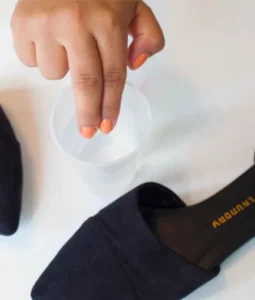
If shoes bought in the United States feel loose, you may be able to make them fit better by shrinking the upper with controlled moisture and mild heat. This works best on leather, suede, canvas, and cotton. It works poorly on plastic-based synthetic materials.
The safest option is to shrink shoes only a little. Most home methods can reduce looseness, but they cannot reliably turn a full-size shoe into a half-size smaller shoe. Too much water or heat may warp the shoe, damage the glue, stain the material, or ruin the shape.
Before you begin, check the shoe label and the maker’s care guide. If the shoes are new and still eligible for return in the U.S., an exchange is usually safer than trying to alter them.


Can you shrink shoes?
Yes, but the result depends on the shoe material and the part that feels too large.
Leather and suede may contract as they dry. Canvas and cotton can also tighten after controlled washing and drying. Synthetic leather, mesh, rubber, foam, and plastic usually do not shrink in a useful or even way.
First, decide whether the problem is length, width, or volume:
- Too long: Shrinking may not solve the problem well. A shorter insole or heel grip is often better.
- Too wide: A controlled moisture method may reduce the upper slightly.
- Too loose over the top of the foot: A little shrinkage may help.
- Heel slipping: Heel grips, thicker socks, or a tongue pad are often safer.
- Only one area feels loose: Treat only that area instead of soaking the whole shoe.
A shoe can also feel loose because its footbed has compressed. In that case, shrinking the upper may not fix the fit.
What you need before shrinking shoes
Gather simple supplies and prepare a place where the shoes can dry slowly.
You may need:
- A spray bottle filled with clean water
- A clean cloth or sponge
- A soft brush for suede
- Shoe trees or clean rolled towels
- A fan
- A towel
- A leather conditioner, if the shoe is made from smooth leather
- A waterproofing product made for the shoe’s material
Avoid using a clothes dryer, radiator, oven, heat gun, or hair dryer on high heat. Strong heat can soften adhesives and deform foam. It can also make leather stiff and cause suede to develop dark water marks.
Remove the laces and insoles before treating the shoe unless the care label says otherwise. Test water on a hidden area first. Wait until that spot dries before continuing.
How to shrink leather shoes
Leather shoes can shrink slightly when damp leather dries. Use the least amount of water that can solve the fit problem.
Method 1: Spot-shrink a loose area
This method is best when the heel, sides, or upper feels loose but the shoe length is correct.


- Remove the laces and insole.
- Lightly mist the loose leather with water.
- Do not soak the lining or the sole.
- Put on clean, thick socks.
- Wear the damp shoes for about 10 to 20 minutes.
- Remove the shoes and place shoe trees inside.
- Let them dry at room temperature.
- Apply a small amount of leather conditioner after the leather is fully dry.
The socks help the shoe dry around your foot. The shoe trees help stop unwanted wrinkles and dents.
Do not wear wet leather shoes for a long time. Damp leather can rub your feet, and excess moisture may weaken the lining.
Method 2: Use a damp cloth
A damp cloth gives you more control than spraying.
- Wet a clean cloth and wring it out well.
- Press it against the loose section of the upper.
- Keep the sole and inside of the shoe as dry as possible.
- Shape the shoe with a shoe tree or towel.
- Let it dry in a cool room.
- Condition the leather once dry.
Repeat only if the first attempt produces too little change. Wait at least 24 hours between attempts so you can judge the fit.
What can go wrong with leather?
Leather may shrink unevenly. It may also become hard, pale, cracked, or wrinkled if it dries too fast. Finish-coated leather, patent leather, and heavily treated leather may not respond like unfinished leather.
If the shoes are expensive, vintage, handmade, or made from exotic leather, use a professional shoe repair shop. A cobbler can add heel grips, adjust the insole, or alter the upper with less risk.
How to shrink suede shoes
Suede needs extra care because water can leave rings, dark patches, or a rough texture.
- Brush away dirt with a suede brush.
- Mist the entire outer panel lightly and evenly.
- Avoid soaking one small spot.
- Insert a shoe tree or clean towel.
- Let the shoes dry away from sunlight and direct heat.
- Brush the nap again when the suede is completely dry.
- Apply a suede protector made for that type of shoe.
Do not rub wet suede hard. Rubbing can flatten the nap and create a shiny patch. If a water mark appears, dampen the whole panel lightly rather than adding more water to only the mark. Even coverage can reduce visible color changes.
Suede may shrink less predictably than smooth leather. If appearance matters, a cobbler is the better choice.
How to shrink canvas and cotton shoes
Canvas and cotton shoes can tighten more than leather because woven plant fibers respond to water and heat. The trade-off is a higher risk of color bleeding, fading, and sole separation.
Controlled canvas method
- Check the care label.
- Remove the laces and insole.
- Test a hidden area for color bleeding.
- Dampen the canvas evenly with a spray bottle.
- Blot away excess water.
- Place the shoes in a warm, well-ventilated room.
- Use a fan to improve air flow.
- Shape the shoes with clean towels as they dry.
If the label allows machine washing, follow the maker’s instructions. Do not assume that washable canvas shoes can safely go in a hot dryer. Air drying is slower but gives you more control.
Some canvas shoes have rubber foxing, foam midsoles, or glued parts. Excess heat may weaken these parts even when the canvas itself can tolerate it.
Do canvas shoes shrink in the dryer?
They may, but a dryer can cause uneven shrinkage and damage. High heat may make the shoe too small, twist the sole, or loosen the glue.
If the care instructions allow machine drying, use the lowest heat setting and check the shoes often. In most cases, controlled air drying is safer.


Can you shrink synthetic shoes?
Most synthetic shoes do not shrink reliably. Materials such as polyester mesh, nylon, polyurethane, synthetic leather, and thermoplastic panels may soften or deform under heat rather than contract evenly.
Do not use boiling water, an oven, or a high-heat dryer. These methods can:
- Warp plastic parts
- Melt or soften adhesives
- Flatten foam cushioning
- Change the shoe’s support
- Create sharp folds or pressure points
- Damage the finish
For synthetic shoes, use a fit adjustment instead:
- Add a thin or medium insole.
- Use a heel grip if the heel slips.
- Add a tongue pad if the shoe feels loose on top.
- Wear thicker socks.
- Use a half insole if the toe box already fits well.
- Ask a shoe repair professional for advice.
A fit aid is often more effective than trying to heat a synthetic shoe.
The safest way to make loose shoes fit
If the shoes are only slightly loose, do not shrink them first. Try a removable fit solution.
| Fit problem | Better first option |
|---|---|
| Heel slips | Heel grip or heel cushion |
| Shoe feels loose over the foot | Tongue pad or thicker socks |
| Whole shoe has extra room | Full-length insole |
| Toe area fits but the middle feels loose | Three-quarter insole |
| One foot is smaller | Fit the smaller foot with an insole or pad |
| Shoe rubs after adding an insole | Use a thinner insole |
| Shoe is truly too long | Exchange it or see a cobbler |
An insole can also improve comfort by filling vertical space. However, a thick insole may make the shoe tight across the top of the foot. Check that your toes can move and that the shoe does not create numbness or pressure.
For children’s shoes, avoid shrinking or overfilling the shoe. Growing feet need room, and a poor fit can cause pain or rubbing.
A simple decision guide
Use this sequence before applying water or heat:
-
Can you return or exchange the shoes?
If yes, choose the correct size instead of altering the pair. -
Is the material leather, suede, canvas, or synthetic?
Leather and fabric offer the best chance of slight shrinkage. Synthetic materials usually do not. -
Is the problem length or looseness?
Use an insole or exchange for a length problem. Consider controlled shrinkage only for mild looseness. -
Are the shoes valuable or hard to replace?
Use a cobbler rather than experimenting. -
Does the shoe have glued layers, foam, or plastic parts?
Avoid strong heat and soaking. -
Can you test a hidden area?
If not, do not use a water-based method.


Common mistakes when shrinking shoes
Soaking the entire shoe
Full soaking increases the chance of stains, misshapen uppers, damaged insoles, and loose soles. Treat the loose area first.
Using strong heat
Heat may seem faster, but it is difficult to control. It can shrink one section more than another and damage adhesives.
Shrinking shoes while wearing bare feet
Wet shoes can cause blisters. Wear clean socks during a controlled fitting step.
Ignoring the insole
A shoe may feel too large because the insole is thin or compressed. Replacing it can solve the problem without changing the upper.
Repeating the process too soon
Leather, suede, and canvas may need a full day to dry. Wait before deciding whether the method worked.
Applying conditioner to wet leather
Conditioner works best after the leather dries. Applying it while the leather is wet can trap moisture and produce an uneven finish.
Expecting a full-size reduction
Home methods are not precise shoe-sizing tools. They may reduce looseness, but they cannot reliably change the shoe’s stated size.
How to tell whether the result worked
A successful adjustment should feel secure without causing pressure.
Check these points:
- Your heel stays in place while walking.
- Your toes do not touch the front.
- The shoe does not pinch the sides.
- You can bend your foot without sharp creases pressing into it.
- There are no new hard ridges or folds.
- The sole remains attached.
- The material looks even and undamaged.
Walk indoors on a clean floor for 10 to 15 minutes. This gives you time to find pressure points before wearing the shoes outside.
If the shoe still slips, try a fit aid rather than repeating the shrinking process many times. If the shoe feels tight, stop wearing it and remove the insole or reverse the adjustment with professional help.
When should you use a cobbler?
Use a professional shoe repair shop when the shoes are expensive, handmade, vintage, or made from delicate material. A cobbler can assess the upper, lining, sole, and construction before making a change.
Professional options may include:


- Adding a heel grip
- Replacing or adding an insole
- Adjusting the tongue
- Narrowing some leather uppers
- Adding padding
- Repairing a loose sole
- Reshaping certain shoe parts
A cobbler may also tell you that the shoe cannot be safely shrunk. That answer can prevent permanent damage.
Frequently asked questions
Can you shrink shoes half a size?
Sometimes you can reduce looseness by a small amount, especially with leather or canvas. Home methods cannot guarantee a half-size reduction. An insole, heel grip, or exchange is more predictable.
Can you shrink shoes that are too long?
Not reliably. Shrinking may make the upper tighter without shortening the toe area enough. If your toes have too much space in front, choose a shorter size or ask a cobbler about the construction.
Does hot water shrink shoes?
Hot water may shrink some natural fibers, but it can also cause stains, warping, color loss, and sole damage. Use cool or lukewarm water only, and follow the care label.
Can you shrink shoes in the washing machine?
Some canvas shoes can be washed, but the care label must allow it. Use a gentle cycle, avoid high heat, and air-dry the shoes. Do not machine-wash leather, suede, or shoes with delicate glued parts unless the manufacturer specifically permits it.
Can shoe trees shrink shoes?
No. Shoe trees mainly hold shape and reduce creasing. They may help a damp shoe dry in a controlled form, but they do not shrink a dry shoe by themselves.
Final recommendation
For leather or canvas shoes that are only slightly loose, use light moisture, slow drying, and careful shaping. Treat suede evenly and avoid strong heat. For synthetic shoes or shoes that are too long, use an insole, heel grip, exchange, or cobbler instead.
Start with the least permanent fix. Once leather, suede, or canvas shrinks unevenly, restoring the original shape may be difficult.
Rubel Miah is the Senior Editor at MyStyleGrid.com, where he brings a sharp editorial eye and an unshakable love for fashion to everything he does. A true style addict, Rubel lives and breathes trends, from streetwear to high fashion, and has a knack for turning inspiration into impactful stories. With years of experience in fashion journalism and digital media, he curates content that empowers readers to express themselves through style. When he’s not editing features or forecasting the next big thing, you’ll find him hunting down vintage pieces or capturing street style moments around the city.