Yes, there are different soccer shoes, and each type is built for a specific playing surface and style.
Choosing soccer footwear is not as simple as picking your favorite color or brand. Different soccer shoes use different stud patterns, materials, shapes, and support features. The right pair can improve traction, comfort, control, and confidence, while the wrong pair may cause slips, sore feet, or damaged studs. This guide explains are there different soccer shoes, how each type works, and how to choose the best pair for your field and position.
Why Are There Different Soccer Shoes?
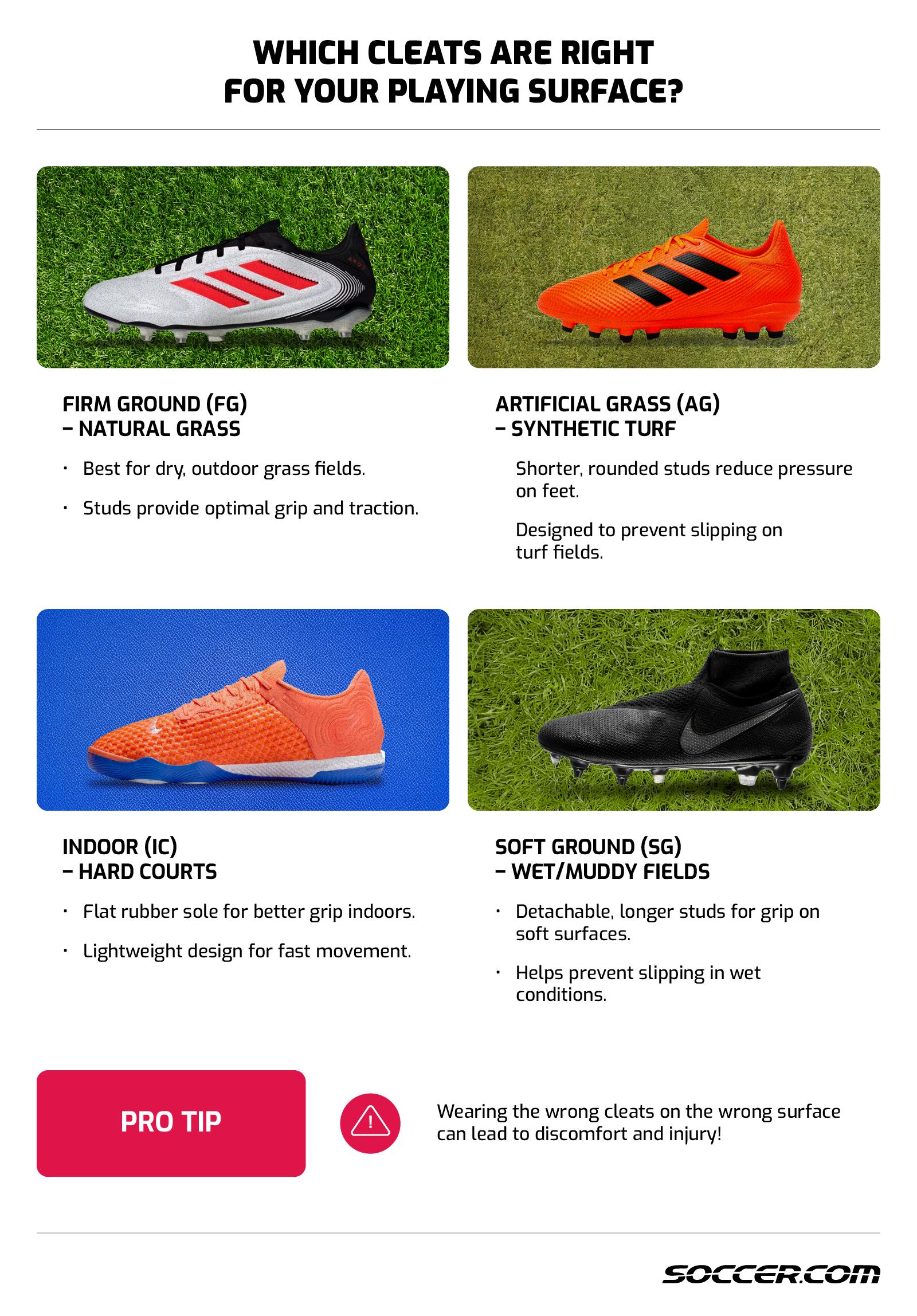
There are different soccer shoes because soccer is played on many types of surfaces. A firm outdoor field needs a different outsole from artificial turf, indoor flooring, or soft, wet grass.
The studs or rubber patterns under the shoe are the main difference. They help your feet grip the ground while you sprint, stop, turn, and kick. The wrong sole can reduce traction and may increase the chance of discomfort or injury.
Different soccer shoes also suit different players. A fast winger may want a light shoe, while a midfielder may prefer better cushioning and ball control. A goalkeeper may value strong traction and a stable base.
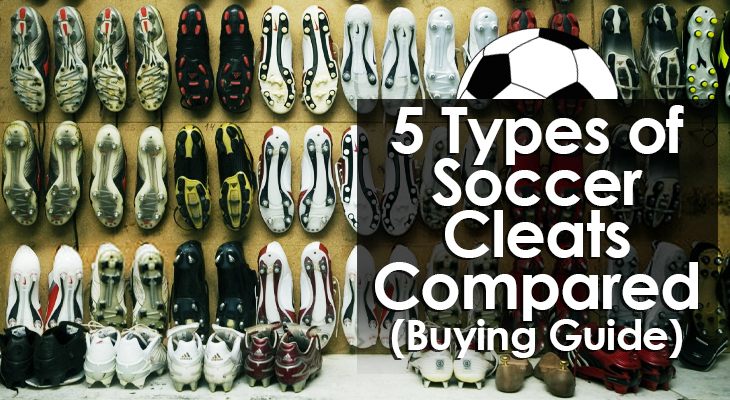
The main soccer shoe categories include:
• Firm-ground soccer cleats for natural grass
• Soft-ground soccer cleats for wet or muddy grass
• Artificial-grass soccer cleats for longer natural-style turf
• Turf soccer shoes for short, dense synthetic turf
• Indoor soccer shoes for flat indoor courts
• Multi-ground cleats for players who use more than one field type

Types of Soccer Shoes Explained
Understanding the soleplate is the best way to learn are there different soccer shoes. The upper may look similar across models, but the bottom of the shoe tells you where it should be used.
Firm-ground soccer cleats
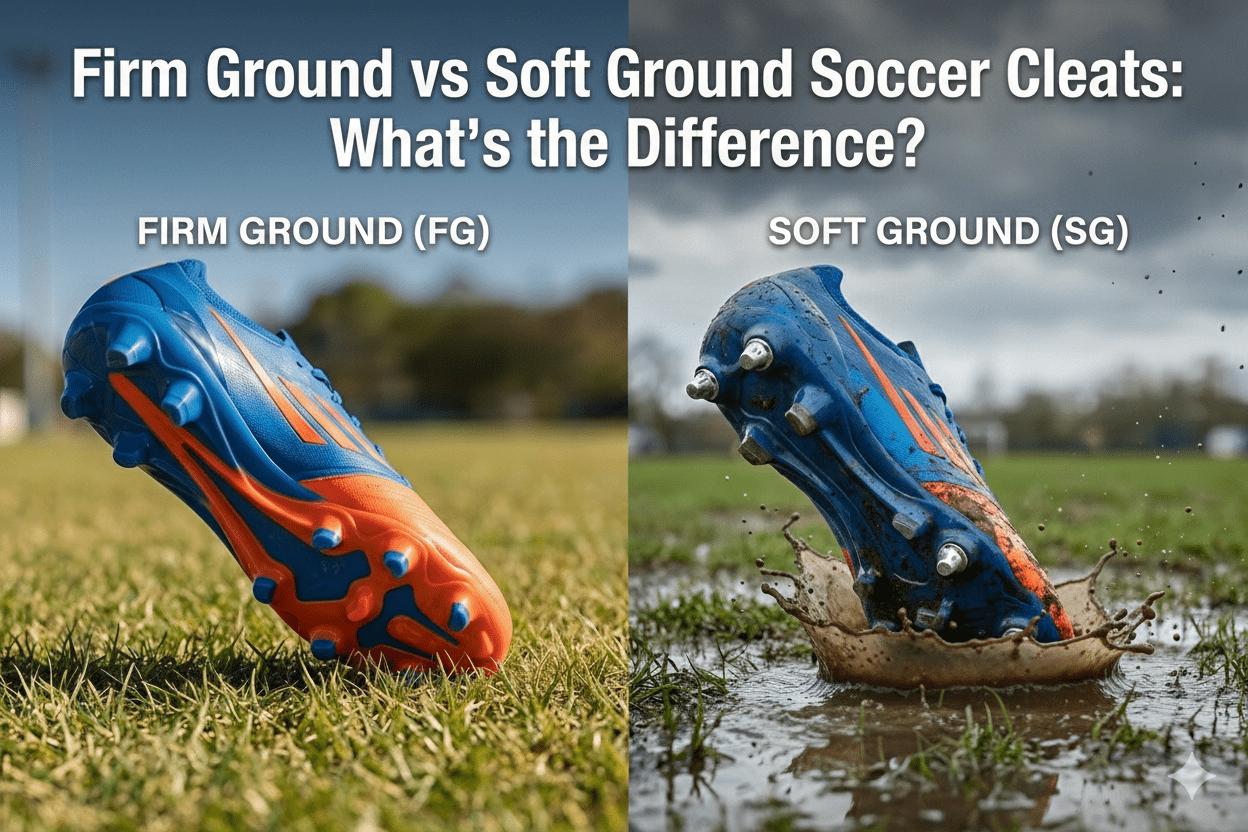
Firm-ground, or FG, cleats are made for dry or moderately firm natural grass. They usually have molded conical or bladed studs that provide grip without digging too deeply into the field.
FG cleats are the most common choice for outdoor youth and adult soccer. They work well on quality grass fields that are not soaked, frozen, or extremely soft.
Do not use FG cleats on indoor courts. Avoid using them on short artificial turf unless the manufacturer clearly approves them for that surface.
Soft-ground soccer cleats
Soft-ground, or SG, cleats are designed for wet, soft, and muddy natural grass. They often use fewer studs, longer studs, or replaceable metal tips to help players gain traction.
Soft-ground shoes can feel excellent in heavy rain. However, they can feel unstable or uncomfortable on hard fields because the studs may not sink into the surface.
Many leagues restrict metal studs. Always check the rules before wearing SG cleats in a match.
Artificial-grass soccer cleats
Artificial-grass, or AG, cleats are built for modern artificial grass fields. They use many short, rounded studs spread across the outsole. This design distributes pressure and helps reduce excessive grip.
AG cleats are often safer and more comfortable on artificial grass than FG cleats. Their stud pattern is made for synthetic surfaces that may be firm, abrasive, and less forgiving than natural grass.
Using FG cleats on AG fields can create too much traction. That extra grip may make it harder for the foot to release during a turn.
Turf soccer shoes
Turf shoes are made for short-pile synthetic turf. Instead of large studs, they use many small rubber nubs across the outsole.
Turf shoes offer steady grip and a low feel close to the ground. They are useful for training, small-sided games, and older artificial surfaces.
They are not the same as indoor soccer shoes. Turf shoes have small rubber nubs, while indoor shoes normally have a flat gum-rubber outsole.
Indoor soccer shoes
Indoor soccer shoes are designed for flat surfaces such as gym floors, indoor courts, and futsal courts. They use a flat, nonmarking rubber outsole rather than traditional studs.
The rubber sole helps with quick movements and close control. It also protects the playing surface from marks.
Never wear outdoor cleats indoors. The studs can damage the floor, reduce balance, and violate facility rules.
Multi-ground soccer cleats
Multi-ground, or MG, cleats are made for players who move between different field types. They usually combine several short, rounded studs with a versatile layout.
MG cleats can be practical for families, school teams, and recreational players. Still, they are not a perfect replacement for a true AG, FG, or indoor shoe in every situation.
How Soccer Shoe Stud Patterns Work
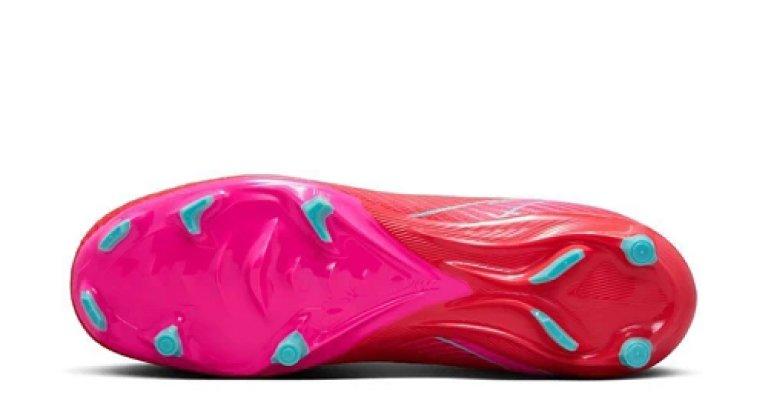
Stud shape affects how a soccer shoe grips the ground. The best design depends on the field, your movement, and your comfort needs.
Bladed studs
Bladed studs are long and narrow. They can provide strong forward grip during sprints.
Some players like the sharp feel of bladed studs. Others find them less comfortable when turning on hard ground. The field condition matters as much as the stud shape.
Conical studs
Conical studs are round and often allow smoother rotation. They are common on firm-ground and multi-ground cleats.
Many players find conical studs comfortable for frequent changes of direction. They may also feel more forgiving during turns than rigid blades.
Mixed stud patterns
Some soccer shoes combine blades and conical studs. The goal is to balance forward traction with rotational movement.
A mixed pattern can work well for players who sprint, cut, and stop often. Still, the outsole must match the field. A clever pattern cannot make a firm-ground shoe suitable for every surface.
Stud length and spacing
Longer studs can sink into soft ground. Shorter studs are better for firm ground and many synthetic fields.
Studs placed too close together may collect mud. Studs placed too far apart may feel harsh on hard surfaces. Good soccer shoe design balances grip, comfort, and pressure across the foot.
What Is the Difference Between Soccer Cleats and Soccer Shoes?
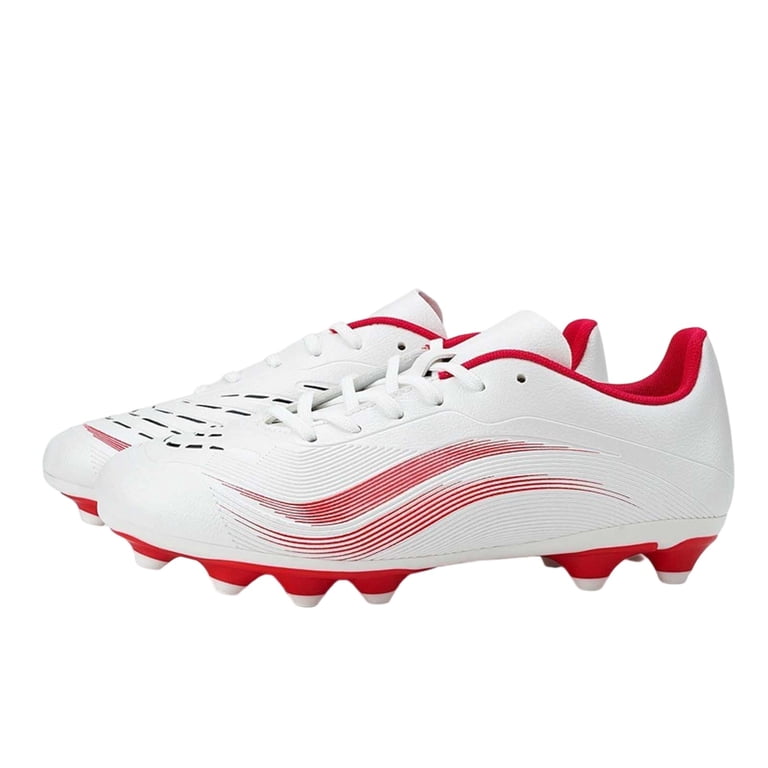
In the United States, people often use “soccer cleats” and “soccer shoes” to mean the same thing. However, “soccer shoes” is a broader term that can include cleats, turf shoes, and indoor shoes.
Soccer cleats normally have raised studs. They are made for grass or artificial grass. Indoor soccer shoes have flat rubber soles and no outdoor studs.
The difference becomes important when buying footwear online. A product labeled “soccer shoes” may be designed for indoor play, turf, or outdoor fields. Always inspect the outsole description before ordering.
Football cleats are also different from soccer cleats. Football cleats may have a front toe stud, which is not allowed in many soccer settings because it can create a safety risk.
How to Choose the Right Soccer Shoes
The answer to are there different soccer shoes becomes useful when you connect the shoe to your own needs. Start with the field, then consider fit, position, and playing habits.
1. Match the shoe to the field
Use this simple guide:
• Natural grass that is firm: Choose FG cleats.
• Wet or muddy natural grass: Choose SG cleats if league rules allow them.
• Long artificial grass: Choose AG cleats.
• Short synthetic turf: Choose turf shoes.
• Indoor court or futsal floor: Choose indoor soccer shoes.
• Several field types: Consider MG cleats, but check the manufacturer’s guidance.
2. Find the correct fit
Soccer shoes should feel secure without squeezing your toes. Your heel should not slide when you run, and your toes should have a small amount of room.
Try shoes with the socks you use for matches. Walk, jog, and make a few cuts before buying them. A shoe that feels fine while sitting may feel painful during movement.
Do not assume a larger size will solve a tight fit. Extra space can cause your foot to move inside the shoe, which may lead to blisters and poor control.
3. Consider your position
Your position does not force you to wear one shoe type, but it can guide your priorities.
• Wingers may prefer light shoes that support quick acceleration.
• Midfielders may value comfort, touch, and balanced support.
• Defenders may prefer a stable shoe with strong protection.
• Goalkeepers may want dependable traction and a secure fit.
• Strikers may look for a comfortable upper that supports clean contact with the ball.
These are general preferences, not strict rules. A comfortable shoe is usually more valuable than a shoe marketed for a specific position.
4. Think about your foot shape
Some brands make narrow shoes, while others offer wider shapes. A narrow shoe may feel precise for one player and painful for another.
If your toes feel cramped, look for a wider last or a model with a more flexible upper. If your foot slides from side to side, try a narrower fit or a better lacing system.
Your foot shape matters more than a famous player’s endorsement.
Leather Versus Synthetic Soccer Shoes
The upper material changes how a soccer shoe feels. Both leather and synthetic materials have strengths and limits.
Leather soccer shoes
Leather can feel soft and natural. It often molds to the foot over time and may provide a comfortable touch on the ball.
Leather can absorb water and may need more care. It may also stretch, so the initial fit should be snug without causing pain.
Synthetic soccer shoes
Synthetic uppers are often light, water-resistant, and easy to clean. They tend to keep their shape better than leather.
Some synthetic materials feel less soft at first. Modern designs can still provide excellent touch through textured coatings and flexible construction.
Knit and hybrid uppers
Knit uppers can feel flexible and sock-like. Hybrid shoes may combine knit, synthetic film, leather, or foam to balance comfort and support.
Material alone does not decide quality. The fit, soleplate, stitching, and overall construction matter just as much.
Common Mistakes When Buying Soccer Shoes
Many players ask are there different soccer shoes after buying a pair that does not work for their field. These mistakes are easy to avoid.
Buying by appearance alone
A bright color or popular logo does not guarantee the right performance. Check the outsole and surface label first.
Wearing FG cleats on every field
Firm-ground cleats are not universal. On artificial turf, they may create too much grip and increase stress during rotation.
Choosing shoes that are too large
Soccer requires fast, precise movement. A loose shoe can cause heel movement, blisters, and reduced control.
Ignoring break-in time
Even comfortable shoes may need a short break-in period. Wear them during light training before using them in a full match.
Failing to check league rules
Some leagues restrict metal studs or certain soleplate designs. Check the rules before match day, especially when using SG cleats.
Neglecting maintenance
Mud and moisture can damage the upper and weaken adhesives. Clean your shoes after play, remove dirt from the studs, and let them dry naturally.
Do not place wet soccer shoes on a radiator or use intense heat. Heat can harden materials, shrink leather, and weaken the bond between the sole and upper.
Can the Right Soccer Shoes Improve Performance?
The right soccer shoes can improve traction, comfort, and confidence. They do not replace skill, fitness, or good technique, but they help you move with fewer distractions.
A shoe that matches the field allows more predictable contact with the ground. That matters when you brake before a tackle, push off for a sprint, or turn away from a defender.
Research on sports footwear shows that traction involves a balance. Too little grip may cause slipping, while too much grip can make turning difficult. The ideal level depends on the surface, moisture, stud design, and movement.
Soccer shoes also affect comfort. A good fit may reduce pressure points and help you stay focused late in the match. However, no shoe can prevent every foot problem, so persistent pain should be assessed by a qualified medical professional.
A Practical Soccer Shoe Buying Checklist
Use this checklist before you buy:
-
Identify the main surface where you play.
-
Select the correct outsole category.
-
Measure both feet late in the day, when feet may be slightly larger.
-
Try the shoes with match socks.
-
Check for heel movement.
-
Make sure your toes are not pressed against the front.
-
Bend and walk in the shoes.
-
Confirm the return policy.
-
Review league and facility rules.
-
Clean and test the shoes before a competitive match.
A useful personal lesson for many players is to test shoes during a short training session first. A model that feels excellent in a store may rub after 60 minutes of running. Small fit issues often become big problems during a match.
How Long Do Soccer Shoes Last?
Soccer shoes may last one season or several years, depending on use, field type, body weight, playing style, and care. Frequent play on abrasive artificial turf can wear down the outsole faster than occasional play on natural grass.
Replace soccer shoes when the studs are badly worn, the soleplate cracks, the upper tears, or the foot no longer feels stable. Continuing to use damaged footwear can affect traction and comfort.
Watch for these signs:
• Smooth or shortened studs
• Separation between the upper and sole
• Cracks in the soleplate
• Persistent foot pain
• A heel that no longer stays secure
• Heavy internal wear or broken padding
Price is not a perfect guide to durability. Proper care and using the shoe on its intended surface often matter more.
Frequently Asked Questions About Are There Different Soccer Shoes
Are there different soccer shoes for grass and turf?
Yes. Firm-ground cleats are made for natural grass, while AG cleats and turf shoes are made for different types of artificial surfaces. The correct choice depends on the length and firmness of the turf.
Can I wear soccer cleats on artificial turf?
You can wear them only if the cleat type is approved for that surface. AG cleats are usually the better choice, while FG cleats may create excessive traction on some turf fields.
What soccer shoes are best for indoor soccer?
Indoor soccer shoes with flat, nonmarking rubber soles are usually best. They provide grip on smooth courts without damaging the floor.
Are soccer shoes and football cleats the same?
No. Soccer cleats normally do not have a front toe stud, while many football cleats do. Football cleats may also use a different shape and support structure.
Do soccer shoes need to be tight?
Soccer shoes should fit snugly but should not cause pain or numbness. Your heel should stay in place, and your toes should have slight room to move.
Are expensive soccer shoes better?
Not always. Premium shoes may use lighter materials or advanced features, but the best shoe is the one that fits well and matches your playing surface.
Can I use one pair of soccer shoes for every field?
One pair may work for casual play, but no shoe is ideal for every surface. MG cleats offer versatility, while dedicated FG, AG, turf, and indoor shoes usually perform better in their intended settings.
Conclusion
There are different soccer shoes because every playing surface demands a different type of grip, support, and movement. FG cleats suit firm natural grass, AG cleats suit artificial grass, turf shoes fit short synthetic turf, and indoor shoes belong on flat courts. SG and MG options serve more specific needs.
Start with your field, then check the fit, soleplate, material, and league rules. The right pair will not make you a better player overnight, but it can help you move with confidence and stay comfortable from kickoff to the final whistle. Compare your field with this guide, test your next pair during training, and share your soccer shoe experience with other players.

Rubel Miah is the Senior Editor at MyStyleGrid.com, where he brings a sharp editorial eye and an unshakable love for fashion to everything he does. A true style addict, Rubel lives and breathes trends, from streetwear to high fashion, and has a knack for turning inspiration into impactful stories. With years of experience in fashion journalism and digital media, he curates content that empowers readers to express themselves through style. When he’s not editing features or forecasting the next big thing, you’ll find him hunting down vintage pieces or capturing street style moments around the city.