Wear them in short sessions, use thick socks and gentle stretching to break them comfortably.
I’ve spent years testing cleats on turf, grass, and indoor courts. I know what fits, what rubs, and what lasts. This guide explains how to break in soccer shoes step by step. You’ll learn safe methods, quick fixes, and care tips so your cleats feel like an extension of your foot. Read on for practical advice I use with players of all levels.

Why breaking in soccer shoes matters
A good break-in prevents blisters, improves touch, and protects your feet. New soccer shoes can be stiff. That stiffness changes how you run and kick. Learning how to break in soccer shoes saves comfort and performance. It also extends the life of the cleats.
Common issues from poor break-in include blisters, hotspots, tight toes, and poor ball feel. Fixing those early stops pain and poor play. The aim is a snug, flexible fit that keeps support and control.

Types of soccer shoes and what to expect when you break them in
Leather, synthetic, and knit each break in differently. Knowing the material helps you choose the right method for how to break in soccer shoes.
- Leather shoes expand and mold to your foot over time. They need gentle stretching and slow wear.
- Synthetic shoes keep shape longer and often require less break-in. They may need targeted softening around the toe box.
- Knit and mesh shoes conform quickly but can still have stiff collars or seams to address.
Firm ground (FG) studs, soft ground (SG) studs, and indoor designs all affect fit. Cleat plate stiffness and tongue design also change the break-in feel. Expect leather to get softer after multiple wears. Expect synthetics to stay firmer unless heat or targeted work is used.
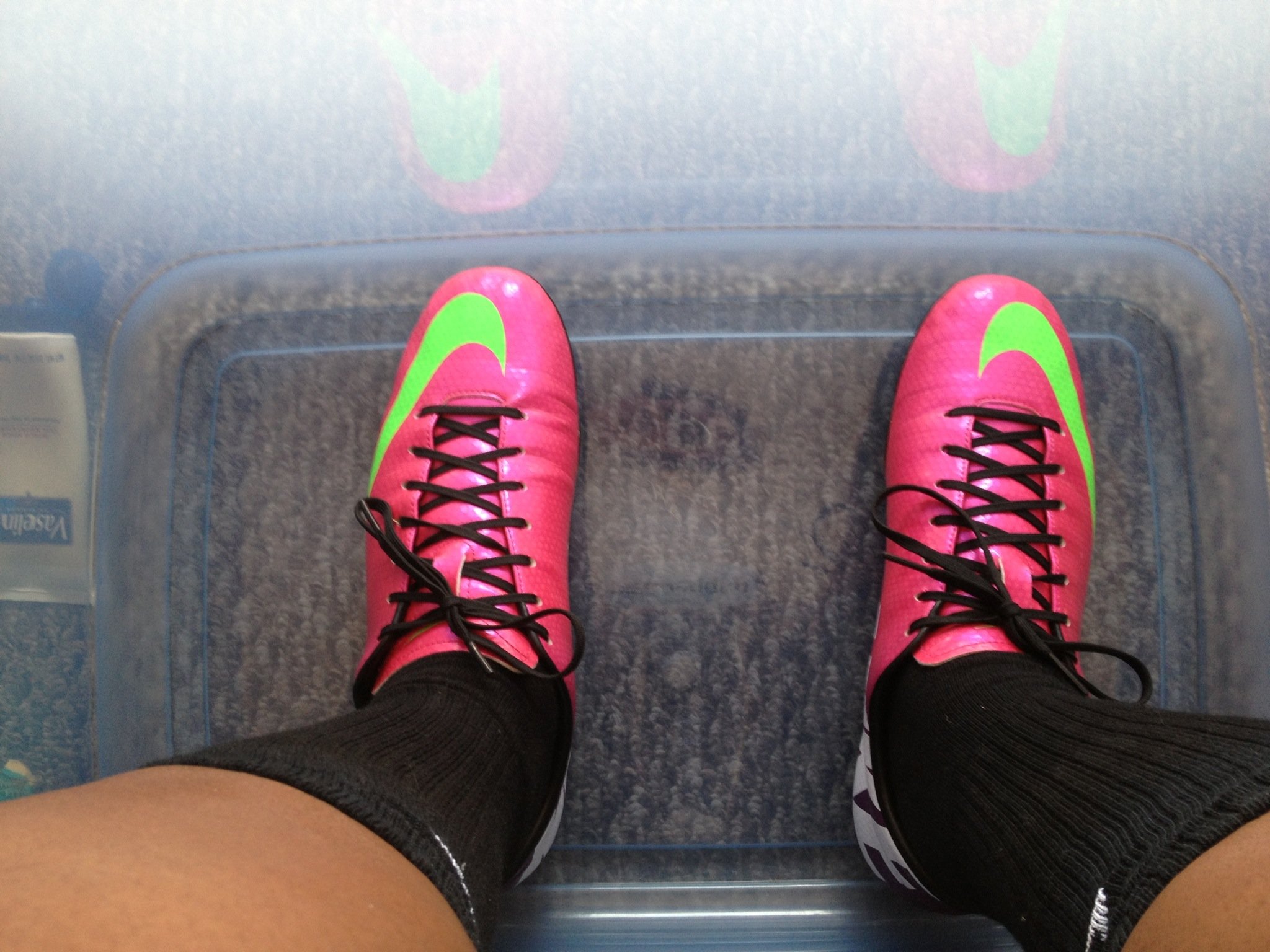
Step-by-step guide: how to break in soccer shoes safely
Follow these steps to break in soccer shoes without damage or pain.
- Inspect and prepare
- Try the shoes on indoors with the socks you’ll wear for play. Check for pressure spots and toe squeeze.
- Loosen and lace properly
- Loosen laces fully at first. Lace from the bottom up and adjust tension where you need support and where you need room.
- Use thick socks and short sessions
- Wear thick or double socks and walk around for 20–30 minutes. Increase wear time daily.
- Move with purpose
- Do light drills: jogging, cutting, shuffles, and short sprints. Avoid hard tackles or long runs in early sessions.
- Target problem spots
- If a seam rubs, use a blister patch. If the toe is tight, gently stretch the area with your hands or a shoe stretcher.
- Gradual pressure on cleats
- Use them on the surface you play on for short sessions. Turf and grass are safest for initial use.
- Check and adjust
- After each session, inspect for hot spots and adjust lacing, socks, or padding.
Repeat this routine for 1–2 weeks. That is usually enough to learn how to break in soccer shoes without sacrificing shape or support.

Methods to speed the break-in (and when not to use them)
There are faster methods for how to break in soccer shoes. Use caution. Some techniques risk damage.
- Natural wear
- Best option. Short sessions over days let materials adapt without harm.
- Shoe tree or stretcher
- Use to expand width or specific areas. Good for leather. Don’t overstretch.
- Warmth and shaping
- Light heat from a hairdryer can soften leather briefly. Keep dryer moving and don’t overheat glue or synthetic parts.
- Damp cloth and wear
- Lightly dampen a cloth and rub pressure points before wearing. Do not soak the shoe.
- Professional stretching
- A cobbler can open or add stretch to leather safely.
Avoid boiling, microwaving, or using high heat. These can break glue, warp plates, or melt synthetics. Know material limits before attempting aggressive methods.
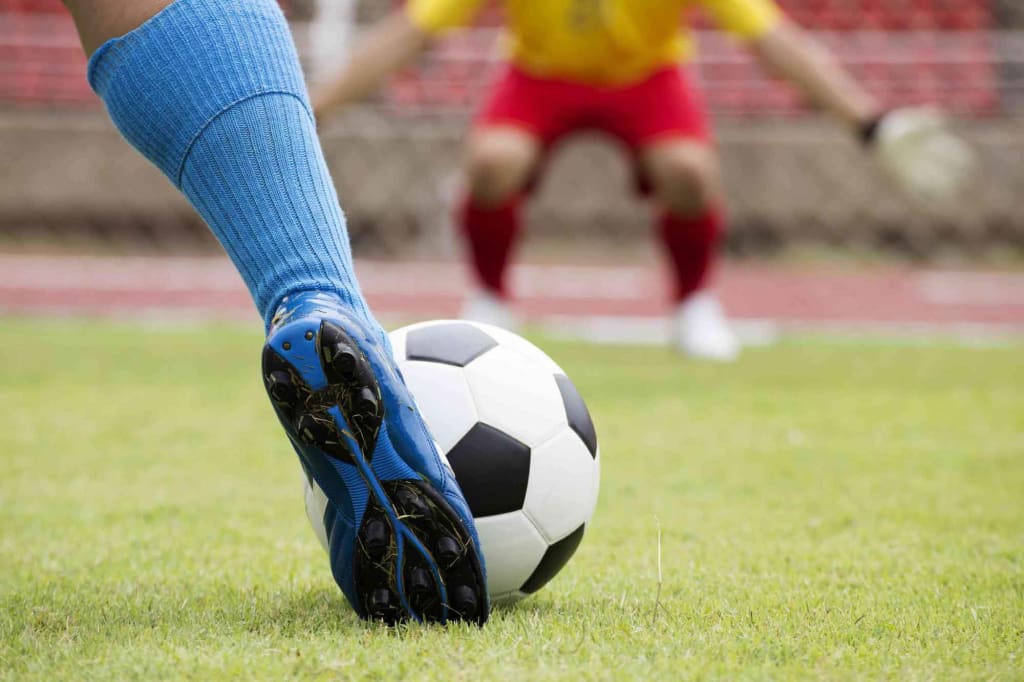
Caring for cleats while you break them in
Good care speeds break-in and protects the shoe. Clean and maintain after each session.
- Dry naturally
- Stuff shoes with paper or cloth to absorb moisture. Let them dry at room temperature.
- Condition leather
- Use a small amount of leather conditioner to keep leather supple.
- Rotate shoes
- If possible, alternate two pairs to let each recover between sessions.
- Check studs and plate
- Tighten screw-in studs. Inspect for cracks or loose parts.
Proper care reduces risk of blisters and keeps how to break in soccer shoes effective over time.

Common problems and fixes
Here are frequent issues and simple fixes for how to break in soccer shoes.
- Blisters or hotspots
- Apply blister patches, tape, or moleskin. Use thicker socks initially.
- Toe numbness or tightness
- Loosen laces near the forefoot. Use a toe stretcher or shoe stretcher if leather.
- Heel slippage
- Add a heel liner or use lacing methods that lock the heel in place.
- Stiff sole or plate
- Use light movement drills to flex the plate. Avoid bending sharply; let it adapt naturally.
If pain persists after a week, consult a fitter or podiatrist. Persistent pain may mean wrong size or model.
Personal experience: lessons from testing cleats
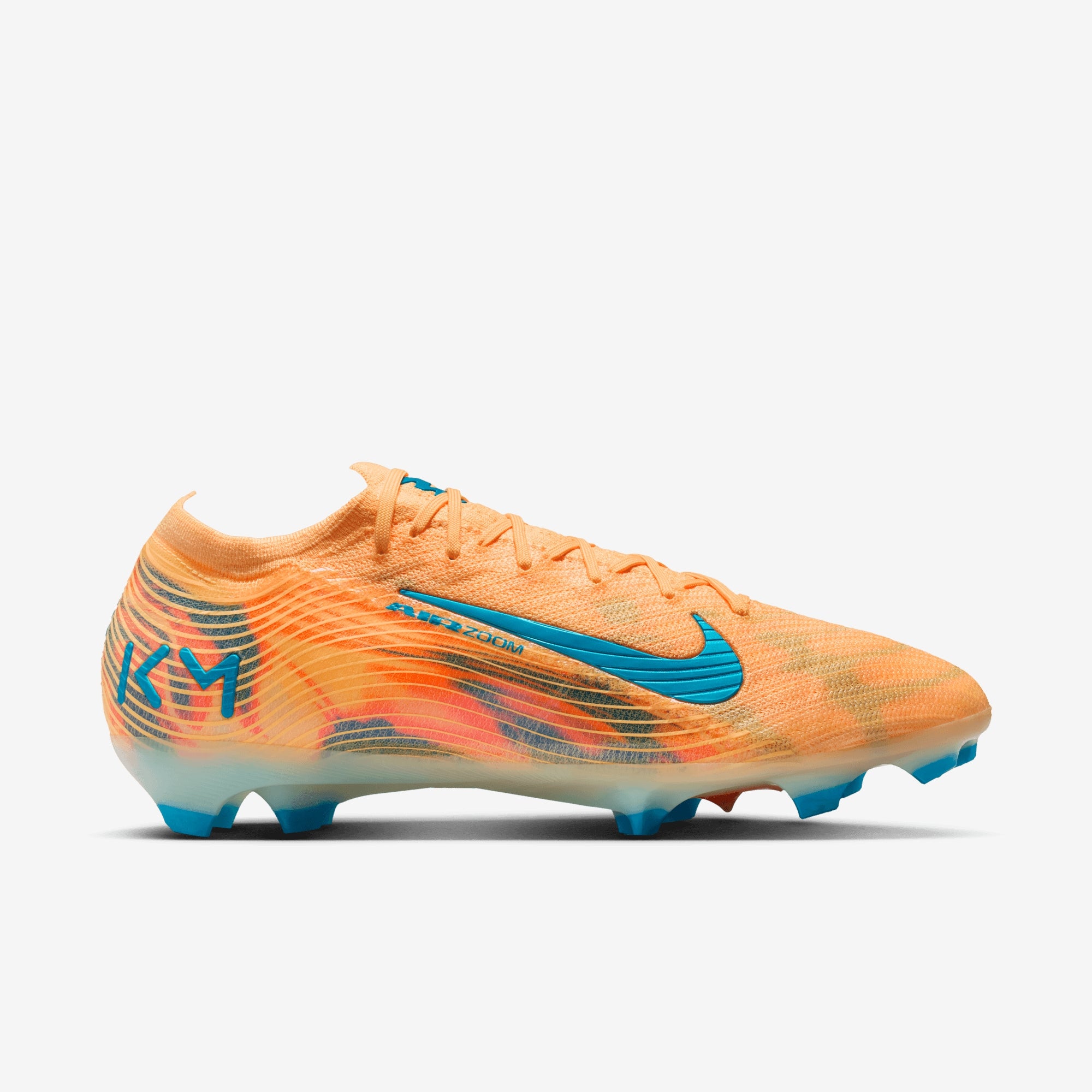
I once tested a high-end leather cleat that felt rigid on day one. I used thick socks and light drills for five days. The leather softened and the touch improved. I avoided heat and still got a great fit.
Another time I rushed a synthetic pair with a hairdryer. The upper warped slightly and the glue showed wear. I learned heat must be gentle and controlled.
Key takeaways from my experience:
- Patience wins. Short sessions matter.
- Match methods to material.
- Protect the shoe’s plate and seams.
These small habits make a big difference in how to break in soccer shoes and how they perform on game day.

PAA-style questions
What is the fastest safe way to break in soccer shoes?
Wear them in short sessions with thick socks and do light drills for several days.
Can I use a hairdryer to soften leather cleats?
You can use low heat briefly, but keep the dryer moving and avoid high temperatures that can damage glue and synthetics.
Do soccer shoes stretch over time?
Leather shoes stretch and mold to your foot; most synthetics stretch much less and keep their original shape.
How long does it take to fully break in soccer shoes?
Expect 1–2 weeks of regular, short wear for most shoes. Leather may take longer depending on thickness and construction.
Is it okay to play a full match in new cleats?
Avoid full matches until the shoes feel comfortable for 60–90 minutes. A full match risks blisters and poor play.
Frequently Asked Questions of how to break in soccer shoes
How long should I wear new soccer shoes each day?
Start with 20–30 minute sessions for the first few days. Gradually increase by 15–30 minutes until they feel comfortable for full play.
Are leather soccer shoes better to break in than synthetics?
Leather molds to your foot and can become very comfortable, but it requires more time and care than many synthetics.
Can I stretch soccer shoes at home?
Yes, use a shoe stretcher or targeted hand-stretching for leather. Avoid extreme methods on synthetics.
Should I use shoe inserts while breaking in cleats?
Inserts can help with arch support and heel fit. Try thin inserts first to avoid crowding the toe box.
What if I still get blisters after trying break-in methods?
Stop using the shoes for long sessions and reassess fit. Consider different lacing, heel liners, or switching models if pain continues.
Conclusion
Breaking in soccer shoes is a mix of patience, the right methods, and careful care. Start with short sessions, use proper socks and lacing, and target problem spots gently. Match your approach to the shoe material and avoid harsh shortcuts that risk damage. Try these tips and you’ll get comfort and better touch faster. If this helped, try the steps with your next pair, subscribe for more gear guides, or leave a comment with your cleat model and questions.

Rubel Miah is the Senior Editor at MyStyleGrid.com, where he brings a sharp editorial eye and an unshakable love for fashion to everything he does. A true style addict, Rubel lives and breathes trends, from streetwear to high fashion, and has a knack for turning inspiration into impactful stories. With years of experience in fashion journalism and digital media, he curates content that empowers readers to express themselves through style. When he’s not editing features or forecasting the next big thing, you’ll find him hunting down vintage pieces or capturing street style moments around the city.