Yes, you can get blue light glasses prescribed, but the prescription usually corrects vision, not blue light exposure.
Many people ask, “can you get blue light glasses prescribed?” The answer depends on what you need. An eye doctor can prescribe lenses for nearsightedness, farsightedness, astigmatism, or reading needs. Those prescription lenses may also include a blue light filter, anti-reflective coating, or both. This guide explains what eye doctors can prescribe, what blue light glasses may help with, and when they may not be worth the extra cost.
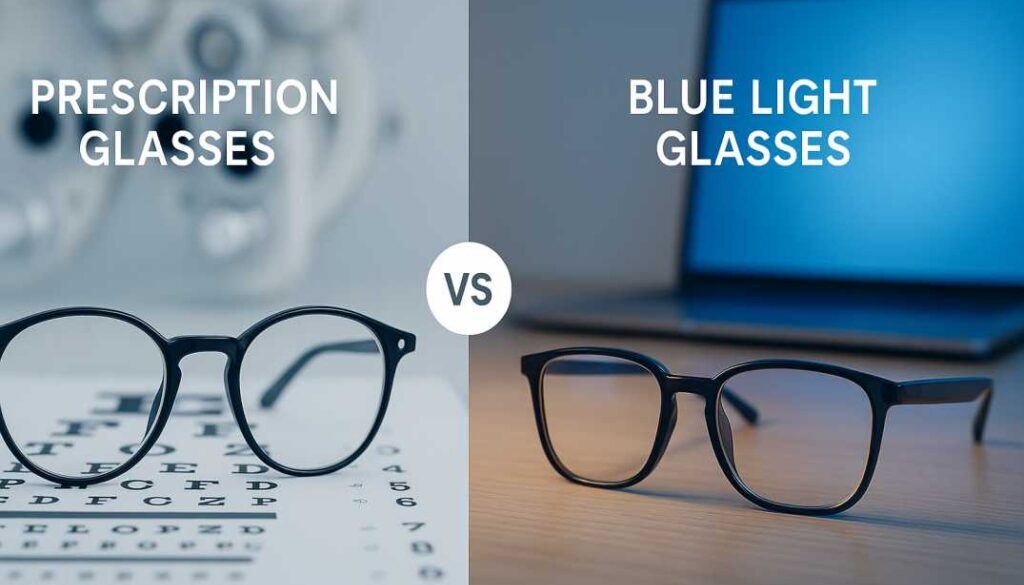
Can you get blue light glasses prescribed?
Yes, but blue light protection is usually an optional lens feature rather than a medical prescription by itself. An optometrist or ophthalmologist may prescribe corrective lenses and add a blue light filter if you request it or if it fits your daily needs.
A prescription tells the lab how to correct your vision. It may include measurements for:
• Nearsightedness, which makes far objects look blurry
• Farsightedness, which can make close work difficult
• Astigmatism, which may cause distorted or blurred vision
• Presbyopia, the age-related need for reading correction
• Lens power for single-vision, bifocal, or progressive glasses
Blue light filtering is different. It is a lens coating or material feature designed to reduce some blue-violet light passing through the lens. It does not replace a prescription, treat an eye disease, or guarantee relief from screen discomfort.
So, can you get blue light glasses prescribed? You can get prescription glasses with blue light filtering, but most blue light glasses sold online are non-prescription.
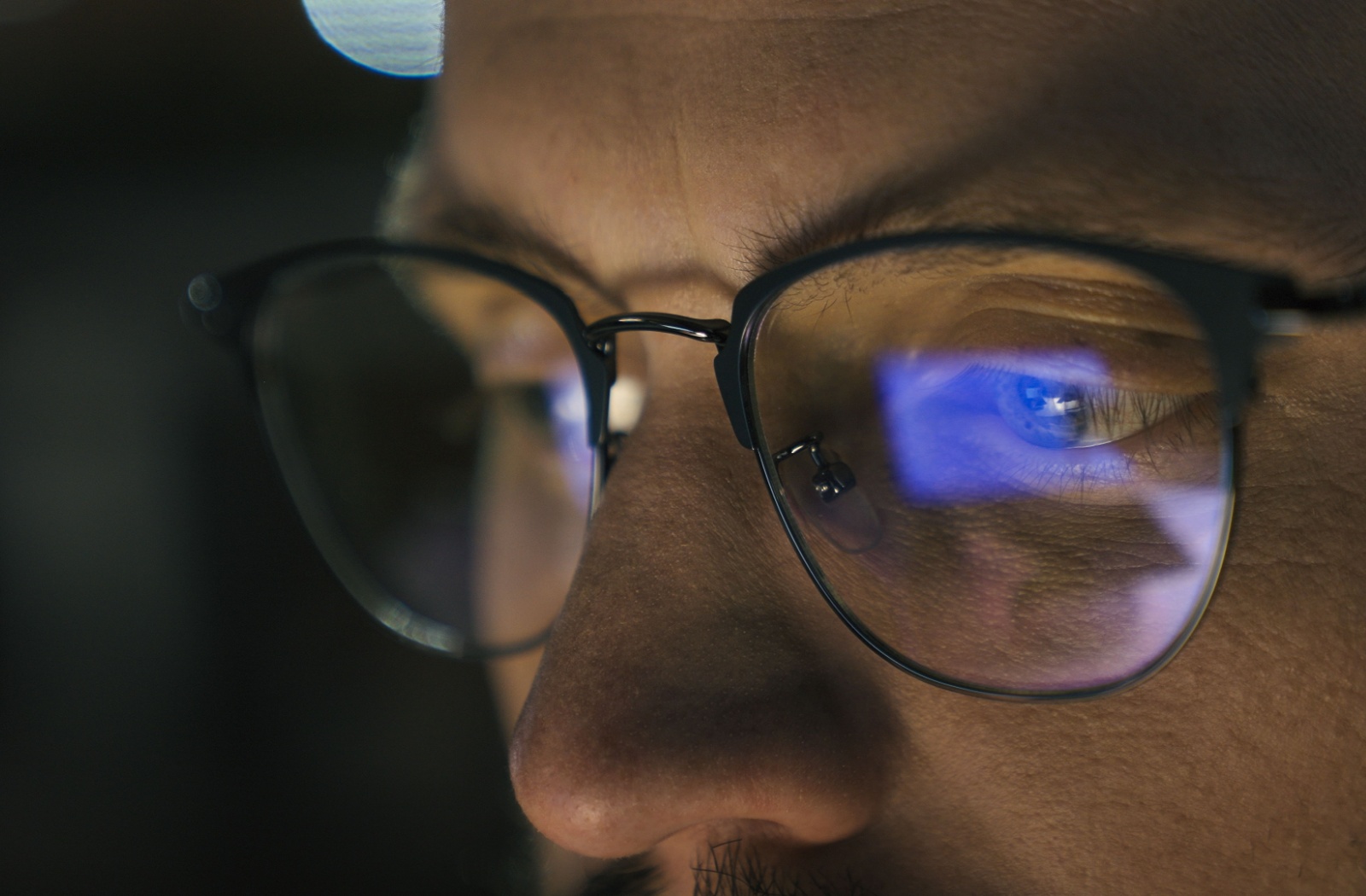
What does a blue light glasses prescription include?
A blue light glasses prescription may contain two separate parts. The first is your vision correction. The second is the lens option you choose.
Your written prescription may list:
• Sphere, which shows the main lens power
• Cylinder, which corrects astigmatism
• Axis, which gives the angle of astigmatism correction
• Add power, which supports reading or close work
• Pupillary distance, which helps center the lenses
• Lens material and coating choices
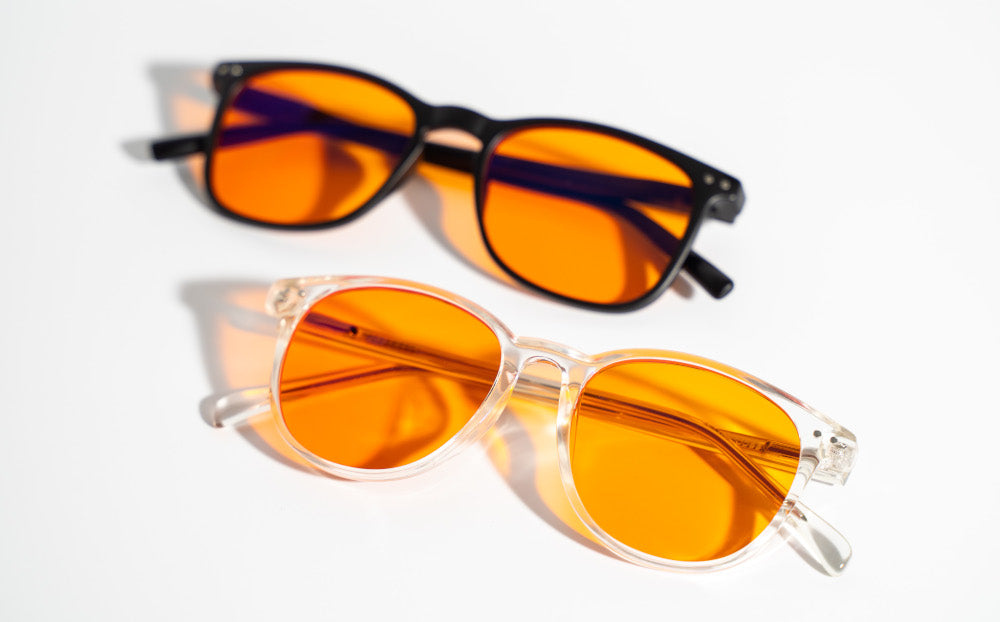
A blue light filter does not have a standard medical strength in the same way that a prescription lens does. Different brands may block different amounts and ranges of light. Some filters look clear, while others have a yellow, amber, or purple tint.
This matters because the phrase “blue light blocking” is not always used consistently. Ask the optical shop which wavelengths the lenses filter and whether the lenses have a visible tint.
Can you get blue light glasses prescribed with your exact prescription? Yes. Your eye doctor can send your prescription to an optical lab that adds the chosen filter to your lenses. You may also be able to add an anti-reflective coating, which can reduce glare from screens and overhead lights.

Why do people want blue light glasses?
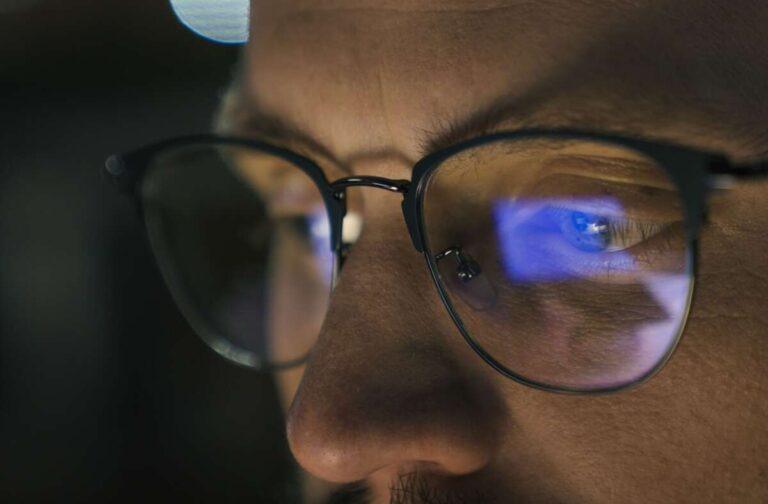
Screens give off visible light, including some blue light. Blue light is also present in sunlight. It is not automatically harmful, and your eyes need natural light to help regulate the sleep-wake cycle.
People often seek blue light glasses because they notice:
• Dry or tired eyes after screen use
• Headaches during long work sessions
• Glare or reflections on a laptop
• Trouble focusing on small text
• Difficulty winding down after late-night screen use
• Concern about long-term eye damage
Digital eye strain is usually linked to several factors, not blue light alone. Long periods of close focus, reduced blinking, glare, poor posture, dry air, and an outdated prescription can all play a role.
Some people also use blue light glasses at night. Blue light can affect melatonin and sleep timing, especially in the evening. However, the benefit of blue light glasses may depend on the lens design, the time of use, screen brightness, and the person’s sleep habits.
Can you get blue light glasses prescribed for headaches or eye strain? An eye doctor can examine you for possible causes, but there is no special prescription that proves blue light is the cause.
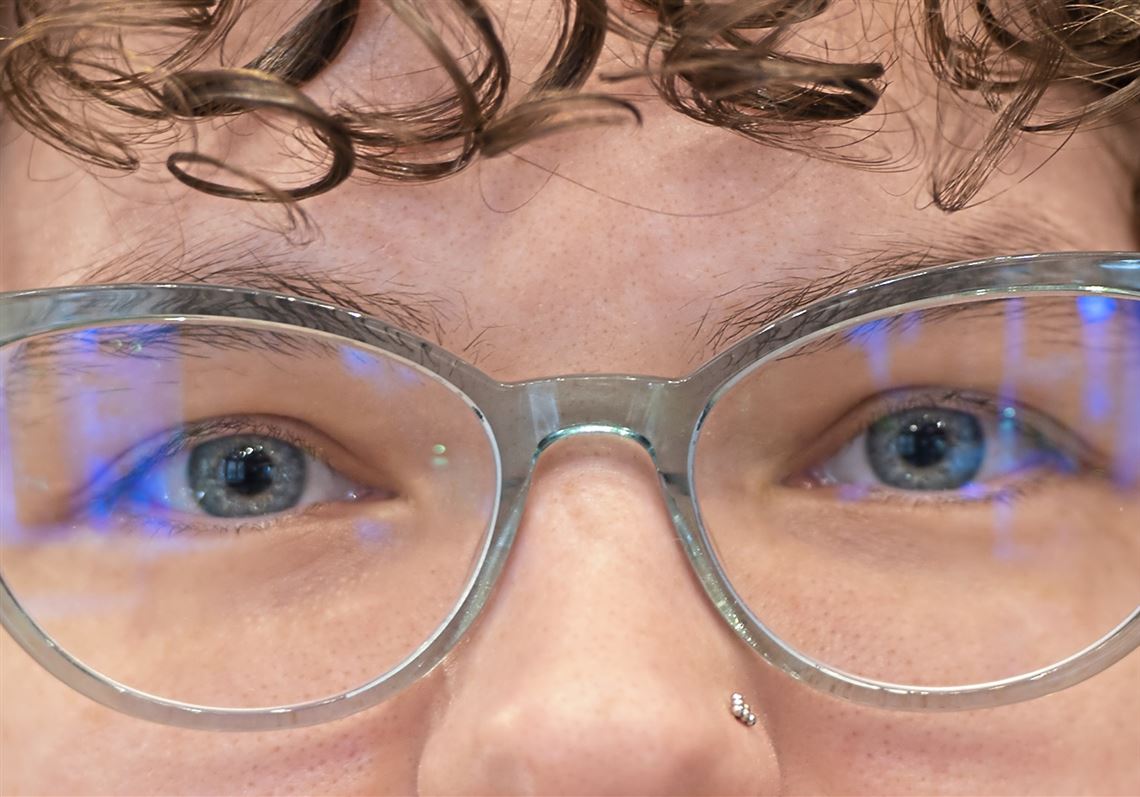
Do blue light glasses improve eye health?
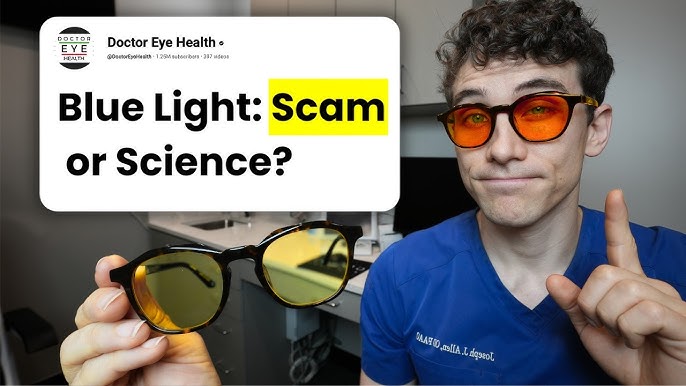
Current evidence does not clearly show that blue light glasses prevent eye disease or protect the retina from ordinary screen use. Large reviews have found limited evidence that blue light filtering lenses reduce short-term digital eye strain compared with regular lenses.
That does not mean the glasses are useless for everyone. A person may feel more comfortable with a light tint, reduced glare, or a better prescription. Comfort is a real benefit, but it is not the same as proven disease prevention.
Blue light from the sun is much stronger than blue light from a typical phone or computer screen. For outdoor protection, sunglasses with proper ultraviolet protection are more important than standard blue light glasses.
Be cautious of products that claim to prevent blindness, macular degeneration, or permanent screen damage. Those claims go beyond what current clinical evidence supports.
Can you get blue light glasses prescribed to prevent eye damage? An eye doctor may recommend protective eyewear for a specific medical condition, but ordinary blue light glasses are not proven to prevent screen-related eye disease.
Prescription blue light glasses versus non-prescription glasses
The main difference is vision correction. Prescription blue light glasses correct refractive errors, while non-prescription glasses have flat lenses with no vision correction.
Prescription blue light glasses
These may be useful if you:
• Need glasses to see clearly at work
• Have an active prescription
• Use progressive or reading lenses
• Want blue light filtering added to your regular glasses
• Need a professional fitting for comfort and alignment
Non-prescription blue light glasses
These may be suitable if you:
• Have clear vision without glasses
• Want to test whether a filter feels comfortable
• Prefer a low-cost option
• Need glasses only for occasional screen use
Non-prescription blue light glasses should not be used instead of an eye exam. If text looks blurry, you squint often, or you get frequent headaches, the real issue may be an uncorrected prescription.
Can you get blue light glasses prescribed if you already wear contacts? Yes. Your doctor can prescribe glasses with your needed lens power, and you can use them during screen time instead of wearing contacts. This may also help if contacts make your eyes feel dry.
How an eye doctor decides what you need
An eye exam does more than check whether you can read an eye chart. Your provider may review your symptoms, work habits, medical history, and current eyewear.
During the visit, expect questions such as:
• How many hours do you spend on screens?
• Do symptoms happen at work, at home, or both?
• Do headaches improve when you stop reading?
• Do your eyes feel dry or gritty?
• Do you have trouble seeing at night?
• When was your last prescription update?

The doctor may check your distance vision, near vision, eye coordination, focusing ability, eye health, and tear film. These checks can reveal problems that blue light glasses will not solve.
For example, a small prescription change may explain why your eyes feel tired after two hours of computer work. In another case, dry eye may be the main problem. Treating the cause is often more helpful than adding a blue filter.
If you ask, “can you get blue light glasses prescribed during an eye exam?” the practical answer is yes. The provider can discuss whether the filter is appropriate after checking your eyes and vision needs.

How to reduce digital eye strain without special glasses
Simple changes often provide more reliable relief than buying a new lens. Think of your eyes like muscles holding a pose. They need regular breaks and a comfortable setup.
Try these steps:
- Follow the 20-20-20 rule. Every 20 minutes, look at something about 20 feet away for 20 seconds.
- Blink often. Screen use can reduce blinking and increase dryness.
- Keep the screen about an arm’s length away.
- Place the top of the monitor at or slightly below eye level.
- Reduce glare from windows and ceiling lights.
- Increase text size instead of leaning closer.
- Use lubricating eye drops if an eye care professional recommends them.
- Lower screen brightness at night and use a warmer display setting.
- Take short movement breaks during long work sessions.
- Keep screens out of bed when possible.
An anti-reflective coating may help more than a blue filter if glare is your main complaint. A good prescription, correct screen distance, and regular breaks are often the best starting points.

Can blue light glasses help with sleep?
Blue light exposure in the evening may delay the body’s natural sleep signals. This effect is stronger with bright light and close viewing, especially before bedtime.
Blue light glasses may help some people who use bright screens late at night, but the evidence is mixed. A dimmer screen, night mode, lower room lighting, and a regular bedtime may be just as important.
If you want to test them, wear the glasses for a week or two before bed and track your sleep. Keep other habits steady so you can tell whether the glasses make a difference.
Avoid using tinted glasses as a substitute for medical care. Persistent insomnia, loud snoring, severe daytime sleepiness, or restless sleep deserves a discussion with a health professional.
Can you get blue light glasses prescribed specifically for sleep? Usually, no special medical prescription is needed. An eye doctor may recommend a suitable lens tint, but sleep treatment often focuses on light habits and overall sleep health.

Are prescription blue light glasses covered by insurance?
Insurance coverage varies. Vision plans often cover part of the prescription lens cost, but blue light filtering may be treated as an optional upgrade.
Before ordering, ask:
• Does my plan cover an eye exam?
• Are prescription lenses covered?
• Is the blue light filter an extra charge?
• Is anti-reflective coating covered?
• Do I need to use an in-network optical provider?
• Can I use a flexible spending account or health savings account?
Medical insurance and vision insurance do not work the same way. A routine eye exam may have one benefit, while glasses may have another. The optical office can often check your benefits before you commit.
Can you get blue light glasses prescribed and have insurance pay for them? Insurance may help pay for the prescription glasses, but it may not cover the blue light feature. Confirm the details with your plan.
What to check before buying blue light glasses
If you decide to buy them, focus on fit, lens quality, and honest claims. A high price does not prove better protection.
Look for:
• A current prescription if you need vision correction
• Clear information about the filter and lens tint
• Reliable optical measurements
• A comfortable frame that does not press your nose or temples
• An anti-reflective coating if glare bothers you
• A return policy
• A seller that uses your complete prescription correctly
Do not buy glasses that make the screen look heavily yellow unless you like that effect. Strong tints can change color perception, which may matter to artists, designers, photographers, and people who work with color.
Never share someone else’s prescription. Even a small difference in lens power or pupillary distance can cause discomfort, blur, or headaches.
Can you get blue light glasses prescribed online? You can order prescription lenses online if you have a valid prescription and accurate measurements. Still, an in-person eye exam is important for checking eye health and confirming that your symptoms are not caused by another problem.
When to schedule an eye exam
Make an appointment if screen discomfort is new, severe, or getting worse. Blue light glasses may not address symptoms caused by dry eye, migraine, eye inflammation, glaucoma, or another condition.
Seek prompt medical care for:
• Sudden vision loss
• New flashes or a large number of floaters
• A curtain-like shadow in your vision
• Severe eye pain
• Marked redness with light sensitivity
• Double vision that does not go away
• A sudden change in one eye
For routine concerns, schedule an eye exam if you have not had one recently or if your glasses no longer feel right. Children, adults over 40, contact lens users, and people with diabetes may need more regular eye care.
A practical lesson is simple: do not let a blue filter distract you from basic eye health. The right prescription and a thorough exam come first.
Frequently Asked Questions About Can You Get Blue Light Glasses Prescribed
Can an optometrist prescribe blue light glasses?
An optometrist can prescribe corrective lenses and add a blue light filter as a lens option. The filter itself is usually not a separate medical prescription.
Are blue light glasses better than regular prescription glasses?
They are not automatically better. Regular prescription glasses may work just as well if your main issue is blurry vision, glare, poor fit, or an outdated prescription.
Do blue light glasses stop headaches?
They may help some people feel more comfortable, but they do not reliably stop headaches. Headaches can also result from eye strain, migraine, poor posture, dehydration, or an incorrect prescription.
Can I wear blue light glasses all day?
Yes, if they are comfortable and correctly made. Clear or lightly tinted lenses are usually easier for all-day use, while strong yellow lenses may affect color perception.
Do blue light glasses protect against eye damage from screens?
There is no strong evidence that ordinary screen use causes retinal damage that blue light glasses can prevent. Sunglasses with ultraviolet protection are more important outdoors.
Do I need an eye exam before buying blue light glasses?
You need an eye exam if you have blurry vision, headaches, eye pain, changing vision, or an unknown prescription. If your vision is clear, non-prescription glasses are an option, but they should not replace routine eye care.
Conclusion
You can get blue light glasses prescribed when you need vision correction, and an eye doctor can add a blue light filter to those lenses. However, the filter is usually an optional feature, not a treatment for eye disease. Research does not clearly prove that blue light glasses prevent eye damage, so set realistic expectations.
Start with a current eye exam, a proper prescription, less glare, regular breaks, and better screen habits. If you choose blue light glasses, select a comfortable pair from a trustworthy optical provider and track whether they truly help. Talk with an eye care professional, compare your options, and share your experience in the comments.

Rubel Miah is the Senior Editor at MyStyleGrid.com, where he brings a sharp editorial eye and an unshakable love for fashion to everything he does. A true style addict, Rubel lives and breathes trends, from streetwear to high fashion, and has a knack for turning inspiration into impactful stories. With years of experience in fashion journalism and digital media, he curates content that empowers readers to express themselves through style. When he’s not editing features or forecasting the next big thing, you’ll find him hunting down vintage pieces or capturing street style moments around the city.