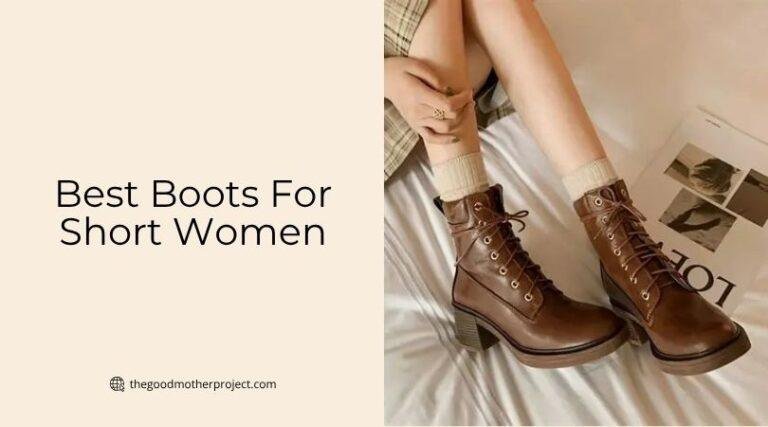
If you are a shorter woman in the United States, the best boot length is usually the one that creates a clean, unbroken line from your leg to your shoe. Ankle boots, mid-calf boots, and knee-high boots can all work well. The most flattering choice depends on your height, leg shape, outfit, hemline, and the boot’s shaft width.
As a simple starting point, choose sleek ankle boots for everyday outfits, knee-high boots for the longest leg line, and mid-calf boots only when the shaft ends at a narrow part of your leg or matches your tights or pants.

The Best Boot Lengths for Short Women
The most versatile boot lengths for petite women are ankle height and knee height. These styles tend to make the leg look longer because they either show more leg or create a smooth vertical line.
| Boot length | How it affects a shorter frame | Best use |
|---|---|---|
| Ankle boots | Show the most leg and work with many hems | Jeans, trousers, skirts, dresses |
| Chelsea boots | Add height and structure without much bulk | Casual outfits and workwear |
| Mid-calf boots | Can visually cut the leg in half | Best with matching pants or tights |
| Knee-high boots | Create a long, continuous leg line | Dresses, skirts, leggings |
| Over-the-knee boots | Can lengthen the leg but may overwhelm some frames | Slim outfits and short hemlines |
Ankle boots: the safest everyday choice
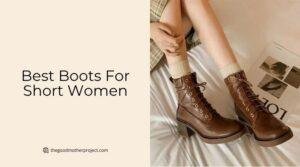
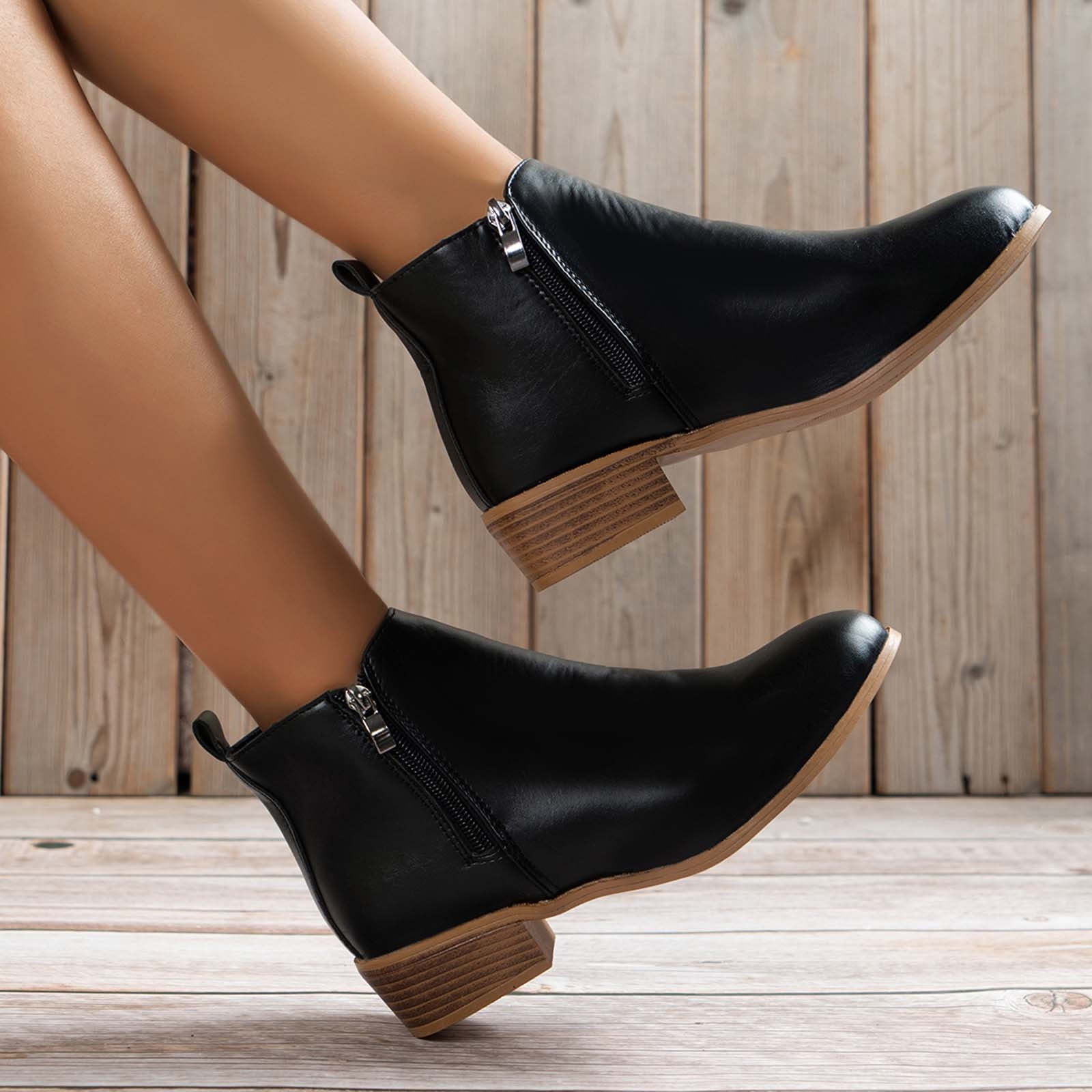
Ankle boots usually end near the ankle bone or a little above it. They are easy to wear with jeans, wide-leg pants, dresses, and skirts.
For a longer-looking leg, look for:
- A narrow or almond-shaped toe
- A low shaft that does not flare out
- A small heel or platform
- A close fit around the ankle
- A color that matches your pants, tights, or skin tone
A boot that stops just above the ankle can work well with cropped pants. However, a wide shaft may make the ankle look wider and the leg look shorter.
Knee-high boots: the best choice for a long vertical line
Knee-high boots often flatter short women because they cover most of the lower leg. They reduce the number of visual breaks between the foot, calf, and knee.
Wear them with:
- A short or knee-length skirt
- A sweater dress
- Tights in a similar color
- Slim or straight-leg pants tucked inside
- A short coat or jacket
The top of the boot should sit below the knee without pressing into the back of the knee. If it ends too far below the knee, it may look more like a mid-calf boot and create a stronger horizontal break.
Mid-calf boots: the length that needs the most care
Mid-calf boots are not automatically unflattering. They are simply less forgiving because they end across the widest part of many people’s calves.
To make this length work, try:
- Black boots with black tights
- Boots with pants in a matching shade
- A skirt hem that sits above the boot opening
- A slim shaft rather than a wide, stiff shaft
- A heel that adds a little height
- A boot that ends at a narrower part of your calf
If the boot ends at the widest point of your calf and contrasts sharply with your legs, it may make the lower leg look shorter.
Over-the-knee boots: useful but more specific
Over-the-knee boots can make the legs look longer when they fit close to the leg and leave a small amount of space between the boot top and the hem of a skirt or dress.
They work best with:


- A simple, short hemline
- A close-fitting dress or skirt
- Opaque tights
- A low-contrast color palette
- A soft, flexible shaft
Avoid pairing a very wide over-the-knee boot with a loose, bulky outfit if you want a streamlined look. The extra volume can visually shorten the body.
How to Choose the Right Boot Height
The right boot height depends on where the shaft ends, not just whether the boot is called ankle, mid-calf, or knee-high. Two boots with the same label can look very different because brands measure shaft height in different ways.
Start with your outfit’s hemline
A boot looks more lengthening when it does not create several competing horizontal lines. For example, a skirt hem, boot opening, and contrasting socks can divide the leg into short sections.
Use these general pairings:
- Ankle boots with pants: Let the pants either meet the boot or show a narrow strip of ankle.
- Ankle boots with skirts: Choose a low shaft and a pointed or almond toe.
- Knee-high boots with dresses: Keep the boot top below the knee and avoid a large gap.
- Mid-calf boots with skirts: Match the boot and tights when possible.
- Over-the-knee boots with short hems: Leave only a small, intentional gap.
The goal is not to hide your legs. The goal is to control where the eye stops.
Match the boot to your leg shape
A boot should follow your leg rather than fight it. A shaft that is too loose can look bulky. A shaft that is too tight may create pressure, wrinkles, or discomfort.
Consider these details:
- Narrow ankles usually suit boots with a close ankle opening.
- Fuller calves may feel better in stretch panels or wide-calf designs.
- Strong calves can look balanced with a firm boot shaft that ends below or above the widest point.
- Short legs often benefit from a simple boot shape with limited decoration.
- Wide straps, buckles, and contrasting panels can add visual width.
A comfortable wide-calf boot can look more flattering than a narrow boot that pinches. Fit should come before a supposed slimming effect.
Consider the boot’s visual weight
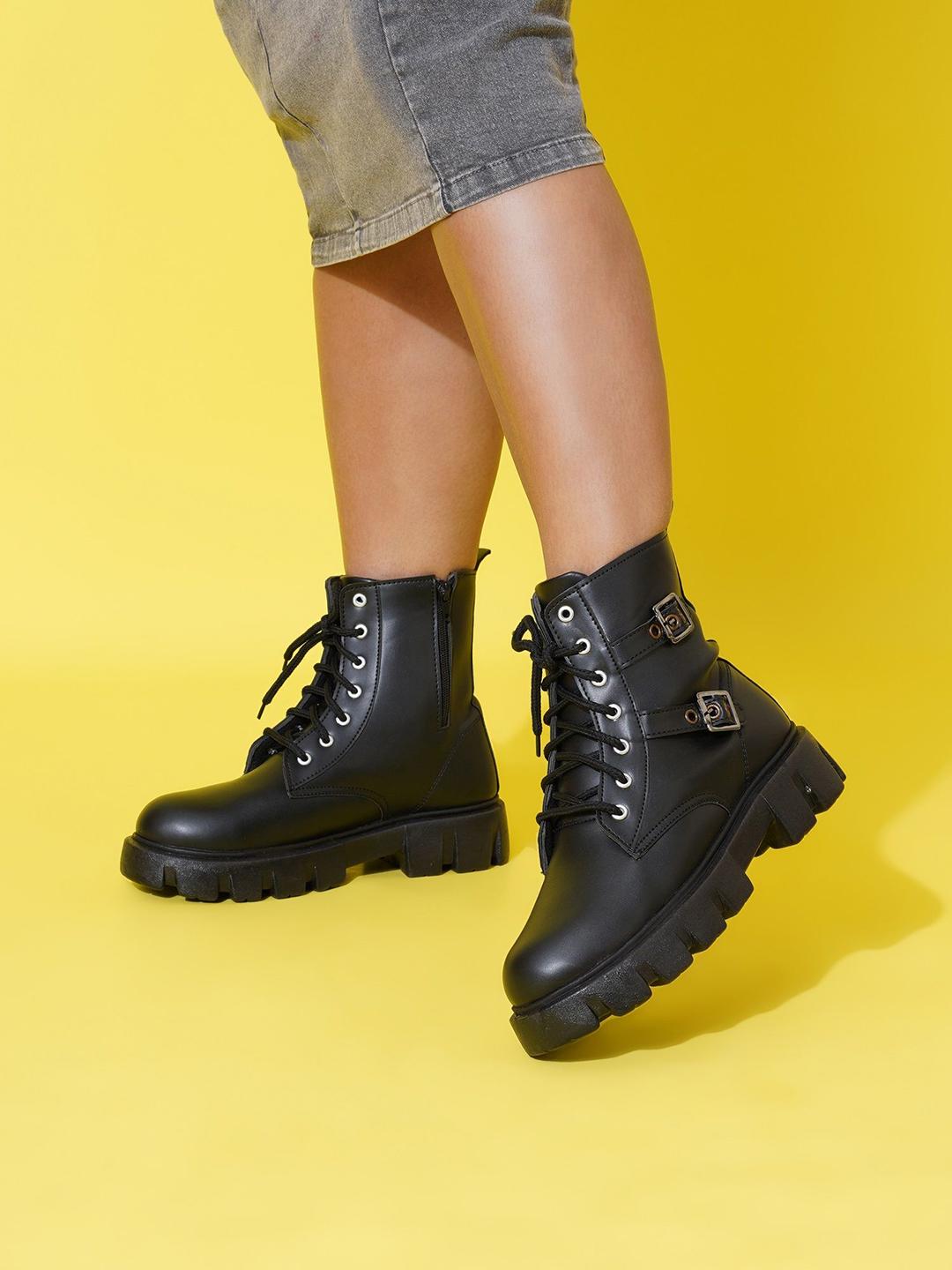
Boot weight includes more than shaft height. It also includes sole thickness, toe shape, leather stiffness, hardware, and heel size.
A very chunky lug sole can make a petite frame look grounded and modern, but it may shorten the appearance of the foot and lower leg. A slim sole and narrow toe create a lighter line.
That does not mean petite women must wear delicate boots. If you prefer a heavier style, balance it with a shorter hem, fitted pants, or a jacket that has similar visual weight.

A Simple Measurement Method for Boot Shopping
Measure your leg before buying tall boots, especially online. Product measurements are not always standardized, so compare your measurements with the seller’s size chart.
Measure shaft height
To measure your shaft height:


- Stand upright on a flat floor.
- Place the end of a soft tape measure on the floor beside your heel.
- Measure straight up along the back of your leg.
- Stop where you want the boot opening to end.
- Record the measurement in inches.
Do not measure from the bottom of the heel unless the product page does the same. Some brands measure shaft height from the top of the outsole, while others measure from the top of the heel.
Measure calf circumference
To measure your calf:
- Sit or stand in a relaxed position.
- Wrap the tape around the fullest part of your calf.
- Keep the tape level and snug, not tight.
- Measure both legs if you notice a difference.
- Add room for the socks or pants you plan to wear.
A boot should close without forcing the zipper or stretching the material sharply. A little ease allows normal movement and clothing layers.
Measure the foot at the end of the day
Feet often swell during the day. The American Podiatric Medical Association advises measuring feet later in the day and fitting the larger foot when there is a difference.
For boots, also check:
- Space for your toes to move
- A heel that does not slip excessively
- No pressure across the instep
- Enough room for the socks you will wear
- A stable sole for the surfaces you use
A boot that looks lengthening but causes rubbing is not a good fit. Blisters, numbness, and sharp pressure are signs to stop and reassess the size or style.

Which Boot Length Works With Different Outfits?
The most flattering length changes with the clothes around it. Use the outfit as a frame for the boot.
With jeans
Ankle boots are the easiest match. Try a slim or straight-leg jean with the hem resting just above the boot or touching its opening.
For wide-leg jeans, choose a boot with enough heel height to prevent the hem from dragging. The boot may be mostly hidden, but the added height can improve the overall proportion.
Knee-high boots can work under relaxed jeans if the jeans are slim enough to tuck without bunching. Do not force thick denim into a narrow shaft.
With leggings
Knee-high and over-the-knee boots usually create the smoothest line with leggings. Match the boot and legging colors for a longer effect.
Ankle boots also work, but a contrasting boot can create a strong break at the ankle. That contrast is a style choice, not a mistake. Use it when you want the footwear to stand out.
With skirts and dresses
Short skirts can work with nearly any boot height. For a longer appearance, use one of these combinations:
- Short skirt with knee-high boots
- Short skirt with over-the-knee boots
- Knee-length skirt with low ankle boots
- Midi skirt with pointed ankle boots and a visible heel
A midi skirt ending at the widest part of the calf can make the leg look shorter. If you prefer that length, choose a boot and skirt with similar colors or use a slit to create more vertical space.


With shorts
Ankle boots are usually the easiest choice with shorts. They leave more leg visible and keep the outfit from feeling visually heavy.
Knee-high boots can also work with shorts, especially in cooler weather. Keep the rest of the outfit simple so the boot does not overpower the exposed leg.

Heel Height, Toe Shape, and Color Matter Too
Boot length is only one part of the proportion. A short boot with the right shape can lengthen the leg more than a tall boot with a bulky shaft.
Choose a practical heel
A modest heel can raise the heel and lengthen the line of the foot. It can also change your posture and the way clothing falls.
Good everyday options include:
- A low block heel
- A stacked heel
- A wedge
- A slight platform
- A stable riding-boot heel
You do not need a very high heel. A heel that feels unstable can change your gait and increase fatigue. Choose the highest heel you can walk in safely and comfortably on the surfaces you use.
Use toe shape to extend the foot
Pointed and almond toes tend to create a longer visual line than very round or square toes. Square toes can still look stylish, but they usually produce a stronger horizontal shape.
If you have wide feet, do not size down for a narrow toe. Look for a shoe with enough width and a toe box that lets your toes spread naturally.
Use color to reduce visual breaks
A boot that matches your pants or tights creates a continuous color column. This can make the leg appear longer.
Useful combinations include:
- Black boots with black pants
- Brown boots with dark brown or tan pants
- Nude or light boots with bare legs
- Burgundy boots with deep red, brown, or black clothing
- White boots with a light-colored outfit
Contrast is not forbidden. A bright boot can be the focal point of an outfit. It simply draws attention to the point where the boot begins and ends.

Common Mistakes When Choosing Boots for a Short Frame
Many boot problems come from proportion or fit rather than height alone.
Mistake 1: Assuming taller boots always look better
Knee-high boots can lengthen the leg, but only if the shaft fits well and the opening sits in the right place. A tall boot that wrinkles, gaps, or stops too low may create more visual breaks than a clean ankle boot.


Mistake 2: Ignoring shaft width
A boot can fit your foot but still fit poorly around the ankle or calf. Check shaft and calf measurements, not just the shoe size.
Mistake 3: Wearing a mid-calf boot with high contrast
A mid-calf boot in a strongly different color can cut across the lower leg. If that effect is not intentional, match the boot to your pants or tights.
Mistake 4: Choosing oversized details
Large buckles, thick straps, heavy soles, and wide shafts can overwhelm a smaller frame. You can still wear them, but balance the boot with simple clothing or a structured jacket.
Mistake 5: Buying for appearance alone
Boots need enough room for movement, socks, and natural foot swelling. The American Podiatric Medical Association recommends shoes that fit comfortably from the start rather than relying on painful break-in periods.
Mistake 6: Forgetting weather and walking conditions
A smooth fashion sole may not provide enough traction on wet sidewalks, ice, or snow. If you live in a cold U.S. climate, check the sole, tread, insulation, and waterproofing claims before choosing a boot for daily winter use.
Quick Takeaways
- Best everyday length: Ankle boots with a slim shaft.
- Best lengthening effect: Knee-high boots that fit close to the leg.
- Most difficult length: Mid-calf boots, especially with high contrast.
- Best color trick: Match boots with pants or tights.
- Best fit rule: Measure shaft height and calf circumference before buying tall boots.
- Best comfort rule: Never trade toe room, stability, or calf comfort for a longer-looking leg.
Frequently Asked Questions
Are ankle boots or knee-high boots better for short women?
Both can work. Ankle boots are more versatile and show more leg, while knee-high boots create a longer vertical line. Choose ankle boots for everyday outfits and knee-high boots when wearing skirts, dresses, or tucked-in pants.
Should short women avoid mid-calf boots?
No. Mid-calf boots can work when the opening ends at a narrow part of the calf or when the boot matches your tights or pants. They are less forgiving than ankle or knee-high styles because they can create a strong line across the lower leg.
What boot shaft height is best for petite women?
There is no single ideal shaft height. The best measurement depends on your leg length, calf shape, and outfit. Measure from the floor beside your heel to the point where you want the boot to end, then compare that measurement with the brand’s shaft chart.
Do pointed-toe boots make legs look longer?
They can create a longer visual line because the toe extends the foot. However, the boot still needs a comfortable toe box. Do not choose a narrow or painful style simply because it looks longer.
Can short women wear over-the-knee boots?
Yes. Over-the-knee boots often work well with short skirts, dresses, and fitted outfits. Choose a flexible shaft that stays in place and avoid excessive bulk if you want a streamlined look.
Do heels make boots more flattering on short women?
A modest, stable heel can lengthen the foot and improve the line of an outfit. A high heel is not required. Comfort, balance, and safe walking matter more than added height.
Should boots match pants?
Matching boots and pants can create a longer, uninterrupted line. Contrasting boots can also look attractive, but they place more attention on the ankle or boot opening.
Conclusion: The Best Boot Length Is the One That Keeps Your Line Clean
For most short women, sleek ankle boots and well-fitted knee-high boots are the strongest choices. Ankle boots offer the most flexibility, while knee-high boots can make the leg look longer with skirts, dresses, and slim pants.
The right pair should fit your foot, ankle, and calf without pressure. Before buying, check the shaft height, calf circumference, toe room, heel stability, and the clothes you plan to wear. Once fit and comfort are in place, boot length becomes a styling choice rather than a strict rule.

Madison Clark is a footwear expert and the voice behind MyStyleGrid.com. She specializes in honest shoe reviews, style tips, and practical guides to help readers find the perfect pair for any occasion. With years of experience in blogging and content creation, Madison makes footwear knowledge simple, stylish, and easy to follow.