Pointy boots are usually called pointed-toe boots, pointy-toe boots, or simply sharp-toe boots.
If you are wondering what are pointy boots called, the best answer depends on their shape, history, and style. In most shoe stores, “pointed-toe boots” is the clearest term, while “winklepickers,” “western boots,” and “kitten-heel boots” may describe more specific designs. This guide explains each name, how to tell the styles apart, and how to wear them comfortably.
What Are Pointy Boots Called?
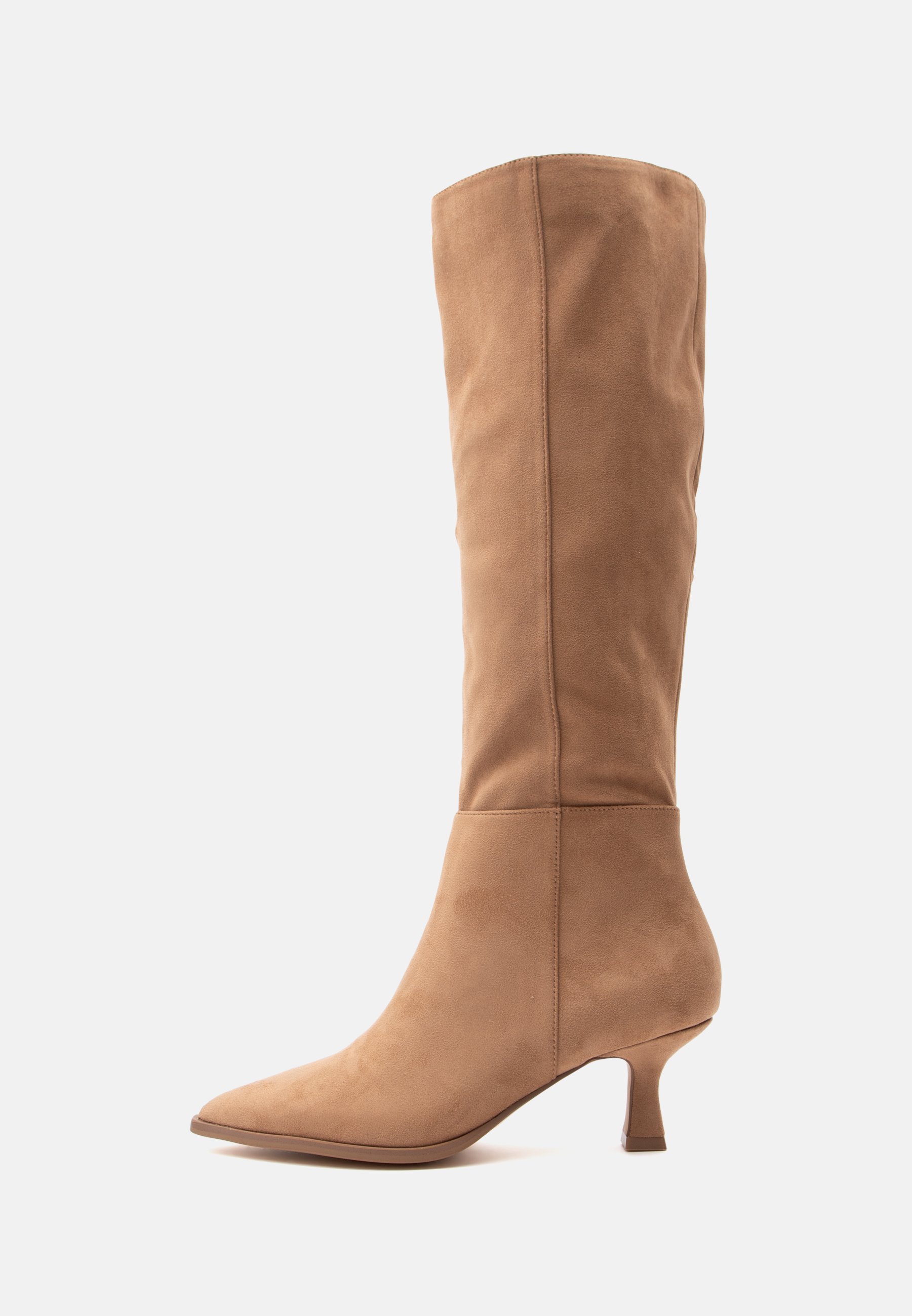
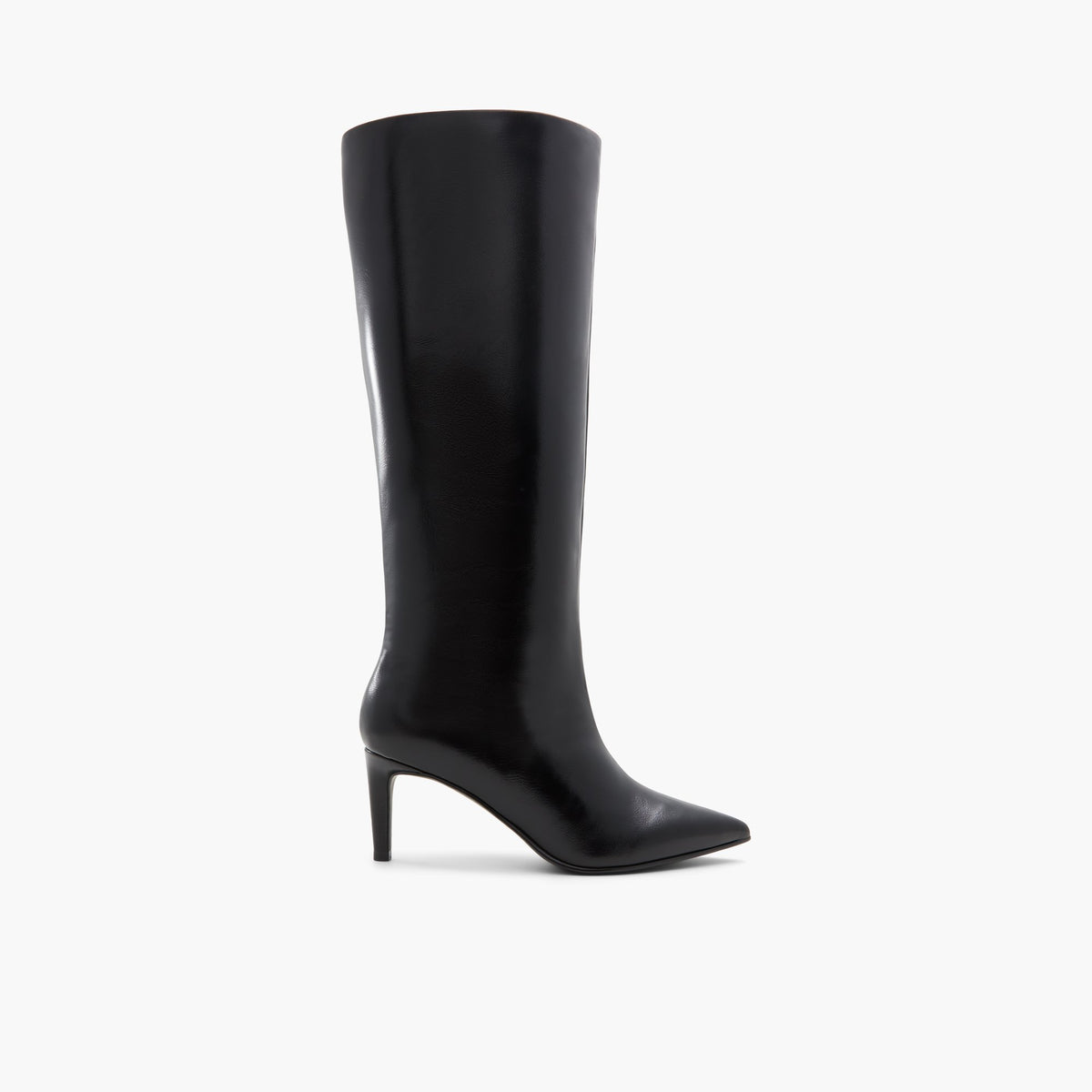
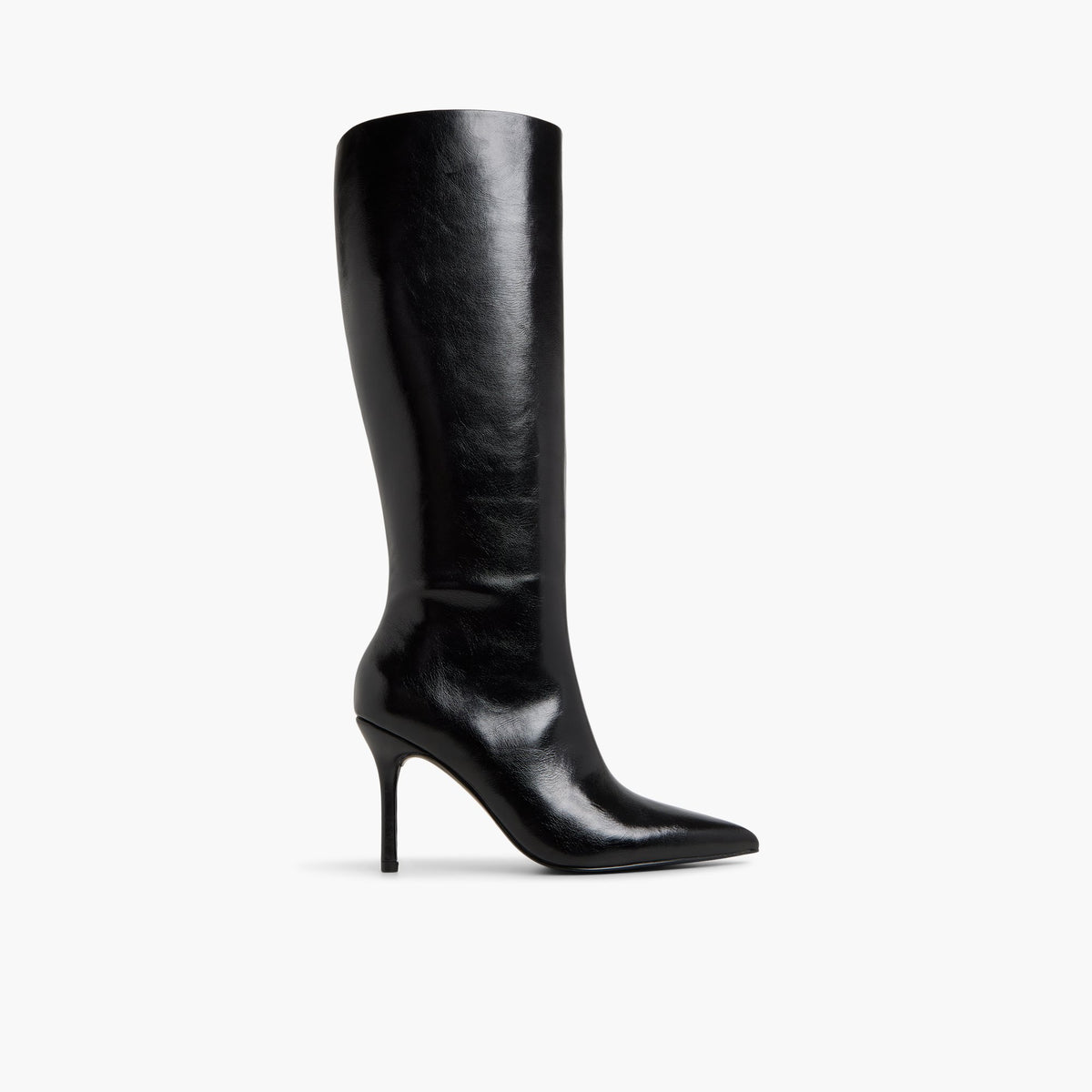
Pointy boots are most often called pointed-toe boots or pointy-toe boots. These names describe boots with a toe box that narrows into a noticeable point.
The point may be short and sleek or long and dramatic. Some boots have a true pointed toe, while others have a narrow almond toe that only looks slightly sharp. Stores may also use terms such as “sharp-toe boots,” “tapered-toe boots,” or “narrow-toe boots.”
When people ask what are pointy boots called, they may be thinking of several different styles, including:
• Pointed-toe ankle boots: Short boots with a sharp toe and a shaft near the ankle.
• Pointed-toe knee-high boots: Tall boots with a narrow toe and a shaft that reaches the knee.
• Winklepicker boots: Very sharp, long-toed boots linked to British rock and subculture fashion.
• Pointed cowboy boots: Western boots with a narrow, pointed toe.
• Pointed Chelsea boots: Slip-on ankle boots with elastic side panels and a sharp toe.
• Pointed dress boots: Formal boots designed for suits, evening clothes, or polished outfits.
The most useful search term is “pointed-toe boots.” It works for both men’s and women’s footwear and is easy for retailers and stylists to understand.

The Main Names for Pointy Boots
The name of a pointy boot often changes based on its toe shape, heel, height, and cultural history. Learning these terms makes shopping much easier.
Pointed-toe boots
“Pointed-toe boots” is the standard fashion term. The toe narrows toward the front and creates a clean, sharp outline.
These boots can be flat, heeled, casual, or formal. They are common in leather, suede, faux leather, and stretch materials.
Winklepicker boots
Winklepickers have an extremely long and narrow toe. The name comes from the old British term “winkle,” which refers to a type of sea snail. The toe was jokingly said to be useful for picking winkles from their shells.
Winklepickers became popular in British youth culture, especially among rockers, teddy boys, goths, and punk fans. They are more dramatic than standard pointed-toe boots and may have a Cuban heel or stacked heel.
Pointed cowboy boots
Western boots often have a pointed toe, although many also come with square or rounded toes. A pointed cowboy boot may feature decorative stitching, a raised heel, and a taller shaft.
The pointed shape helps create a longer leg line. It also gives the boot a sharper, more fashion-focused look than a traditional rounded western boot.
Pointed Chelsea boots
Chelsea boots have elastic side panels and no traditional laces. When they feature a narrow toe, they are often called pointed Chelsea boots.
This style is popular because it combines a smart shape with easy on-and-off wear. It works well with jeans, trousers, skirts, and simple office outfits.
Pointed dress boots
Pointed dress boots are made for polished outfits. They usually have smooth leather, a slim profile, and a low or medium heel.
These boots are common in formal menswear and sleek women’s fashion. They can replace dress shoes during cold weather while keeping a refined appearance.
Pointed Toe Versus Almond Toe
Many shoppers confuse pointed-toe boots with almond-toe boots. The difference is small but important.
A pointed toe narrows into a clear tip. An almond toe is also slim, but its front is softer and more rounded, like the shape of an almond.
Here is a simple comparison:
• Pointed toe: Sharp tip, narrow appearance, more dramatic style.
• Almond toe: Soft taper, rounded tip, often more comfortable.
• Square toe: Flat front, wider feel, strong modern or western look.
• Round toe: Curved front, classic shape, usually more forgiving.
The answer to what are pointy boots called may be “almond-toe boots” if the toe only looks slightly pointed. Product photos can be misleading, so check the written description and toe measurements before buying.
A pointed toe does not always mean the boot is uncomfortable. The fit depends on the width, material, insole, and inner shape. A well-made pointed boot can feel better than a poorly made round boot.

A Brief History of Pointy Boots
Pointed footwear has appeared in many periods of fashion. In medieval Europe, long pointed shoes called poulaines became popular among some wealthy groups. These were usually shoes rather than modern boots, but they helped establish the visual language of an elongated toe.
Pointed shoes and boots returned in different forms over the centuries. They appeared in men’s dress shoes, women’s heels, riding boots, western wear, and youth subcultures.
In the 1950s, narrow-toe shoes became part of the sharp, polished look linked with rock-and-roll style. Later, winklepickers became strongly associated with British subcultures.
Modern pointed boots combine these older ideas with new materials and shapes. A current pair may look elegant, rebellious, western, or minimalist, depending on the heel and shaft design.
Understanding this history helps explain why the same basic shape has so many names. The toe tells you the general design, while the boot’s culture and construction give it a more specific label.

How to Identify Different Pointy Boots
You can identify a pair of pointy boots by checking five main features. This method is useful when shopping online or describing a pair to a salesperson.
1. Check the toe length
A short point looks modern and easy to wear. A very long point may indicate a winklepicker or a fashion-forward design.
2. Look at the heel
A low block heel often suggests a casual or western boot. A thin heel may signal a dress boot or fashion boot. A Cuban heel is slightly curved and often appears on western, rocker, and winklepicker styles.
3. Examine the shaft
An ankle shaft creates a clean, versatile boot. A knee-high shaft looks more dramatic and can add warmth. A tall western shaft usually has pull tabs and decorative stitching.
4. Check the closure
• Side elastic panels usually indicate a Chelsea boot.
• A zipper is common on fashion and dress boots.
• Laces may suggest combat, work, or vintage-inspired footwear.
• Pull-on construction is common in cowboy and riding boots.
5. Study the decoration
Metal details, buckles, contrast stitching, and raised heels can show the boot’s style family. Plain leather usually creates a dressier look, while heavy decoration may point to western, biker, or alternative fashion.
These details help you answer what are pointy boots called without relying on appearance alone.
How to Wear Pointed-Toe Boots
Pointy boots can make an outfit look longer and sharper. They work best when the rest of the outfit has a clear shape.
Try these simple combinations:
• Wear pointed ankle boots with straight-leg jeans for a clean everyday outfit.
• Pair black pointed boots with tailored trousers for an office-ready look.
• Match pointed cowboy boots with relaxed denim and a tucked shirt.
• Wear knee-high pointed boots with a midi skirt or simple sweater dress.
• Use winklepickers with slim jeans, a leather jacket, or vintage-inspired clothing.
• Combine pointed Chelsea boots with dark denim and a wool coat.
Color also affects the mood. Black leather looks formal and strong. Brown leather feels warmer and more casual. White or bright colors make the boots the center of attention.
A useful styling rule is to repeat the boot’s color somewhere else. For example, black boots can work well with a black belt, bag, or jacket. This creates balance without making the outfit look overly planned.
In my experience, the biggest styling mistake is pairing very dramatic pointy boots with too many other bold pieces. Let the boots make one clear statement, then keep the rest of the outfit simple.

Are Pointy Boots Comfortable?
Pointy boots can be comfortable, but comfort depends on fit rather than the pointed shape alone. A narrow-looking toe may still have enough internal space for your foot.
Before buying, check these features:
• Toe room: Your toes should not press against the front.
• Width: The boot should not squeeze the sides of your forefoot.
• Heel security: Your heel should stay in place without rubbing.
• Flexible material: Soft leather or fabric often adapts better than stiff material.
• Cushioning: A padded footbed can reduce pressure during long wear.
• Heel height: Lower heels are often easier for walking and daily use.
Your longest toe should have a small amount of space from the end of the boot. Do not buy a larger size just to gain toe room, because excess length can make your foot slide forward.
A common mistake is trying boots on while wearing thin socks when you plan to wear thick winter socks. Try them with the socks you will actually use.
If you feel numbness, sharp pressure, or pain, the boot is not a good fit. Style should never require lasting discomfort.
Benefits and Drawbacks of Pointy Boots
Pointed-toe boots have clear style benefits, but they also have limits.
Benefits
• They create a sleek and refined outline.
• They can make the legs appear longer.
• They work with casual and formal clothing.
• They are available in many heights, colors, and heel types.
• They add structure to simple outfits.
• They can replace dress shoes in cool or wet weather.
Drawbacks
• Narrow designs may feel tight across the toes.
• Long pointed toes can catch on stairs or uneven ground.
• High heels may increase foot strain.
• Some low-quality materials crease badly at the toe.
• They may be less suitable for long walks than round-toe boots.
People with bunions, hammertoes, or other foot concerns may need a wider design. A podiatrist can provide personal advice when footwear causes repeated pain.
There is also a difference between temporary style pressure and ongoing foot stress. A boot that feels slightly firm may soften with careful wear, but a boot that pinches should not be forced.
How to Buy the Right Pointy Boots
Use this simple process when shopping for pointed-toe boots:
-
Measure both feet at the end of the day, when feet are often slightly larger.
-
Choose the size that fits the larger foot.
-
Check the toe shape from the top, not only from the side.
-
Walk on a hard floor and test for slipping or pressure.
-
Bend the boot slightly to see whether the sole has some flexibility.
-
Read reviews for comments about width, sizing, and break-in time.
-
Check the return policy before ordering online.
Materials matter too. Full-grain leather can develop a natural patina and often becomes more flexible. Suede feels soft but needs protection from water. Synthetic materials may cost less, but their breathability and durability vary.
For regular walking, choose a low heel and a stable sole. For occasional events, you may prefer a slimmer heel or longer toe. The best pointy boots match your lifestyle, not just your mood board.
My practical lesson is simple: never judge fit after standing still for one minute. Walk, sit, climb a few steps, and wear the boots long enough to notice pressure points.
Caring for Pointed-Toe Boots
Pointed boots need care because the front of the boot receives frequent contact with floors, furniture, and curbs.
Follow these basic steps:
• Brush away dirt after each wear.
• Use a product made for the boot’s material.
• Insert shoe trees or soft paper to help retain the shape.
• Let damp boots dry naturally away from direct heat.
• Rotate pairs so each pair can rest between wears.
• Replace worn heel tips before they damage the heel structure.
Do not use one cleaner on every material. Leather, suede, nubuck, and synthetic finishes need different products.
The pointed toe may crease more visibly than a round toe. Proper sizing reduces deep creases because the foot does not slide forward inside the boot.
Good care can extend the useful life of a pair and keep the toe looking sharp. It also helps protect your investment, especially when the boots are made from quality leather.
Frequently Asked Questions About What Are Pointy Boots Called
What are pointy boots called in fashion?
They are usually called pointed-toe boots or pointy-toe boots. The exact name may change to winklepicker, pointed cowboy boot, or pointed Chelsea boot based on the design.
Are pointed-toe boots the same as winklepickers?
No. Winklepickers have an especially long and narrow pointed toe, while standard pointed-toe boots may have a shorter, softer point.
What are pointy cowboy boots called?
They are commonly called pointed-toe cowboy boots or snip-toe cowboy boots. “Snip toe” often describes a western toe with a narrow, slightly cut-off tip.
Are pointed boots good for wide feet?
They can be, but many narrow styles may feel tight. Look for wide-width sizes, soft materials, and a pointed shape with extra room inside the toe box.
Do pointy boots make your feet look bigger?
A long toe can make the boot look longer, but the effect depends on the boot’s color, heel, and overall shape. A short pointed toe usually looks more balanced than an exaggerated winklepicker toe.
Can men wear pointed-toe boots?
Yes. Men’s pointed-toe boots include dress boots, western boots, Chelsea boots, and rock-inspired winklepickers. The best choice depends on the outfit and the level of formality.
Are pointed-toe boots still in style?
Yes. Pointed boots return often because they create a clean, lengthened silhouette. Their popularity changes by season, but the basic style remains a lasting part of footwear design.
Conclusion
The clearest answer to what are pointy boots called is pointed-toe boots or pointy-toe boots. More specific names include winklepickers, pointed cowboy boots, pointed Chelsea boots, and pointed dress boots.
Choose the name by looking at the toe, heel, shaft, closure, and decoration. When buying, focus on room, support, and real walking comfort rather than appearance alone. Explore different toe shapes, try on several styles, and share your favorite pointed boot look in the comments.

Madison Clark is a footwear expert and the voice behind MyStyleGrid.com. She specializes in honest shoe reviews, style tips, and practical guides to help readers find the perfect pair for any occasion. With years of experience in blogging and content creation, Madison makes footwear knowledge simple, stylish, and easy to follow.