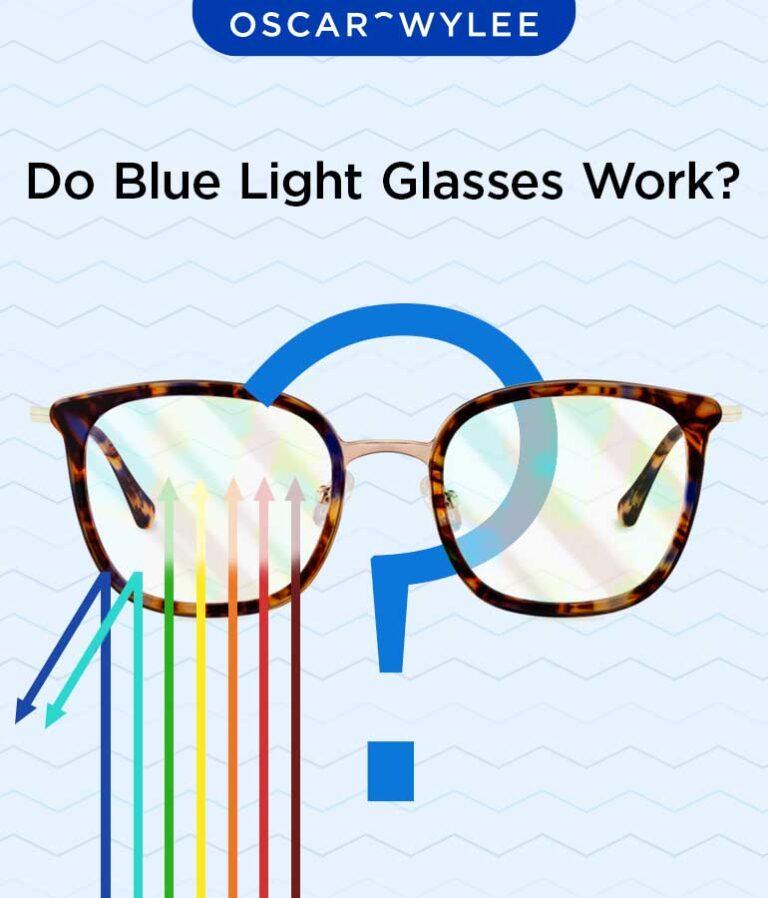
Blue light filtering glasses may reduce glare, but research shows limited benefits for eye strain or sleep.
If you spend hours on a laptop or phone, you may wonder, “Do blue light filtering glasses work, or are they just clever marketing?” The answer depends on what you expect them to do. Research suggests they do not prevent eye disease or reliably stop digital eye strain, but some people find them helpful for glare, comfort, or evening screen use. This guide explains the evidence, limits, and practical ways to protect your eyes.

What are blue light filtering glasses?
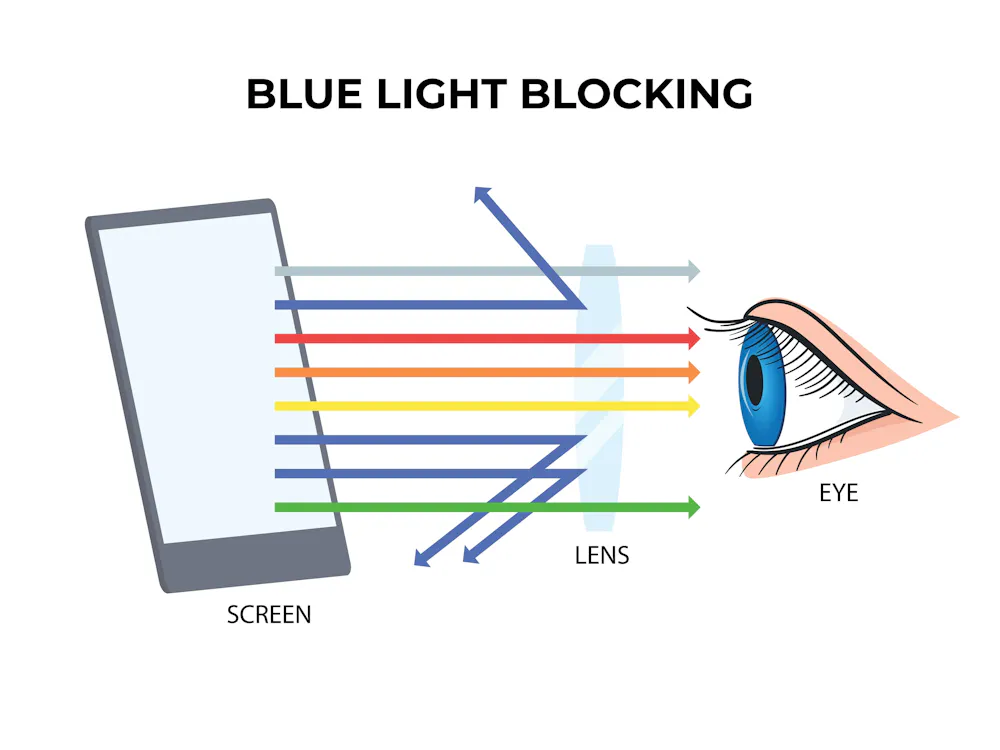
Blue light filtering glasses have lenses that reduce some short-wavelength light. This light is often called blue-violet light. It comes from the sun, LED bulbs, televisions, phones, tablets, and computer screens.
The lenses may use a clear coating, a slight tint, or a stronger amber color. Each lens blocks a different amount of blue light. So, not all blue light glasses work in the same way.
The key point is simple: blue light is not automatically harmful. Daylight contains much more blue light than a phone screen. Your eyes and body are built to handle normal daytime exposure.
The concern is usually about two separate issues:
• Digital eye strain, which may cause tired eyes, dryness, headaches, and blurred vision
• Sleep disruption, which may happen when bright light reaches your eyes late at night
Do blue light filtering glasses work for these issues? The answer is mixed. They may change the light that reaches your eyes, but that does not mean they solve the main cause of discomfort.

Do blue light filtering glasses work for digital eye strain?
Current research does not show strong proof that blue light glasses reduce digital eye strain. A large review of randomized trials found that these glasses may make little or no difference compared with regular lenses.
That finding does not mean the glasses are useless. It means blue light may not be the main reason your eyes feel tired after screen use.
Digital eye strain often comes from several factors:
• Looking at one near object for too long
• Blinking less often while reading
• Dry indoor air or air conditioning
• Screen glare and reflections
• Poor lighting
• An incorrect glasses prescription
• Holding a screen too close
• Poor posture that creates neck and head tension
When you stare at a screen, your blink rate can drop. Your tear film then dries faster. The result can feel like burning, gritty eyes, or a tired pressure around the forehead.
Blue light filtering glasses do not fix dry eyes, poor posture, or an outdated prescription. Adjusting those problems often helps more than changing the lens color.
What the research shows
Clinical studies have generally found no clear, consistent benefit for eye fatigue, visual performance, or comfort. Some people report that blue light glasses feel better, but personal comfort is not the same as proof that the glasses treat eye strain.
The placebo effect may also play a role. If you believe a product will help, you may notice less discomfort while using it. That experience is real, but it does not prove that blue light caused the problem.
So, do blue light filtering glasses work for digital eye strain? They might feel comfortable for some users, but they should not be your main solution.
Can blue light glasses improve sleep?
Blue light can affect your circadian rhythm, which is your natural body clock. Bright light in the evening may reduce melatonin, a hormone that helps prepare your body for sleep.
This does not mean every screen ruins sleep. The effect depends on several factors:
• How bright the screen is
• How close the screen is to your eyes
• How long you use it
• Whether you use it during the last hour before bed
• Your personal sensitivity to light
• Your normal sleep schedule
Some studies suggest amber lenses may reduce evening light exposure. However, research on whether blue light glasses improve sleep is mixed. Some trials report better sleep measures, while others find little benefit.
A pair of clear lenses that blocks only a small amount of blue light is unlikely to have the same effect as dark amber lenses. Even then, the glasses may not overcome a late-night movie, stressful work, or an irregular sleep routine.
If sleep is your goal, reducing bright light is often more important than wearing special glasses. Dim your screen, turn on night mode, and stop demanding tasks before bed.
Do blue light filtering glasses work for sleep? They may help some people, especially with strong amber lenses, but the evidence is not firm enough to treat them as a guaranteed sleep aid.

Do blue light glasses protect your eyes?
There is no good evidence that normal screen exposure causes permanent eye damage in healthy adults. Blue light from a phone or computer is also not known to cause blindness or macular degeneration at ordinary use levels.
That does not mean you should stare at a screen without breaks. Screens can still cause temporary discomfort. They may also contribute to dry eyes, headaches, and neck pain.
Blue light filtering glasses do not replace sunglasses outdoors. Sunglasses protect against ultraviolet radiation, which is different from visible blue light. When you are outside, choose sunglasses labeled UV400 or 100% UVA and UVB protection.
Blue light glasses also cannot prevent every eye condition. Regular eye exams remain important, especially if you have diabetes, glaucoma, macular degeneration, severe dry eye, or a family history of eye disease.
Seek professional care if you notice:
• Sudden vision loss
• New flashes or many floaters
• Persistent eye pain
• Double vision
• A curtain-like shadow in your vision
• Blurred vision that does not improve
Do blue light filtering glasses work as eye protection? No. They should not be marketed as a shield against eye disease or permanent screen damage.

Possible benefits of blue light filtering glasses
Although the evidence is limited, these glasses may still offer practical benefits in certain situations. The benefit may come from the lens design, reduced glare, or a change in evening light exposure.
Potential advantages include:
• Less glare from bright screens
• More comfortable viewing in a dark room
• A warmer visual tone at night
• Fewer reflections from artificial lights
• A reminder to use healthier screen habits
Some lenses include anti-reflective coatings. This feature may be more useful than the blue light filter itself. Anti-reflective coatings reduce reflections on the lens surface, which can make screens look clearer.
People who work in brightly lit offices may also like a light tint. It can make the screen feel softer, much like turning down the volume on a loud song.
Still, comfort varies. A tint that feels relaxing to one person may look distracting to another. The only way to know whether blue light filtering glasses work for you is to test them under your usual conditions without expecting a miracle.
Limitations and possible drawbacks
Blue light glasses are usually safe, but they are not risk-free in every situation. Low-quality lenses may distort colors or make screens appear yellow. That can be a problem for designers, photographers, artists, and anyone who needs accurate color.
A strong tint may also make it harder to read in a dim room. Some people compensate by increasing screen brightness, which can cancel out the intended benefit.
Other drawbacks include:
• Cost without a proven medical benefit
• False confidence about eye health
• Color distortion
• Reflections from poor lens coatings
• Delayed care for an untreated vision problem
• Discomfort from heavy or poorly fitted frames
One common mistake is buying blue light glasses instead of getting an eye exam. If your prescription is wrong, no filter will correct the problem. A comprehensive exam can identify focusing issues, dry eye, and other causes of discomfort.