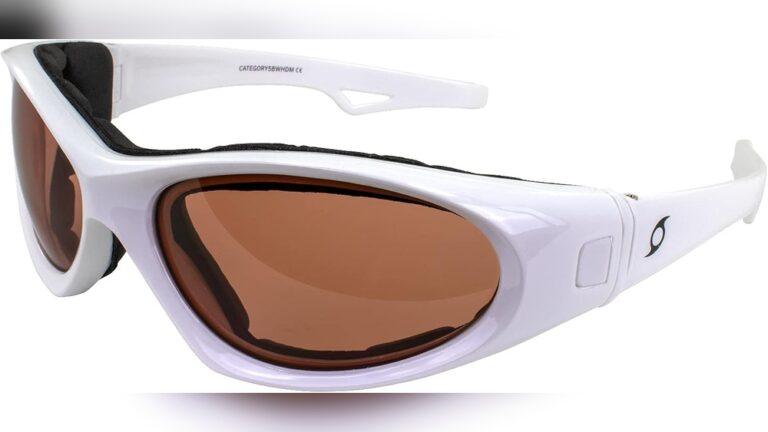
Are you searching for sunglasses that offer the highest level of sun protection? You might have seen the term Category 5 sunglasses and wondered what makes them different. Many sunglasses in stores are labeled with categories, but only a few people know what these labels mean and why they matter. Choosing the right sunglasses is not just about style—it’s also about keeping your eyes healthy and safe in strong sunlight.
In this article, I’ll explain everything you need to know about Category 5 sunglasses. I’ll break down what they are, how they work, and when you should use them. You’ll also learn the main differences between all five sunglass categories, so you can pick the best pair for your needs. By the end, you’ll feel confident choosing sunglasses that protect your eyes—even in the brightest conditions.
What Are Sunglass Lens Categories?
Before we look at Category 5, let’s talk about lens categories in general. Sunglass manufacturers use these categories to show how much visible light the lenses block. The higher the number, the darker the lens and the more sunlight it blocks. This system helps you quickly compare sunglasses and choose the right one for your activities.
There are five main categories:
- Category 0: Almost clear lenses, very little sun protection
- Category 1: Light tint, for low sunlight or fashion
- Category 2: Medium tint, for average sunlight
- Category 3: Dark tint, for strong sunlight (most common for everyday use)
- Category 4: Very dark, for intense sun (not for driving)
- Category 5: Extra dark and specialized, for extreme light conditions
You may notice that some systems list only up to Category 4. However, some brands and safety standards include Category 5 for special cases. This article focuses on the highest level—Category 5 sunglasses—so you know when and why they matter.
The Science Behind Sunglass Categories
Each category blocks a different amount of visible light transmission (VLT). This means the percentage of light that passes through the lenses. For example, a lens with 10% VLT only allows 10% of sunlight to reach your eyes. The rest is blocked or absorbed.
Here’s how the VLT usually matches the categories:
| Category | VLT (%) | Recommended Use |
|---|---|---|
| 0 | 80-100 | Indoor/Fashion |
| 1 | 43-80 | Low light/Cloudy days |
| 2 | 18-43 | Moderate sunlight |
| 3 | 8-18 | Bright sunlight (beach, driving) |
| 4 | 3-8 | Intense sun (mountains, glaciers) |
| 5 | Less than 3 | Extreme sunlight (special uses) |
Category 5 sunglasses are rare because they are designed for only the brightest, most dangerous light conditions. They block more than 97% of visible light. For most people, even Category 3 or 4 is enough for daily life.
Understanding Category 5 Sunglasses
So, what makes Category 5 sunglasses unique? These lenses are the darkest you can find in standard eyewear. They offer the highest protection from sunlight and glare. The lens tint is so dark that you cannot use them for normal activities like driving. In fact, in some countries, it’s illegal to drive with Category 5 sunglasses because you can’t see traffic lights or road signs clearly.
You might be thinking: who needs such dark sunglasses? The answer is, only a few people in very specific situations. If you love high-altitude mountaineering, glacier travel, or are exposed to intense, reflective sunlight, you may need this level of protection.
Let’s break down the key facts:
- Blocks 97% or more of visible light
- Not for driving or cycling
- Used for extreme environments
- Can reduce eye strain and damage in harsh sun
Many beginners miss an important point: these sunglasses are not for fashion. They are protective gear, like a helmet or gloves. If you use Category 5 glasses in normal sunlight, you may feel uncomfortable or even unsafe.
The Five Sunglass Categories Explained
To help you understand how Category 5 fits into the bigger picture, let’s look at all five categories in detail. I’ll explain each one, what it’s for, and when you might choose it.
1. Category 1 Sunglasses
These have a very light tint. They let in most sunlight, so they don’t make things much darker. Category 1 lenses are mainly for style or comfort on cloudy days. They can reduce some glare but do not protect you from strong sun.
When to use:
- Overcast or foggy days
- Fashion (indoor or outdoor)
- Early morning or late evening
What to know: If you need real sun protection, avoid Category 1. They are not strong enough for beach, snow, or mountain use.
2. Category 2 Sunglasses
This level is a step darker. Category 2 sunglasses are good for days with mild sunlight. The tint helps reduce glare but doesn’t make things too dark. Many people wear these for everyday activities when the sun is not strong.
When to use:
- Spring or autumn days
- In the city or countryside
- Light outdoor sports
What to know: Category 2 is not enough for mountain climbing or full summer sun. You might still squint in very bright light.
3. Category 3 Sunglasses
These are the most popular sunglasses worldwide. Category 3 lenses are dark enough for most sunny conditions, including the beach or driving. They offer strong protection without making your vision too dark.
When to use:
- Summer days
- Beach or water sports
- Driving in daylight
What to know: For most people, Category 3 is the best balance between comfort and protection. But for extreme conditions, you’ll need more.
4. Category 4 Sunglasses
Category 4 sunglasses are very dark. They are made for high-altitude sports, such as skiing, mountaineering, or glacier walking. The tint is so strong that you cannot use them for driving. In fact, it’s unsafe—and sometimes illegal—to drive with Category 4 lenses.
When to use:
- High mountains (above 2,500 meters)
- Skiing or snowboarding on glaciers
- Sailing in very bright conditions
What to know: If you use these in normal sunlight, you may not see enough detail. Only choose Category 4 if you really need it.
5. Category 5 Sunglasses
Now, let’s focus on the most powerful: Category 5 sunglasses. These block almost all visible light. They are very rare and usually made for special jobs or extreme environments. You’ll find them used by people who work on glaciers, in deserts, or at high altitudes.
When to use:
- Mountaineering (above snow line)
- Glacial travel
- Certain industrial or laboratory work
What to know: Never use Category 5 for driving, cycling, or general wear. They are not for everyday life—they’re for protection in the harshest sunlight on Earth.
When And Why You Need Category 5 Sunglasses
You might ask, “Why would anyone need sunglasses this dark?” The answer is extreme sunlight exposure. In some environments, sunlight is not only bright—it’s dangerous. For example, on a glacier, sunlight can reflect off snow and ice, doubling the amount of light that hits your eyes. This can cause a painful condition called snow blindness.
Category 5 sunglasses are made for:
- High-altitude mountaineers: At high altitudes, the air is thinner, and there’s less atmosphere to block UV rays. Light can be several times stronger than at sea level.
- Glacier travelers: Snow and ice reflect up to 90% of sunlight. This can damage your eyes quickly.
- Desert explorers: White sand and open landscapes can reflect extreme sunlight.
- Certain industrial jobs: Some workers in welding or special laboratories use Category 5 lenses for eye safety.
If you spend time in these environments, ordinary sunglasses are not enough. You need the highest level of protection possible.
How Category 5 Sunglasses Protect Your Eyes
Let’s talk about how these sunglasses work. The key is their ability to block almost all visible light and a high percentage of UV radiation. The lens material absorbs and filters both types of rays. This keeps your eyes safe from both bright glare and invisible UV rays, which can cause long-term eye damage.
Important features:
- Strong lens tint: The dark color absorbs most sunlight.
- UV400 protection: Blocks 99-100% of UVA and UVB rays.
- Anti-glare coating: Reduces reflections from snow, water, or sand.
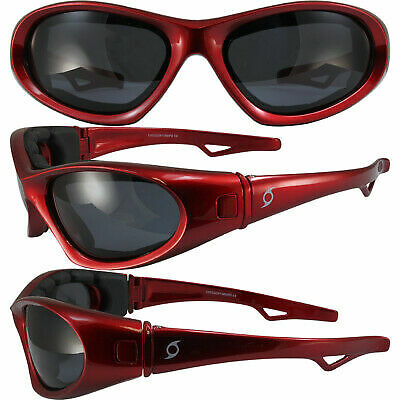
- Wraparound design: Many Category 5 sunglasses have large, curved frames to block light from the sides.
These features work together to protect you from photokeratitis (sunburn of the eye), cataracts, and permanent eye damage. If you have ever experienced sore or watery eyes after a day in the snow, you know how important this protection can be.

Credit: www.amazon.com
What Makes Category 5 Different From Lower Categories?
It’s easy to think all sunglasses are the same, but the differences are huge—especially between Categories 3, 4, and 5. Let’s compare them side by side.
| Feature | Category 3 | Category 4 | Category 5 |
|---|---|---|---|
| VLT (%) | 8-18 | 3-8 | <3 |
| Sunlight Intensity | Strong (normal use) | Very strong (mountains, snow) | Extreme (glaciers, deserts) |
| Driving Allowed? | Yes | No | No |
| Typical User | General public | Mountaineers, skiers | Glacier, desert workers |
| UV Protection | Usually UV400 | UV400 | UV400 |
As you can see, Category 5 sunglasses are not just “slightly darker.” They are on a different level, blocking out almost all light. Most people will never need them, but if you do, nothing else will keep your eyes safe.
How To Identify Category 5 Sunglasses
Not all dark sunglasses are Category 5. You need to check the official labeling. Look for these signs:
- Label on the lens or frame: Should say “Cat. 5” or “Category 5”
- Visible Light Transmission (VLT) rating: Less than 3%
- CE mark or similar safety certification
- Warnings: Often labeled “Not for driving or road use”
Some sunglasses may use a different numbering system, especially in the US or Asia. Always check the VLT percentage or ask the seller for details. If there’s no information, the sunglasses may not offer true Category 5 protection.
Pro tip: If you hold the sunglasses up to your eyes indoors and can barely see anything, they might be Category 5. But don’t guess—always check the label.

Credit: www.cifo.blog
Common Mistakes When Choosing Sunglasses
Many people buy sunglasses without knowing what they really need. Here are mistakes I often see:
- Choosing sunglasses by color only: Darker does not always mean safer. Some dark lenses do not block UV rays.
- Using Category 4 or 5 for driving: This is unsafe and may be illegal. You can’t see well enough to drive safely.
- Ignoring the environment: Beachgoers may need Category 3, but glacier climbers need Category 5.
- Not checking UV protection: Always look for “UV400” or “100% UV protection.” Visible darkness is not enough.
If you avoid these mistakes, you’ll protect your eyes and enjoy the outdoors much more.
Who Should Buy Category 5 Sunglasses?
Let’s be clear: Category 5 sunglasses are not for everyone. They are made for people who face the strongest sunlight on Earth. If you plan to climb high mountains, cross glaciers, or work in deserts, you should consider them. For most other activities, Category 3 or 4 is enough.
Best for:
- Mountaineers above 3,000 meters
- Glacier travelers
- Desert explorers
- Certain industrial workers
Not for:
- Everyday driving or cycling
- City or beach use
- Fashion or indoor wear
If you’re not sure, ask a specialist or optician. They can help you find the right category for your needs.
Non-obvious Insights Beginners Miss
Many people buying their first serious sunglasses overlook these points:
- Eye health is about more than brightness. UV rays are invisible. Even if it’s cloudy, UV can damage your eyes. Always look for UV400, not just darkness.
- Side protection matters. In extreme sunlight, rays can enter from the sides or below. Many Category 5 sunglasses have side shields or wraparound frames for full protection.
- Blue light filtering helps. Snow and glaciers reflect a lot of blue light, which can cause extra eye strain. Some Category 5 lenses have a special filter to reduce this effect.
Knowing these small details can help you choose the best sunglasses and avoid eye problems in the future.
Care And Maintenance Of Category 5 Sunglasses
If you invest in high-quality sunglasses, take good care of them. Here’s how:
- Keep them in a hard case when not in use. The dark lenses can scratch easily.
- Clean with a soft microfiber cloth—never use tissues or your shirt.
- Avoid leaving them in hot cars or direct sun, which can damage coatings.
- Rinse off salt or grit before wiping to prevent scratches.
Proper care extends the life of your sunglasses and keeps your eyes safe every time you use them.
Credit: www.ebay.com
Alternatives To Category 5 Sunglasses
If you do not need the maximum protection, consider these options:
- Photochromic lenses: These change darkness depending on sunlight. Great for changing conditions, but may not get dark enough for glaciers.
- Clip-on side shields: For people who need extra side protection on lower categories.
- Polarized lenses: Reduce glare from water or snow. Can be combined with most categories, but not the same as Category 5.
Talk to an eye care professional if you’re not sure what’s best for you.
Regulations And Safety Standards
Sunglass categories are not just marketing—they are part of international safety standards. In Europe, sunglasses must meet the EN ISO 12312-1 standard. In other countries, look for similar marks, like ANSI in the United States. These standards make sure the sunglasses do what they claim.
Category 5 sunglasses must:
- Be labeled with category and VLT
- Block UV rays to 400 nanometers
- Warn users not to use them for driving
If you want more detailed information, you can read about sunglass standards on the Wikipedia Sunglasses page.
How To Test Your Sunglasses
If you want to check if your sunglasses are real Category 5, here are some tips:
- Look for the label: If it says “Cat. 5” and “VLT < 3%”, it’s likely genuine.
- Test with a light meter: Some outdoor shops can measure VLT.
- Check UV blocking: Some opticians can test UV protection in-store.
- Compare with a known Category 3 or 4: You should notice a big difference in darkness.
Never trust cheap sunglasses bought from street vendors without clear labeling.
How To Choose The Right Sunglasses For You
Here’s a simple step-by-step guide:
- Think about your activity: Are you climbing a mountain or just walking in the city?
- Check sunlight strength: The stronger the sunlight, the higher the category you need.
- Look for UV400 protection: This is a must for eye safety.
- Consider fit and coverage: Wraparound styles protect from all angles.
- Read the label: Make sure the category and VLT are shown.
If you’re unsure, ask an expert or try on different pairs in-store.
Frequently Asked Questions
What Does Category 5 Mean On Sunglasses?
Category 5 means the sunglasses block more than 97% of visible light. They are the darkest category and are made for extreme sunlight, like on glaciers or at high altitudes. They are not for driving or normal daily use.
Can I Drive With Category 5 Sunglasses?
No, you should never drive while wearing Category 5 sunglasses. The lenses are so dark that you cannot see road signs, traffic lights, or other cars clearly. It is unsafe and often illegal.
How Do I Know If My Sunglasses Are Category 5?
Check the label or packaging. It should say “Cat. 5” or “Category 5” and show a VLT (Visible Light Transmission) of less than 3%. Look for a CE mark or similar safety certification.
Are Category 5 Sunglasses Better For Eye Health?
They are only better if you are in extreme sunlight, like on a glacier or in a desert. For everyday use, they are too dark and can make it hard to see. Always match the category to your needs for best eye health.
What Is The Difference Between Category 4 And Category 5 Sunglasses?
Category 4 sunglasses block 92-97% of visible light (VLT 3-8%). Category 5 blocks even more—more than 97% (VLT less than 3%). Category 5 is for the most extreme sunlight. Both are too dark for driving.
Final Thoughts
Choosing the right sunglasses is not just about looking good—it’s about protecting your eyes. Category 5 sunglasses give the highest level of protection, but only for people who face the brightest sunlight on Earth. For most activities, you will not need such dark lenses. But if you are climbing a glacier, working in a desert, or doing a special job, they are a must-have.
Always check the category, look for UV400 protection, and choose sunglasses that fit well. If you need help, ask an expert. The right sunglasses can keep your eyes safe for life. Stay smart, stay protected, and enjoy the sun with confidence.
Madison Clark is a footwear expert and the voice behind MyStyleGrid.com. She specializes in honest shoe reviews, style tips, and practical guides to help readers find the perfect pair for any occasion. With years of experience in blogging and content creation, Madison makes footwear knowledge simple, stylish, and easy to follow.