Did They Have Sunglasses In The 1800s?
If you have ever watched an old movie set in the 1800s, you might notice people squinting in the sun but rarely wearing sunglasses. This can make you wonder: Did people in the 1800s have sunglasses at all? Or were they just toughing it out with bare eyes under the bright sky? As someone fascinated by history and how people lived before us, I want to guide you through this surprising topic.
You may think sunglasses are a modern invention. In reality, the idea of protecting eyes from bright light is much older. But the way people did it, and the reasons they wore tinted glasses, were different in the 1800s compared to today.
Let’s explore what eyewear looked like back then, who wore them, and why. I’ll share stories, real examples, and even some myths. By the end, you’ll know much more about sunglasses in the 1800s—and maybe you’ll look at your own pair in a whole new light.
Early Beginnings: The Idea Of Eye Protection
To understand if people in the 1800s used sunglasses, we need to look back at the history of eye protection. The sun has always been strong, and humans have always wanted to protect their eyes.
Ancient Roots
Long before the 1800s, people tried to shield their eyes. For example, the Inuit people made goggles from bone or wood with thin slits. This blocked glare from snow and ice. In ancient China, people used smoky quartz lenses. These were flat and did not help with vision, but they did reduce sunlight.
Early Tinted Glass
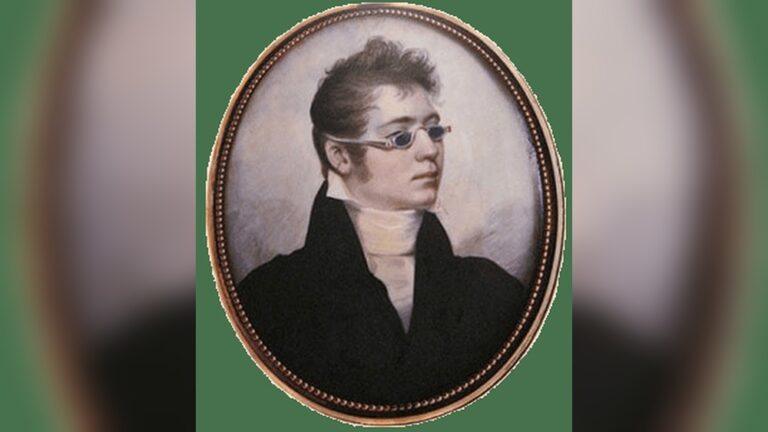
By the 1700s, glassmakers had learned how to color glass. Wealthy people sometimes wore glasses with green, blue, or amber lenses. These were not really for sun protection. In fact, most people believed colored lenses could help with eye diseases, not sunlight. Sometimes, doctors even prescribed them.
The 1800s: What Did People Really Wear?
Now let’s focus on the 1800s. Did people have sunglasses like we know today? The answer is both yes and no.
Types Of Eyewear In The 1800s
Most eyewear in the 1800s was for helping people see better. But there were also glasses for special reasons:
- Prescription glasses: Used to help with poor vision.
- Tinted glasses: Sometimes used for eye problems.
- Protective eyewear: Used by some workers or travelers.
Tinted Glasses For Eye Conditions
Doctors in the 1800s often treated eye diseases with colored lenses. Blue, green, or even yellow glass was believed to calm sore eyes. These glasses were sometimes called “medical spectacles. “
Sun Protection For The Few
Some people did use tinted glasses to block the sun. But this was rare. These glasses were not common among regular people. Instead, you might see travelers, soldiers, or explorers using them.
Early Goggles
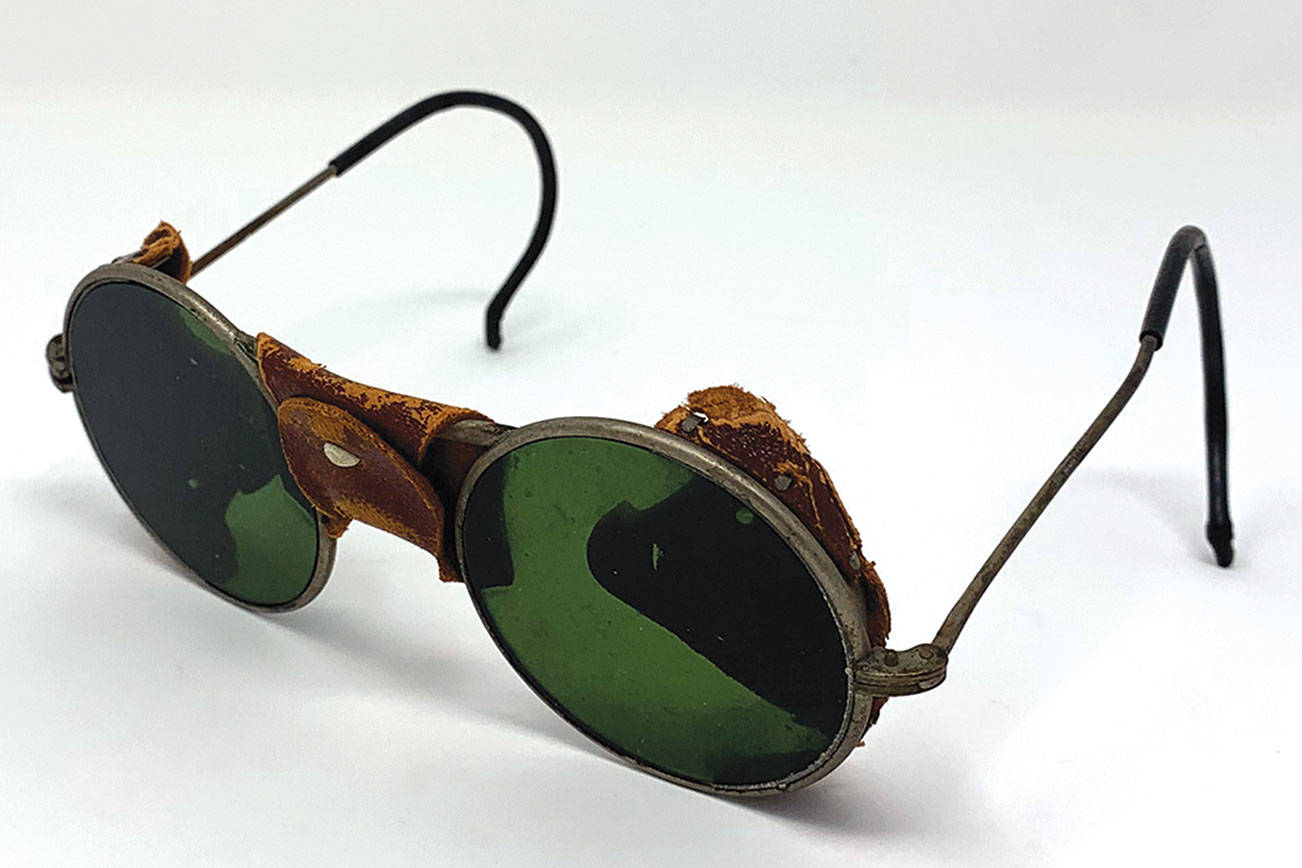
Workers in certain jobs, like glassblowers or furnace workers, sometimes wore special goggles. These had dark lenses to protect their eyes from bright light. But they were not for fashion or daily use.
What Did They Look Like?
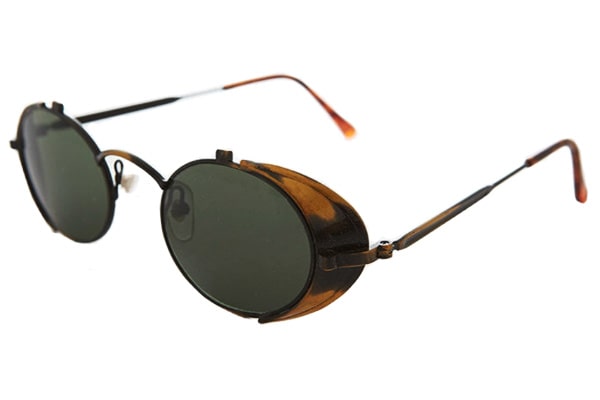
Glasses in the 1800s were not stylish. Most had round lenses. The frames were made from iron, steel, or sometimes gold. The temples (the side arms) were often straight or curved, but not very comfortable.
The colored lenses were not always very dark. Some were pale green or blue. They often did not block much sunlight. There were no UV protections, as we understand today.
Who Could Afford Them?
Most people in the 1800s did not wear glasses at all. They were expensive and handmade. Only the rich, or people with serious eye problems, wore them. There were no sunglasses shops. If you wanted tinted glasses, you had to go to a special maker or doctor.
Why Did People Wear Tinted Glasses?
You may wonder why people in the 1800s wore tinted glasses at all if not for style. The main reasons were very different from our reasons today.
For Health, Not Fashion
Many people in the 1800s believed sunlight could harm the eyes. Doctors sometimes said that colored lenses could protect or heal the eyes. For example, people with syphilis, tuberculosis, or eye infections were told to wear blue or green glasses.
Some people thought colored lenses made it easier to read by candlelight or gas lamps. Others believed they could ease headaches or help with “weak eyes.”
For Travel And Adventure
Travelers and explorers, especially in hot or snowy places, sometimes wore tinted glasses. For example, people crossing deserts or mountains used them to avoid glare. Soldiers and sailors might use special glasses on long journeys.
For Work
Certain workers needed eye protection. Furnace workers, glassblowers, and even early photographers used dark or colored goggles. These were not for sun, but for strong artificial light.
Styles And Materials: How They Made 1800s Glasses
Let’s take a closer look at the styles, materials, and craftsmanship of eyewear in the 1800s. This will help you picture how different they were from modern sunglasses.
Lens Colors
The most common lens colors were:
- Green: Believed to help with sensitive eyes.
- Blue: Used for some diseases and to soften bright light.
- Amber or Yellow: Sometimes used for reading.
- Gray or Smoke: Less common, but used to cut glare.
The colors were not deep or dark. They did not block UV rays. People sometimes chose color based on what their doctor advised.
Frames And Design
Most glasses had metal frames, made from steel, brass, or silver. Wealthier people might have gold frames. Some were made from tortoiseshell or horn. The shape was usually round or oval. There were no big or wraparound styles.
The temples often did not curve behind the ears. They might just press against the head. This made them easy to lose.
Craftsmanship
Glasses were made by hand. There were no factories making thousands of pairs. Each piece was unique. This made them expensive and rare.
How They Compared To Modern Sunglasses
Here is a simple comparison of 1800s glasses and today’s sunglasses:
| Feature | 1800s Eyewear | Modern Sunglasses |
|---|---|---|
| Main Purpose | Medical, vision help | Sun protection, style |
| Lens Color | Light green, blue, amber | Dark, UV-blocking, many colors |
| Frame Material | Metal, bone, horn | Plastic, metal, composite |
| Availability | Rare, expensive | Common, affordable |
Credit: steampunkavenue.com
Myths And Misunderstandings
It’s easy to imagine that people in the 1800s were walking around in top hats and sunglasses. But many ideas about sunglasses in this time are not true.
Myth 1: Sunglasses Were Common
This is false. Most people did not wear any glasses, let alone tinted ones. Only a small group—wealthy or with eye disease—had access to them.
Myth 2: Sunglasses Were Fashionable
There are no records of sunglasses being a fashion statement in the 1800s. In fact, some people thought tinted glasses looked strange or even suspicious.
Myth 3: Sunglasses Were For Sun Protection
Some people did wear tinted glasses outdoors, but the main reason was usually medical, not to protect from sunlight.
What About The Famous Blue Glasses?
If you search for 1800s sunglasses, you might see pictures of blue or green glasses. These were often for people with specific eye problems, not for blocking the sun.
The Science Behind Tinted Lenses
Why did doctors suggest colored lenses? The real science was not well understood in the 1800s, but people noticed some effects.
Tinted Lenses And Eye Diseases
Some diseases made eyes sensitive to light. For example, syphilis could cause this. Blue or green lenses made bright light less painful. But they did not cure the disease.
The Start Of Photophobia Treatment
Doctors used the word photophobia for when bright light hurt the eyes. Tinted glasses were an early way to treat this. It was not about sun safety but about comfort.
Limitations Of 1800s Glasses
People did not know about ultraviolet (UV) light. Their glasses blocked some visible light, but not the dangerous UV rays. Modern sunglasses are much better at protecting eyes.
Famous People And Stories
Some well-known people in the 1800s wore tinted glasses. Let’s look at a few cases.
Sir Arthur Conan Doyle
The creator of Sherlock Holmes wrote about characters who wore blue glasses for medical reasons. This shows that the idea was known in society.
Pioneers And Explorers
People crossing deserts or snowy mountains often wore goggles or tinted glasses. These were more like tools than fashion items.
Samuel Pepys
Although he lived before the 1800s, Samuel Pepys wrote in his diary about using green glasses to help his eyes. This shows the idea was already around.
How Sunglasses Evolved After The 1800s
After 1900, sunglasses began to look more like what we know today. Factories could make more pairs at lower cost. Scientists learned about UV light, and companies started to market sunglasses for sun safety.
The First Mass-produced Sunglasses
In the 1920s and 1930s, companies like Foster Grant began selling sunglasses to the public. Soon, sunglasses became a popular accessory for everyone.
The Spread Of Sunglasses In Culture
By the 1950s, sunglasses were everywhere. Celebrities wore them, and movies made them cool. This was very different from the 1800s.
Surprising Insights Most People Miss
Even if you know a bit about history, there are details that many people miss when thinking about sunglasses in the 1800s.
Tinted Glasses Were Often A Sign Of Illness
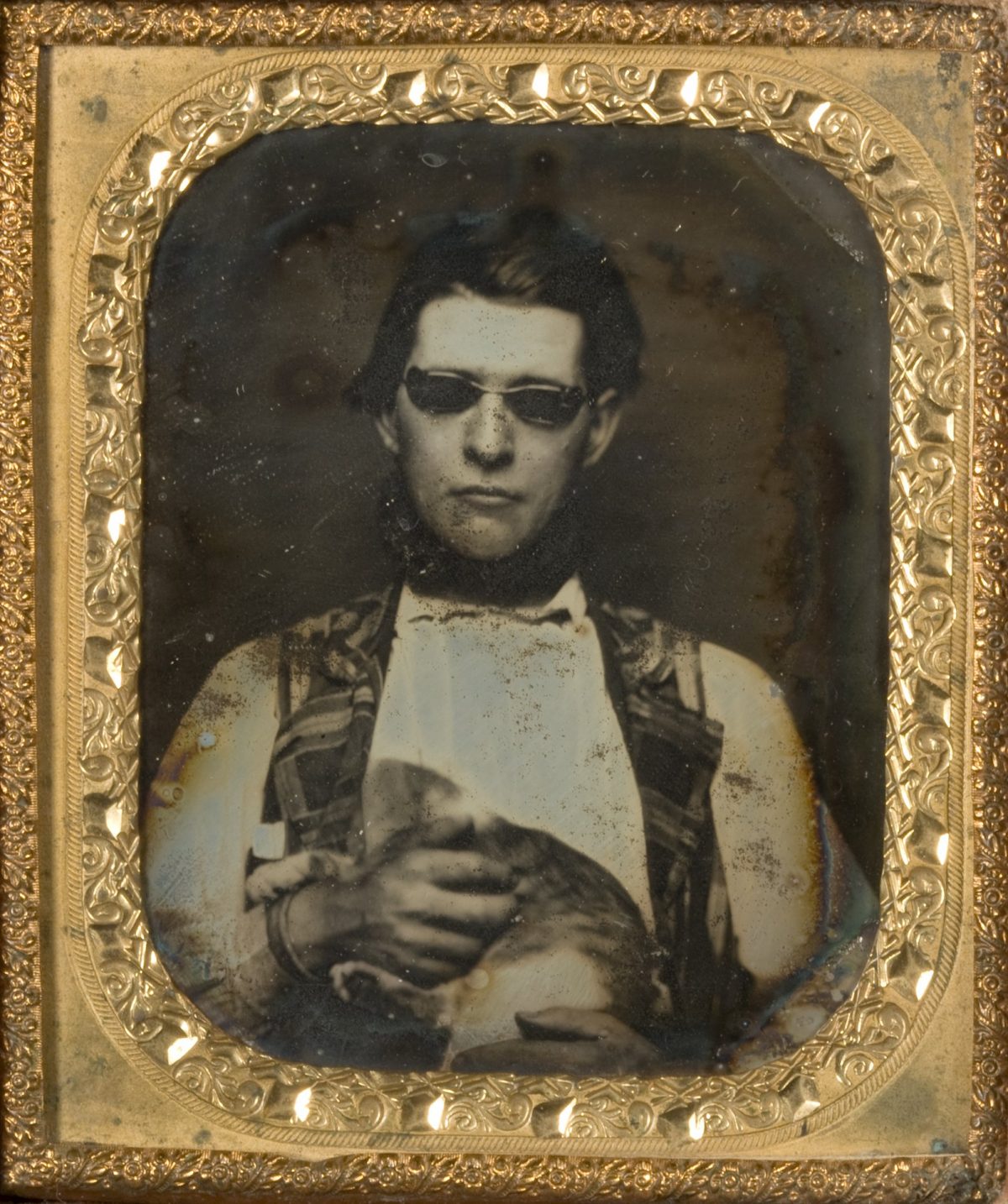
Seeing someone with colored glasses could signal that they were sick, not stylish. This is the opposite of today, where sunglasses are cool.
No Uv Protection
Even if someone wore dark lenses, their eyes were not really safe from the sun. The science of UV rays was not discovered yet.
Expensive And Custom-made
Every pair of tinted glasses was unique. There were no brands or stores selling them in large numbers.
Sunglasses And Social Status
Owning any kind of glasses showed wealth. Poor people had no access to them, which affected their health and comfort.
Modern Research And Museums
If you want to see real examples of 1800s eyewear, many museums show old glasses. You can also find studies and books on the history of eyewear.
For example, the British Optical Association Museum in London has many pairs from the 1800s. You can see how small, simple, and lightly tinted they were.
Credit: www.heraldnet.com
Comparing Sunglasses: 1800s Vs. Today
It’s helpful to look at the key differences between 1800s tinted glasses and today’s sunglasses.
| Aspect | 1800s Tinted Glasses | Modern Sunglasses |
|---|---|---|
| Who Wore Them? | Wealthy, sick, workers | Everyone |
| Purpose | Medical, work, rare sun use | Sun protection, style |
| Availability | Handmade, rare | Mass-produced, common |
| UV Protection | No | Yes |
| Design | Simple, round, plain | Many shapes, stylish |
Tips For Recognizing 1800s Glasses
If you ever see old glasses at a market or museum, here’s how to spot a pair from the 1800s:
- Round or oval lenses: Most had this shape.
- Metal frames: Often thin and plain.
- Lightly tinted glass: Colors like blue, green, or amber.
- Straight or simple temples: Not curved behind the ear.
- Handmade look: Each pair is unique.
Credit: flashbak.com
Collecting Antique Eyewear
Some people collect old glasses as a hobby. If you want to start, look for:
- Signs of age, like worn metal or glass.
- Makers’ marks or stamps.
- Original cases (often leather).
- Provenance, or proof of history.
Old tinted glasses can be valuable, especially if they are rare colors or have a famous owner.
Why Sunglasses Became Popular After The 1800s
The big changes came when science and industry caught up. When UV light was discovered, people understood the real dangers of sunlight. Factories made it possible to sell cheap, protective glasses to everyone.
Advertising also helped. By the 1930s, companies showed sunglasses as stylish and smart. This was a big shift from the medical focus of the 1800s.
Final Thoughts: Did They Have Sunglasses In The 1800s?
So, did people in the 1800s have sunglasses? The answer is complex. They had tinted glasses, but they were rare, costly, and mostly for health, not fashion. Most people could not afford them. They did not give real sun protection like sunglasses do today.
But the idea of protecting eyes from bright light is old. Every time you put on sunglasses, you are part of a long history of eye care. The 1800s were just one step on the path to the stylish, safe sunglasses we enjoy now. If you want to learn more, you can visit the Wikipedia page on sunglasses for deeper reading.
Frequently Asked Questions
Did People In The 1800s Wear Sunglasses For Style?
No, people in the 1800s did not wear sunglasses for style. Most tinted glasses were for medical reasons, like eye disease or light sensitivity. Wearing colored lenses was not seen as fashionable.
Were Sunglasses Available To Everyone In The 1800s?
Sunglasses or tinted glasses were expensive and handmade in the 1800s. Only wealthy people or those with certain jobs or health problems could get them. Most people did not have any kind of glasses.
What Colors Were Popular For 1800s Tinted Glasses?
The most popular colors were green, blue, and amber. These were believed to help with eye problems. They were not very dark, and the choice of color was often based on what doctors suggested.
Did Tinted Glasses In The 1800s Protect Against Uv Rays?
No, 1800s tinted glasses did not protect against UV rays. The science of UV light was not known yet. The lenses only blocked some visible light, not the harmful rays we worry about today.
How Can I See Real 1800s Glasses?
You can see real 1800s glasses in museums, like the British Optical Association Museum in London. Antique shops and collectors sometimes have them, too. Look for round lenses, metal frames, and light tints.
If you are curious about history, keep exploring. The story of sunglasses is full of surprises, and there is always more to learn!

Madison Clark is a footwear expert and the voice behind MyStyleGrid.com. She specializes in honest shoe reviews, style tips, and practical guides to help readers find the perfect pair for any occasion. With years of experience in blogging and content creation, Madison makes footwear knowledge simple, stylish, and easy to follow.