Pick wraparound, UV400 sunglasses with polarized, mirrored lenses rated Category 3–4 for alpine sun and glare.
I’ve guided hundreds of hikers and tested eyewear on long alpine routes, so I know what truly matters when learning how to choose sunglasses for high altitude hiking. This guide breaks down safety, lens science, fit, and real-world tips so you pick sunglasses that protect your eyes, cut glare, and stay comfortable on steep, snowy terrain. Read on to make a confident, well-informed choice for your next summit.

Why sunglasses matter at high altitude
High altitudes expose you to more UV and intense glare. Air is thinner, and more UV reaches your eyes. Snow and ice act like mirrors and amplify light. Poor eyewear can lead to pain, temporary vision loss, or long-term eye damage.
Good sunglasses reduce UV exposure, block reflected light, and prevent eye strain. They also cut wind and debris. Knowing how to choose sunglasses for high altitude hiking is about safety and comfort. Focus on protection, coverage, and fit.
Key features to look for
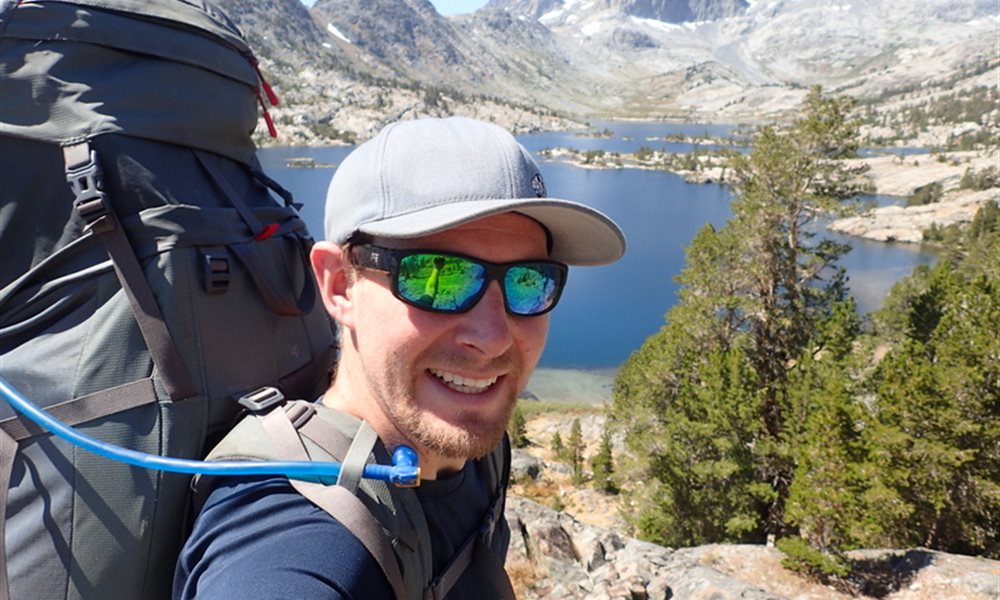
Choosing the right specs makes all the difference. Here are the core features you must check.
- UV protection: Look for 100% UV protection, labeled UV400, which blocks UVA and UVB.
- Lens category: For bright alpine conditions, use Category 3 or 4 lenses. Category 4 is very dark and best for glaciers and snowfields.
- Polarization: Polarized lenses cut horizontal glare from snow and water. They help you see contrast and reduce eye fatigue.
- Lens material: Polycarbonate is light and impact-resistant. Glass offers better clarity but weighs more.
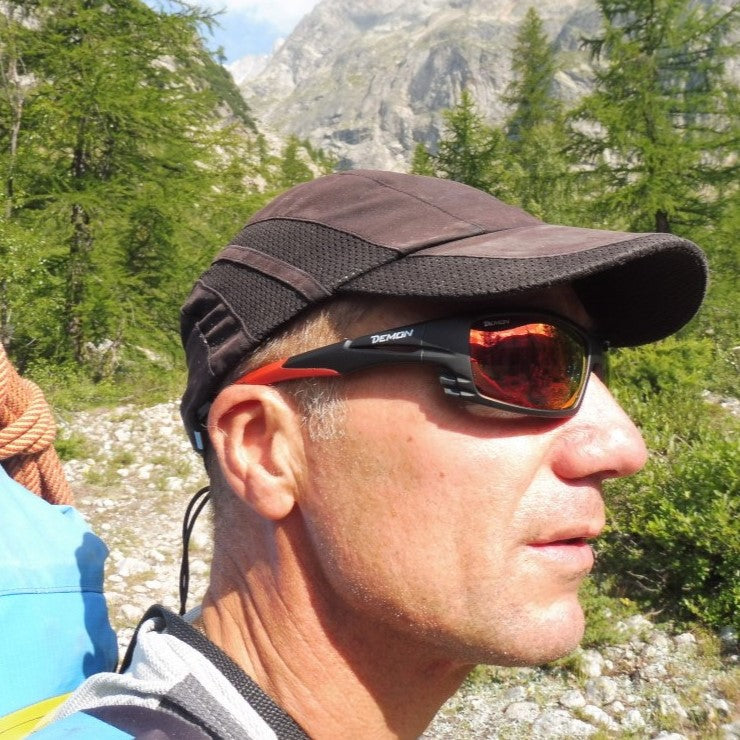
- Wrap and coverage: Wraparound frames and side shields keep light out and protect from wind and particles.
- Venting and anti-fog: Good venting or anti-fog coatings prevent lens fog in changing temps.
- Fit and retention: Adjustable nose pads, temple grips, and a strap keep sunglasses secure during steep moves.
PAA-style quick questions:
What lens category is best for alpine hikes? Category 3 for most bright days; Category 4 for extreme glare on glaciers.
Do I need polarized lenses for snow? Polarized lenses help with glare but may reduce visibility of icy patches; combine with good lens tint.
Does UV400 really matter? Yes—UV400 ensures nearly all harmful UV rays are blocked.

Lens types and tints explained
Match lens type and tint to the environment. This helps you see terrain and stay safe.
- Gray lenses: Preserve natural color and reduce brightness evenly. Good general choice.
- Brown/amber lenses: Boost contrast and depth perception in variable light.
- Yellow/rose lenses: Enhance contrast in low light or flat light. Not for bright sun.
- Mirrored coatings: Reflect extra light. They lower glare and are useful on bright snowfields.
- Photochromic lenses: Darken in strong UV and clear up in shade. Performance may slow in cold temperatures.
- Polarized vs non-polarized: Polarized reduces glare. Non-polarized often shows terrain textures better, which some climbers prefer.
When learning how to choose sunglasses for high altitude hiking, think of tint as a tool. Choose darker tints and mirrors for sunny snow and a contrast-enhancing tint for mixed or cloudy days.
Frame fit, coverage, and comfort
Fit matters as much as lens tech. Poor fit lets light in and causes distraction.
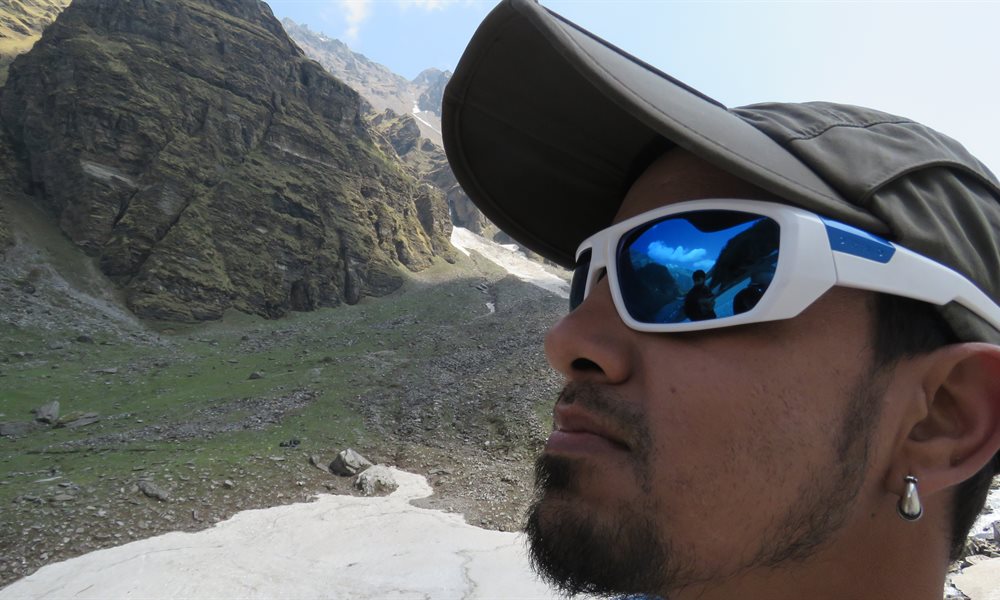
- Wraparound frames: Block light from the sides and increase protection.
- Fit to your face: Try frames with adjustable nose pads and flexible temples to prevent slipping.
- Helmet compatibility: Ensure frames fit under your helmet and do not interfere with straps.
- Weight and balance: Lightweight frames reduce pressure on your nose during long days.
- Retention systems: A strap or retainer keeps glasses on during gusts or falls.
How to choose sunglasses for high altitude hiking includes testing fit with backpacks, helmets, and in real movement. Try them on for at least 10 minutes before buying.
Additional features and accessories
Small features make a big difference on long climbs and multi-day trips.
- Interchangeable lenses: Swap tints to match varying light.
- Anti-scratch coatings: Useful on rugged trails.
- Hydrophobic coatings: Help water bead off lenses during wet weather.
- Carry cases and hard shells: Protect lenses in your pack.
- Backup pair: Carry a spare pair or backup lenses for long trips.
Consider weight and repairability. At altitude, simple fixes matter. Choose sunglasses that are serviceable and easy to clean.

Buying tips and mistakes to avoid
Follow these practical tips to avoid costly errors.
- Try before you buy: Test for fit, fogging, and peripheral vision while moving.
- Avoid relying on price alone: Expensive doesn’t always mean better for alpine use.
- Don’t skip UV labels: Always verify UV400 or 100% UV protection.
- Beware very dark lenses without side protection: They can let reflected light in.
- Test polarization with your phone screen: If a screen darkens at certain angles, the lenses are polarized.
How to choose sunglasses for high altitude hiking also means planning for conditions. Buy for the worst plausible condition on your route, not the one you hope for.

Personal experience and real-world lessons
I once climbed a glacier route with light, low-coverage sunglasses to save weight. By midday my eyes were sore and vision was mottled from reflected glare. I switched to a wraparound pair with Category 4 mirrored lenses the next day and felt immediate relief. That trip taught me to favor coverage and protection over minor weight savings.
Lessons I learned:
- Always bring a strap and backup lenses.
- Test sunglasses in cold to ensure photochromic performance.
- Prioritize fit for long glacier walks.
These small choices kept me moving and reduced glare-related mistakes on steep snow.

Frequently Asked Questions of how to choose sunglasses for high altitude hiking
What is the minimum UV protection I should look for?
Look for UV400 or 100% UVA and UVB protection. Anything less leaves your eyes at risk during long alpine exposure.
Are polarized lenses always the best for high altitude?
Polarized lenses reduce glare and help with comfort, but they can sometimes mask icy patches. Use them with contrast-enhancing tints when possible.
Can I use regular sunglasses for glacier travel?
Regular sunglasses without side coverage or Category 3–4 lenses are not ideal for glacier travel. They may let harmful reflected UV reach your eyes.
Do photochromic lenses work in cold, high-altitude conditions?
Photochromic lenses work, but they can react slower in cold temperatures. Test them before relying on them for rapid light changes.
How important is frame coverage on alpine hikes?
Very important. Wraparound frames and side shields prevent light and wind from entering and reduce the chance of snow blindness.
Conclusion
Choosing the right pair is about protection, fit, and lens choice. Prioritize UV400 protection, wide coverage, and a lens category fit for intense alpine glare. Test sunglasses in real conditions, carry a backup, and focus on comfort and retention for long days. Take action: try recommended models on a short hike, compare fit with your helmet, and upgrade your eyewear before your next high-altitude trip. Share your experiences or ask a question below to get personalized advice.

Rubel Miah is the Senior Editor at MyStyleGrid.com, where he brings a sharp editorial eye and an unshakable love for fashion to everything he does. A true style addict, Rubel lives and breathes trends, from streetwear to high fashion, and has a knack for turning inspiration into impactful stories. With years of experience in fashion journalism and digital media, he curates content that empowers readers to express themselves through style. When he’s not editing features or forecasting the next big thing, you’ll find him hunting down vintage pieces or capturing street style moments around the city.