Choose clear, anti-reflective, low-tint lenses with a snug fit for safe night driving.
I’ve spent years testing eyewear and advising drivers on vision safety. This guide explains how to choose sunglasses for driving at night with clear, practical steps, real-world tips, and simple tests you can do in the store or at home. Read on to learn which lens types, coatings, and fits actually improve night vision and which common claims to ignore.

Why night-driving sunglasses matter
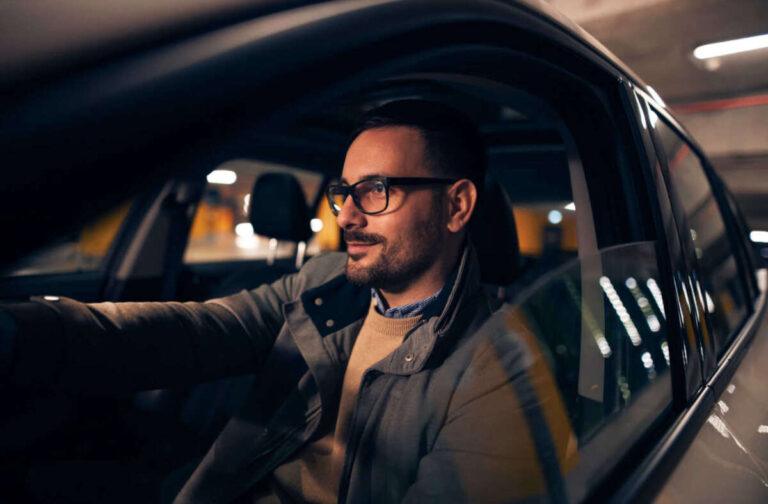
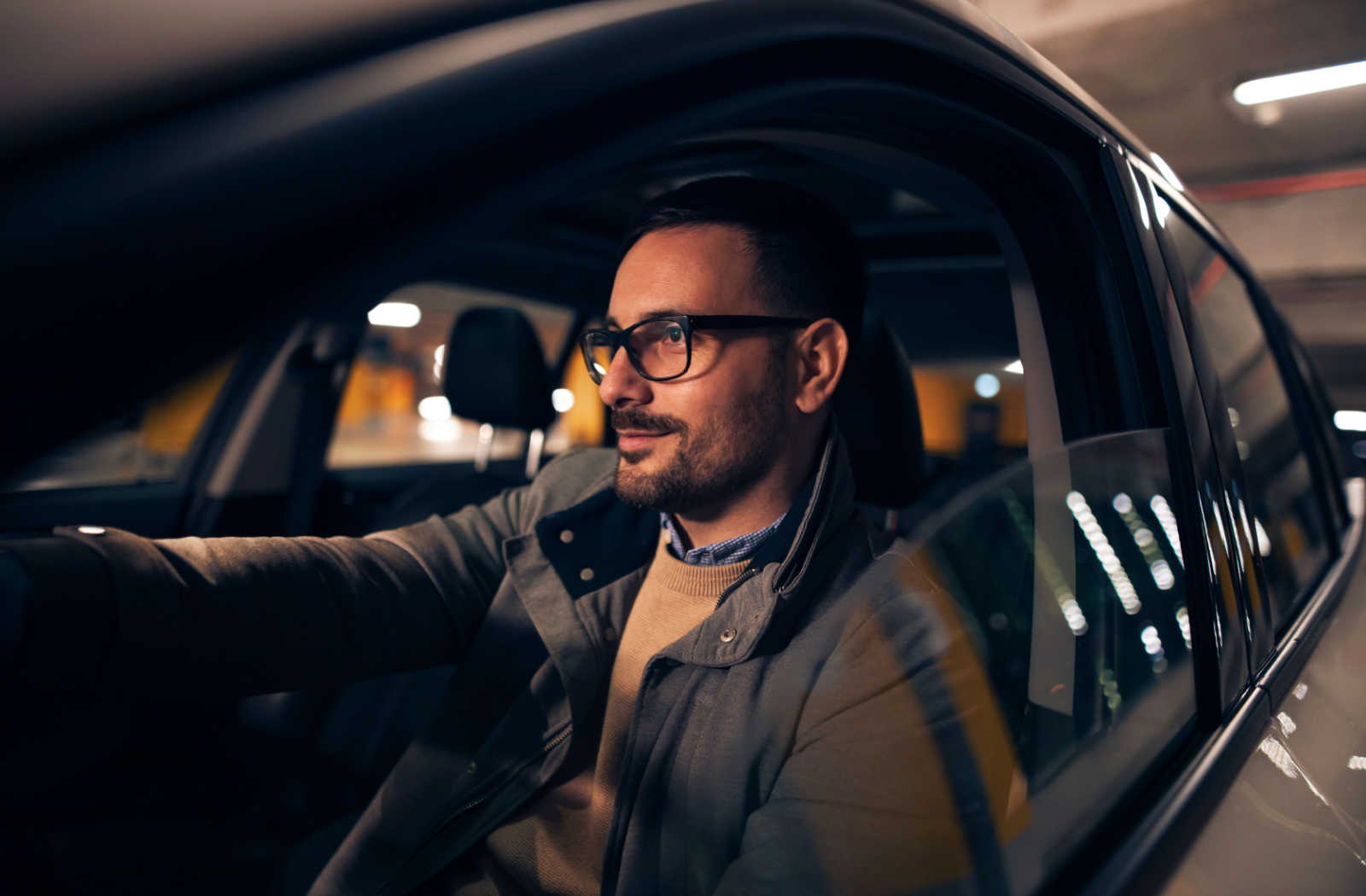
Driving at night brings unique vision challenges. Headlights, street lamps, and wet roads create glare that strains your eyes and reduces reaction time. Knowing how to choose sunglasses for driving at night helps you reduce glare and stay safer without cutting overall visibility.
Glare, halos, and reduced contrast are the main culprits. The right lenses lower glare and keep contrast intact so you can spot hazards sooner. Learn what features matter and why some “night driving” glasses can actually harm vision.

Key features to look for when learning how to choose sunglasses for driving at night
Focus on optics, coatings, and fit. Good night-driving eyewear balances glare reduction with high light transmission. When learning how to choose sunglasses for driving at night, prioritize these features:
- Clear or very light-tinted lenses that transmit most visible light.
- Anti-reflective coating on the back and front of lenses to cut internal reflections.
- High-contrast lens coatings or gentle yellow tint only if they don’t reduce overall brightness.
- Proper fit that blocks side glare and keeps lenses centered with your line of sight.
- Quality optics with minimal distortion—look for polycarbonate or high-index with good machining.
These features help prevent the common trade-off of reduced brightness for less glare. When you choose sunglasses for driving at night, think clear vision first.
PAA-style quick questions
Will dark sunglasses help at night?
Dark sunglasses reduce brightness, which can make it harder to see at night. Avoid heavy tints while driving after dusk.
Are polarized lenses good for night driving?
Polarized lenses cut reflected glare but can dim dashboard lights and some digital displays. Test them before you rely on them at night.
Lens color and tint: best choices for night driving
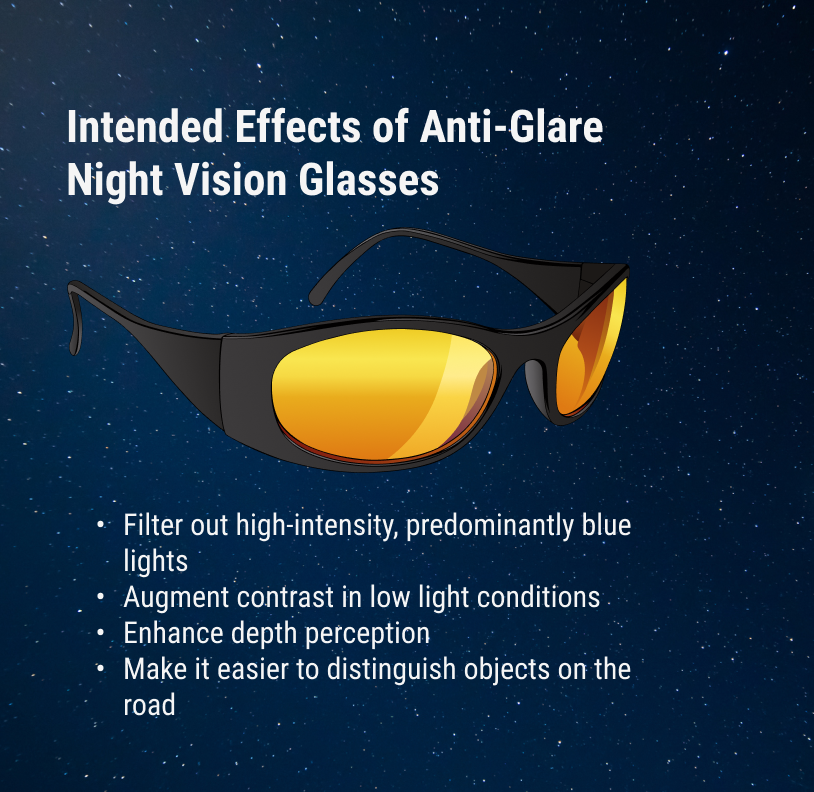
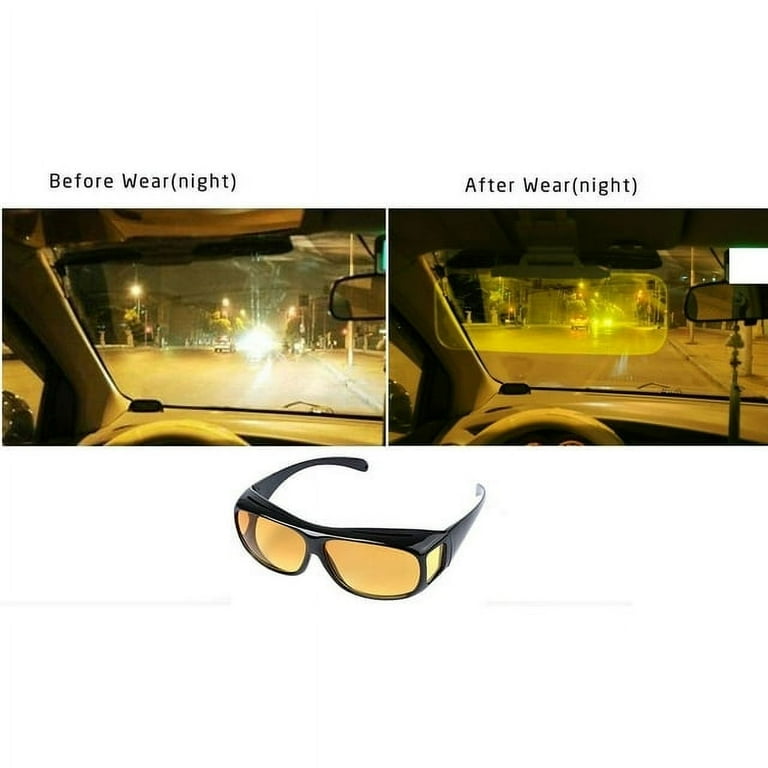
Lens color matters a lot. For how to choose sunglasses for driving at night, clear lenses with an anti-reflective coating are usually the best option. Light yellow tints can boost contrast in fog or low light, but they also lower total light entering the eye.
Use these simple rules:
- Choose clear lenses for most night driving situations.
- Consider very light yellow only for specific conditions like haze or fog.
- Avoid brown, green, or dark gray tints; they reduce needed light and can slow reaction time.
I once tested three yellow-tinted glasses on a wet road. One improved contrast slightly but all three cut too much light for safe freeway speeds. Trust light-transmission first.
Polarized versus non-polarized: deciding for night use
Polarized lenses are great for daytime glare from horizontal surfaces. For how to choose sunglasses for driving at night, polarization is a double-edged sword. Polarized lenses reduce glare from wet roads but can make some instrument panels and LCD screens harder to read.
If you try polarized lenses at night:
- Test them in your car with the dashboard and the infotainment screen on.
- Drive in a controlled setting to check how oncoming headlights look through the lenses.
- If you notice rainbow patterns or dimmed displays, skip polarization for night-only use.
Many drivers prefer non-polarized lenses with anti-reflective coatings for balanced performance.
Fit, frame choice, and prescription options
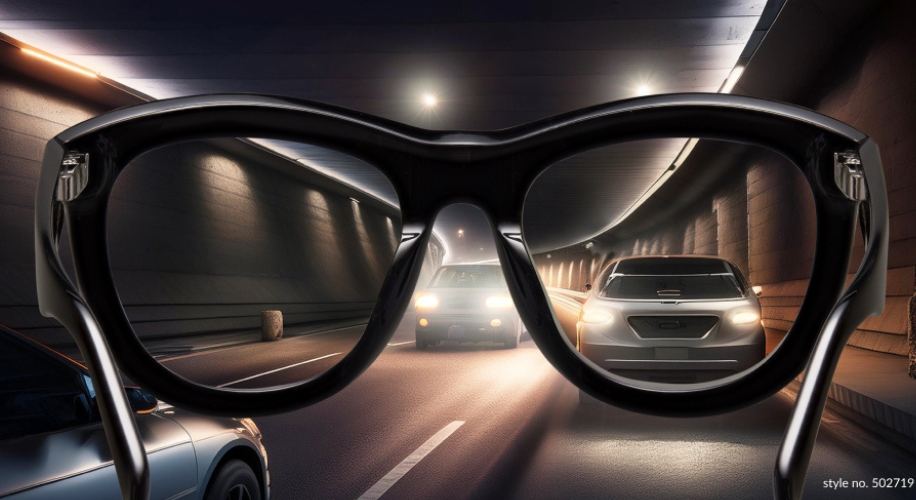
Fit is safety. Poor fit lets light in from the sides and changes how glare hits your eye. When you learn how to choose sunglasses for driving at night, don’t ignore frame shape and prescription needs.
Key fit tips:
- Pick frames that sit close to your face without touching your cheeks.
- Ensure lenses cover the whole field of forward vision.
- If you wear prescription glasses, get anti-reflective coating on your prescription lenses rather than a clip-on.
From my experience fitting many drivers, a snug wrap or medium wrap frame plus AR coating on prescription lenses gave the best real-world results. I swapped a client from dark-tint clip-ons to clear AR prescriptions and they reported less eye strain.

Common mistakes and myths about night driving sunglasses
There is a lot of misleading advice out there. Here are common mistakes to avoid when you decide how to choose sunglasses for driving at night:
- Myth: Dark lenses always reduce glare. Truth: Dark lenses cut light and can worsen vision at night.
- Mistake: Buying solely for style. Poor optics and fit harm safety.
- Myth: Polarized is always better. Truth: Polarized can interfere with instrument readability.
Be critical of marketing claims. If something promises miracle glare removal while making driving darker, it’s often unsafe.
How to test and buy: a step-by-step checklist
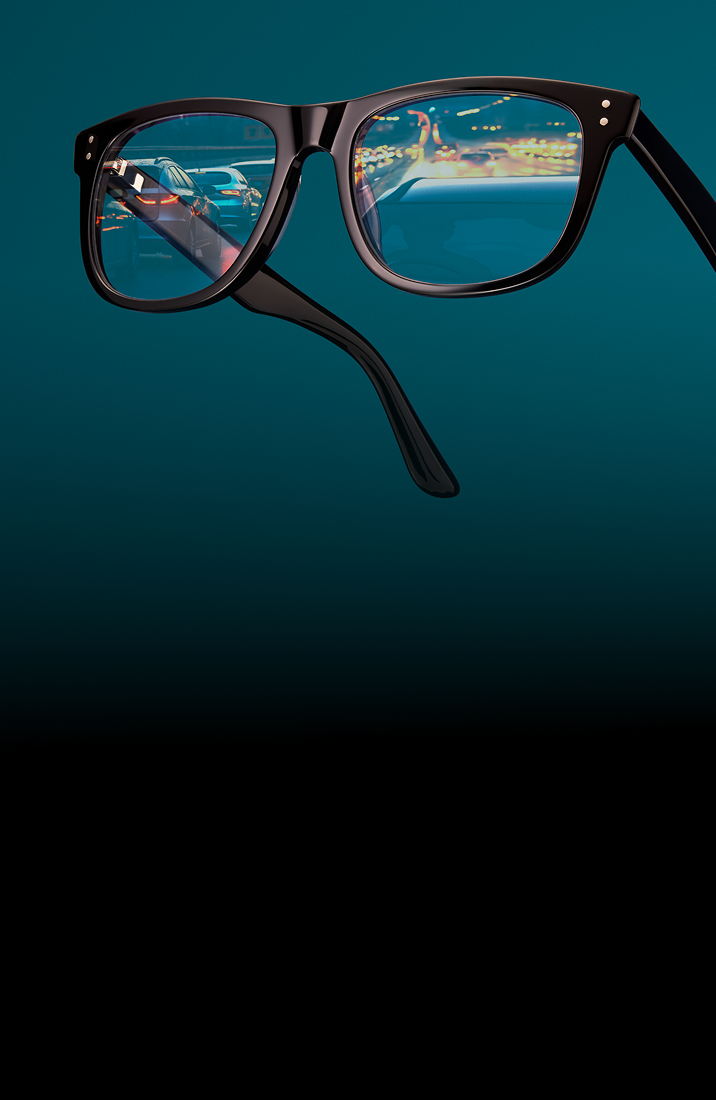
Follow a short checklist when you shop so you don’t make a bad buy. This helps you confidently know how to choose sunglasses for driving at night.
- Inspect lens clarity in daylight. Look for distortion or waves.
- Check anti-reflective coatings under bright light. Hold lenses at different angles.
- Try them in your car at night. Turn on dash and infotainment screens and watch for dimming.
- Walk outside at night and look at oncoming headlights. Note halos and flare.
- Confirm fit. Sit in the driver’s seat and check peripheral light entry.
If you can, drive a short route around a quiet area while testing. Practical trial beats labels every time. When you choose sunglasses for driving at night, real-world testing is essential.
Maintenance and safety tips after you choose sunglasses for driving at night
Keep lenses clean and coatings intact. Poorly maintained lenses increase glare and blur your view. After you decide how to choose sunglasses for driving at night, follow these care steps:
- Clean lenses with a microfiber cloth and lens cleaner made for coated lenses.
- Store glasses in a sturdy case to protect AR coatings and lens edges.
- Replace scratched or pitted lenses; scratches create halos and scatter light.
- Have an eye exam annually to update prescription and check night vision.
Good care prolongs performance and keeps you safer on the road.

Frequently Asked Questions of how to choose sunglasses for driving at night
What lens tint is best for night driving?
Clear lenses with anti-reflective coating are best for night driving. Very light yellow tints can help in fog but may reduce overall brightness.
Can polarized sunglasses be used for night driving?
Polarized lenses can reduce road glare but may dim displays and cause odd effects with headlights. Test them in your car before regular night use.
Do anti-reflective coatings help at night?
Yes. Anti-reflective coatings reduce internal reflections and halos, improving contrast and comfort while driving at night.
Should I wear sunglasses if I have night glare issues?
If you have severe glare, see an eye doctor first to rule out cataracts or other conditions. For mild issues, clear AR-coated lenses or specially treated optics can help.
How do I test sunglasses for night driving in the store?
Try them in a parked car at night. Check dashboard visibility, outward clarity, and how oncoming headlights look through the lenses. Only buy after a real-world test.
Conclusion
Choosing the right eyewear comes down to clear vision, anti-reflective coatings, proper fit, and real-world testing. Use the checks in this guide to learn how to choose sunglasses for driving at night that reduce glare without making the road darker. Try lenses in your car, prioritize AR coatings, and keep your prescriptions current. Take action tonight: test a pair in your car or book an eye exam to find safer night-driving lenses. Leave a comment with your experience or questions, and consider subscribing for more vision and driving tips.

Rubel Miah is the Senior Editor at MyStyleGrid.com, where he brings a sharp editorial eye and an unshakable love for fashion to everything he does. A true style addict, Rubel lives and breathes trends, from streetwear to high fashion, and has a knack for turning inspiration into impactful stories. With years of experience in fashion journalism and digital media, he curates content that empowers readers to express themselves through style. When he’s not editing features or forecasting the next big thing, you’ll find him hunting down vintage pieces or capturing street style moments around the city.