Check tread depth, rubber compound, labeling, and do simple floor tests to confirm non-slip shoes.
With over a decade testing footwear in kitchens and construction sites, I’ll show you exactly how to tell if shoe is non slip. This guide walks through visual checks, simple at-home tests, industry markers, and real-world tips I learned from hands-on testing. Read on to make safer choices and avoid slippery surprises.

Why slip resistance matters
Slips cause injuries and lost work time. A true non-slip shoe lowers risk on wet or oily floors.
Knowing how to tell if shoe is non slip helps you choose gear for work, home, or outdoor tasks.
I’ll focus on clear, practical checks you can do before buying or while wearing shoes.
Visual signs that suggest a shoe is non-slip
You can spot many clues without special tools. Look for these features when you inspect shoes.
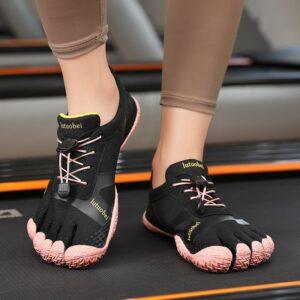
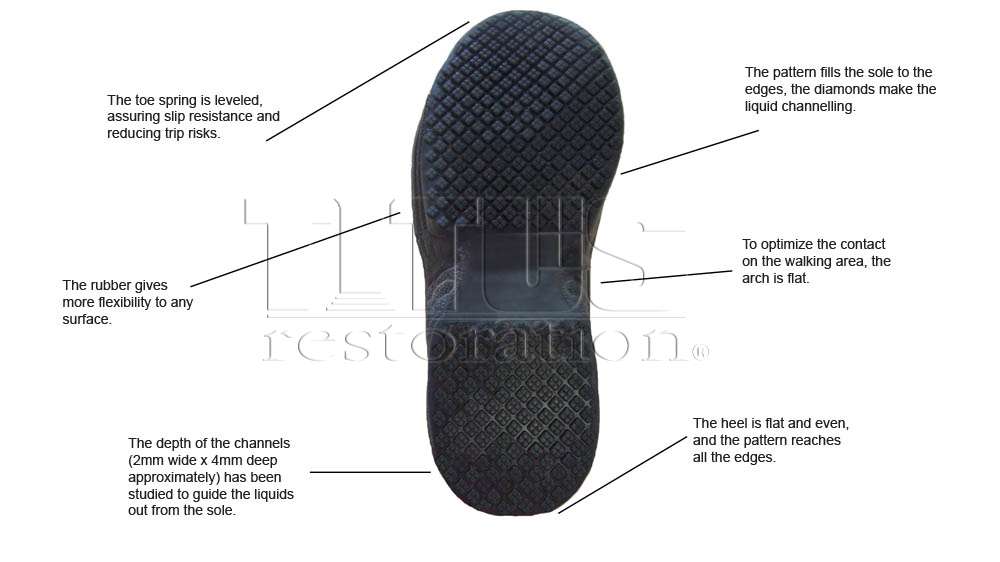
- Deep, patterned tread that channels water away and increases contact.
- Soft, high-friction rubber on the outsole rather than hard plastic.
- Siping: tiny cut lines on the tread that improve grip on wet surfaces.
- Wide, flat contact areas on the sole for stable footing.
- Manufacturer labeling that explicitly says non-slip or slip-resistant.
- Reinforced heel and toe edges to reduce slip at push-off and landing.
How to tell if shoe is non slip often starts with a close look. Visual checks don’t guarantee lab-rated performance, but they narrow your options fast.

Simple at-home tests to check slip resistance
You can test shoes quickly before committing. These tests mimic common slippery conditions.
- Tile water test
- Step on a clean ceramic tile with a small puddle of water. Walk slowly forward and back. If you feel a controlled grip, the shoe likely offers water traction.
- Oil or grease test (use caution)
- Place a small amount of cooking oil on a sealed lino or metal plate. Walk carefully. If you slide easily, the shoe isn’t oil-slip resistant.
- Stair test
- Walk up and down a few steps while wearing the shoes. If your foot slips on push-off, traction may be poor.
- Paper test for tread depth
- Insert a business card into a groove of the tread. If the tread fully covers the card, depth is likely sufficient.
When you ask how to tell if shoe is non slip, these quick checks catch obvious failures. They are not substitutes for lab data but are useful for on-the-spot decisions.

Industry standards and objective measures
Objective tests measure slip resistance. The key term is coefficient of friction (COF).
- COF explained
- COF measures grip between shoe and surface. Higher COF equals more traction. Look for published COF values when available.
- Common test setups
- Tests use wet, oily, and dry surfaces to simulate real conditions. Results are numeric and repeatable.
- What to expect
- A shoe labeled non-slip may still vary by surface. Good lab results increase confidence, but real floors and contaminants change outcomes.
Understanding how to tell if shoe is non slip includes looking for COF numbers or explicit test claims from manufacturers or independent labs.
Materials and tread design that improve grip
Materials and design play the biggest role in slip resistance.
- Rubber compounds
- Softer, sticky rubber often grips wet floors better. Harder compounds resist wear but grip less.
- Tread geometry
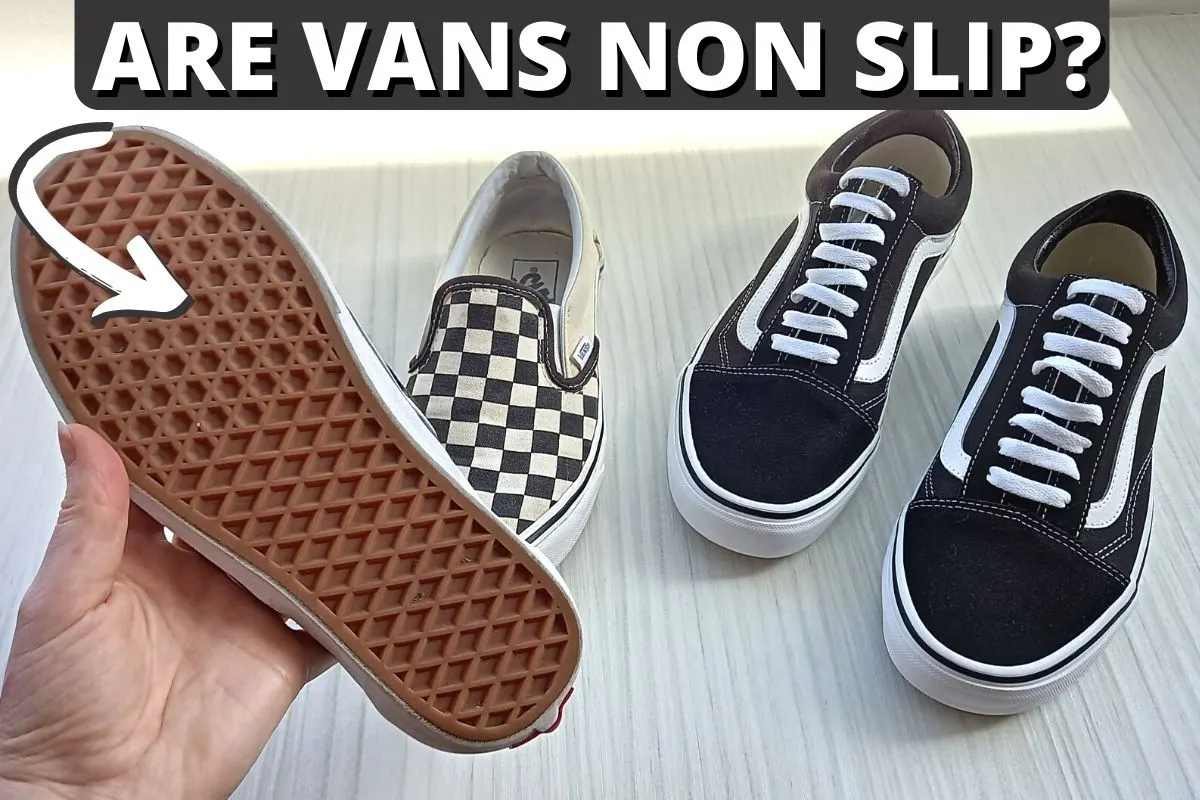
- Multi-directional patterns channel liquids. Deep grooves reduce hydroplaning on wet floors.
- Siping and microtexturing
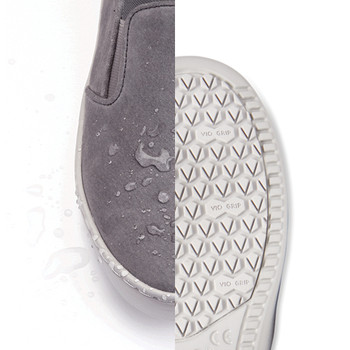
- Small slits and fine textures break surface tension and increase bite on wet surfaces.
- Midsole and heel design
- Stable heels and supportive midsoles help keep the foot flat and maximize outsole contact.
When you search how to tell if shoe is non slip, focus on materials and tread more than color or style. These determine real-world performance.

Caring for slip-resistant shoes and understanding limits
Even the best shoes lose grip over time. Proper care extends performance.
- Cleaning
- Remove oil, grease, and buildup from treads regularly. A dirty sole loses traction fast.
- Inspect wear
- Replace shoes when tread patterns flatten or siping disappears. Worn soles slip more.
- Know environment limits
- Non-slip shoes vary by surface. A shoe great for wet tile may not grip ice or loose gravel.
- Rotate shoes
- Alternate pairs if you work long shifts. This reduces wear and keeps traction reliable.
Knowing how to tell if shoe is non slip means also knowing when to replace them and when they won’t help. No shoe eliminates all slip risk.
My hands-on experience and practical tips
I’ve tested dozens of shoes in kitchens and labs. Here are honest lessons.
- The label “non-slip” is a starting point, not proof. I once trusted a “non-slip” shoe that failed an oil test.
- Soft rubber feels sticky at first but can wear fast. I now balance grip with expected lifespan.
- Clean soles often. In one restaurant, a team avoided slips after we started weekly sole cleaning.
- Test new shoes at home on tile and stairs before relying on them at work.
If you want a practical method for how to tell if shoe is non slip, combine visual checks, simple tests, and vendor data before buying.
Frequently Asked Questions of how to tell if shoe is non slip
How can I check slip resistance at home?
Use simple tests: water on tile, small oil patch on sealed flooring, and stair walking. These mimic common slippery conditions and reveal obvious problems.
Does the label “non-slip” guarantee safety?
No. Labels help but don’t guarantee performance on all surfaces. Look for test data or run your own quick tests to confirm.
How often should I replace slip-resistant shoes?
Replace when tread depth is significantly reduced or siping is gone. For heavy use, expect replacement every 6–18 months depending on wear.
Can worn-out shoes be made non-slip again?
Cleaning can restore some grip, but deep wear or smooth soles usually mean replacement. Resoling is sometimes an option for quality shoes.
Are all rubber soles the same for traction?
No. Rubber compounds differ. Softer rubber grips wet floors better but wears faster. Harder rubber lasts but may slip more on wet surfaces.
Is there a numeric value I should look for to judge slip resistance?
Look for COF or slip-test numbers if provided. Higher numbers mean better grip. Compare numbers across similar surfaces for context.
Conclusion
You can learn how to tell if shoe is non slip by combining visual checks, simple at-home tests, and reviewing objective data. Start with tread depth, rubber feel, and labeling. Then run the tile and stair tests. Keep shoes clean and replace them when they wear out.
Take action now: test your current shoes, inspect new pairs before you buy, and leave a comment with your experiences or questions. Your next step toward safer footing is one quick check away.

Rubel Miah is the Senior Editor at MyStyleGrid.com, where he brings a sharp editorial eye and an unshakable love for fashion to everything he does. A true style addict, Rubel lives and breathes trends, from streetwear to high fashion, and has a knack for turning inspiration into impactful stories. With years of experience in fashion journalism and digital media, he curates content that empowers readers to express themselves through style. When he’s not editing features or forecasting the next big thing, you’ll find him hunting down vintage pieces or capturing street style moments around the city.