An approach shoe is a hybrid climbing and hiking shoe built for trail approaches and technical terrain.
I’ve tested dozens of outdoor shoes and spent years guiding trips, so I know what makes an approach shoe work. This guide explains what an approach shoe is, how it differs from hiking boots and climbing shoes, and when you should use one. I’ll share hands-on tips, buying advice, and real mistakes I’ve made so you can pick the right pair and get the most from them. Read on to learn everything you need to know about approach shoe fit, features, and care.
What is an approach shoe? (definition and purpose)
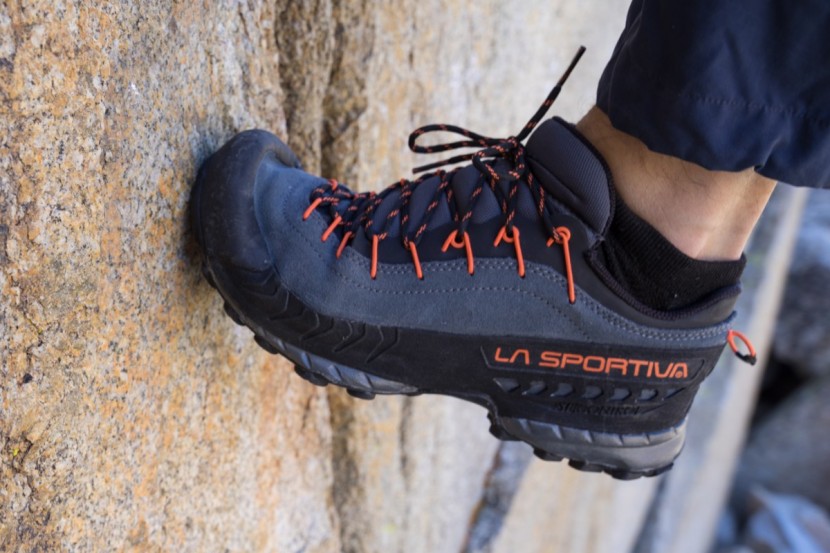
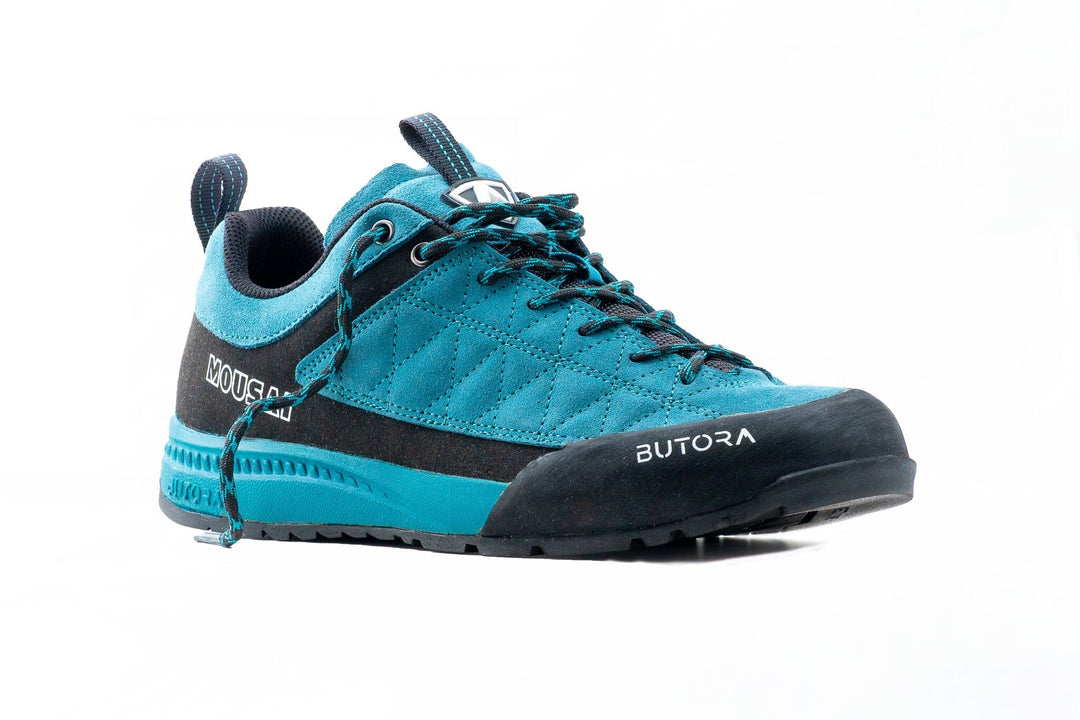
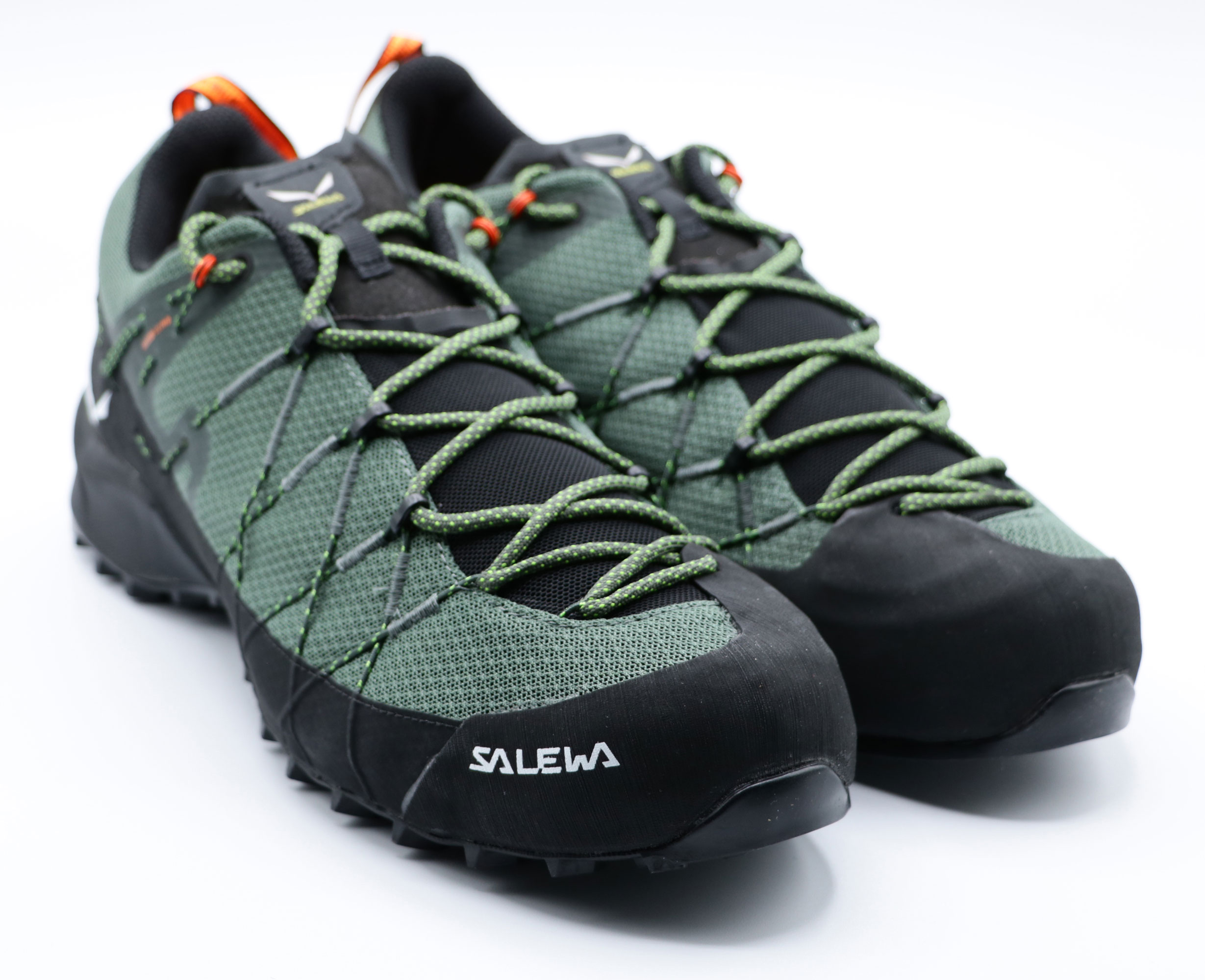
An approach shoe blends hiking comfort with rock-climbing performance. It sits between a hiking shoe and a climbing shoe. Designers add sticky rubber soles, a low-profile toe, and stable midsoles so you can hike, scramble, and step onto rock easily.
Approach shoe benefits include traction on slabs, protection on rough trails, and precise foot placement on short climbs. They are not full climbing shoes, but they let you move from the trailhead to the crag without switching footwear.

Key features of an approach shoe
Understanding features helps you choose the right approach shoe for your activities.
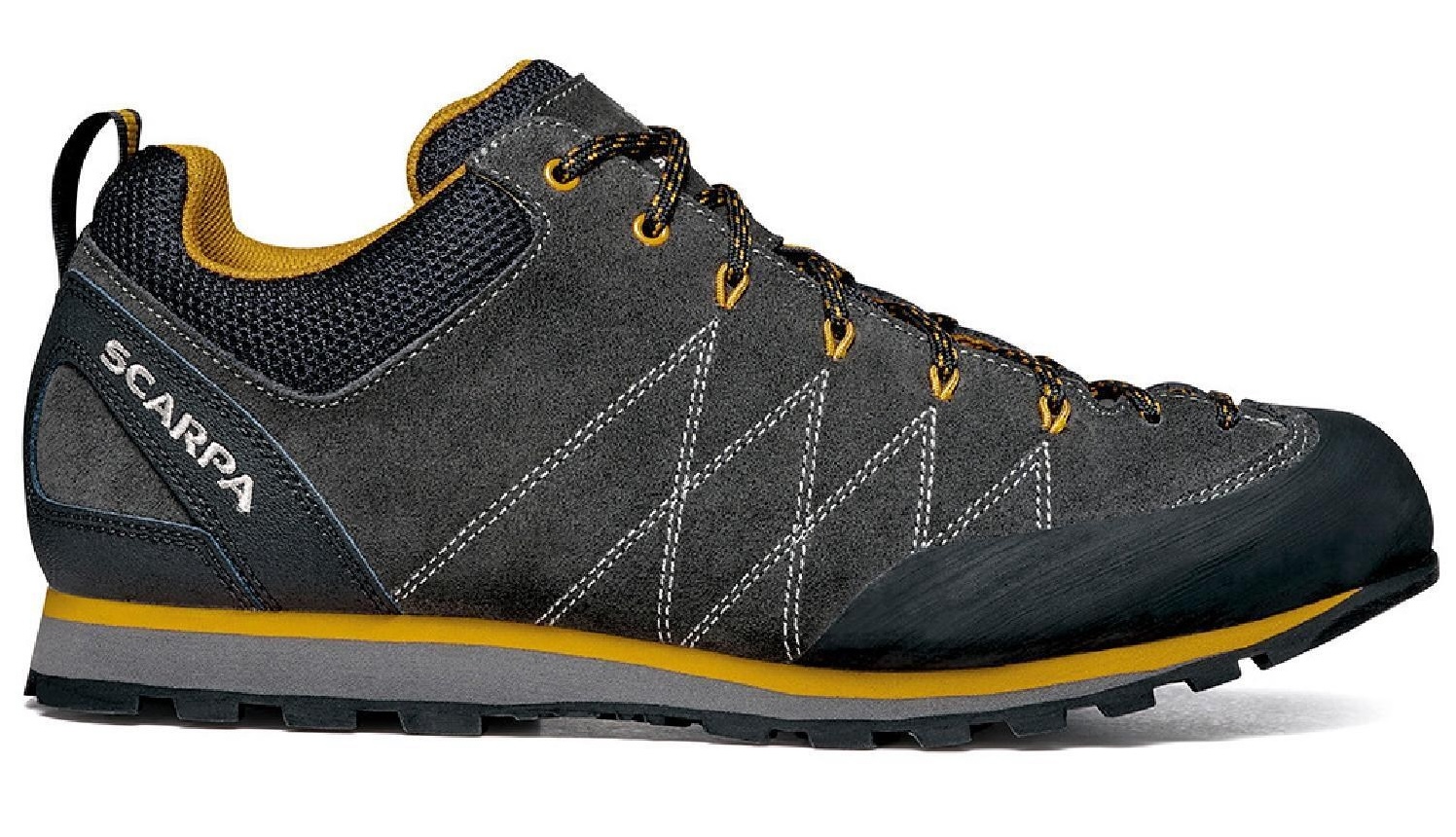
- Sticky rubber sole: Provides grip on rock and wet surfaces, making the shoe useful on slabs and boulders.
- Stiff midsole: Adds support for hiking with load and for edging on rock.
- Lower profile toe box: Improves precision on small footholds and rock steps.
- Heel design: Often includes a cup or sticky rubber for heel hooks on low-angle climbs.
- Lace and closure system: Long laces let you tighten the forefoot for precise fit. Some models have strap systems.
- Toe rand and protection: Rubber or reinforced caps protect toes on scree and rough terrain.
- Weight and breathability: Varies by model; lighter shoes favor fast approaches, heavier ones add durability.
How an approach shoe differs from hiking boots and climbing shoes
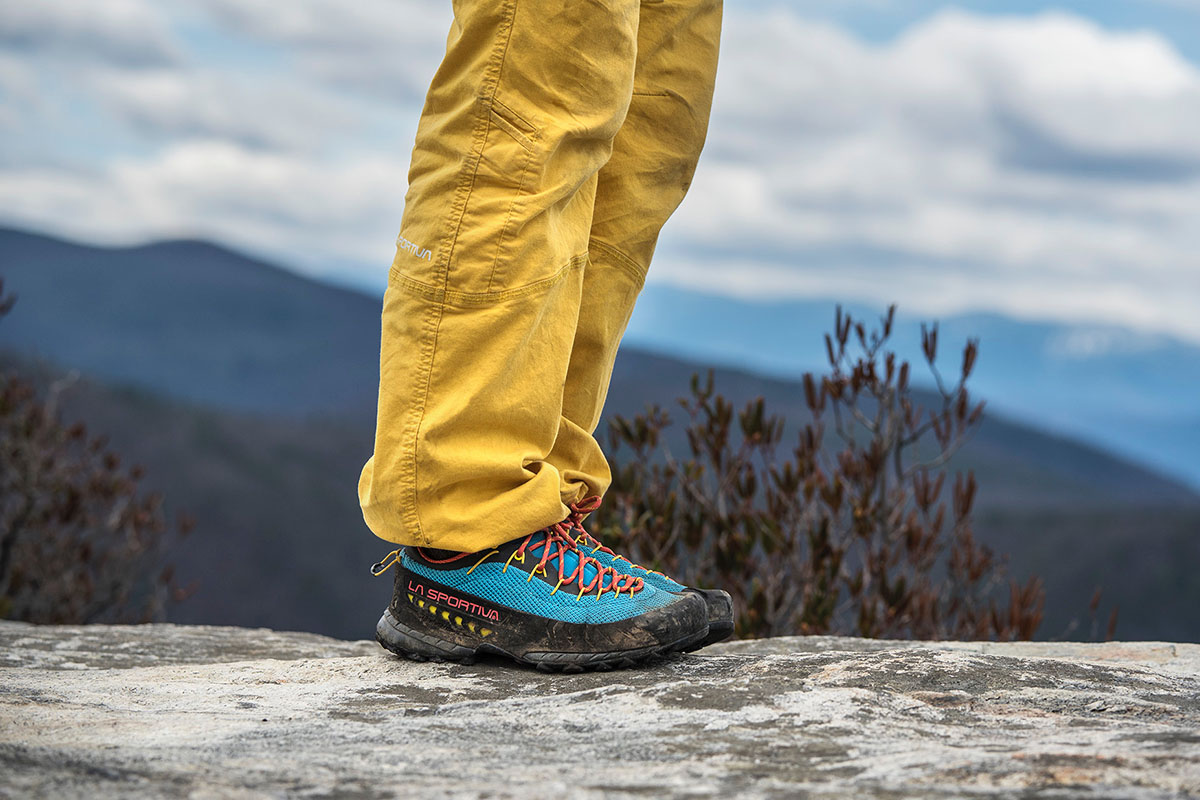
It helps to compare footwear so you know when an approach shoe is the best pick.
- Versus hiking boots:
- Approach shoe is lower cut and lighter.
- It has stickier rubber for rock grip.
- Less ankle support and less cushion for long backpacking miles.
- Versus climbing shoes:
- Approach shoe is more comfortable for long walks.
- It lacks extreme downturned shape and tight fit of climbing shoes.
- It trades climbing precision for multi-use comfort.
In short, an approach shoe is a compromise that favors versatile mountain travel over single-discipline performance.
When to use an approach shoe
Approach shoes shine in mixed terrain and short technical routes.
- Trail approaches to climbs where you must scramble over rock.
- Via ferrata and exposed ridge walks with short technical moves.
- Bouldering sessions where you hike to remote lines and want one shoe.
- Via-hiking routes that have rock slabs or steep scree.
- Day trips where speed and low weight matter more than ankle support.
Avoid approach shoes for long backpacking trips with heavy packs or for multi-pitch sport climbing that needs sticky, tight climbing shoes.
How to choose the right approach shoe
Fit, rubber, and stiffness matter. Use this checklist when shopping.
- Fit:
- Try shoes at end of day after feet swell.
- Ensure toes brush the front but aren’t jammed.
- Lace the shoe and test edging on a curb or rock.
- Rubber compound:
- Softer rubber means better grip but wears faster.
- Harder rubber lasts longer but grips less.
- Midsole stiffness:
- Stiffer midsoles support longer hikes and edging.
- Softer midsoles feel more comfortable on long, easy walks.
- Last and toe shape:
- Narrow lasts fit slim feet; wide lasts help broader feet.
- Pointier toes help precision; rounder toes increase comfort.
- Closure:
- Full laces allow precise tightening for climbs.
- Slip-ons or quick closures are faster but less adjustable.
- Weight:
- Lighter models suit fast approaches and alpine-style moves.
- Heavier models offer durability and protection.
- Try before you buy:
- Walk on rock and gravel in the store.
- If possible, test the shoes on a short outdoor approach.
I once bought a size too large to avoid toe numbness on long hikes. Big mistake: my foot slid forward on slabs and I missed several footholds. Fit matters more than brand.
Care and maintenance for approach shoes
Simple care extends life and maintains grip.
- Clean after use:
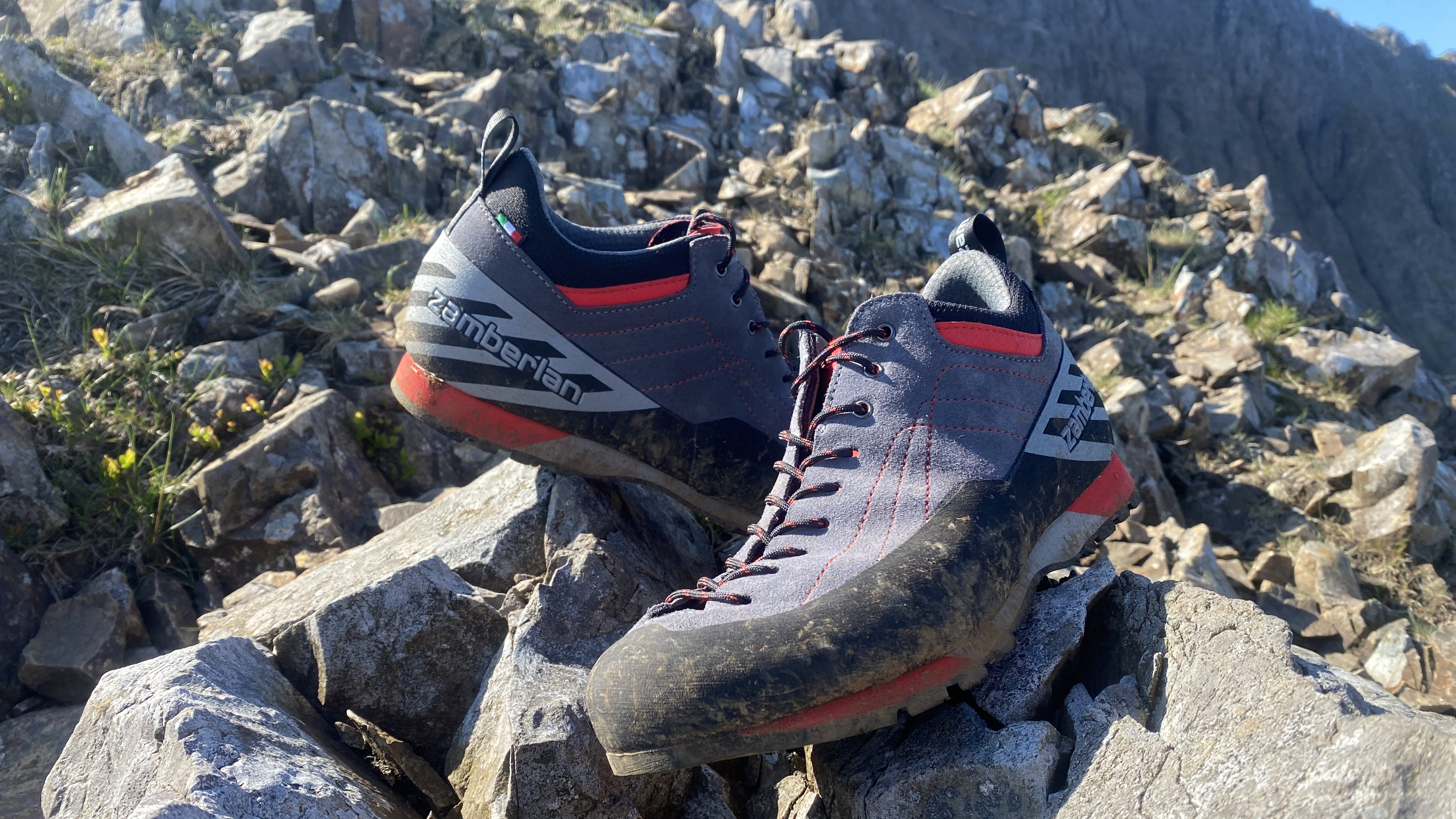
- Brush off mud and grit.
- Wipe sticky rubber with a damp cloth to keep it tacky.
- Dry properly:
- Air dry away from direct heat.
- Stuff with paper to speed drying and keep shape.
- Re-sole or repair:
- Some brands offer resoling to restore sticky rubber.
- Patch cuts in fabric quickly to stop fraying.
- Storage:
- Keep shoes in a dry, cool place.
- Avoid cramming heavy gear on top of them.
From experience, letting sticky rubber sit in mud shortens its life. A quick rinse after a dusty day helps more than you think.
Common types and models (what to expect)
Approach shoes come in styles for different needs.
- Lightweight sport approach shoe:
- Minimal padding, flexible, fast on trail.
- All-round approach shoe:
- Balanced support and grip for varied use.
- Alpine approach shoe:
- Stiffer sole for carrying heavier packs, rugged use.
- Hybrid shoe:
- Blends trail-runner features with sticky rubber.
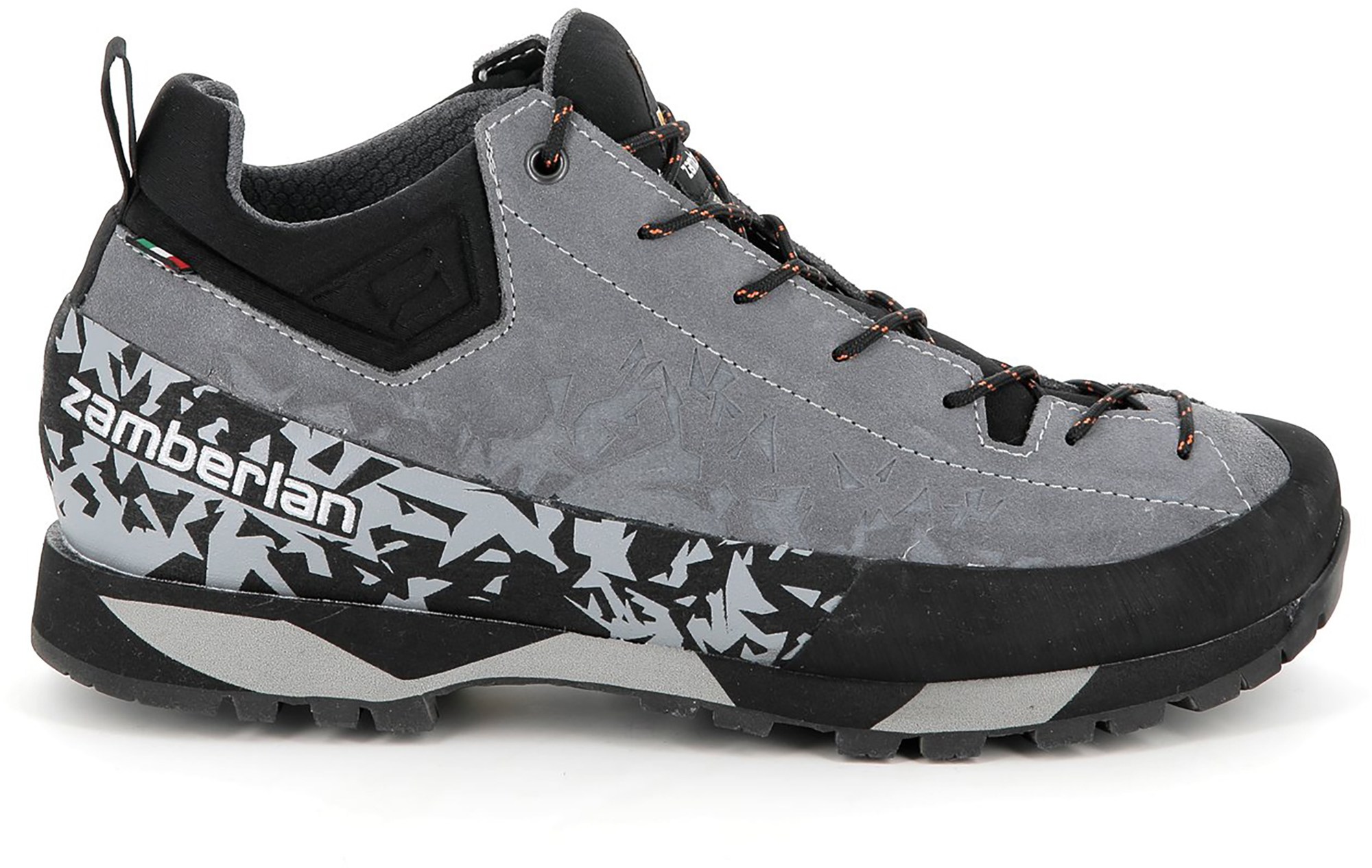
Look for models with sole patterns suited to the rock and terrain you frequent. Softer rubbers are great on smooth granite; harder compounds suit mixed rock.
Benefits and limitations
Honest look at what approach shoes do well and where they fall short.
Benefits
- Versatile for hiking, scrambling, and light climbing.
- Better grip on rock than hiking shoes.
- Lighter and more breathable than many boots.
Limitations
- Less ankle support for heavy loads or long treks.
- Not as precise as dedicated climbing shoes on steep climbs.
- Sticky rubber wears faster than hiking lug soles.
Be realistic about your main activities. If your days involve long backpacking miles, an approach shoe shouldn’t be your primary footwear.
Practical tips and real-world advice
These are lessons I learned the hard way.
- Break them in on local trails before a big trip.
- Lace the shoe snug at the forefoot for cragging; loosen for long hikes.
- Use gaiters if you cross brush or scree often to keep pebbles out.
- Carry a thin pair of climbing shoes for tricky pitches where precision matters.
- Rotate shoes to let rubber dry and recover between outings.
One trip I skipped the break-in and spent the day with hot spots and blisters. Don’t make that mistake — plan a few short hikes first.
Related concepts and gear
Understanding other gear helps you pick shoes that match your kit.
- Trail runners:
- Faster and lighter, but rubber may lack stickiness for rock.
- Mountaineering boots:
- For snow, ice, and heavy loads; not ideal for crags.
- Climbing shoes:
- Use for technical routes where precise edging and friction matter.
- Gaiters and socks:
- Choose thin socks for precise fit, thicker for long walks.
- Insoles:
- Custom or supportive insoles can improve comfort and fit.
Think of an approach shoe as one piece in a flexible system for mountain travel.
PAA-style questions
-
What makes an approach shoe different from a hiking shoe?
- An approach shoe uses sticky rubber and a low-profile design for rock grip, while a hiking shoe emphasizes cushioning and ankle support for long miles.
-
Can you climb in approach shoes?
- Yes, you can climb easy to moderate routes and do technical approaches; they are not a substitute for tight climbing shoes on hard routes.
-
Are approach shoes good for long hikes?
- They work for day hikes and mixed terrain but lack the ankle support and cushioning of dedicated hiking boots for long backpacking trips.
-
How should an approach shoe fit?
- Fit snugly with toes near the toe box, and allow toes slight movement; forefoot should feel secure for precision footwork.
-
How long do approach shoe soles last?
- Lifespan varies with rubber hardness and use; expect months to years depending on frequency and terrain, and resoling can extend life.
Frequently Asked Questions of what is an approach shoe
What exactly is an approach shoe used for?
An approach shoe is used for hiking to a climbing area and for light climbing or scrambling on rock. It combines trail comfort with grip and precision for short technical moves.
Do approach shoes work for bouldering?
Yes, approach shoes are handy for bouldering when you need to hike in and want sticky traction. For harder problems, a dedicated climbing shoe performs better.
Should I size approach shoes like hiking boots or climbing shoes?
Size them closer to hiking shoes for comfort but tighter than running shoes to prevent foot slip. Try them on and test edging and walking.
Can approach shoes be resoled?
Many approach shoes can be resoled depending on the brand and sole construction, which extends the usable life of the shoe. Check with the manufacturer for resoling options.
Are approach shoes waterproof?
Some models include waterproof membranes, but waterproofing can reduce breathability and grip. Choose based on your climate and priorities.
Conclusion
An approach shoe is a smart, versatile choice when you need the trail comfort of a hiking shoe and the grip of a climbing shoe. It shines on mixed terrain, short technical routes, and fast approaches where switching shoes is a hassle. Start by trying pairs for fit and stiffness that match your use, break them in on short trips, and care for the soles to keep grip strong. If you want one shoe that does a lot well, an approach shoe is often the best compromise.
Try a model on this weekend. Test it on rock and trail, and leave a comment about what worked for you or what you’re still unsure about. If you found this useful, subscribe for more gear guides and real-world tips.

Rubel Miah is the Senior Editor at MyStyleGrid.com, where he brings a sharp editorial eye and an unshakable love for fashion to everything he does. A true style addict, Rubel lives and breathes trends, from streetwear to high fashion, and has a knack for turning inspiration into impactful stories. With years of experience in fashion journalism and digital media, he curates content that empowers readers to express themselves through style. When he’s not editing features or forecasting the next big thing, you’ll find him hunting down vintage pieces or capturing street style moments around the city.