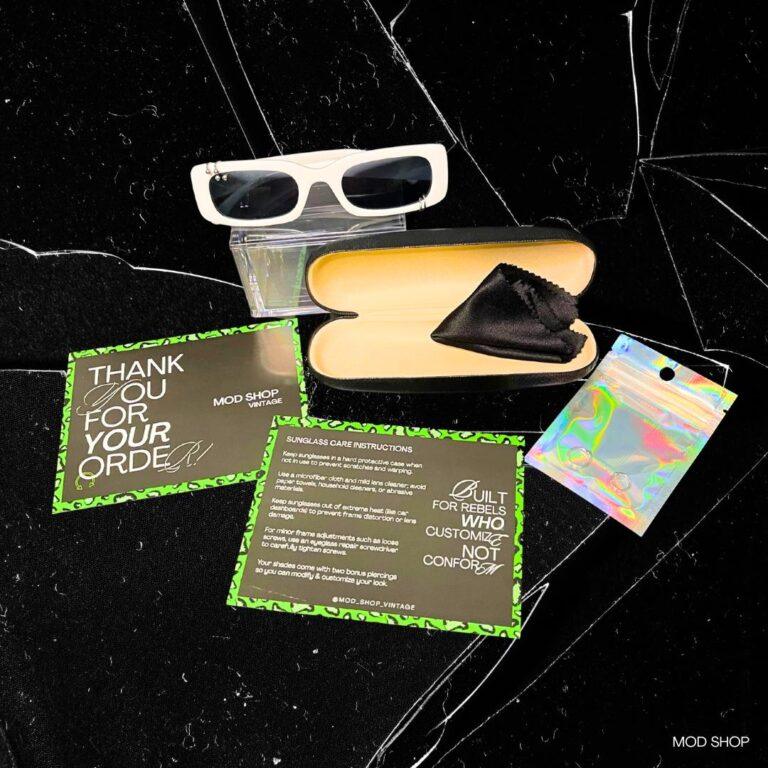
Keep sunglasses out of direct sun and hot cars; store them in a hard case at moderate temperatures.
I’ve worked with eyewear for years and have tested frames in hot conditions. This guide will teach you how to prevent sunglasses from warping in heat with clear, proven steps. You’ll learn why frames bend, which materials tolerate heat, practical daily habits, and when to repair or replace warped sunglasses. Read on for simple, authoritative tips you can apply today.
Why sunglasses warp in heat
Sunglasses warp when heat softens the frame material. Polymers expand and lose stiffness. Parts like hinges and nose pads shift. Metal frames can bend when screws loosen under heat. Understanding these causes helps you act before permanent damage occurs.
Common scenarios that cause warping:
- Leaving sunglasses on a car dash or seat in direct sun.
- Storing frames near heaters or on hot dashboards.
- Drying frames with a hair dryer or exposing them to a hot grill.
How to prevent sunglasses from warping in heat starts with knowing these risks and avoiding them.

Materials and heat resistance
Different frame materials handle heat differently. Some resist warping better than others.
Plastic and acetate
- Most common and light.
- Acetate can soften around high temperatures and deform if left hot for long.
- Cheap plastics warp at lower temperatures.
Nylon and TR-90
- Often used in sport frames.
- More heat resistant and flexible.
- Less likely to permanently deform under moderate heat.
Metal frames
- Resist softening but can bend if screws loosen or if pressure is applied.
- Metal with plastic coating can still have plastic parts that warp.
Lenses
- Polycarbonate and CR-39 lenses can tolerate different temperatures.
- Coatings may delaminate if exposed to extreme heat.
Knowing frame material helps when planning how to prevent sunglasses from warping in heat and choosing models for hot climates.
Practical steps to prevent sunglasses from warping in heat
Here are clear, actionable measures you can use every day.
Avoid leaving sunglasses in a hot car
- Put sunglasses in your bag or glove box, not on the dash or seat.
- Even shade in a closed car can reach damaging temperatures.
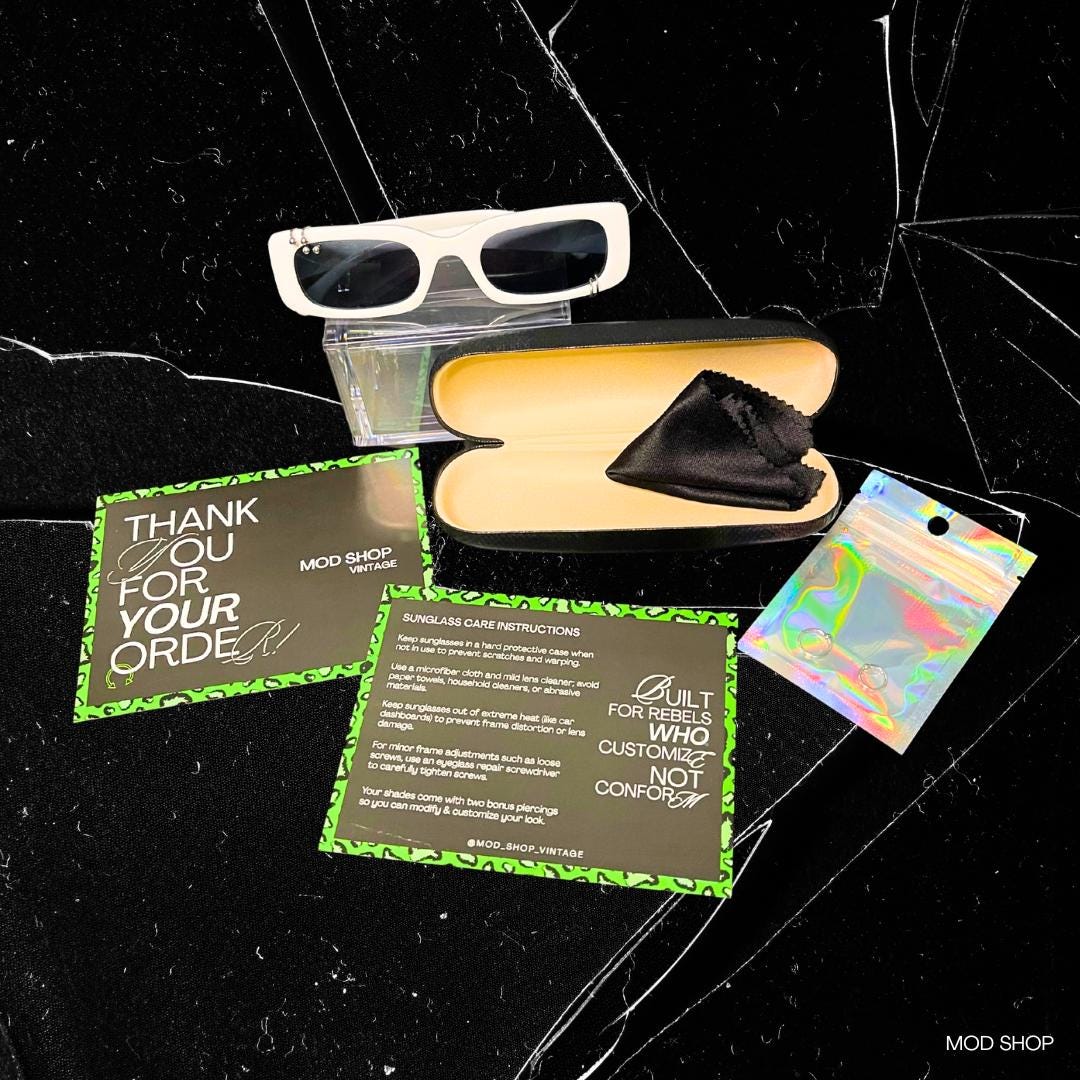
Use a hard case when not wearing them
- Hard cases protect frames from direct sun and pressure.
- Carry a compact hard case for trips and errands.
Store at moderate room temperature
- Keep sunglasses away from heaters, windows, and direct sunlight at home.
- Store them in a closet or drawer during hot days.
Choose heat-resistant frames
- Select frames made of TR-90, metal, or heat-stabilized nylon for hot climates.
- Ask retailers about the frame’s heat tolerance.
Avoid quick temperature changes
- Don’t move frames from freezing cold to hot heat immediately.
- Let sunglasses acclimate gradually to room temperature.
Don’t heat or dry sunglasses aggressively
- Avoid hairdryers, ovens, or hot water. These can deform frames and damage coatings.
- If cleaning with warm water, use gentle, lukewarm water only.
Check and tighten screws regularly
- Loose screws allow parts to shift when warm.
- Tighten small screws with a jeweler’s screwdriver or get professional help.
Use strap or retainer for active use
- Retainers prevent frames from falling into hot sand or onto hot metal.
- They cut down on contact with hot surfaces.
Pack sunglasses properly when traveling
- Keep them in a hard case in checked luggage or carry-on, not sun-exposed pockets.
- Avoid packing under heavy items that can bend frames.
Remember the core idea: how to prevent sunglasses from warping in heat is mostly about avoiding prolonged heat exposure and using good cases and storage.
Storage and care best practices
Good care keeps frames stable and long-lasting. Follow these habits.
Cleaning
- Use a microfiber cloth and lens-safe cleaner.
- Avoid household cleaners that contain ammonia or alcohol. They degrade coatings.
Drying and repairs
- Air dry after cleaning or wipe gently with a soft cloth.
- For scratch removal or reshaping, consult a pro rather than DIY at high heat.
Seasonal care
- During hot months, rotate which sunglasses you wear to reduce continuous stress on one pair.
- Keep a spare pair in a cool place.
Travel kit
- Include a hard case, micro cloth, and a small screwdriver in your travel kit.
- Replace soft pouches with hard cases for protection in hot climates.
These small steps make a big difference in how to prevent sunglasses from warping in heat over time.
When to repair or replace warped sunglasses
Not all warping needs replacement. Evaluate the damage first.
Minor bends and loose screws
- Small reshapes may be fixed by a skilled optician.
- Tightening or replacing screws and nose pads often restores fit.
Severe warping or cracked frames
- If the frame is cracked or lenses pop out, replacement is safer.
- Plastic frames that show permanent softening should be replaced.
Costs and trade-offs
- Minor repairs are usually inexpensive.
- Replacement may be needed for safety and vision reasons.
If you ask professionals, they will often reheat frames gently in controlled settings to reshape them. That’s safer than heating at home. Knowing when to repair or replace is part of smart care and how to prevent sunglasses from warping in heat long-term.

Personal experience and testing
I once left a favorite pair on a car dashboard for two hours on a summer day. The bridge softened and the fit loosened. I learned three things:
- Never assume shade inside a car is safe; temperatures rise fast.
- A hard case in my bag prevented a second incident.
- A local optician reshaped the frames with warm water and gentle pressure; it worked for a while but I later upgraded to TR-90 frames.
From years handling repairs, I trust gradual cool-downs and pro reshaping. My experience shows that prevention is cheaper than repeated fixes. How to prevent sunglasses from warping in heat comes down to habit, the right materials, and safe storage.
Common quick questions
Will sunglasses warp if left in a hot car?
Yes. Temperatures inside a parked car can exceed outside temperatures and soften many frame materials, causing warping and damage.
Is it safe to heat sunglasses to reshape them?
Not at home. Professionals use controlled, mild heat. Home methods like hairdryers or ovens risk melting frames or ruining coatings.
Are metal frames immune to warping in heat?
No. Metal resists softening but can still bend and lose alignment when exposed to heat and pressure.

Frequently Asked Questions of how to prevent sunglasses from warping in heat
How hot does it have to be to warp sunglasses?
Most plastic frames begin to soften well below 160°F (71°C). Exact points vary by material, so avoid exposing sunglasses to cabin temperatures that reach these levels.
Can a hard case prevent warping?
Yes. A hard case blocks direct sun, reduces heat exposure, and prevents pressure on frames. It is one of the best simple defenses.
Is it OK to leave sunglasses on a beach towel in the sun?
No. Direct sun and hot sand transfer heat quickly. Place sunglasses in a shaded spot or a hard case when not worn.
What should I do if my sunglasses start to warp?
Move them to a cool place and visit an optician. Avoid trying to reshape them with high heat at home. Gentle warm water may help temporarily only for slight misalignments.
Are certain lens coatings affected by heat?
Yes. Anti-reflective and mirror coatings can delaminate if exposed to prolonged high heat. Store lenses away from direct sun to protect coatings.
Conclusion
Protecting your eyewear is simple. Keep sunglasses out of direct sun and hot cars, use a hard case, choose heat-resistant materials, and seek professional help for repairs. Start small: carry a hard case, tighten screws, and pick a TR-90 or metal frame if you live where temperatures get high. Take action today to save money and keep your sunglasses comfortable and reliable. Share your tips or questions below, or subscribe for more practical eyewear care advice.

Rubel Miah is the Senior Editor at MyStyleGrid.com, where he brings a sharp editorial eye and an unshakable love for fashion to everything he does. A true style addict, Rubel lives and breathes trends, from streetwear to high fashion, and has a knack for turning inspiration into impactful stories. With years of experience in fashion journalism and digital media, he curates content that empowers readers to express themselves through style. When he’s not editing features or forecasting the next big thing, you’ll find him hunting down vintage pieces or capturing street style moments around the city.