The best Hoka shoes for Morton’s neuroma are wide, cushioned models such as the Bondi 9.
A sharp sting under the ball of your foot can turn a short walk into a slow, careful shuffle. Morton’s neuroma often feels worse when shoes squeeze the forefoot or place too much pressure between the toes. I look for a roomy toe box, soft cushioning, a stable base, and a fit that does not force the foot forward. Hoka shoes can help, especially when paired with the right insole or metatarsal pad. Still, shoe comfort varies, so use this guide as practical buying advice rather than a medical diagnosis.

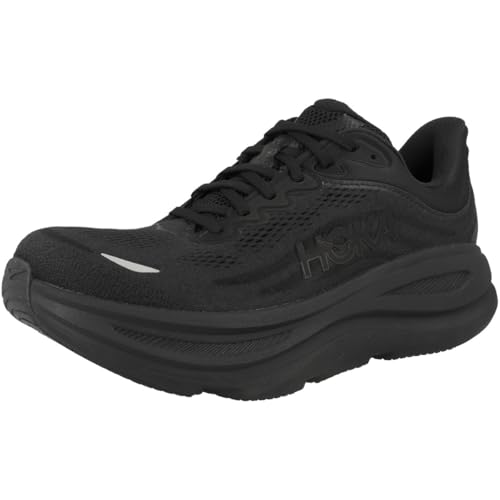
Hoka Men’s Bondi 9 Black/Black…
ENGINEERED MESH Lining Textile

Orthotics Arch Support Metatarsalgia Insoles…
【Foot Pain Relief】Kelaide Arch support insoles built-in metatarsal pad designed to relieve and prevent pain from Flat Feet, Plantar Fasciitis, Metatarsalgia, Mortons Neuroma, and Ball of foot pain 【Neutral Arch…
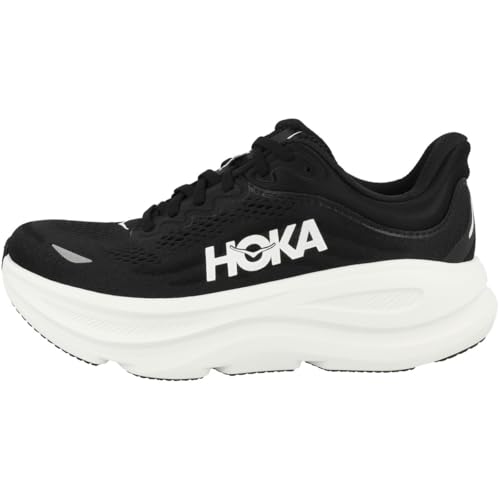
Hoka Women’s Bondi 9 Black/White…
ENGINEERED MESH Lining Textile
Hoka Bondi 9 Men’s Running Shoe

The Hoka Bondi 9 is the strongest all-around choice in this guide for people who want maximum cushioning under the whole foot. Its thick foam platform helps soften the repeated impact that can bother the forefoot during walking or standing. The rocker-style sole can also help the foot move through a step without bending as sharply at the toes. That feature may reduce the feeling of pressure at the ball of the foot.
I like this model for daily errands, long work shifts, and easy walks on hard floors. The medium width may suit many feet, but people with a wide forefoot should check Hoka’s wider sizing before buying. The Bondi 9 is not a cure for Morton’s neuroma, yet its soft ride and supportive shape make it a sensible starting point. Wear it with thin, flexible socks so the forefoot still has room to spread.
Pros:
- Deep cushioning helps absorb road and floor impact
- Rockered sole may reduce painful toe bending
- Comfortable choice for walking and standing
- Stable platform feels secure under the heel
- Padded upper supports daily wear
- Useful for people who prefer a soft, protective ride
Cons:
- Medium width may feel tight for a broad forefoot
- Thick sole can feel bulky at first
- Premium price may not suit every budget
Morton’s Neuroma Arch Support Insoles

These arch support insoles are not shoes, but they can change how a Hoka shoe feels under the foot. The design targets arch support and metatarsal comfort, which may help spread pressure away from the sore area. A supportive insert can also reduce excess foot motion inside a soft running shoe. That matters when a shoe feels cushioned but not quite stable enough.
I would consider these for a Bondi owner who needs more structure than the factory footbed provides. Fit is important because too much arch height can create a new pressure point. Remove the original insole first if the shoe feels crowded, then test the insert for short periods. Stop using it if numbness, burning, or pain increases.
Pros:
- Adds support to a cushioned Hoka shoe
- Designed for metatarsal and forefoot concerns
- May improve foot alignment during walking
- Can make a soft shoe feel more controlled
- Useful for people who need extra arch support
- Removable and transferable between compatible shoes
Cons:
- May take time to adjust to the arch shape
- Can make a snug shoe feel too crowded
- Not ideal for people who need a very flat footbed
Hoka Bondi 9 Women’s Walking Shoe

The women’s Bondi 9 offers the same comfort-first idea as the men’s version, with a plush platform made for walking and daily use. It is a strong candidate for shoppers who want Hoka cushioning without a firm, low-profile feel. The soft midsole can make sidewalks, tile, and concrete feel less harsh. Its rolling sole shape may also ease the transition from heel to toe.
I see this as one of the best Hoka shoes for Morton’s neuroma when the main problem is impact and repeated forefoot strain. The listed medium width will not fit every woman, especially if the toes need extra space. Try the shoe later in the day, when feet are naturally a little larger. A thumb’s width of space in front of the longest toe is a useful fit check.
Pros:
- High cushioning suits long walks and daily standing
- Rockered geometry can limit painful forefoot flex
- Soft upper helps reduce harsh contact points
- Comfortable option for pavement and indoor floors
- Good choice for shoppers who prefer a plush feel
- Recognizable Hoka design with broad everyday appeal
Cons:
- Medium width may not allow enough toe spread
- Soft foam may feel less responsive for fast running
- Large outsole takes up more space than a casual shoe
ZenToes Metatarsal Pads for Women

ZenToes metatarsal pads give the forefoot a small cushion that can make a big difference inside a roomy Hoka shoe. The pad sits behind the ball of the foot rather than directly under the tender nerve. That placement may help spread pressure across the metatarsal area. It can also reduce the feeling that every step lands on one painful spot.
These pads are especially useful for shoppers who already own comfortable Hokas but still feel burning or pressure under the toes. Placement takes some trial and error because a pad that sits too far forward may do little good. I recommend wearing them around the house first and checking the skin after each use. They work best in shoes with enough space, not in a tight toe box.
Pros:
- Small design fits many walking and running shoes
- May spread pressure behind the ball of the foot
- Helpful add-on for Hoka Bondi shoes
- Lightweight and easy to carry
- Can support people with metatarsalgia symptoms
- Two pairs allow use in more than one shoe
Cons:
- Correct placement requires patience
- May shift during activity for some users
- Can feel warm or noticeable inside a close-fitting shoe
PowerStep Pulse Plus Met Insoles

The PowerStep Pulse Plus Met is made for people who want a more structured insole with targeted forefoot support. It combines arch control with a metatarsal feature, so it does more than add a thin layer of foam. This can be useful in a Hoka shoe when the foot slides forward or the arch feels tired. The insole may also help reduce stress caused by overpronation.
I would choose this model for active users who walk, work, or train often and need more guidance than a soft stock footbed gives. It is firmer than a simple cushion, so the first few wears should be short. Make sure the size matches your shoe and remove the original insole when needed. For some people, this insert becomes a better long-term partner for the best Hoka shoes for Morton’s neuroma.
Pros:
- Combines arch support with metatarsal relief
- Useful for running and active daily wear
- May limit excess foot motion inside the shoe
- Provides a more stable feel than a soft liner
- Made in the USA according to the product listing
- Can pair well with heavily cushioned Hoka models
Cons:
- Firm support may not suit every foot
- Requires a gradual break-in period
- Incorrect sizing can create unwanted pressure
Trim-to-Fit Metatarsal Insoles

These trim-to-fit metatarsal insoles are a practical option for people who want forefoot support without buying a full custom orthotic. The design is aimed at metatarsalgia, running discomfort, and pressure near the ball of the foot. Because the insert can be trimmed, it may fit several Hoka styles with different interior shapes. That flexibility is useful when one pair of shoes is for work and another is for exercise.
The main appeal is simple adjustment. I would trace the original Hoka footbed, cut slowly, and test the insert before removing more material. A good fit should lie flat and should not curl at the sides. These insoles may suit budget-minded shoppers who need extra padding, but they cannot correct every foot problem and should not replace professional care when symptoms continue.
Pros:
- Trim-to-fit shape works with many shoe interiors
- Targets pressure at the metatarsal area
- Useful for sports, walking, and standing
- Can provide a low-cost comfort upgrade
- Suitable for men’s and women’s shoe sizes
- Helpful for people who switch between several Hoka shoes
Cons:
- Cutting the insert takes care and time
- May not offer enough arch control for some users
- Product sizing must be checked before purchase
10 Seconds Pressure Relief 3030 Insoles

The 10 Seconds Pressure Relief 3030 focuses on a soft, cushioned feel with a built-in metatarsal pad. Its memory foam topper is designed to mold under the foot, which can feel pleasant during long periods of standing. The medium arch height offers more support than a flat foam liner without feeling extremely rigid. In a firm shoe, this type of topper can act like a small comfort cushion.
I see this insert as a good match for a Bondi wearer who wants relief but dislikes hard orthotics. It comes in a trim-to-fit format, so careful cutting is essential. The insole may feel thick in shoes that already have a narrow interior. If the Hoka upper presses the toes after installation, use a thinner insert or choose a wider shoe.
Pros:
- Soft memory foam topper feels comfortable underfoot
- Built-in metatarsal pad supports the forefoot
- Medium arch height suits many average arches
- Trim-to-fit design allows shoe adjustment
- Two-pack offers a spare or second pair
- Good option for standing and casual walking
Cons:
- Thicker construction may reduce interior room
- Soft foam may compress with heavy daily use
- Not the best choice for people needing firm motion control
My Recommendation
For most shoppers, I recommend starting with the Hoka Bondi 9 in the correct width. Its cushioning, stable base, and rolling sole make it the most balanced choice for daily walking and standing. The men’s and women’s Bondi 9 models offer the same comfort-focused approach, so the better version depends on fit, size, and available width.
If your pain comes from pressure under the forefoot, add a metatarsal pad rather than simply stacking thick cushions. The ZenToes pads offer a simple test, while the PowerStep Pulse Plus Met gives more arch structure. People who dislike firm inserts may prefer the 10 Seconds model. The trim-to-fit insole is a useful middle ground for shoppers who want flexibility and lower cost.
The best Hoka shoes for Morton’s neuroma should leave room for the toes to spread. A shoe that feels soft but squeezes the forefoot will not solve the main problem. I also suggest trying shoes at the end of the day, walking on a hard surface, and checking for numbness or burning after several minutes. If symptoms persist, worsen, or affect balance, ask a podiatrist for an exam.
| Best for | Why |
|---|---|
| Daily walking and standing | Bondi 9 cushioning and rocker-like sole help reduce repeated impact and toe bend. |
| Extra forefoot cushioning | ZenToes pads and the 10 Seconds 3030 can spread pressure behind the ball of the foot. |
| Arch control and active use | PowerStep Pulse Plus Met adds structured support for walking, running, and work shifts. |
How Morton’s Neuroma Changes Shoe Choice
Morton’s neuroma is a painful irritation around a nerve in the forefoot. It often affects the space between the third and fourth toes, though symptoms can occur in nearby spaces. People may describe burning, tingling, numbness, or the feeling of a pebble inside the shoe. Tight shoes, high heels, and repeated forefoot loading can make those feelings worse.
A good shoe does not press the toes together. It also should not force the body weight onto the front of the foot. I look for four basic traits: a roomy toe box, soft cushioning, a stable sole, and a smooth heel-to-toe transition. These traits explain why Hoka Bondi models appear often in discussions about the best Hoka shoes for Morton’s neuroma.
The toe box matters more than many shoppers expect. A shoe can have thick foam and still cause pain if the front narrows too much. Your toes should rest in a natural position, with enough space to wiggle. Do not judge fit by standing still; walk, turn, and climb a few steps before deciding.
Cushioning is helpful, but more is not always better. Very soft foam can feel wonderful for ten minutes, then allow the foot to move too much over a long walk. That extra motion may irritate the forefoot. A stable, well-cushioned shoe often works better than the softest shoe on the shelf.
The sole shape also deserves attention. A rocker-style sole helps the shoe roll forward as you walk. This may reduce the amount of bending required at the metatarsophalangeal joints. For a person with Morton’s neuroma, less painful bending can mean a calmer walk.
Why Hoka Bondi Shoes Stand Out
Hoka Bondi shoes have a thick midsole and a comfort-first design. They are made for people who want a protective ride during daily movement. The broad platform can feel steady, while the foam reduces the hard feel of pavement and indoor floors. This combination works well for people who spend hours on their feet.
The Bondi line is not automatically perfect for every foot. Some people need a wider size, a different heel shape, or a firmer insert. Hoka’s standard medium fit may not leave enough space for a prominent bunion or broad metatarsal area. I always treat width as important as length.
A common mistake is buying a larger shoe instead of a wider shoe. Extra length can make the foot slide forward, which may increase pressure at the toes. A wider option usually gives the forefoot more room without creating excess space at the heel. If the heel slips, try a different width or lacing method rather than simply sizing down.
Another mistake is placing a metatarsal pad directly under the painful spot. The pad usually works best just behind the ball of the foot. Its job is to help spread pressure, not to push into the most sensitive area. Start with short wear times and move the pad slightly if it feels wrong.
How I Would Test a Shoe for Morton’s Neuroma
I start by trying the shoe indoors on a clean floor. I wear the socks I normally use and stand for several minutes. Then I walk, turn, and climb stairs. I pay attention to burning, tingling, pressure, and toe movement rather than judging the shoe by appearance.
I also test the shoe late in the day. Feet often swell after hours of normal activity. A shoe that fits at 8 a.m. may feel tight at 5 p.m. This simple test can prevent an expensive mistake.
Next, I check the toe box. I want the toes to spread without touching the upper. I do not want the forefoot squeezed from the sides. The longest toe should have some space in front, but the foot should not slide forward with every step.
Finally, I walk for a longer period. A ten-minute test cannot show how the shoe behaves after an hour. If the symptoms grow as the walk continues, the shoe may lack the right width, support, or pad placement. Comfort should remain steady, not slowly turn into a sharp warning.
Hoka Shoes, Insoles, and Metatarsal Pads
An insole changes the volume and shape inside a shoe. That change can improve comfort or create trouble. A structured insole may support the arch and reduce unwanted motion. A soft insole may cushion the foot but provide less control.
Metatarsal pads work in a different way. They aim to spread pressure across the forefoot. Many people use them with running shoes, walking shoes, and work shoes. The key is location. If the pad causes more pain, remove it and try again later with professional guidance.
Do not use every support product at once. Adding an arch insole, a thick memory foam insert, and a metatarsal pad can make the shoe too crowded. A cramped shoe may defeat the purpose of the best Hoka shoes for Morton’s neuroma. Test one change at a time.
I would begin with the Bondi 9 alone. If the shoe feels good but the forefoot still needs help, try a thin pad. If the foot feels unstable, test a supportive insole. Keep the setup that reduces symptoms without squeezing the toes.
Fit Tips for the Best Hoka Shoes for Morton’s Neuroma
Measure both feet while standing. One foot may be longer or wider than the other. Buy for the larger foot, and use the smaller shoe only if it still feels secure. Foot size can also change over time, so old measurements may not reflect your current fit.
Wear your usual walking socks. Thick socks can make a shoe seem too small, while thin socks can hide a tight fit. If you use an orthotic, bring it when you try shoes. The shoe must fit your foot and your insert together.
Check the heel as well as the toes. Your heel should stay mostly in place when you walk. A little movement is normal, but repeated slipping can push the foot toward the front. That can increase forefoot pressure.
Use the laces to hold the heel without tightening the forefoot too much. Loosen the lower eyelets and secure the upper eyelets. This approach can create room near the toes while keeping the rear of the foot stable. Never tie a shoe so tightly that it causes numbness.
When to Seek Medical Care
A shoe review cannot identify the exact cause of foot pain. Burning in the forefoot may come from Morton’s neuroma, but other issues can feel similar. A clinician can check the nerves, joints, bones, and soft tissue. That exam matters when pain continues despite better shoes.
Seek care if numbness spreads, pain becomes severe, swelling appears, or walking becomes difficult. You should also ask for help if symptoms follow an injury. Diabetes, circulation problems, and other health conditions make foot changes more important to evaluate.
A podiatrist may suggest activity changes, physical therapy, an orthotic plan, or other treatment. Shoes often support the plan, but they do not replace it. The right footwear is one tool in a larger comfort strategy.
FAQs Of best hoka shoes for morton’s neuroma
Are Hoka Bondi shoes good for Morton’s neuroma?
Hoka Bondi shoes can be a good option because they offer strong cushioning and a rolling sole. Choose the correct width so the forefoot does not feel squeezed. If pain remains, a properly placed metatarsal pad may help.
Which Hoka shoe has the most cushioning?
The Bondi line is known for a highly cushioned feel. The Bondi 9 is a strong choice for walking and standing on hard surfaces. Cushioning alone is not enough if the toe box is too narrow.
Should I use an insole with Hoka Bondi shoes?
Use an insole only if you need more support or pressure control. First test the shoe with its original footbed. If you add an insert, remove the original one when possible and make sure the toes still have room.
Where should a metatarsal pad sit?
A metatarsal pad usually sits just behind the ball of the foot. It should help spread pressure without pushing directly on the painful area. Begin with short wear periods and adjust the position if needed.
Can shoes cure Morton’s neuroma?
Shoes cannot cure every case of Morton’s neuroma. Roomy, cushioned footwear may reduce pressure and improve daily comfort. Persistent or worsening symptoms need evaluation by a qualified medical professional.
Final Verdict: Which Should You Buy?
The Hoka Bondi 9 is my top pick for the best Hoka shoes for Morton’s neuroma because it blends cushioning, stability, and a smooth rolling sole. Choose a wider fit when your toes need more space.
For extra relief, pair the Bondi with one carefully placed metatarsal pad or supportive insole. The right fit matters most, so shop slowly and stop if pain or numbness increases.

Madison Clark is a footwear expert and the voice behind MyStyleGrid.com. She specializes in honest shoe reviews, style tips, and practical guides to help readers find the perfect pair for any occasion. With years of experience in blogging and content creation, Madison makes footwear knowledge simple, stylish, and easy to follow.