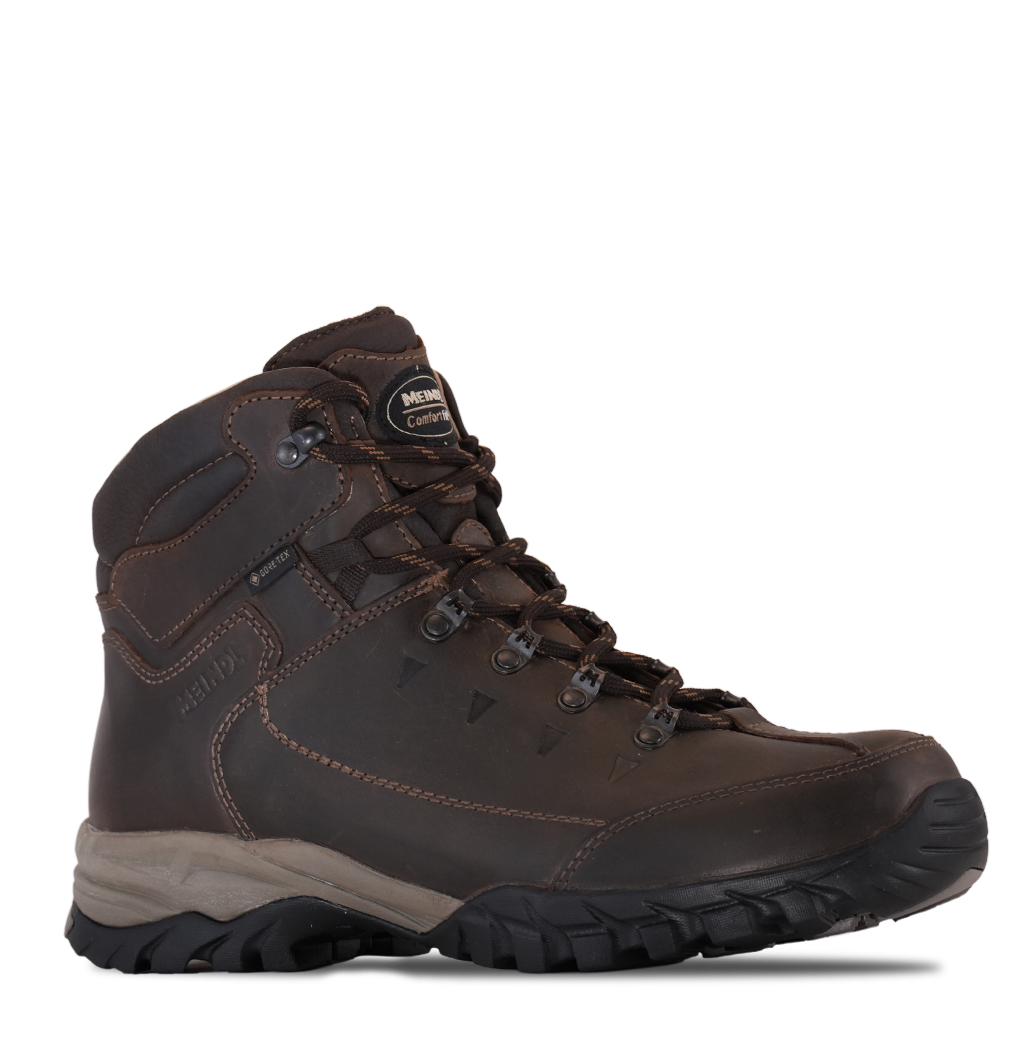
Hiking boots should fit snug at the heel with about a thumb’s width of toe room.
I’ve fitted boots for friends, guided weekend hikes, and tested gear across seasons, so I know what a proper fit feels and performs like. This guide explains exactly how are hiking boots supposed to fit, why fit matters, how to measure and test boots, common problems and fixes, and real-world tips so you leave the store confident and hike comfortably.

How are hiking boots supposed to fit: Fit fundamentals
A correct fit protects your feet and improves performance. When you ask how are hiking boots supposed to fit, think about three zones: toes, midfoot, and heel. The toes need space to wiggle and prevent bruising on descents. The midfoot should feel snug to transfer power. The heel should stay put with minimal slip.
Fit affects balance, blister risk, and long-term foot health. Boots that are too tight cause numb toes and hot spots. Boots that are too loose lead to heel lift and blisters. Knowing how are hiking boots supposed to fit helps you pick boots for the distance, load, and terrain you plan to tackle.
How to measure and try hiking boots properly
Measure and try boots the way hikers do in the field. Follow these clear steps when testing fit.
- Measure feet at the end of the day when feet are largest and wear the socks you plan to hike in.
- Stand up when trying boots so your foot flattens and lengthens.
- Leave roughly a thumb’s width of space between the longest toe and the front of the boot.
- Check side-to-side room so toes are not pinched, but the midfoot feels secure.
- Lace up with your usual method and walk on a slope or ramp to simulate descents.
- Test heel hold by running in place and doing quick downhill steps; heel lift should be minimal.
When you try boots, bring your typical insoles or orthotics. If you hike with a heavy pack, consider testing with weight in a backpack to see how the fit changes. These steps answer exactly how are hiking boots supposed to fit in real use.

Common fit problems and how to fix them
Fit problems are common but often fixable. Here are typical issues and practical fixes.
- Toe bruising or black nails — Usually too little toe room; size up or choose a different last.
- Heel slip — Use a heel-lock lacing technique, thicker socks, or padded heel liners.
- Hot spots and blisters — Adjust lacing to relieve pressure, add moleskin, or switch socks.
- Numb toes — Boots too tight or socks too thick; try a wider last or larger size.
- Foot fatigue — Inadequate arch support; try aftermarket insoles that match your arch type.
If small fixes fail, try a different boot model. Different lasts and shapes can suddenly make a perfect fit. Remember that understanding how are hiking boots supposed to fit means knowing when a fix is temporary and when a new boot is the right call.
Breaking in boots and how fit changes over time
New boots often need a short break-in period, but fit should not change dramatically. Leather can soften and stretch slightly. Synthetic uppers typically settle less. Expect minor conforming in the first 20–50 miles.
Break-in tips that respect fit:
- Wear boots on short walks, then gradually increase distance.
- Use the same socks and insoles during break-in as you will hike with.
- Monitor hotspots and adjust lacing early to avoid blisters.
- Reassess toe room periodically; swelling can change how boots feel on long days.
Keep in mind that knowing how are hiking boots supposed to fit at purchase reduces expensive break-in problems later. If fit is poor at first, it rarely improves to great.

Choosing the right boot type, last, and materials for fit
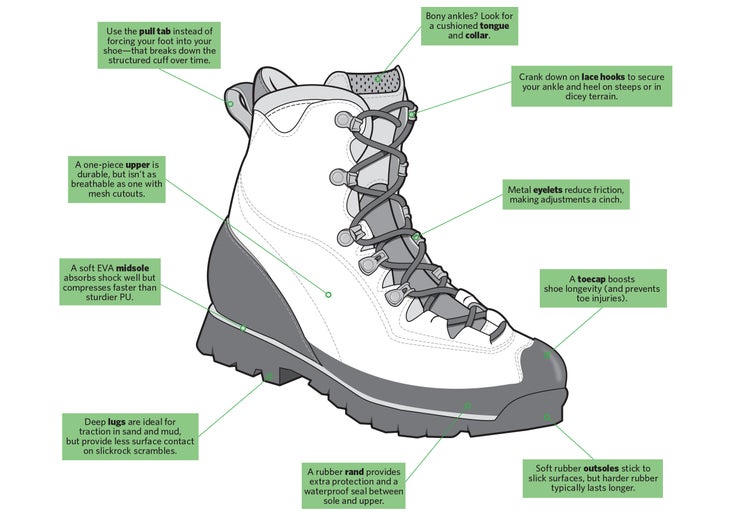
Boot design affects fit more than size alone. A boot’s last shape, ankle height, and material choice change how it conforms to feet.
- Last shape — Curved lasts suit narrower feet; straight or semi-curved lasts fit wider feet.
- Ankle height — Mid or high cuts offer more support but must match calf shape for comfort.
- Material — Full-grain leather stretches and molds slowly; synthetics are lighter and hold shape.
- Sole stiffness — Stiffer soles protect feet with heavy loads; flexible soles work well for fast hikes.
When choosing, ask sales staff about the company’s lasts and try multiple models. Practice the measuring steps to find which combination answers how are hiking boots supposed to fit for your foot shape and use.
Personal experience: mistakes, lessons, and real tips
I once bought boots that felt snug in the store and returned with two black toenails after a long descent. Lesson learned: test downhill feel and allow extra toe room. Another time I solved heel slip with a simple heel-lock and a thicker pair of socks during a cold-weather hike.
Practical tips from experience:
- Try boots with the socks and insoles you actually use.
- Walk on a ramp or stairs to replicate descents and climbs.
- Don’t assume same brand shoes fit the same — lasts vary by model.
- If you plan to carry heavy loads, test with extra weight before committing.
These real-world checks answer the question how are hiking boots supposed to fit in everyday hiking life and help avoid costly mistakes.

Frequently Asked Questions of how are hiking boots supposed to fit
How much toe space should I have in hiking boots?
You should have about a thumb’s width of space from your longest toe to the boot front when standing. This prevents bruising and allows room for foot swelling on long hikes.
Should hiking boots fit tighter than street shoes?
Hiking boots should feel snug but not tight; they need to hold your midfoot while allowing toe room. The goal is secure support, not a tight squeeze.
How do I test heel fit in the store?
Walk up and down a slope or run in place while laced fully and try a heel-lock lacing pattern. Heel lift should be small; consistent large lift means a poor fit.
Can I use thicker socks instead of sizing up?
Thicker socks can help fill extra space but may reduce toe room and increase heat. Use socks to fine-tune fit, not to fix boots that are clearly the wrong size.
When should I choose a wider last?
Choose a wider last if your forefoot feels pinched or your toes sit at an angle in the toe box. A wider last gives more natural toe splay and comfort on long days.
Is it okay to buy hiking boots online without trying them?
You can buy online if you know your exact measurements and brand-specific sizing. Prefer models you’ve tried in person or buy from retailers with hassle-free returns.
Conclusion
A proper fit starts with testing in real conditions, leaving thumb-sized toe room, securing the midfoot, and minimizing heel slip. Knowing how are hiking boots supposed to fit will save you pain, improve performance, and extend boot life. Try with the socks and insoles you use, test on slopes, and prefer the boot that feels right on your foot, not just the size label.
Take action: measure your feet today, try boots with the steps here, and leave a comment or subscribe to learn more gear-fit tips.

Rubel Miah is the Senior Editor at MyStyleGrid.com, where he brings a sharp editorial eye and an unshakable love for fashion to everything he does. A true style addict, Rubel lives and breathes trends, from streetwear to high fashion, and has a knack for turning inspiration into impactful stories. With years of experience in fashion journalism and digital media, he curates content that empowers readers to express themselves through style. When he’s not editing features or forecasting the next big thing, you’ll find him hunting down vintage pieces or capturing street style moments around the city.