Quick answer: The top pick for wide feet is a roomy, flexible turf or training boot with a soft upper.
I’ve seen players limp off the pitch because their boots pinched the forefoot. If you’ve got wide feet, tight boots ruin touch, comfort, and confidence. The right pair gives width, breathable stretch, and a stable sole so you can run, cut, and shoot without pain. Below I test and compare eight options, focusing on real fit, materials, and value so you can pick the best football boots for wide feet.
See the differences between my top picks at a glance.
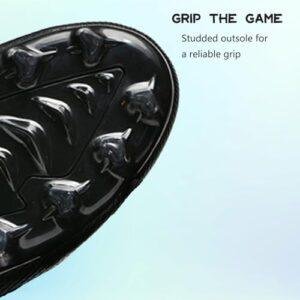
NINIKUA Turf Training Cleats

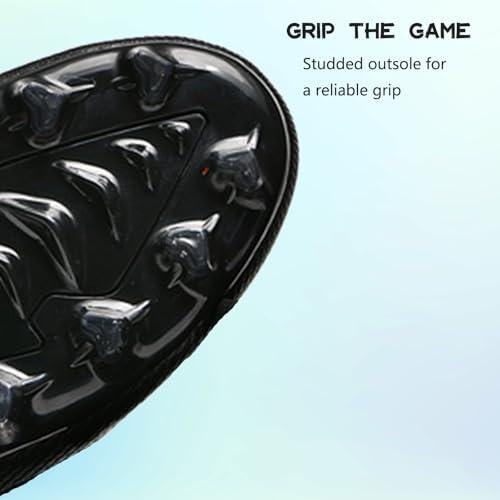
The NINIKUA cleats aim to be a budget training boot with a breathable mesh upper. I found the toe box more generous than many low-cost alternatives. The sole works on turf, short grass, and some AG fields. They feel light and let my foot breathe during long practice sessions.
The padding around the ankle keeps fit stable without squeezing the forefoot. The lacing system allows you to open the vamp wide for wide feet. Expect solid traction on artificial turf but moderate durability over heavy use. These are best as training boots, not for pro match wear.
Pros:
- Roomy toe box for wider feet
- Breathable mesh upper reduces hot spots
- Very lightweight for quick drills
- Good traction on turf and AG surfaces
- Affordable for casual players
Cons:
- Less durable than premium boots
- Not ideal for soft, muddy fields
- Limited arch support for some players
What Amazon Buyers Are Saying
Buyers often praise comfort and value. Many note the roomy front and good breathability. Some users report wear after heavy weekly training. Sizing can vary, so buyers recommend checking size charts.
My Recommendation
I recommend the NINIKUA cleats if you want an affordable, roomy training boot for turf. They work well for players with wide forefeet who need breathable, light footwear.
Under Armour Spotlight Hammer

The Under Armour Spotlight Hammer is a sturdier cleat that blends support and traction. It uses synthetic leather and a firmer sole. I found the boot stable for quick lateral moves. The fit is firmer than mesh models but adjusts with laces.
This model suits players who need stability more than extreme forefoot width. The upper molds a bit with wear. If you have moderate wide feet, give the Hammer a try. Heavier builds may want to size up for extra room.
Pros:
- Stable sole for sharp cuts
- Solid synthetic upper for support
- Good lockdown with lacing
- Built for durability under regular play
- Suits mixed surfaces like field and turf
Cons:
- Not as stretchy for very wide feet
- Slightly heavier than mesh models
- Takes time to break in for some users
What Amazon Buyers Are Saying
Buyers like the stability and strong build. Many say the cleats handle regular play without quick wear. A few buyers with extra-wide feet find the fit snug and recommend sizing up.
My Recommendation
Buy this if you need a stable, durable boot that still offers decent room. I rate it as a solid option for players with mildly wide feet who want support.
Adidas F50 Hyperfast Pro

The Adidas F50 Hyperfast Pro focuses on speed. It uses a thin synthetic upper and a stud pattern for firm ground. I noticed the profile is sleek and low to the ground. That helps quick feel but reduces extra room in the forefoot.
This boot suits narrow to medium feet best. Wide-foot players may find it snug at first. If you want minimal weight and maximum touch, this is a top pick. For wide feet, consider half a size up or look for wider models.
Pros:
- Extremely lightweight for fast play
- Great ball feel due to thin upper
- Firm ground traction for dry fields
- Modern low-profile design
- Good lockdown at midfoot
Cons:
- Narrow fit not ideal for wide feet
- Thin upper offers less padding
- Made mainly for firm surfaces
What Amazon Buyers Are Saying
Customers rave about the light feel and touch. Many recommend sizing carefully. Buyers with wide feet report tightness and suggest sizing up for comfort.
My Recommendation
I recommend the Adidas F50 if speed and touch top your list. For wide feet, choose only if you size up or accept a tighter fit. Overall, it scores high on performance but low on width.
FEETHING Women’s FG Cleats

The FEETHING women’s cleats balance weight and comfort. They use a synthetic knit upper that stretches. I found the toe area a touch wider than typical women’s models. That makes them a good pick if you need extra forefoot room.
They work best on firmer outdoor pitches. The sole has a classic stud layout for stability. If you want a lightweight boot that doesn’t squeeze your toes, these are worth testing. They also look sharp in bright colors.
Pros:
- Slightly wider toe box than many women’s boots
- Lightweight and breathable knit upper
- Stable stud pattern for firm ground
- Good for quick running and cutting
- Durable for regular use on dry fields
Cons:
- Not designed for soft or muddy pitches
- May need a break-in period
- Limited colorways for some sizes
What Amazon Buyers Are Saying
Buyers praise the lightweight feel and comfort. Many female players say the forefoot allows room without losing control. A few mention sizing differences across colorways.
My Recommendation
FEETHING cleats are a smart choice for women with wider feet who play on firm ground. I rate them high on comfort and agility.
Unbranded Indoor/Turf Cleats

These unbranded indoor/turf cleats are simple and practical. They use a breathable mesh and a flat, grippy sole for indoor and artificial turf. I liked the width in the forefoot; it gives toes space. The cushioning is basic but effective for short bursts.
The lightweight design makes quick changes easy. They suit casual players, youth teams, and gym sessions. Expect solid value. If you need a wide, budget-friendly indoor boot, this model fits that niche well.
Pros:
- Wide forefoot friendly for indoor play
- Very light for agility
- Good grip on turf and court surfaces
- Affordable for teams and practice
- Breathable upper reduces sweat
Cons:
- Not built for heavy outdoor use
- Poor waterproofing in wet conditions
- Limited arch support
What Amazon Buyers Are Saying
Buyers often praise the comfort and price. Many report the roomy fit and good indoor traction. A few note that they wear faster under heavy weekly play.
My Recommendation
If you play indoors or on turf and need wide room, this is a smart budget pick. It scores well for comfort and value in short-term use.
CLLYHHC Lightweight Cleats

The CLLYHHC cleats focus on being feather-light and breathable. They use a mesh upper and flexible sole. I found the forefoot to allow a little extra space, which helps wider feet. They feel fast and nimble in short sprints.
These cleats are great for training days or casual matches. The lightweight build sacrifices some long-term durability. If you want a roomy, fast boot for practice, this model hits the mark.
Pros:
- Very light for fast play
- Breathable mesh upper helps comfort
- Roomy toe box for wide feet
- Good for training and casual games
- Affordable and easy to replace
Cons:
- Not as durable under heavy weekly use
- Limited ankle padding
- Less structured support for arch-strikers
What Amazon Buyers Are Saying
Customers like the light feel and roomy front. Many note excellent value for training. A few users request stronger stitching for longer life.
My Recommendation
Choose CLLYHHC if you want a lightweight, roomy training cleat. It’s a great option for wide feet on a budget.
LEOCI Unisex Football Boots

LEOCI offers a solid, all-round kit boot with a synthetic leather upper. I found the lacing and upper give you room to adjust across the midfoot. That helps players who need extra width in the toe area. The sole is stable for outdoor surfaces.
The build feels more structured than mesh models. That helps durability and support. Wide-foot players who like classic leather-like uppers will find these comfortable after a short break-in. They work well for casual matches and training.
Pros:
- Adjustable fit through lacing
- Durable synthetic upper
- Good stability on outdoor pitches
- Unisex sizing for flexible fit
- Classic, clean look
Cons:
- Less breathable than mesh models
- Break-in required for best comfort
- May feel heavy to some speed-focused players
What Amazon Buyers Are Saying
Buyers report solid build and good support. Many praise the roomy toe when laced properly. Some users ask for more color options and lighter weight.
My Recommendation
I recommend LEOCI for players who want classic support and adjustable fit. It ranks well for wide-foot comfort and durability.
Nike Men’s Football Boots

Nike offers a range of boots; this model combines synthetic and leather-like elements. I found the fit typically slim and performance-driven. The boot hugs the midfoot for control. Wide-foot players may need to try half or full size up.
These boots excel in touch and traction on dry outdoor fields. They balance weight, comfort, and responsiveness. If you want a branded performance boot, try these but check fit in store when possible.
Pros:
- Great ball feel and control
- Balanced weight for speed and stability
- Reliable traction on outdoor turf
- Quality construction from a major brand
- Crisp styling
Cons:
- Often runs narrow for wide feet
- Higher price than unbranded options
- Less forgiving upper until broken in
What Amazon Buyers Are Saying
Buyers love the performance and style. Many wide-foot buyers warn it runs narrow and suggest ordering larger sizes. Durability and traction get frequent praise.
My Recommendation
Pick Nike if you want performance and can manage fit with sizing. It ranks high for play quality but needs attention for wide-foot comfort.
How to Choose Best Football Boots for Wide Feet
Choosing the right boot saves pain and improves play. I use three key checks when I pick boots for wide feet: fit type, upper material, and sole design. These guide you to boots that match your playing surface and foot shape.
1. Prioritize upper material and stretch
Soft leather or knit uppers stretch and form to wide feet. Synthetic shells look sleek but often feel tight. I prefer knit or soft synthetic blends for a roomy toe box. These reduce pressure and hot spots.
2. Check last shape and width options
Manufacturers use different lasts. A boot listed as “wide” or tagged with roomy toe box is ideal. Try sizes in-store if possible. I often test a half-size up to see how pressure changes while moving.
3. Match sole and studs to your pitch
Firm ground (FG) studs suit natural turf. Turf (TF) shoes use smaller nubs for artificial turf and often give more forefoot space. Indoor shoes have flat soles and wider toe boxes. Pick a sole that fits your main playing surface and gives stable room for your foot.
Final Verdict: Which Should You Buy?
For most players with wide feet, the NINIKUA Turf Training Cleats and the unbranded Indoor/Turf model offer the best mix of roomy toe boxes and value. They give space without sacrificing traction.
If you need a single recommendation, start with a roomy turf or mesh training boot. That gives you the best comfort and function among the best football boots for wide feet.
FAQs Of best football boots for wide feet
How do I know my feet are wide?
Measure the widest part of your foot and compare to a shoe size chart. If your width is above standard for your shoe size, you have wide feet. If unsure, try boots labeled wide or test a half-size up.
Are turf shoes better for wide feet?
Turf shoes often give a broader toe box and flatter sole. They can work better for wide feet, especially for training and artificial turf play. For firm natural ground, look for FG boots with wider lasts.
Should I size up if boots feel tight?
Yes. Wide-foot players often size up half to one size to relieve pressure. Test movement; boots should hold the heel while giving forefoot room. Always check return policies when ordering online.
Do leather boots stretch for wide feet?
Natural leather stretches more than many synthetics. Soft kangaroo leather offers excellent molding to wide feet. Modern knit uppers also adapt well. Hard synthetics stretch least.
Can insoles help with wide feet?
Insoles add arch support but rarely widen the toe box. For wide feet, specialty wide insoles that thin out across the forefoot can help. Usually, choose a wider boot first, then fine-tune with insoles.

Madison Clark is a footwear expert and the voice behind MyStyleGrid.com. She specializes in honest shoe reviews, style tips, and practical guides to help readers find the perfect pair for any occasion. With years of experience in blogging and content creation, Madison makes footwear knowledge simple, stylish, and easy to follow.