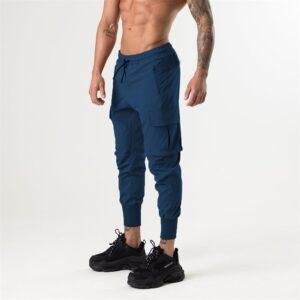
Cargo pants are usually not supposed to be tight. Most pairs are designed to fit straight, relaxed, or slightly loose through the hips, thighs, and legs. The waistband should feel secure, but the fabric should not pull across your seat, crotch, knees, or cargo pockets.
That said, cargo pants come in many cuts. Slim cargo pants may fit close to the leg, while utility, tactical, and classic cargo pants often need extra room for movement and storage. In the United States, the best fit depends on the pants’ design, your measurements, and how you plan to wear them.

What Should the Fit of Cargo Pants Feel Like?
Cargo pants should feel comfortable when you stand, sit, walk, bend, and climb stairs. They should not feel like leggings, but they also should not hang so loosely that the pockets swing or the seat sags.
A good fit usually has these traits:
- The waistband stays in place without digging into your skin.
- You can slide one or two fingers between the waistband and your body.
- The seat lies smooth without pulling or drooping.
- The crotch gives you room to move.
- The thigh area does not feel stretched.
- The cargo pockets lie flat when empty.
- The knees bend without strong tension across the fabric.
- The legs match the style of the pants.
Cargo pants may look roomier than jeans because they often use a fuller cut. That extra space is part of the design. It allows movement and gives the side pockets room to hold small items.
A simple fit rule
If the pants feel comfortable while standing but become tight when you sit or bend, they are too small or too slim for your needs. If the waistband slips and the seat collapses, they are likely too large.
A little room is normal. Excess fabric that creates deep folds, causes pocket flaps to stick out, or makes the pants slide down is not.
How Tight Should Cargo Pants Be at the Waist?
The waistband should be snug enough to keep the pants up without relying on a belt. It should not leave deep marks, pinch your stomach, or restrict your breathing.
Try this test:
- Put on the pants with the closure fastened.
- Stand in a relaxed position.
- Slide one or two fingers inside the waistband.
- Sit down and bend forward.
- Check whether the waistband digs in or gaps.
If you cannot fit a finger inside the waistband, the pants may be too tight. If you can fit your whole hand inside or the pants slide down during normal movement, they may be too loose.
A belt can correct a small amount of looseness. It cannot fix a waistband that is clearly too tight. Altering the waistband may work in some cases, but replacing the pants with a better size is often simpler.
Should Cargo Pants Be Tight Around the Thighs?
Cargo pants should not squeeze your thighs. They need enough space for walking, sitting, and climbing stairs without the fabric pulling across the front or sides of your legs.
Use the movement test:
- Squat partway down.
- Sit in a chair.
- Take several long steps.
- Lift one knee toward your waist.
- Check whether the pockets pull or gape.
If the pants feel tight only in the thighs, the problem may be the cut rather than the size. A larger size could make the waist too loose while still giving you a poor fit. In that case, look for a relaxed or athletic cut instead of simply sizing up.
Slim cargo pants can fit closer through the thigh. They should still allow full movement. “Slim” describes the shape of the leg, not a requirement for discomfort.
How Much Room Should Be in the Crotch?
The crotch should have enough room for normal movement, but it should not hang far below your body. A tight crotch can cause rubbing, pulling, and early wear. A very low crotch can make the pants look saggy and interfere with walking.
Check the area while standing and sitting. The fabric should not pull into a sharp horizontal line. You should also be able to lift your knee without feeling strong tension.
The rise affects this fit. The rise is the distance from the crotch seam to the top of the waistband. A higher rise gives more coverage at the waist and may feel more secure. A lower rise may feel less restrictive but can pull down when you bend.
People with longer or shorter torsos may prefer different rises, even when their waist measurement is the same.
How Should Cargo Pockets Fit?
Cargo pockets should lie fairly flat when empty and expand without sharply pulling when filled. They should not determine the entire fit of the pants.
Watch for these signs:
| Pocket behavior | What it may mean |
|---|---|
| Pocket opening pulls outward | The pants may be too tight in the thigh or hip |
| Flap stands away from the leg | The pocket may be overfilled or poorly placed |
| Pocket swings heavily while walking | The pants may be too loose, or the items are too heavy |
| Pocket presses into your leg | The pocket design or contents may be uncomfortable |
| Pocket hangs low and changes the leg shape | The pants may have a very relaxed cut or heavy hardware |
Cargo pockets are meant for light, useful items. A phone, keys, wallet, or small tool may fit well. Heavy objects can pull the pants down and distort the fit, even when the pants are the correct size.
Do not use cargo pockets as a substitute for a bag when carrying dense or heavy items. Extra weight can strain the pocket seams and make walking less comfortable.
Cargo Pants Fit by Style
The right amount of room depends on the type of cargo pants. Product names vary by brand, but these general categories help.
| Style | Usual fit | Best use |
|---|---|---|
| Classic cargo pants | Straight or relaxed | Everyday wear and casual outfits |
| Slim cargo pants | Close through the thigh and leg | Cleaner, more fitted outfits |
| Tapered cargo pants | Roomier at the thigh, narrower at the ankle | Modern casual wear |
| Tactical cargo pants | Roomy and flexible | Work, outdoor activity, and gear storage |
| Work cargo pants | Relaxed with durable fabric | Jobs that require bending and movement |
| Jogger cargo pants | Fitted lower leg with elastic cuffs | Casual wear and light activity |
A classic pair should not look painted onto your legs. A slim pair may sit closer, but it should still pass the same movement tests. Tactical and work cargo pants often need more room because their wearer may kneel, climb, bend, or carry tools.
How to Tell Whether Cargo Pants Are Too Tight
Several signs show that cargo pants are too tight:
- The front pockets open or gape.
- The side pockets pull toward the center of your leg.
- Horizontal wrinkles appear across the hips or thighs.
- The fabric pulls sharply when you sit.
- The crotch feels tight or causes rubbing.
- The waistband leaves deep marks.
- The button or zipper area bulges.
- The seams feel strained.
- You cannot squat or take a long step with ease.
- The cargo pocket flaps lift because the pocket is under tension.
A small amount of wrinkling is normal. The concern is repeated pulling during ordinary movement. Strong tension can make the pants uncomfortable and may place extra stress on seams, zippers, and pocket attachments.
If the pants fit well everywhere except the waist, consider a different rise or a small alteration. If they are tight in several areas, choose a larger size or a roomier cut.
How to Tell Whether Cargo Pants Are Too Loose
Cargo pants are too loose when they lose their shape or interfere with movement. Look for these signs:
- The waistband slips without a belt.
- The seat droops noticeably.
- Excess fabric gathers behind the knees.
- The crotch hangs lower than intended.
- The cargo pockets swing as you walk.
- The legs twist around your body.
- The pants fall below your natural waist.
- You need to keep pulling them up.
A relaxed fit is not the same as an oversized fit. Relaxed pants give you useful room. Oversized pants create extra fabric that may reduce comfort and make the pockets look bulky.
If the legs fit well but the waist is loose, a belt or waistband adjustment may help. If the whole garment feels large, try a smaller size or a slimmer cut.
How to Choose the Right Cargo Pant Size
Start with your body measurements, then compare them with the brand’s own size chart. A medium from one American brand may not fit like a medium from another.
Measure these areas:
- Waist: Measure where the waistband will sit. Keep the tape level and do not pull it tight.
- Seat or hip: Measure around the fullest part of your hips and seat.
- Inseam: Measure from the crotch to the point where you want the hem to end.
- Thigh: Measure around the fullest part of one thigh if the brand provides this measurement.
Use the largest relevant measurement when choosing a size. For example, if your waist matches one size but your hips match a larger size, the larger size may give you a better overall fit. You can then use a belt or consider tailoring the waist.
A practical size-check table
| What you notice | Likely solution |
|---|---|
| Waist tight, hips comfortable | Try the next size or a higher-rise cut |
| Waist loose, legs comfortable | Use a belt or seek a smaller waist option |
| Thighs tight, waist correct | Choose a relaxed or athletic cut |
| Seat tight, legs comfortable | Try a fuller seat or larger size |
| Legs too wide, waist correct | Choose a slim or tapered style |
| Length too long, fit otherwise good | Hem the pants or choose a shorter inseam |
| Fabric tight only when seated | Look for more rise or stretch |
Do not judge the size from the label alone. Judge it from the garment’s measurements and your movement.
What Fabric Is Best for a Comfortable Fit?
Fabric changes how cargo pants feel. Cotton canvas and ripstop fabrics often hold their shape and may feel firm at first. A small amount of elastane or another stretch fiber can make bending easier, but stretch does not make a poor cut fit correctly.
Cotton-heavy pants may soften with wear and washing. They should not, however, be expected to stretch several sizes. If the pants are clearly tight when new, buying a larger size or different cut is safer than hoping they will become comfortable.
Check the care label before washing. Hot water and high dryer heat can cause some fabrics to shrink. Shrinkage may make an already close fit worse.
Are Tight Cargo Pants Comfortable for Work or Outdoor Use?
Tight cargo pants may work for casual wear, but they are often a poor choice for work that involves repeated bending, kneeling, climbing, or lifting. A relaxed or articulated design usually gives better freedom of movement.
For work or outdoor use, check more than the waist and leg shape:
- Can you squat without pulling the seat?
- Can you kneel without pressure at the knee?
- Do the pocket openings stay closed?
- Are the seams reinforced where you need them?
- Does the fabric allow the movement your task requires?
- Can you wear the base layers or work gear you need underneath?
Do not choose a very loose pair just to gain movement. Excess fabric can snag on equipment or make pockets unstable. The goal is controlled room, not maximum volume.
For safety-sensitive work, follow your employer’s clothing rules and use garments designed for that task. Fashion cargo pants may not provide the same durability, visibility, flame resistance, or protective features as certified workwear.
Should Cargo Pants Be Tight at the Ankles?
That depends on the style. Slim and tapered cargo pants may narrow toward the ankle. Classic and work cargo pants often have a straighter leg.
The ankle opening should not restrict circulation or make it hard to pull the pants over your footwear. It also should not be so wide that the hem catches under your shoe.
Try the pants with the shoes you expect to wear. A tapered leg may work well with sneakers or boots, while a straight leg may sit better over larger work boots.
The leg opening should support the intended look and use. It should not force you to choose between comfort and basic movement.
Common Cargo Pant Fit Mistakes
Choosing a size based only on the waist
Cargo pants need to fit through the seat and thighs too. A correct waist measurement does not guarantee a good overall fit.
Filling every pocket
Heavy pocket contents can pull down the waistband and make the pants appear too large. Test the fit with the items you actually plan to carry.
Treating “relaxed” as “baggy”
Relaxed pants should give you movement without losing their shape. If the seat sags or the pockets swing, the fit may be too large.
Assuming stretch fixes poor sizing
Stretch fabric can add comfort, but it cannot solve a tight crotch, short rise, or undersized seat.
Ignoring how the pants fit while sitting
Many pairs look fine while standing but pull when seated. Always test both positions before removing tags or washing the garment.
Ignoring shrinkage
Check the fiber content and care label. Some cotton garments can shrink, especially with high heat.
When Should You Return or Alter Cargo Pants?
Return or exchange the pants when they are tight in several areas, restrict movement, or show strong tension at the pockets and seams. A different size may solve the problem, but a different cut may be the better answer.
Tailoring can help when:
- The waist is slightly loose.
- The inseam is too long.
- The leg opening needs a small adjustment.
- The pants fit well everywhere else.
Tailoring is less useful when:
- The rise is too short.
- The crotch is tight.
- The seat is too small.
- The thighs restrict movement.
- The pocket placement feels wrong.
- The fabric is already under strain.
Before altering cargo pants, consider the pocket design. Reducing the waist or tapering the leg can affect how the pockets sit. A tailor can explain whether the change will preserve the garment’s shape.
Quick Fit Checklist
Cargo pants probably fit well when:
- You can sit, walk, squat, and bend without pulling.
- The waistband stays up without digging in.
- The seat looks smooth but not tight.
- The thighs have room without excessive folds.
- The pockets lie flat when empty.
- The leg shape matches the style.
- The fabric does not strain at the seams.
- Your normal pocket contents do not pull the pants down.
If the pants fail two or more of these checks, try another size, rise, fabric, or cut.
FAQs About Cargo Pant Fit
Are cargo pants supposed to be baggy?
No. Cargo pants are often roomier than jeans, but they do not need to be baggy. A relaxed fit should provide movement while keeping a clear shape through the waist, seat, and legs.
Can cargo pants be slim fit?
Yes. Slim cargo pants are designed to sit closer to the body. They should still allow you to sit, walk, bend, and lift your knees without strong pulling.
Should I size up in cargo pants?
Size up only when the pants are tight across the waist, seat, hips, or thighs. If the waist fits but the thighs are tight, a roomier cut may work better than a larger size.
Do cargo pants stretch over time?
Some fabrics soften or give slightly with wear. Stretch fabric may become more flexible, but cargo pants should not be expected to stretch enough to correct a clearly wrong size.
How should cargo pants fit with boots?
The answer depends on the leg opening. Straight-leg cargo pants can sit over boots, while tapered pairs usually sit above or close to the boot. The hem should not drag or catch under the heel.
Final Answer: Should Cargo Pants Be Tight?
Cargo pants should generally be comfortable and slightly roomy, not tight. The waistband should stay secure, while the seat, thighs, crotch, and knees should allow full movement. Slim cargo pants can fit closer, but they should never pinch, pull, or restrict you.
The best next step is to try your usual movements while wearing the pants. If they feel tight when you sit, bend, or fill the pockets, choose a roomier cut or a different size rather than relying on a belt or hoping the fabric will stretch.
Rubel Miah is the Senior Editor at MyStyleGrid.com, where he brings a sharp editorial eye and an unshakable love for fashion to everything he does. A true style addict, Rubel lives and breathes trends, from streetwear to high fashion, and has a knack for turning inspiration into impactful stories. With years of experience in fashion journalism and digital media, he curates content that empowers readers to express themselves through style. When he’s not editing features or forecasting the next big thing, you’ll find him hunting down vintage pieces or capturing street style moments around the city.