Introduction
For shoppers in the United States, the main difference is simple: wide-calf boots have more room around the lower leg than regular-calf boots. The foot size may be the same in both styles.
A regular boot may fit well through the foot but feel tight around the calf. A wide-calf boot uses a larger shaft circumference, a wider opening, or an adjustable panel to fit more leg shapes. The right choice depends on your calf measurement, boot height, socks, and how much room you want.
What Does “Calf” Mean in Boot Sizing?
The calf is the thicker part of the lower leg, below the knee. In boot sizing, the calf circumference is the distance around that area.
The tall part of a boot is called the shaft. Boot listings may show:
- Shaft height
- Shaft circumference
- Calf circumference
- Boot opening
- Shaft width
- Adjustable calf range
These terms may describe similar features, but brands do not always use them in the same way. Read the full size chart before you buy.
A boot’s calf size is different from its foot size. For example, a women’s US size 8 regular boot and a women’s US size 8 wide-calf boot may have the same foot length and width. The wide-calf version simply allows more space around the leg.
Regular-calf boots
Regular-calf boots are made for a standard calf measurement used by that brand. They often have:
- A closer fit around the lower leg
- A smaller shaft opening
- Less extra room near the top
- A cleaner look with slim pants or bare legs
“Regular” does not mean one fixed measurement. A regular calf in one brand may fit like a narrow or wide calf in another.
Wide-calf boots
Wide-calf boots are made with more space around the calf. They may include:
- A wider shaft
- Stretch fabric
- An elastic gusset
- A side zipper
- A buckle or lacing system
- An adjustable back panel
Wide-calf boots are not only for people with larger legs. Some people choose them for thick socks, tucked-in jeans, leg braces, swelling, or a looser fit.
Wide Calf vs. Regular Boots: The Main Differences
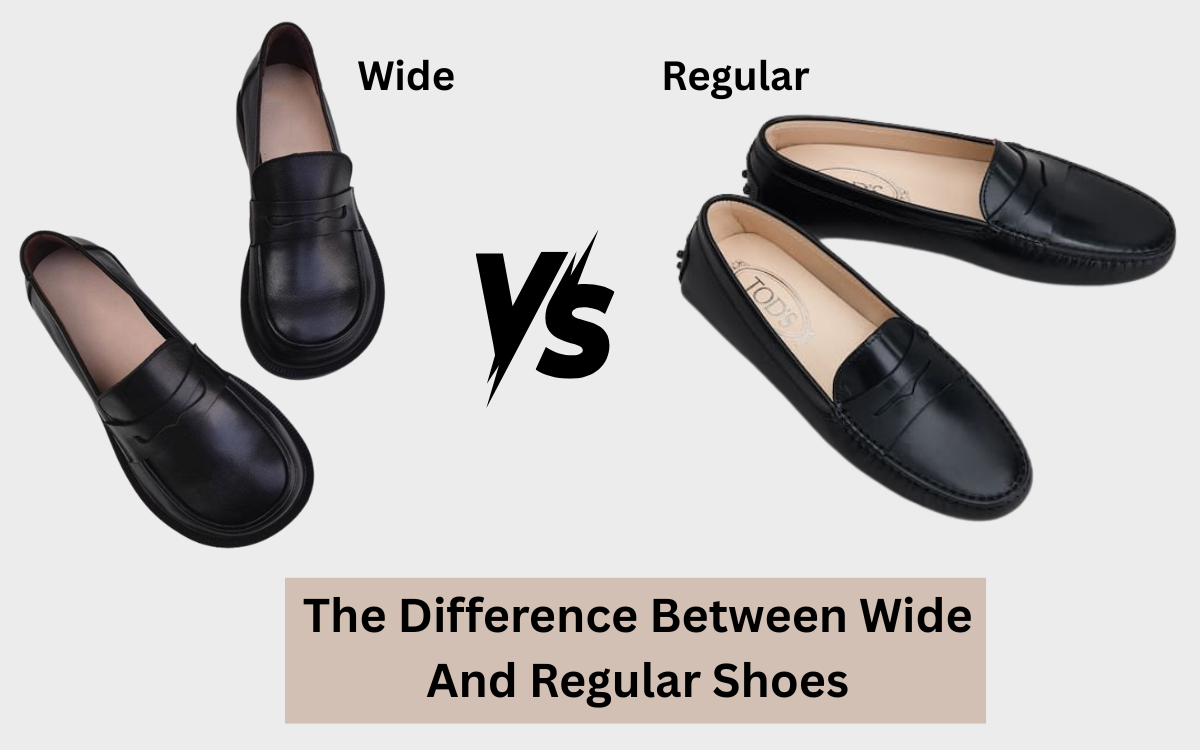
The key difference is the space around the leg, not the basic foot size. The table below shows how the two options usually compare.
| Feature | Regular-calf boots | Wide-calf boots |
|---|---|---|
| Calf room | Standard for the brand | More room than the regular version |
| Shaft opening | Smaller or closer | Larger or more generous |
| Foot size | Based on the same size system | Often the same foot size range |
| Leg fit | Closer and more shaped | Roomier and more flexible |
| Best for | Standard calf measurements | Larger calves, fuller legs, or added layers |
| Common details | Firm shaft, simple zipper | Stretch panels, elastic, buckles, or laces |
| Main risk | May pinch or not zip | May feel loose or wrinkle |
A wide-calf boot is not always wider through the foot. If the boot feels tight across your toes or the ball of your foot, you may need a wide foot width, not a wide calf.
This difference matters because a boot can have:
- A regular calf with a wide foot
- A wide calf with a regular foot
- A wide calf and a wide foot
- A regular calf and a narrow foot
Always check both measurements.


How to Measure Your Calf for Boots
Measure your calf before you choose between regular and wide-calf boots. A soft tape measure gives the best result.
What you need
Use:
- A soft measuring tape
- The socks, tights, or pants you plan to wear
- A chair or mirror, if needed
- A pen and paper or your phone
Measurement steps
-
Put on your normal boot socks or clothing.
Thick jeans can change the fit. -
Stand in a natural position.
Do not flex your calf or pull your leg tight. -
Find the widest part of your calf.
This point may be lower than the fullest part of your leg. -
Wrap the tape around the calf.
Keep it level with the floor. Do not pull it tight. -
Record the measurement in inches.
Measure both legs if they are not the same size. -
Use the larger measurement.
The larger calf usually determines the needed boot size.
A useful example: If your larger calf measures 16 inches while wearing jeans, look for a boot with a calf measurement greater than 16 inches. The extra space should match your comfort needs and the boot design.
Do not measure only at the knee. A boot may fit at the top but feel tight in the middle of the shaft.
Calf measurement is not the same as shaft measurement
Some brands measure the shaft at a set point. Others list the opening at the top. The listed number may not match the exact place where your calf is widest.
For this reason, compare:
- Your calf measurement
- The brand’s stated calf measurement
- The boot’s shaft height
- The location of the zipper or stretch panel
If the product page does not explain where the measurement was taken, contact the seller before ordering.
How Much Extra Room Should a Boot Have?
A boot should hold your leg without squeezing it. It should also stay in place without creating a large gap.
The best amount of room depends on the boot material and how you plan to wear it.


For leather boots
Leather may soften with use, but it does not always stretch enough to solve a major sizing problem. Do not buy a boot that is clearly too tight and expect normal wear to fix it.
A small amount of snugness may ease over time. Pain, numbness, deep marks, or a zipper that will not close are signs that the calf is too small.
For stretch boots
Stretch panels can provide a more flexible fit. They work well when your calf measurement falls near the upper end of a size range.
Stretch material should not be under constant strain. If the panel is fully stretched while you stand still, it may pull more when you sit, walk, or wear thicker clothing.
For boots with adjustable closures
Laces, buckles, and gussets let you change the fit. These styles may work well if your calf size changes during the day or across seasons.
Even adjustable boots need enough base room. A closure can fine-tune the fit, but it cannot always add several inches of space.
A practical fit rule
Choose a boot that:
- Closes without force
- Does not pinch or cause pain
- Allows normal movement
- Does not slide heavily down the leg
- Leaves room for your planned socks or pants
- Feels comfortable after several minutes of walking
Are Wide-Calf Boots Wider in the Foot?
Usually, no. “Wide calf” describes the leg area of the boot. It does not automatically mean a wide toe box or wide footbed.
If the calf fits but the foot feels cramped, check for:
- US foot width labels such as B, D, or wider options
- A round or square toe
- The shoe’s instep height
- The listed footbed width
- Removable insoles
- A different boot last
The term wide can cause confusion because brands use it for both foot width and calf width. Look for the exact wording:
- “Wide width” usually refers to the foot.
- “Wide calf” refers to the shaft.
- “Extra-wide calf” provides more room around the lower leg.
- “Extended calf” may mean a larger range, but the exact measurement must be checked.
A wide-calf boot with a narrow toe can still feel uncomfortable. A wide-foot boot with a regular calf can still fail to zip.
How to Choose Between Regular and Wide-Calf Boots
Use your measurement and the boot’s design instead of relying only on labels.
Choose regular-calf boots when:
- Your calf fits within the brand’s regular measurement
- You prefer a close shaft
- You plan to wear thin socks or tights
- The boot closes without pressure
- You do not need room for tucked-in pants
Choose wide-calf boots when:
- A regular boot will not zip over your calf
- The regular shaft leaves deep marks
- You wear jeans or leggings inside the boot
- You need room for thicker socks
- Your calf is close to or above the regular measurement
- You prefer a relaxed shaft fit
Consider adjustable boots when:
- Your calf measurement changes
- You switch between skirts and jeans
- You have one calf larger than the other
- You want to fine-tune the fit
- You need flexibility around the top of the boot
Do not choose a wide-calf boot only because the label sounds more comfortable. If the shaft is too loose, it may slide down, wrinkle, or rub your leg.
Common Wide-Calf Boot Fit Problems
Most fit problems come from confusing calf size with foot size or from using a generic measurement.
The boot will not zip
Possible causes include:


- The calf measurement is too small
- The zipper stops below the widest point
- Your pants add more bulk than expected
- The boot opening is smaller than the listed calf size
- The two legs have different measurements
Try measuring with the clothing you plan to wear. If the boot still does not close, choose a larger calf range rather than forcing the zipper.
The boot fits at the top but pinches lower down
The shaft may taper in the wrong place for your leg shape. A larger top opening will not always fix a tight area in the middle.
Look for a roomier shaft, a stretch panel that runs lower, or a less tapered design.
The boot slides down
This often means the shaft is too large, too smooth, or not shaped for your leg. It can also happen when the boot lacks support at the ankle.
Try a closer fit, an adjustable style, or a boot with a shaped ankle. Do not add bulky padding if it causes pressure or changes your walking pattern.
The zipper feels tight
A zipper under constant strain may fail sooner. It can also press into your leg.
A zipper should close without pulling hard. If you must lie down, force the slider, or ask another person to pull it, the boot is likely too small.
The boot fits one leg but not the other
This is common. Use the larger calf as your main measurement. Adjustable boots or stretch panels may help when the difference is small.
If one leg has sudden swelling, pain, redness, warmth, or major size change, do not treat the issue as a boot-sizing problem. Seek medical advice promptly, especially if symptoms are sudden or severe.
Can a Regular Boot Be Stretched Into a Wide-Calf Boot?
Usually, not by enough to fix a large size gap. A shoe repair professional may be able to stretch some leather, but the result depends on:
- The leather type
- The boot construction
- The zipper placement
- The amount of extra room needed
- The presence of lining, stitching, or elastic
Stretching may help with mild tightness. It is not a reliable way to turn a regular shaft into an extra-wide shaft.
Do not soak boots, heat them aggressively, or use improvised stretching tools. These methods can damage leather, glue, zippers, and finishes.
If a boot is expensive or has sentimental value, ask a qualified shoe repair professional whether calf alteration is practical before attempting it.
Do Wide-Calf Boots Look Different From Regular Boots?
They can, but not always. Many wide-calf boots use the same outer design as regular boots. The extra room may come from a hidden pattern change, elastic panel, or larger shaft.
Other designs show the difference through:


- A visible stretch panel
- A wider back section
- Extra buckles
- Lacing
- A fuller shaft shape
A close-fitting regular boot may create a slim line. A wide-calf boot may look softer or more relaxed around the leg. Neither look is automatically better. The best shape is the one that fits without pain, strain, or excess movement.
Boot height also affects appearance and fit. Knee-high boots cover more of the calf, while mid-calf boots may stop near the widest part of the leg. Measure the boot height as well as the circumference.
Wide Calf vs. Regular Boots: Quick Decision Guide
Use this short guide before ordering:
- Measure the widest part of both calves.
- Wear the socks or pants you plan to use.
- Read the brand’s calf chart.
- Compare your larger measurement with the listed boot measurement.
- Check whether the measurement is at the top or another point.
- Confirm the foot width separately.
- Review the return policy before purchase.
- Try the boots indoors on a clean surface.
- Walk, sit, and bend your knee.
- Return the boots if they cause pain or cannot close without force.
A boot is a poor fit if it leaves strong marks, causes numbness, restricts movement, or changes how you walk.
Frequently Asked Questions
Is a wide-calf boot the same as an extra-wide boot?
No. A wide-calf boot offers more room than that brand’s regular calf. An extra-wide or extended-calf boot usually offers even more room. These labels are not standardized, so compare the actual measurements.
Can I wear wide-calf boots if I have slim calves?
Yes, but the shaft may feel loose or slide down. Choose a style with an adjustable strap, laces, elastic, or a shaped ankle for better control.
Should I size up if my calves are wide?
Not always. Sizing up changes the foot length and may make the boot too loose at the heel. Look for a wide-calf option in your normal foot size first.
How should knee-high boots fit around the calf?
They should close without force and sit securely without squeezing. You should be able to walk and bend your knee normally. A small amount of room is useful if you wear pants or thick socks.
Do wide-calf boots fit people with swollen legs?
They may provide more room, but they are not a treatment for swelling. If swelling is new, one-sided, painful, red, warm, or sudden, seek medical care instead of relying on a larger boot.
Final Answer: Which Boot Should You Choose?
The difference between wide-calf and regular boots is the amount of space around the lower leg. Regular boots use a standard calf fit for the brand. Wide-calf boots provide a larger shaft opening or added stretch.
Measure both calves in the clothing you plan to wear. Then compare the larger measurement with the brand’s calf chart. Keep foot width separate from calf width, and choose adjustable features when your leg shape or clothing needs change.
If the boot closes with force or causes pain, it is not the right fit. A properly fitted boot should feel secure, allow normal movement, and leave enough room for the way you plan to wear it.

Madison Clark is a footwear expert and the voice behind MyStyleGrid.com. She specializes in honest shoe reviews, style tips, and practical guides to help readers find the perfect pair for any occasion. With years of experience in blogging and content creation, Madison makes footwear knowledge simple, stylish, and easy to follow.