To learn how to buy boots for women, measure your feet, match the boot to your needs, and test comfort.
Knowing how to buy boots for women means looking beyond color and trends. A good pair must fit your foot, suit your lifestyle, support your movement, and work with the clothes you already wear. This guide explains the key choices, from boot type and materials to sizing, calf fit, weather use, and online shopping, so you can buy with confidence and avoid costly mistakes.
Start With the Purpose of the Boots
The best way to learn how to buy boots for women is to begin with the job the boots must do. A sleek ankle boot may work well for an office, while a waterproof hiking boot is better for trails, rain, and rough ground. Fashion boots and work boots can look similar, but they often have very different levels of support and protection.
Think about where and when you will wear the boots. Your answer will guide almost every other choice, including the sole, heel, lining, and upper material.
Ask yourself:
• Will I wear them for work, travel, walking, hiking, or casual use?
• Do I need protection from rain, snow, mud, or cold?
• Will I stand or walk for several hours?
• Do I need a wide toe box or extra arch support?
• Will I wear thick socks with them?
A simple example is travel. A tall, stiff boot may look stylish, but it can become tiring during a day of walking through a city. A low heel, flexible sole, and cushioned footbed may serve you much better.
Choose the Right Type of Women’s Boot
Boot styles have different designs and uses. Understanding them makes it easier to compare products and avoid buying a pair that looks right but feels wrong.
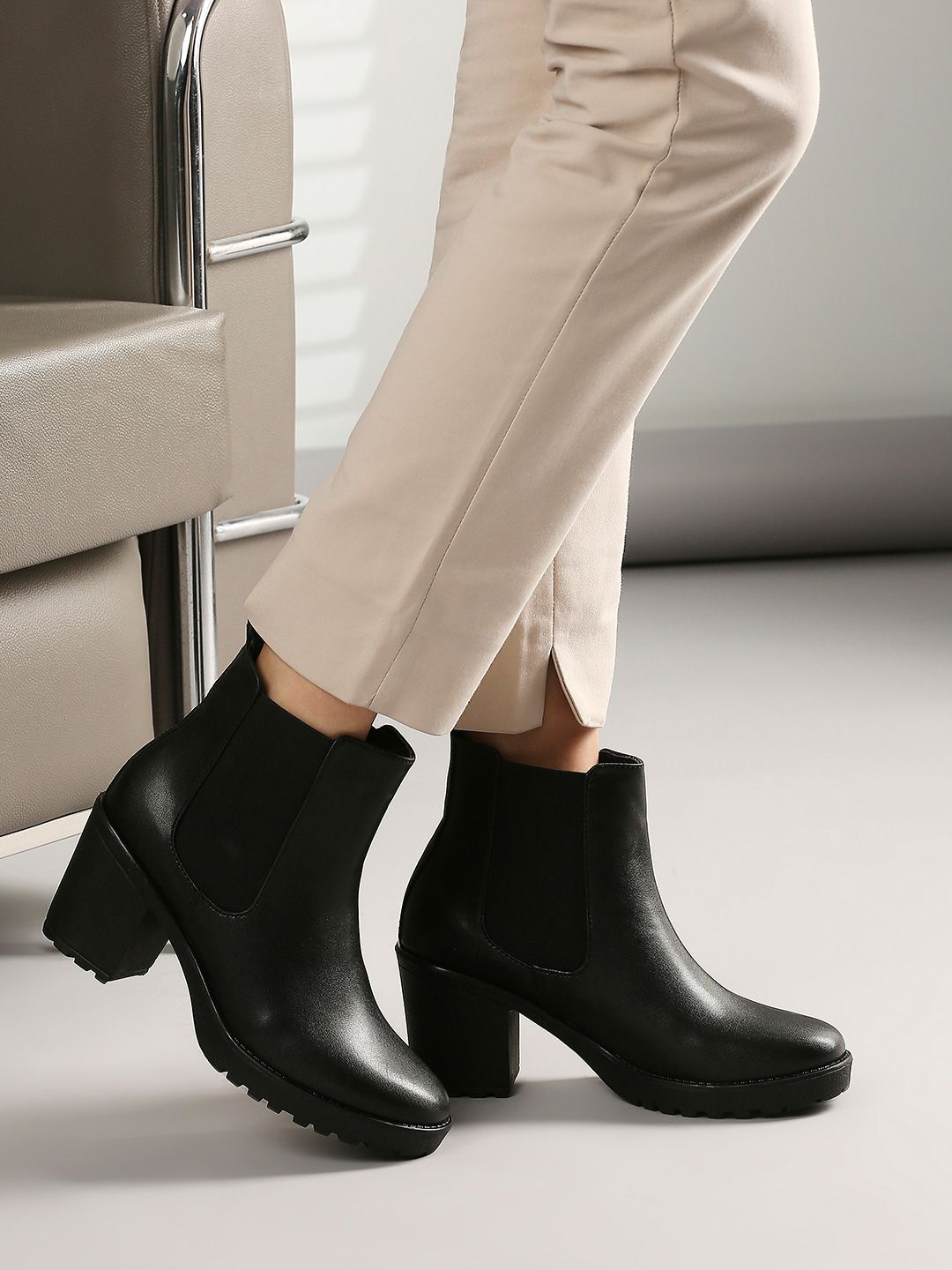
Ankle boots
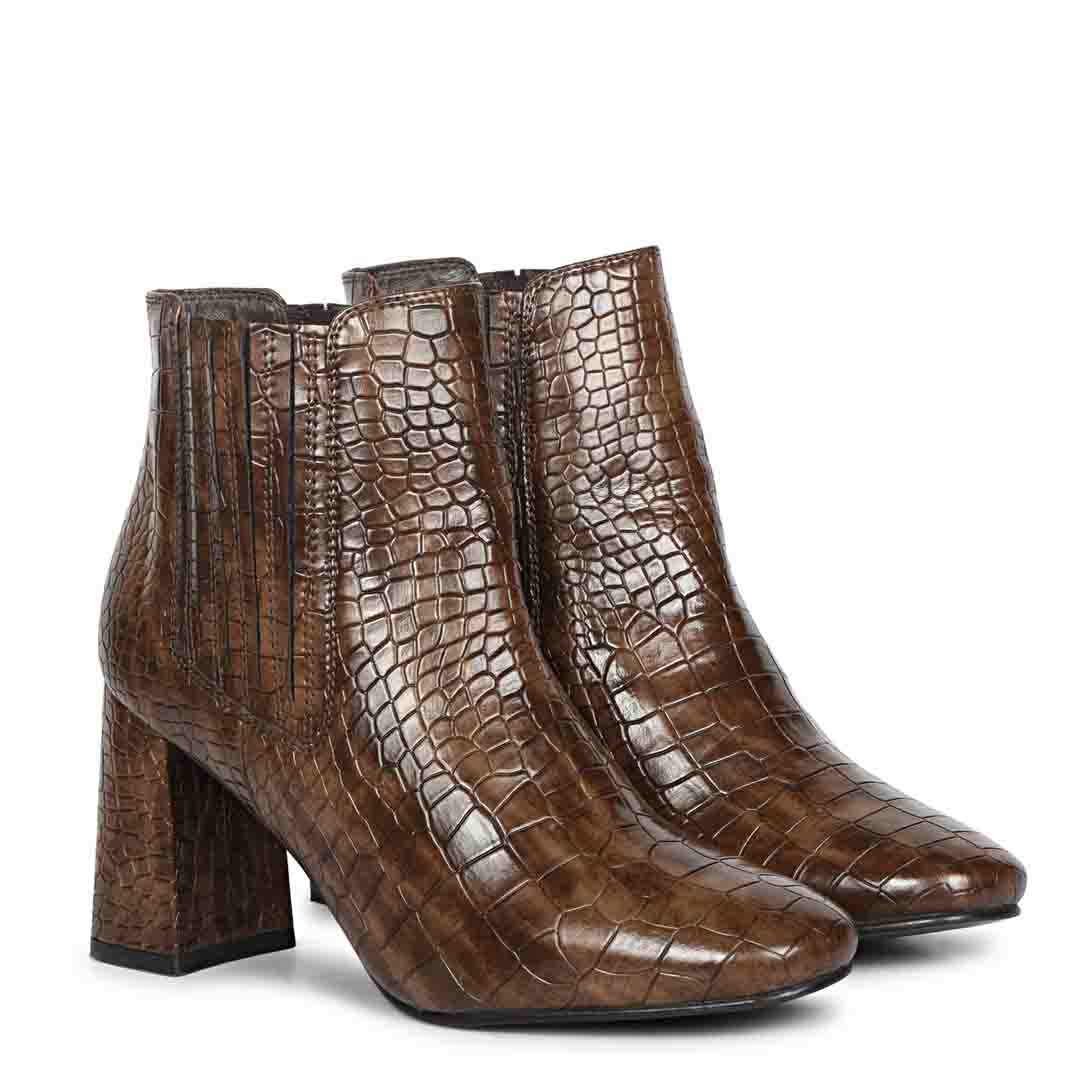
Ankle boots end near the ankle bone. They are among the most useful choices because they work with jeans, trousers, skirts, and dresses. Chelsea boots, lace up boots, side zip boots, and Western inspired ankle boots all fit into this broad group.
Choose ankle boots for daily wear, office outfits, travel, and mild weather. Look for a stable sole and enough room around the ankle to prevent rubbing.
Knee high boots
Knee high boots cover much of the lower leg. They offer more warmth and can add support in cool weather. Some have a close, sleek fit, while others allow room for jeans or leggings underneath.
Measure your calf if you buy online. A boot that fits your foot but presses against your calf will not feel comfortable for long.
Over the knee boots
Over the knee boots extend above the knee. They can be flat, heeled, fitted, or loose. Since they cover more of the leg, check whether the upper band stays in place without pinching.
These boots are often chosen for fashion rather than hard outdoor use. Check the material and sole carefully before wearing them in wet or icy weather.
Riding boots
Riding boots usually have a low heel, a tall shaft, and a firm structure. They suit casual outfits and can provide good stability. However, some fashion riding boots are not made for horse riding or heavy outdoor work.
Do not assume a riding style boot has riding level protection. Check the sole, stitching, and safety features.
Hiking boots
Hiking boots are built for uneven ground. They often have deeper tread, stronger toe protection, ankle support, and water resistant materials. Some are flexible for light trails, while others are stiff for rocky terrain and heavy loads.
Choose hiking boots based on the trail, climate, pack weight, and distance. A heavy boot can feel secure, but it may be unnecessary for short walks on smooth paths.
Snow and winter boots
Winter boots need insulation, traction, and protection from moisture. Look for a waterproof membrane or sealed construction, a warm lining, and a rubber sole with deep tread.
A very warm boot may feel too hot for mild winters. Think about your local weather rather than buying the most insulated model available.
Rain boots
Rain boots protect against water but may not provide much cushioning or breathability. Some rubber boots also have little arch support. If you plan to walk far, add a supportive insole or choose a rain boot designed for extended wear.

Measure Your Feet Before You Shop
Foot size can change over time. Pregnancy, age, injury, weight changes, and daily swelling may affect length or width. This is why measuring your feet is one of the most important steps in how to buy boots for women.
Measure both feet at the end of the day. Feet often swell after hours of standing and walking. Wear the socks you expect to use with the boots.
Follow these steps:
-
Place a sheet of paper on a hard floor.
-
Stand on the paper with your full weight on both feet.
-
Trace around each foot or mark the heel and longest toe.
-
Measure the length and width of both outlines.
-
Use the larger foot when checking the brand’s size chart.
Do not rely on a size number alone. A size 8 in one brand may fit like a size 7.5 or 8.5 in another. Shape matters too. One boot may suit a narrow heel and another may suit a wider forefoot.
Your longest toe should not touch the front of the boot. A small amount of space is helpful, especially in walking or winter boots. Your heel should stay mostly in place, but a little movement can occur in new boots before the materials soften.

Check the Fit in Five Important Areas
A good fit should feel secure without feeling tight. Boots should support your foot like a well-made seat supports your body. They should not force your toes, squeeze your calf, or create pressure points.
Toe room
Your toes should be able to move slightly. They should not press against the front, top, or sides of the boot. This matters even more in hiking and winter boots, where swollen feet and thick socks can reduce space.
Width
The widest part of your foot should sit comfortably inside the widest part of the boot. If the leather or fabric bulges sharply at the sides, the boot may be too narrow.
Do not expect every material to stretch enough to fix a poor fit. Leather may soften, but it will not always become wider in the right place.
Heel hold
Your heel should not lift heavily with each step. Excess movement can cause blisters and make walking tiring. Try lacing the boot in different ways or use a heel grip only if the rest of the fit is already good.
Ankle comfort
Walk, bend, and climb a few steps if possible. Check for rubbing around the ankle bones. A stiff collar may need time to soften, but sharp pressure is a warning sign.
Calf and shaft fit
For tall boots, measure the fullest part of your calf. Compare that number with the boot’s shaft measurement. Remember that thick pants, leggings, or socks can take up extra room.

Pick Materials That Match Your Lifestyle
The upper material affects comfort, care, price, and durability. There is no single best material for every woman or every climate.
Leather
Leather is durable, breathable, and often becomes more comfortable with wear. It can last for years when cleaned and conditioned correctly. However, untreated leather may absorb water, and high quality leather boots can cost more.
Look for even stitching, smooth edges, and a firm but flexible upper. Avoid a boot that feels rigid in areas where your foot must bend.
Suede
Suede has a soft texture and a relaxed look. It works well for dry conditions but can stain or absorb water more easily than smooth leather. Use a suede protector and brush away dirt with the right tool.
Synthetic materials
Synthetic leather and textile uppers can cost less and may resist water well. They can also feel lighter. Their breathability and long term durability vary by product, so check customer reviews and care instructions.
Rubber
Rubber is useful for rain and wet ground. It is easy to clean and highly water resistant. Yet rubber boots may feel less breathable and less flexible than leather or fabric boots.
Waterproof membranes
A waterproof membrane can block water while allowing some moisture vapor to escape. It does not mean your feet will always stay dry. Water can enter through an open shaft, poor seams, or a soaked sock, and sweat can still build up inside.
Examine the Sole, Heel, and Support
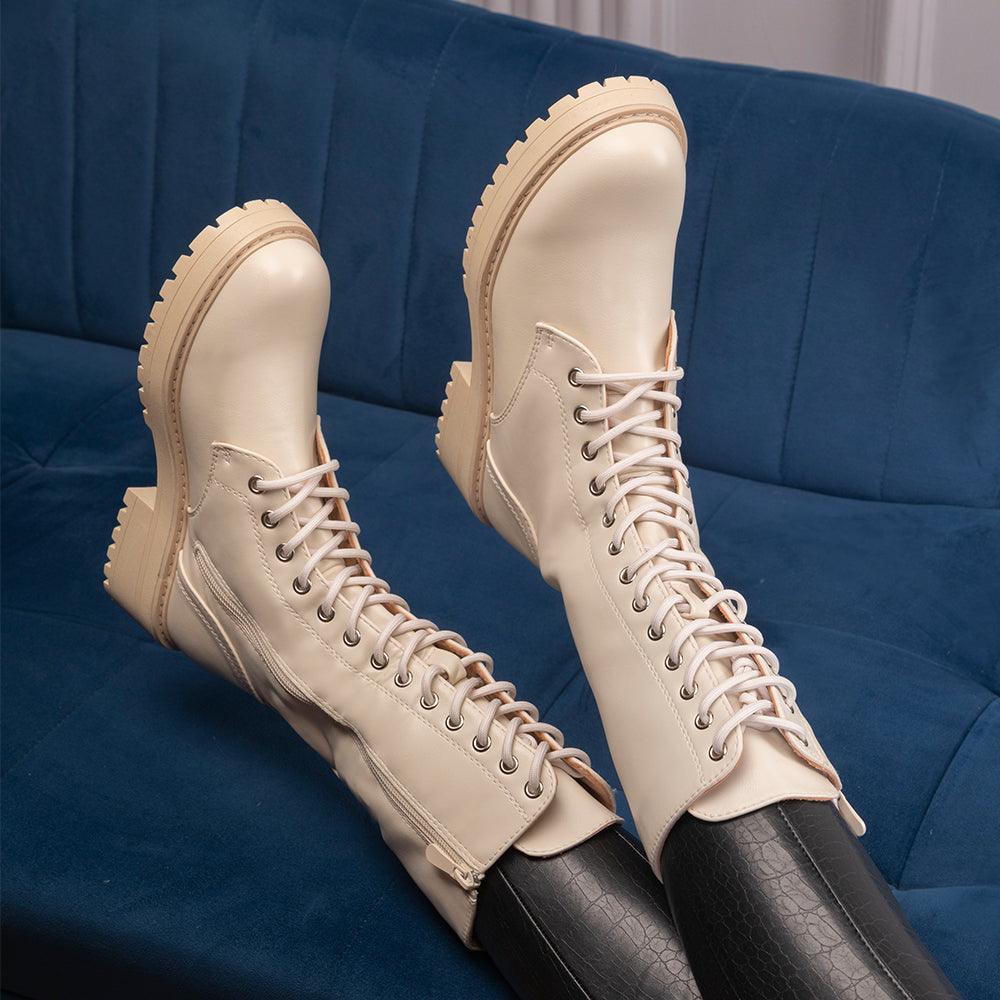
Many shoppers focus on the upper and forget the bottom of the boot. Yet the sole affects grip, comfort, balance, and safety.
Look for a sole that matches the surface where you will walk. A smooth sole may suit indoor use but can slip on wet pavement. A deep lug sole offers better traction on dirt, snow, and uneven ground, although it may feel heavy on smooth floors.
Consider these features:
• A cushioned footbed for long days
• A firm heel counter to help hold the heel
• A flexible forefoot for normal walking
• A stable heel base
• Tread that suits rain, snow, or trails
• Removable insoles if you use orthotics
Heel height also matters. A higher heel shifts more pressure toward the front of the foot and may reduce stability. If you want height for daily wear, a lower block heel is often easier to walk in than a narrow stiletto heel.
A podiatric care principle is simple: comfort should not require a long break in period. Some boots soften with use, but severe pain, numbness, or pressure is not normal. If you have diabetes, reduced sensation, arthritis, or a foot condition, ask a qualified health professional about suitable footwear.
Use the Right Size and Socks
Socks can change the fit as much as half a size. Try boots with the socks you plan to wear most often. Thin dress socks may work with office boots, while wool or thermal socks need more space.
Do not buy a larger boot just to create extra width. A long boot can make your foot slide forward and cause blisters. Instead, look for a wide version, a different last shape, or a model with adjustable laces.
When testing boots, use this routine:
-
Put on both boots.
-
Stand for a minute.
-
Walk on a firm surface.
-
Bend your knees and climb stairs.
-
Check your toes after several minutes.
-
Remove the boots and inspect any red areas.