Introduction
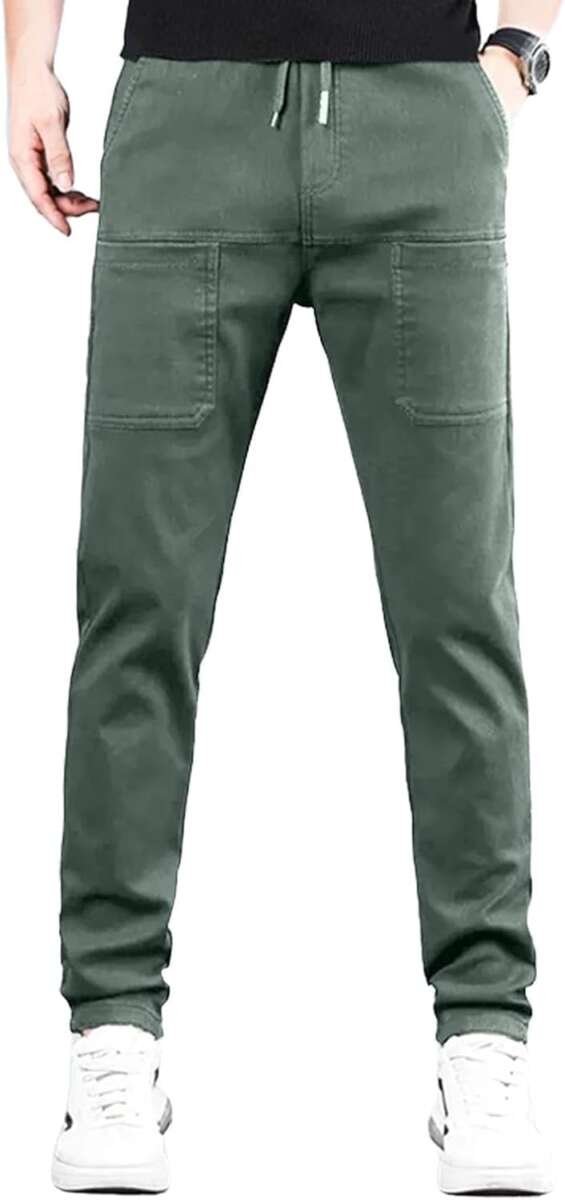
In the United States, cargo pants are worn to carry small items, support active work, and add a relaxed style to an outfit. Their key feature is the extra pocket, often placed on the outer thigh with a flap or zipper.
Cargo pants can work well for hiking, travel, yard work, building jobs, outdoor events, and daily wear. They are not the same as protective workwear, however. A pocket can hold tools, but it does not protect the wearer from heat, sharp edges, chemicals, or heavy impact.

What Are Cargo Pants?
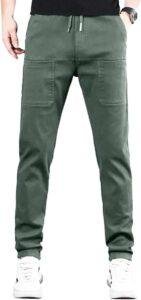
Cargo pants are trousers with one or more large pockets sewn onto the legs. These pockets sit outside the main hand pockets. Many have flaps, snaps, zippers, or hook-and-loop closures to help keep items inside.
The main purpose is simple: cargo pants give you more storage than standard pants.
A typical pair may include:
- Two front hand pockets
- Two back pockets
- One or two large thigh pockets
- Small inner sections for phones, pens, or tools
- Adjustable hems or waist tabs on some designs
- Extra stitching at stress points on work or outdoor models
The word “cargo” refers to the load the pants can carry. It does not mean that the pants are made only for shipping workers or military use.
Cargo pants vs. cargo shorts
Cargo shorts use the same pocket idea but stop above the knee. They can feel cooler in warm weather, but the large pockets may swing or pull down when full.
Long cargo pants offer more coverage. They may be a better choice for brush, sun, cold air, or work around rough surfaces.
Cargo pants vs. tactical pants
Tactical pants are built for active use. They may have stronger fabric, tool loops, knee sections, stretch panels, or pockets made for specific gear.
Cargo pants are a wider fashion and utility category. Some are rugged. Others are made from light cotton or soft blends and are meant mainly for casual wear.
A pair of cargo pants is not automatically tactical clothing, workwear, or protective equipment.

What Are Cargo Pants Used For?
Cargo pants are used when you want extra storage, easy movement, or more coverage than ordinary jeans or chinos provide. The best use depends on the fabric, cut, pocket design, and the weight of the items you carry.
1. Outdoor work
Cargo pants can help with jobs such as:


- Gardening
- Landscaping
- Home repairs
- Painting
- Light construction
- Property care
- Moving small tools around a work site
The thigh pockets can hold a tape measure, gloves, screws, a phone, or a small notebook. This can reduce trips back to a toolbox.
For demanding work, check the fabric and seams. Light fashion cargo pants may tear faster than canvas or ripstop work pants. They also may not have the protection required for a job with sparks, chemicals, or moving machinery.
2. Hiking and camping
Cargo pants are useful on easy hikes and camping trips because they keep small items close at hand. You might carry:
- A map
- Lip balm
- A small snack
- A phone
- A trail permit
- A pocket knife, where legal and appropriate
– A small flashlight
They are less useful when the pockets become heavy. Weight on the thighs can make the pants sag and may affect your stride.
For serious hiking, many people prefer a backpack or hip pack. Those options spread the load more evenly and keep the legs free.
3. Travel
Cargo pants can be convenient during travel. The pockets may hold a passport, boarding pass, phone, earbuds, or travel documents.
Still, large pockets are not a secure storage system. Items can fall out when you sit, bend, or remove the pants. Crowded places also call for care. Keep important documents and money in a secure, closed pocket or travel pouch.
Cargo pants can also create problems at airport security if the pockets contain many metal objects. Emptying every pocket before screening saves time.
4. Outdoor events and recreation
Cargo pants suit activities such as:
- Fishing
- Photography
- Festivals
- Yard games
- Road trips
- Dog walking
- Outdoor volunteering
- Casual cycling at low speed
They give you room for small items without the need for a bag. For cycling, climbing, or fast sports, loose pockets can catch or bounce. A fitted pocket or small pack may be safer.
5. Casual everyday clothing
Many people wear cargo pants simply because they like the look and feel. They pair well with:
- T-shirts
- Sweatshirts
- Flannel shirts
- Denim jackets
- Sneakers
- Work boots
- Casual leather shoes
Modern cargo pants come in slim, straight, relaxed, and wide cuts. Some have only a small pocket detail. Others have large pockets that create a bold streetwear look.
The practical value may be small in daily wear, but the extra storage can still help.
6. Costumes and themed outfits
Cargo pants are often used in costumes based on outdoor, military, utility, or adventure themes. The clothing may suggest a role, but it does not provide the real protection or function of professional gear.
Do not assume costume cargo pants can handle work, hiking, or harsh weather.


How Do Cargo Pockets Work?
Cargo pockets add storage by placing fabric volume outside the main leg. This lets a pocket hold more than a flat jeans pocket.
A pocket may close with:
- A button
- A snap
- A zipper
- Hook-and-loop tape
- An open fold-over flap
Each style has a trade-off.
| Pocket closure | Main benefit | Main drawback |
|---|---|---|
| Open pocket | Fast access | Items can fall out |
| Button flap | Simple and durable | Slower to open |
| Snap flap | Quick access | Can open under force |
| Zipper | Strong security | Less convenient |
| Hook-and-loop | Easy with gloves | Can collect lint and make noise |
Pocket placement also matters. A thigh pocket is easy to reach while standing. It may be less comfortable when sitting in a car or chair.
Large cargo pockets can hold more than a phone, but that does not mean they should. Heavy objects can pull on the waistband and place stress on the seams.
What should you carry in cargo pockets?
Good choices are light, flat, and easy to replace:
- Tissues
- Gloves
- A small notebook
- A phone
- A snack bar
- Sunglasses in a case
- Small personal tools
Use care with:
- Keys
- Large metal tools
- Glass items
- Sharp objects
- Hot objects
- Liquids
- Batteries
- Valuable documents
Keep sharp items closed and pointed away from your body. Do not place loose objects in a pocket if they could injure you during a fall.

How to Choose Cargo Pants for Your Needs
Choose cargo pants by starting with the activity, not the pocket count. A pair for summer errands will have different needs from a pair for trail work or a cold-weather job.
For casual wear
Look for:
- A comfortable cotton or cotton-blend fabric
- A clean pocket shape
- A fit that does not bunch at the knee
- A rise that stays secure when sitting
- Pocket closures that match your style
Slim cargo pants can look closer to chinos. Relaxed cargo pants give more room for movement.
For hiking and outdoor use
Look for:
- Lightweight fabric
- Stretch for climbing steps and hills
- Quick-drying material
- Secure pocket closures
- Reinforced seams
- A gusseted crotch, if you need a wide range of motion
“Quick-drying” does not mean waterproof. If rain protection matters, use rain pants or another garment designed for wet weather.


For work
Look for:
- Strong fabric, such as canvas or ripstop
- Bar-tacked stress points
- Wide belt loops
- Tool pockets that match your tools
- A waistband that stays in place
- A fit that allows bending and kneeling
Check your employer’s clothing rules. Some jobs require flame-resistant clothing, high-visibility clothing, protective footwear, or other personal protective equipment. Ordinary cargo pants do not replace those items. The Occupational Safety and Health Administration provides general guidance on workplace personal protective equipment.
For hot weather
Look for:
- Lightweight fabric
- Breathable construction
- A relaxed fit
- A lighter color
- Fewer layers around the waist
Thick cargo pants can feel hot even when the legs have a loose cut.
For cold weather
Look for:
- A roomier cut for base layers
- Dense fabric
- An adjustable hem
- Space for movement
- A pocket design that works with gloves
Insulated cargo pants can be warm, but they may feel bulky. In very cold conditions, a layered system often gives better control than one thick pair of pants.

How Should Cargo Pants Fit?
Cargo pants should fit securely at the waist and allow free movement at the hips, knees, and seat. The pockets should lie flat when empty and should not pull sharply when filled with light items.
Check the fit by doing four simple movements:
- Sit in a chair.
- Bend down.
- Walk up a step.
- Raise one knee.
The waistband should not pinch. The fabric should not pull across the seat. The pocket openings should not gape. The hem should not catch under your shoes.
Avoid sizing up only to gain larger pockets. Oversized pants can drag, twist, and make pockets harder to reach. If you need more storage, choose a better pocket layout or carry a small bag.
Pocket placement and comfort
A thigh pocket works best when it sits on the outer leg rather than directly over the knee. A pocket placed too low can hit the knee during movement.
Test the pants with the items you expect to carry. An empty pair may feel fine, while a full pair may pull to one side.
How many cargo pockets do you need?
Most people need fewer pockets than they think. One or two useful pockets may be enough for daily wear.
More pockets can add:


- Extra weight
- More bulk
- More seams to wear
- A busier look
- More places to lose small items
Choose function over pocket count.

How to Wear Cargo Pants in the United States
Cargo pants are easiest to style when the rest of the outfit stays simple. Let the pants provide the utility or visual focus.
For a casual outfit, try straight-leg cargo pants with a plain T-shirt and low-profile sneakers. For cooler weather, add a sweatshirt or denim jacket.
For a work-inspired outfit, wear canvas cargo pants with sturdy boots and a simple overshirt. Make sure the clothing meets the demands of the job rather than using style as a substitute for protection.
Color changes the overall effect:
- Olive and brown look outdoorsy.
- Black looks sharper and more urban.
- Navy can look closer to workwear.
- Khaki can resemble chinos.
- Gray offers a neutral middle ground.
Avoid filling every pocket. Empty pockets usually create a cleaner shape and make the pants more comfortable.

Common Problems With Cargo Pants
Cargo pants are useful, but they are not ideal for every situation.
They can become heavy
Several tools, coins, keys, and a phone can add more weight than expected. This can stretch the waistband and cause the pants to sag.
Fix: Carry heavy items in a bag, tool belt, or backpack.
They can feel bulky while sitting
Full thigh pockets may press into the leg or become uncomfortable in a car seat.
Fix: Move items to a secure bag before driving. Keep pockets clear of hard objects near the body.
They can restrict movement
A tight cut, stiff fabric, or low pocket may pull when you squat or climb.
Fix: Test the pants in the movements required for your activity. Look for stretch or a gusseted design when needed.
They can wear out at the pocket
Cargo pockets receive extra stress. Repeated pulling, overloading, and washing can weaken the stitching.
Fix: Do not overload the pockets. Follow the care label. Repair loose stitching before the tear grows.
They do not provide full protection
Cargo pants may cover the legs, but coverage is not the same as safety protection. They do not automatically protect against fire, chemicals, electrical hazards, cuts, or impact.
Fix: Use clothing and equipment rated for the hazard. Follow workplace instructions and manufacturer guidance.

Key Takeaways
- Cargo pants are mainly for carrying small items and allowing easy access.
- They work well for casual wear, travel, light outdoor work, hiking, and recreation.
- Pocket design matters more than pocket count.
- Heavy items belong in a backpack, tool belt, or other load-carrying system.
- Cargo pants are not automatically protective workwear.
- The right fit should allow sitting, bending, walking, and climbing without pulling.
- Choose fabric and features based on the activity, weather, and safety needs.
FAQs About Cargo Pants
Are cargo pants still practical?
Yes. They remain practical when you need light storage and quick access to small items. They are less practical when the pockets become heavy or bulky.
Are cargo pants good for hiking?
They can be good for short hikes, easy trails, and day trips. For long or steep hikes, a backpack or hip pack often carries weight more comfortably.
Can cargo pants be worn to work?
Yes, if the workplace allows them and the pants meet the job’s clothing needs. They may not meet rules for flame resistance, high visibility, chemical protection, or other hazards.
Why do cargo pants have large side pockets?
The large side pockets provide extra storage without making the front pockets too crowded. Their position also makes them reachable while standing or moving.
Should cargo pants be tight or loose?
They should be comfortable and secure, with enough room to bend and walk. A very tight fit can limit movement, while an overly loose fit can catch, sag, or feel bulky.
What is the best fabric for cargo pants?
There is no single best fabric. Cotton can feel comfortable, canvas can offer toughness, ripstop can help limit tears, and synthetic blends may dry faster. Choose based on weather, work, comfort, and care needs.
Conclusion
Cargo pants are for carrying small items while giving you comfortable movement and leg coverage. They are useful for everyday errands, outdoor activities, travel, light work, and casual style.
The best pair is not the one with the most pockets. It is the pair that fits well, matches your activity, and carries only what you need. For hazardous work, use properly rated protective clothing instead of relying on ordinary cargo pants.

Rubel Miah is the Senior Editor at MyStyleGrid.com, where he brings a sharp editorial eye and an unshakable love for fashion to everything he does. A true style addict, Rubel lives and breathes trends, from streetwear to high fashion, and has a knack for turning inspiration into impactful stories. With years of experience in fashion journalism and digital media, he curates content that empowers readers to express themselves through style. When he’s not editing features or forecasting the next big thing, you’ll find him hunting down vintage pieces or capturing street style moments around the city.