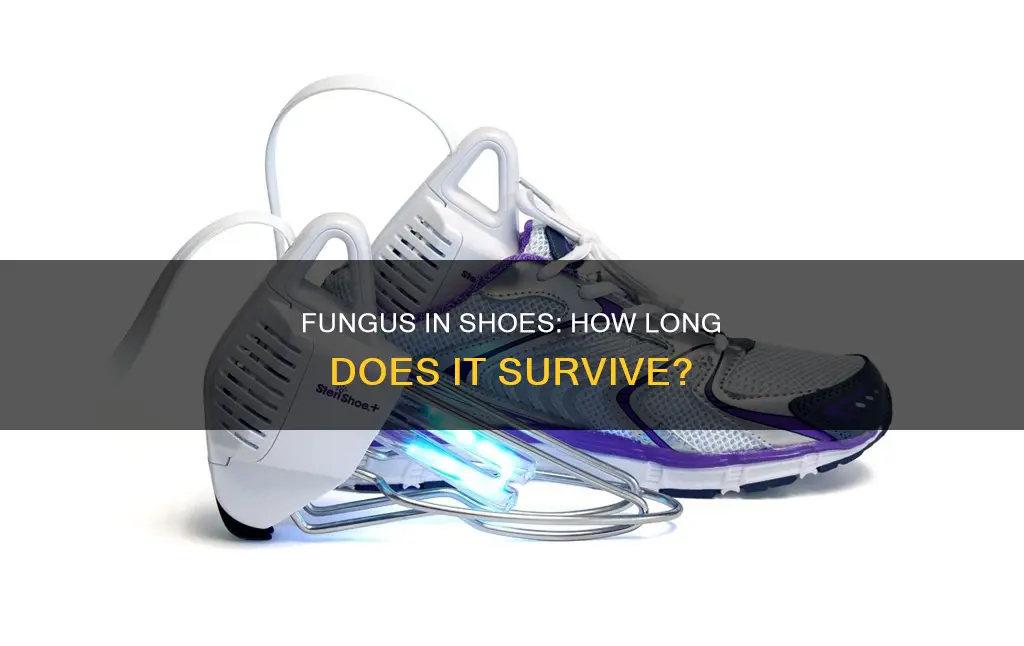
Fungus can live in shoes for days, weeks, or even months, depending on the type of fungus and the shoe’s conditions. Warm, damp, dark shoes give fungal spores a better chance to survive. Dry, clean, well-ventilated shoes are less likely to support them.
For people in the United States, this matters most with athlete’s foot, toenail fungus, and ringworm of the foot. A shoe can re-expose your skin after treatment if it still holds infected skin flakes or fungal material. However, there is no single, proven “expiration date” for fungus inside every shoe.
The safest approach is to treat the feet, clean or replace footwear when needed, and keep shoes dry between uses.
How long can fungus survive in shoes?
Fungus may remain in shoes for several weeks or longer, especially when the inside stays moist and contains skin flakes. Some fungal spores are hardy and can survive on surfaces after the shoe feels dry.
The exact survival time depends on several factors:
- Moisture: Damp shoes support survival better than dry shoes.
- Temperature: Warm conditions may help some fungi remain active.
- Material: Porous fabric, foam, and lining can trap skin debris.
- Ventilation: Poor airflow slows drying.
- Amount of contamination: More infected skin and nail debris may increase persistence.
- Cleaning: Washing and drying can reduce fungal material.
- Sunlight and heat: These may help dry shoes, but they do not guarantee disinfection.
Fungi do not grow well in every shoe. A dry shoe may not support active growth, but fungal spores can still remain in cracks, seams, insoles, or fabric.
A practical time guide
The following guide gives a reasonable household estimate. It is not a guarantee of sterility.
| Shoe condition | Possible fungal survival risk |
|---|---|
| Damp, warm, rarely cleaned | High; survival may last weeks or longer |
| Dry but not cleaned | Moderate; spores may remain for an extended period |
| Washed and fully dried | Lower, but not always zero |
| Nonwashable shoe with old contamination | May remain a concern until treated or replaced |
| Regularly rotated and kept dry | Lower risk over time |
A key point is that “dry” does not always mean “fungus-free.” Drying lowers risk, but it may not remove spores or infected skin particles trapped in the shoe.
A review in Clinical Microbiology Reviews describes dermatophytes as fungi that use keratin, the main protein in skin, hair, and nails. CDC guidance also explains that ringworm fungi can spread through contaminated objects and surfaces, including clothing and personal items.
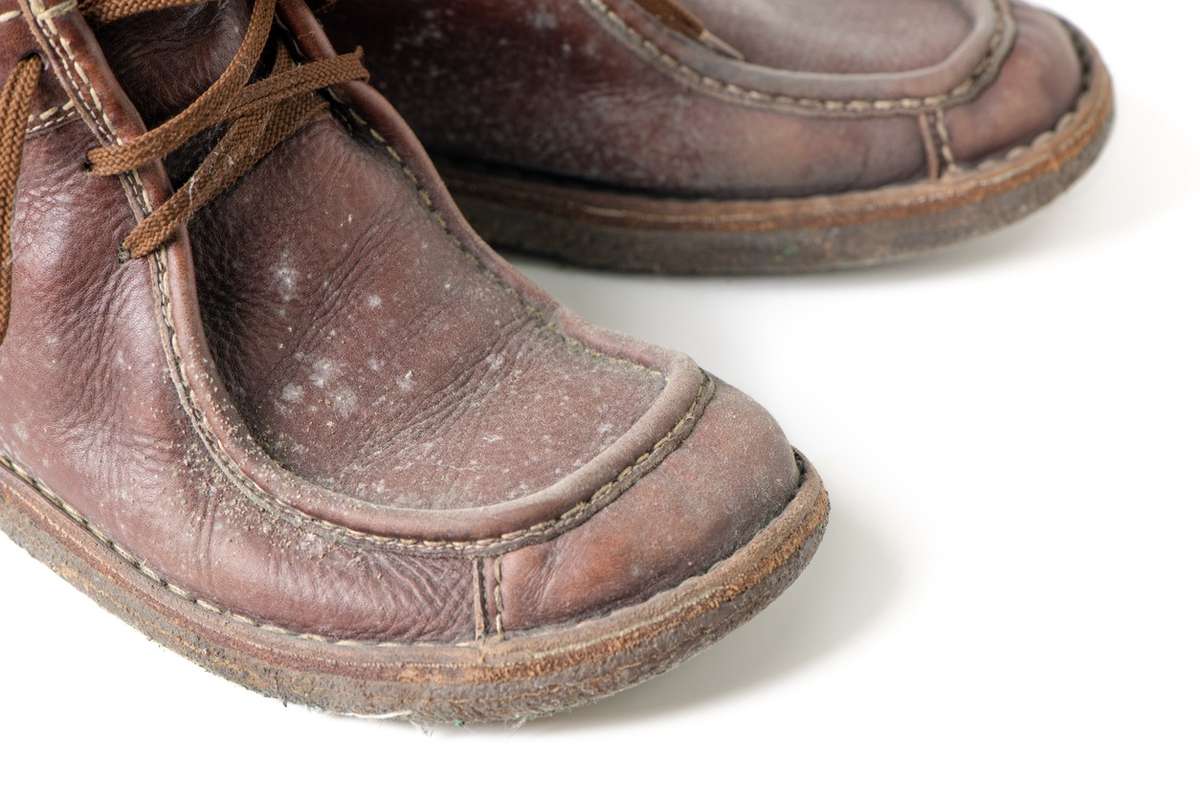
Why fungus survives in footwear
Fungus survives in shoes because footwear can act like a small, enclosed environment. Sweat adds moisture, while dead skin cells provide material that fungal particles can cling to.
The most common foot fungus in the United States is linked with tinea pedis, commonly called athlete’s foot. Dermatophytes such as Trichophyton species can spread through contaminated floors, towels, socks, shoes, and other objects.
Shoes can be especially difficult to clean because they contain:
- Fabric linings
- Foam padding
- Removable or fixed insoles
- Deep seams
- Textured rubber
- Narrow spaces around the toes
- absorbent materials that dry slowly
A shoe worn while the feet are infected can collect tiny flakes of skin. Those flakes may contain fungal elements. When the same person wears the shoe again, the fungus may contact warm, damp skin.


This does not mean every old shoe will cause reinfection. The risk depends on the fungus, the severity of the infection, the shoe material, and how well the shoe is cleaned.
Can fungus grow inside shoes?
Fungus can grow inside shoes when the conditions are warm, damp, and poorly ventilated. Still, survival and growth are not the same thing.
- Survival means fungal material remains present.
- Growth means the fungus multiplies.
- Infection means the fungus reaches skin and causes disease.
A dry shoe may contain fungal spores without allowing much growth. Yet those spores can still matter if they later reach sweaty or damaged skin.

How to tell whether shoes may be contaminated
You cannot reliably identify fungus by smell or sight. A musty odor may suggest moisture or microbes, but it does not prove fungal contamination.
Shoes are more likely to be contaminated when:
- They were worn during athlete’s foot or toenail fungus.
- The inside became wet with sweat or water.
- Socks were worn more than once.
- The shoes were not allowed to dry between uses.
- Peeling or cracked skin touched the lining.
- Several people shared the shoes.
- The same infection keeps returning after treatment.
A clean-looking shoe may still contain fungal particles. On the other hand, a discolored or smelly shoe may have bacteria, mold, sweat residue, or material breakdown rather than a foot fungus.
Signs of athlete’s foot on the skin
Common symptoms include:
- Itching between the toes
- Peeling or scaling skin
- Burning or stinging
- Cracks or small blisters
- Redness
- Dry, scaly skin on the soles or sides of the feet
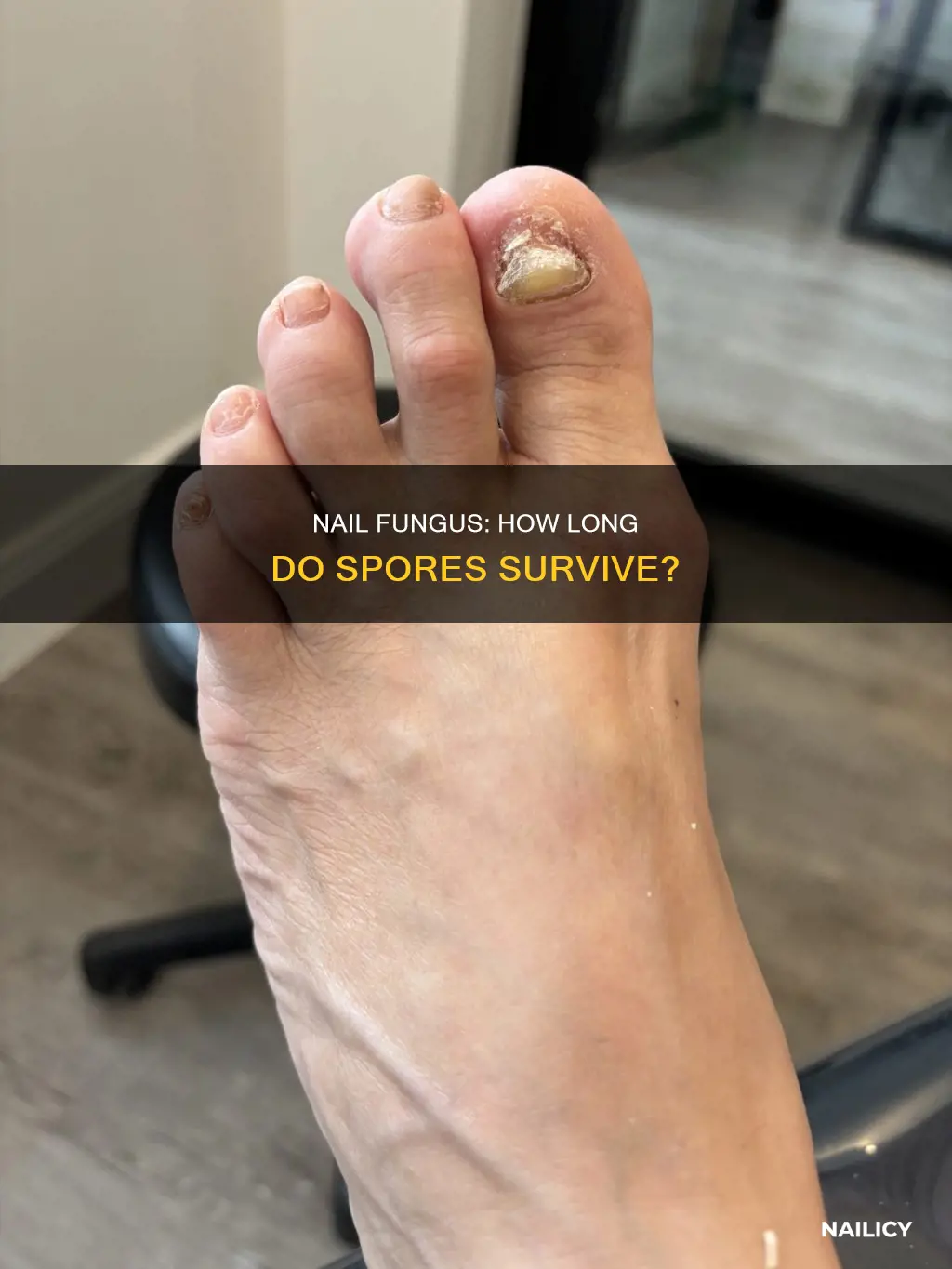
Toenail fungus may cause thick, brittle, yellow, white, or distorted nails. These signs can have other causes, so a health professional may need to confirm the diagnosis.

How to disinfect shoes after athlete’s foot
The best approach is to combine foot treatment, shoe care, sock hygiene, and moisture control. Cleaning the shoes alone may not stop the infection if the feet remain untreated.
1. Follow the shoe-care label
Check the manufacturer’s instructions first. Some athletic shoes can go in a washing machine, while leather, suede, structured shoes, and shoes with glued parts may be damaged by water or heat.
Do not soak footwear unless the label allows it. Excess water can trap moisture and create a better setting for microbial growth.
2. Remove and clean the insoles
Take out removable insoles when possible. Wash them according to their care instructions, or replace them if they are heavily worn, cracked, or difficult to clean.
Fixed insoles are harder to treat. Apply only a product that is labeled for that shoe material and intended to control the relevant fungus or fungi. Read the label and follow its contact time.


3. Wash washable shoes
If the care label permits machine washing:
- Remove loose dirt and the insoles.
- Wash the shoes with detergent as directed.
- Rinse well.
- Dry them completely before wearing.
Do not put damp shoes back on. The inside should feel dry, including the toe area and padding.
4. Treat nonwashable shoes carefully
For leather, suede, work boots, and other nonwashable shoes:
- Remove loose debris with a clean brush.
- Let the shoes dry fully.
- Use a shoe-safe product only if its label supports that use.
- Allow the required contact time.
- Ventilate the shoes before wearing them.
An EPA-registered disinfectant is not automatically suitable for every shoe. The product label must support the intended surface and the microorganism claim. Many disinfectants can damage leather, dyes, adhesives, or foam.
5. Dry shoes between uses
Remove the insoles and open the shoes as much as possible. Place them in a dry, well-ventilated area.
Avoid high heat unless the shoe maker allows it. Strong heat can shrink leather, weaken glue, warp synthetic materials, and damage cushioning.
6. Rotate footwear
Use different pairs on alternating days when possible. This gives each pair more time to dry.
A simple routine is:
- Wear one pair today.
- Remove the insoles after use.
- Let the shoes air out overnight.
- Use a second pair the next day.
7. Wash socks properly
Wash socks after each use. Dry them fully before wearing them again.
Hot water can help in some laundry situations, but the correct setting depends on the fabric and care label. The combination of detergent, thorough washing, and complete drying is more useful than relying on temperature alone.

Should you throw away shoes with fungus?
You do not always need to throw away shoes. Cleaning and drying may be enough when the shoes are washable, in good condition, and only lightly exposed.
Replacement becomes more reasonable when:
- The shoes remain damp or musty.
- They cannot be cleaned safely.
- The lining is peeling or heavily worn.
- The shoes contain visible skin debris that cannot be removed.
- The same infection keeps returning.
- The shoes were worn for a long time during a severe infection.
- The inside has deep foam or fabric that stays moist.
- A medical professional advises replacement.
There is no reliable rule that says shoes must be discarded after a certain number of days. The decision depends on the condition of the shoe and the course of the infection.
If you replace shoes, do not wear the new pair while the feet are still untreated. Otherwise, the new footwear can become contaminated again.


Can antifungal spray or powder kill fungus in shoes?
Some antifungal sprays and powders may help reduce fungal contamination or moisture, but they are not interchangeable.
A product may be designed to:
- Treat fungal skin infections
- Reduce odor
- Absorb moisture
- Deodorize footwear
- Disinfect hard surfaces
- Control fungi on a specific material
Read the label closely. Look for directions that specifically mention use inside shoes and the relevant type of fungus. Follow the full application and drying instructions.
Powder can help keep the inside of a shoe dry. It does not necessarily remove old fungal spores. Deodorizer may reduce odor without treating fungus. A surface disinfectant may damage a shoe or be unsafe for direct skin contact.
Never spray a product into shoes and wear them immediately unless the label says that is safe. Let the shoes dry fully.

How to prevent fungus from coming back
Preventing reinfection starts with controlling moisture. Athlete’s foot thrives when the feet stay warm and damp for long periods.
Use these habits:
- Dry carefully between the toes after bathing.
- Change socks at least once a day, or more often if they become wet.
- Choose shoes that allow airflow.
- Avoid wearing the same damp pair every day.
- Wear shower shoes in public locker rooms, pools, and communal showers.
- Do not share shoes, socks, towels, or nail tools.
- Keep toenails short and clean.
- Wash towels and socks regularly.
- Follow the full directions for any antifungal treatment.
If your feet sweat heavily, ask a health professional or pharmacist about safe ways to reduce moisture. Powder or antiperspirant products may help some people, but they should not replace treatment for an active infection.
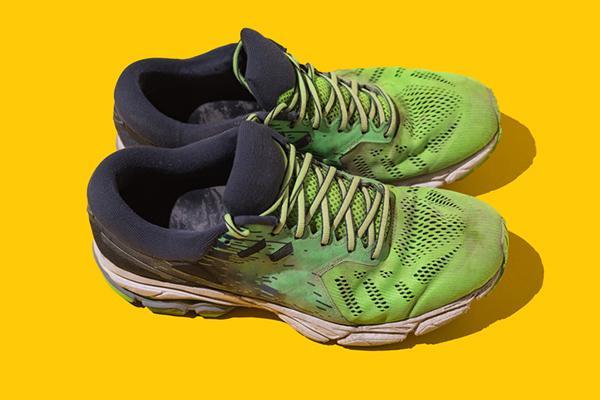
What if the infection keeps returning?
A recurring infection may come from untreated shoes, but footwear is not the only possible cause. Other possibilities include:
- Stopping treatment too soon
- A wrong diagnosis
- Reinfection from a household member
- Shared floors or showers
- Persistent moisture
- Toenail fungus acting as a source
- Eczema or another skin condition
- Diabetes or reduced immune function
Over-the-counter treatment may help mild athlete’s foot, but persistent or severe symptoms need medical advice. See a clinician if symptoms do not improve, spread, or return often.
Seek prompt medical care for spreading redness, warmth, swelling, pus, severe pain, fever, or red streaks. People with diabetes, poor circulation, nerve damage, or a weakened immune system should contact a health professional early rather than treating a worsening foot problem on their own.


Common mistakes when trying to remove fungus from shoes
Wearing shoes before they are dry
Damp shoes can undo the benefit of cleaning. Allow the lining and toe box to dry completely.
Using bleach without checking the material
Bleach may damage color, fabric, rubber, leather, and adhesives. It can also irritate the skin and lungs if used incorrectly.
Relying only on sunlight
Sunlight can warm and dry shoes, but it does not prove that all fungal material has been removed. Use it as part of drying, not as a guaranteed disinfection method.
Spraying perfume or deodorizer
Fragrance can hide odor without reducing the fungus. It may also irritate cracked or inflamed skin.
Treating the shoes but not the feet
If the skin infection remains active, clean shoes can become contaminated again.
Treating toenail fungus like athlete’s foot
Nail infections often need a different treatment plan and may take much longer to clear. Creams that work on skin may not cure an infection deep in the nail.
Key takeaways
- Fungus can survive in shoes for weeks or longer, especially in warm, damp conditions.
- There is no universal number of days that guarantees a shoe is fungus-free.
- Drying lowers risk but does not always remove fungal spores.
- Wash shoes only when the care label allows it.
- Use shoe-safe products labeled for the intended material and fungal claim.
- Rotate shoes, change socks, and keep feet dry.
- Replace shoes when they cannot be cleaned, stay damp, or appear linked to repeated infection.
- Treat the feet and shoes at the same time.
- Get medical advice for severe, persistent, recurring, or high-risk cases.
Frequently asked questions
Can fungus live in shoes for years?
It is possible for fungal material to persist for a long time in a protected, contaminated, porous shoe, but the exact lifespan in a household shoe is not well defined. Moisture, debris, and poor airflow increase the concern. Cleaning, drying, and replacing badly contaminated footwear reduce the risk.
Does putting shoes in the freezer kill fungus?
Freezing is not a reliable way to disinfect shoes. Some fungi and spores can tolerate cold conditions. Freezing may also harm leather, adhesives, or shoe materials.
Does boiling water kill fungus in shoes?
Very hot water may damage shoes and does not reach every internal layer. Do not use boiling water unless the manufacturer specifically approves it. Washing and drying according to the shoe-care label is safer.
Can I get athlete’s foot from old shoes?
Yes, contaminated shoes may contribute to reinfection, especially if they remain damp or contain infected skin flakes. They are only one possible source. Floors, towels, socks, shared footwear, and untreated skin can also spread the infection.
How often should I replace shoes if I have athlete’s foot?
There is no fixed replacement schedule. Clean and dry usable shoes first. Consider replacement if they remain damp, cannot be cleaned, have deep fabric or foam contamination, or are associated with repeated infections.
Can I wear the same shoes while using antifungal cream?
You can often continue using them if you clean and dry them properly. Wear clean socks, keep the feet dry, and rotate shoes when possible. If symptoms return, ask a health professional whether the shoes, diagnosis, or treatment plan needs review.
Sources and evidence
- Centers for Disease Control and Prevention: About Ringworm
- Centers for Disease Control and Prevention: Preventing Ringworm
- American Academy of Dermatology: Athlete’s Foot
- U.S. Environmental Protection Agency: List N and disinfectant label guidance
- Weitzman, I., and Summerbell, R. C. “The Dermatophytes.” Clinical Microbiology Reviews, 1995. NCBI
Conclusion
Fungus can remain in shoes for weeks or longer when the footwear stays warm, damp, and contaminated with skin debris. The most useful response is not to wait for a set number of days. Clean the shoes when the material allows it, dry them fully, rotate pairs, wash socks, and treat the foot infection at the same time.
If the infection keeps coming back or the foot becomes painful, swollen, or inflamed, consult a health professional.

Madison Clark is a footwear expert and the voice behind MyStyleGrid.com. She specializes in honest shoe reviews, style tips, and practical guides to help readers find the perfect pair for any occasion. With years of experience in blogging and content creation, Madison makes footwear knowledge simple, stylish, and easy to follow.