
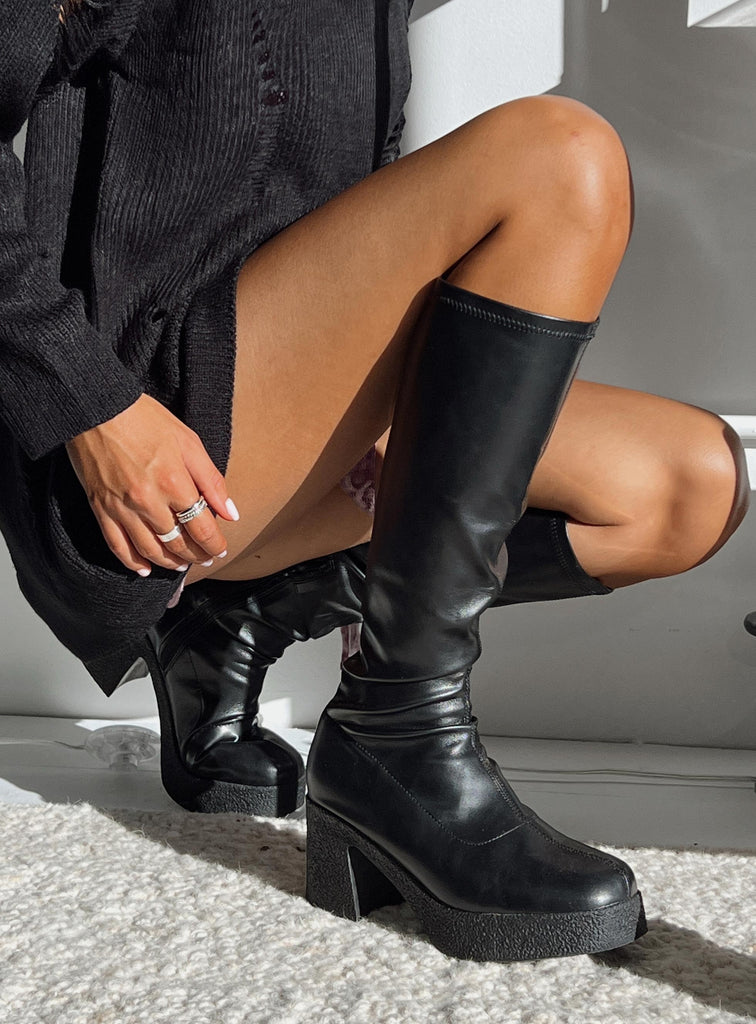
Knee high boots should feel secure around your leg without pinching, slipping, or limiting normal movement.
Knowing how tight should knee high boots be can make the difference between polished style and painful wear. The right fit supports your foot, leaves room for natural leg movement, and feels comfortable after several hours—not just during a quick try-on. This guide explains how to measure your legs, spot fit problems, choose the right shaft, and break in new boots safely.

How tight should knee high boots be?
Knee high boots should fit close to your leg, but they should never feel like compression gear unless they are designed for that purpose. The shaft should touch your calf in a smooth, even way. It should not dig into your skin, create deep marks, or make sitting and walking hard.
A good pair should pass these simple tests:
• You can slide one or two fingers between the boot shaft and your leg.
• You can bend your knee without the top edge cutting into your skin.
• You can walk without your heel lifting sharply or your foot sliding forward.
• Your toes can move freely inside the toe box.
• Your leg does not feel numb, cold, tingly, or trapped.
The answer to how tight should knee high boots be also depends on the boot’s material. Leather may soften and mold to your leg. Stretch fabric may offer a closer fit. Suede can relax slightly with wear, but it may not stretch enough to fix a badly tight shaft.
Think of the fit like a firm handshake. It should feel secure and supportive, not painful or restrictive.
Signs your knee high boots fit correctly
Correct fit is about more than the calf area. The shaft, ankle, heel, instep, and toe box all work together. A boot can fit your calf well and still be too narrow around your foot.
The shaft feels secure
The upper part of the boot should stay in place as you walk. A small amount of movement is normal, especially with smooth leather. However, the boot should not slide down several inches or bunch behind your knee.
The top edge should sit below the bend of your knee. If it reaches into the crease behind your knee, it may rub with every step. This can cause redness and soreness, even when the calf width feels fine.


Your calf has room to move
Your calf changes shape as you walk, climb stairs, and sit. A boot that feels acceptable while standing may feel too tight when your leg bends.
Try these movements in the store or at home:
-
Stand naturally and zip the boot fully.
-
Walk for several minutes.
-
Sit in a chair.
-
Bend your knee and take a few steps upstairs.
-
Check for pressure, rubbing, or restricted movement.
If the boot becomes painful during any of these steps, it is not the right fit. This practical test answers how tight should knee high boots be better than standing still in front of a mirror.
Your foot stays stable
Your heel should remain mostly in place as you walk. A little heel lift can happen in new boots, especially stiff leather styles. Too much movement may lead to blisters.
Your toes should not touch the front of the boot. Leave about a thumb’s width of space in front of your longest toe. Your foot also needs enough width across the ball of the foot.
A tight shaft cannot make up for a poor foot fit. If your toes feel cramped, try a wide-width boot rather than simply sizing up. A larger length may cause your heel to slip.

How to measure your calf for knee high boots
Measuring your calf is one of the best ways to understand how tight should knee high boots be before you buy. Product size charts often list shaft circumference, but shoppers sometimes compare that number with the wrong part of their leg.
Measure at the widest point
Use a soft measuring tape. Measure while standing, because your calf can expand slightly when you put weight on the leg.
Follow these steps:


-
Wear the socks, tights, or pants you plan to wear with the boots.
-
Stand with your feet flat and your weight spread evenly.
-
Find the widest part of your calf.
-
Wrap the tape around that point.
-
Keep the tape level and snug, but do not pull it tight.
-
Measure both legs and use the larger number.
Legs are often slightly different in size. A difference of a quarter inch may not matter in a stretch boot, but it can matter in a stiff leather style.
Compare your measurement with the boot chart
Look for two measurements:
• Shaft circumference: the width around the boot opening or calf area.
• Shaft height: the distance from the top of the heel to the top of the boot.
Your calf measurement should be slightly smaller than the listed shaft circumference. This gives your leg room to move and leaves space for clothing.
For example, if your calf measures 15 inches, a 15-inch shaft may feel too tight. A 15.5-inch or 16-inch shaft may give a more comfortable fit, depending on the boot material and lining.
Product measurements can vary. Some brands measure the shaft at the top opening. Others measure lower down the boot. If possible, read customer reviews and check where the measurement was taken.
Measure with your usual clothing
Thin tights need less space than denim or thick leggings. If you plan to wear boots over jeans, measure while wearing those jeans.
This is a common fitting mistake. A boot may fit well with bare legs in September but feel too tight over winter clothes. The best answer to how tight should knee high boots be must reflect how you plan to wear them.



How tight should knee high boots be around the calf?
Around the calf, knee high boots should feel close but not compressed. The shaft should follow your leg without causing bulges above the top edge or deep indentations below it.
A small gap is not always a problem. Many classic riding boots have a little space at the calf. That space can improve comfort and allow thicker socks or pants. A large gap, however, may cause the boot to fold, slide, or look loose.
The right amount of space depends on the design:
• Stretch boots can fit closer because the fabric moves with your leg.
• Leather boots usually need a little more room because they have less give.
• Slouch boots are meant to have extra space and folds.
• Riding boots should feel supportive but allow natural calf movement.
• Western-inspired knee high boots may have a wider shaft by design.
Do not judge the fit only by whether you can zip the boot. A zipper that closes with effort may place constant pressure on your calf. The boot should close smoothly without forcing the panels together.
If the zipper stops halfway, do not keep pulling. You may damage the zipper or stretch the leather unevenly. Try a wider-calf style instead.
How tight should knee high boots be at the ankle and foot?
The ankle should feel secure. It should not feel loose enough for your foot to slide forward. At the same time, the boot should not pinch the ankle when you flex your foot.
The instep is the highest part of the foot. If the boot presses hard across the instep, you may notice numbness or tingling. This is a sign that the boot may be too shallow or too narrow in that area.
Check the following:
• Your toes lie flat and can move.


• The ball of your foot rests at the widest part of the boot.
• Your heel does not lift excessively.
• The arch feels supported without a hard pressure point.
• The ankle bends without rubbing.
Boots with laces, elastic panels, or adjustable buckles can offer a more flexible fit. Pull-on boots need a closer match because you cannot change the fit once they are on.
A thick sock can reduce rubbing, but it cannot solve a boot that is too short or too narrow. Insoles may improve support, yet they also take up space. Test the boots with any insole you plan to use.

What happens if knee high boots are too tight?
Boots that are too tight can cause pain right away or after several hours. Pressure may build as your feet and legs swell during the day. This is one reason a boot that feels fine in the morning may feel uncomfortable in the evening.
Common warning signs include:
• Deep red marks that remain after removing the boots.
• Numbness or tingling in the foot or leg.
• Burning around the toes or calf.
• Blisters, rubbing, or broken skin.
• Difficulty bending the knee.
• Cold or pale toes.
• A zipper that strains or opens by itself.
Mild pressure is not the same as a proper fit. Your legs should not feel squeezed. If you have diabetes, nerve problems, circulation concerns, or swelling, ask a qualified health professional about suitable footwear.
Do not wear painful boots for a full day in the hope that they will improve. Leather can soften, but it usually cannot add a full size to the shaft. Severe pressure may also create lasting damage to the boot.
What happens if knee high boots are too loose?
Loose boots can cause a different set of problems. Your leg may move inside the shaft, while your heel and foot slide with each step. This movement can create blisters and reduce stability.
A loose shaft may also fold behind the knee or bunch around the ankle. That can cause rubbing and make the boots look uneven.
You can sometimes improve a slightly loose fit with:
• Thick socks.
• Boot cuffs or leg warmers.
• A thin calf sleeve.
• A removable insole, if the foot area also feels loose.
• An adjustable buckle or elastic insert.
Avoid stuffing large items into the boot. This can create hard pressure points and change the shape of the shaft. If the boot is much too wide, a narrow-calf model will usually provide a better result.
The goal is not to make the boot as tight as possible. The goal is steady support with enough room for comfort.

Do knee high boots stretch with wear?
Many knee high boots stretch a little, but the amount depends on the material and construction. Full-grain leather may relax around the calf and foot. Suede can soften more easily. Synthetic leather often stretches less and may return to its original shape.
Stretch fabric can expand around the calf, but it still needs a good starting fit. It should not be pulled to its limit every time you wear it.
A boot may break in by becoming softer, not by becoming much larger. Keep that difference in mind when deciding how tight should knee high boots be.
To break in boots safely:
-
Wear them indoors for 15 to 30 minutes.
-
Use the socks you plan to wear outside.
-
Check your skin after removing them.
-
Increase wear time slowly.
-
Stop if you feel numbness, sharp pain, or strong pressure.
A professional shoe repair shop may stretch leather boots. Ask for a small adjustment first. Excessive stretching can damage the finish, distort the shape, or weaken seams.
Never use high heat from a hair dryer to force boots to stretch. Heat can dry leather, loosen glue, and harm synthetic materials.
How to choose knee high boots for wide calves
If standard boots feel tight, look for a wide-calf or extra-wide-calf design. These boots use a larger shaft circumference while keeping the foot length more consistent.
Search product details for terms such as:
• Wide calf.
• Extra wide calf.
• Stretch shaft.
• Elastic gore.
• Adjustable shaft.
• Back zipper.
• Extended calf sizes.
An elastic panel can add comfort because it expands as you move. However, the panel should not be stretched flat all day. If it looks overly strained, choose a larger shaft.
Adjustable boots are useful when your calf size changes with clothing or the season. Some styles include buckles, laces, or removable panels. These features can give you a more custom fit than a fixed shaft.
Do not automatically buy a larger shoe size to gain calf room. A longer boot may cause foot movement and poor balance. Look for the right shaft width and the right foot size separately.
People with muscular calves, swelling, or different leg shapes may need custom boots. A shoe fitter or skilled repair professional can help identify the best option.

How to try on knee high boots the right way
The time of day matters. Feet and legs may swell after hours of standing, walking, or sitting. Try boots later in the day when possible. This gives you a more realistic fit.
Bring the socks, tights, or pants you expect to wear. Sit and stand several times. Walk on a hard floor, turn corners, and climb a few steps if the store allows it.
Check both boots. One foot is often slightly larger than the other, so fit the larger foot first.
Here is a simple fitting checklist:
-
Put on both boots.
-
Zip or fasten them without force.
-
Stand for two minutes.
-
Walk for five minutes.
-
Sit and bend both knees.
-
Check your toes, instep, ankle, and calf.
-
Remove the boots and inspect your skin.
-
Keep the receipt until you have tested them indoors.
For online purchases, review the brand’s size chart and return policy. Measure your calf in the evening and compare it with the exact product measurements. Customer reviews can help, especially when several people mention shaft fit.
This method is more reliable than buying based on your usual shoe size alone.
Common knee high boot fitting mistakes
Many fit problems come from focusing on appearance before comfort. A boot may look sleek in a product photo but feel restrictive on a real leg.
Avoid these mistakes:
• Buying a size up to fix a tight calf.
• Measuring the calf while sitting.
• Ignoring the clothes you will wear.
• Trying on only one boot.
• Assuming leather will stretch a full size.
• Keeping boots that cause numbness.
• Testing them only for two minutes.
• Pulling hard on a stuck zipper.
• Using thick socks to hide a poor foot fit.
• Judging fit before walking and sitting.
Another common mistake is confusing snugness with support. A supportive boot holds your foot and shaft in place. A tight boot creates pressure. If you remove the boots and see deep marks, the fit needs attention.
A fitting lesson worth remembering is simple: the best pair often feels almost unremarkable. You notice the style, but you do not notice constant pressure. That is usually a sign of a well-balanced fit.
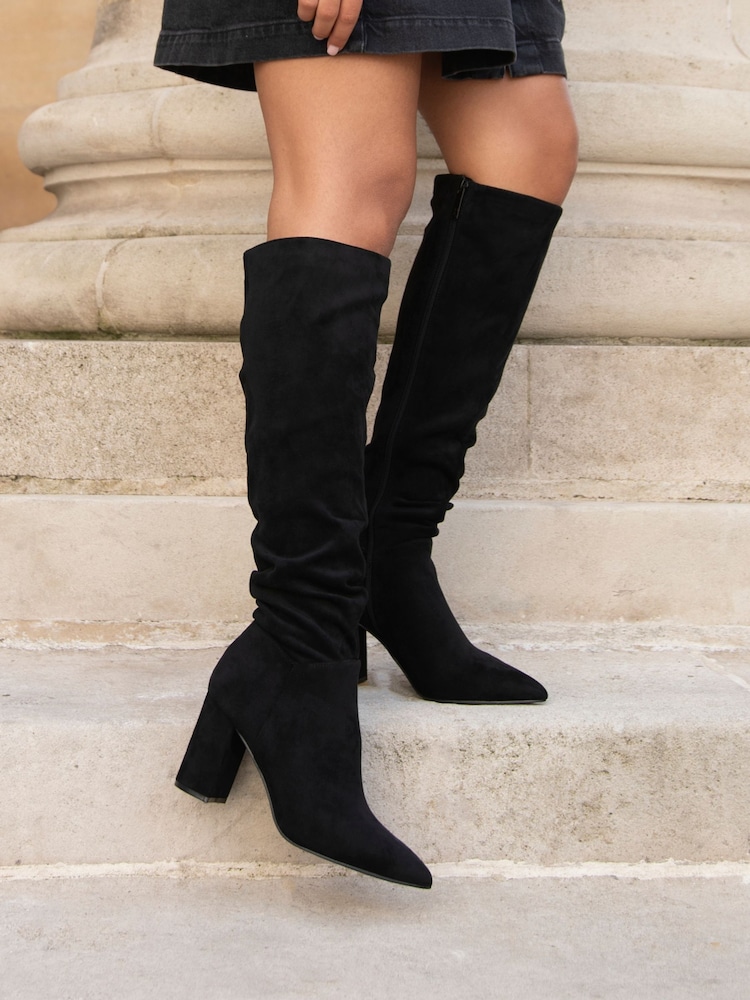
Are tight knee high boots safe to wear?
Knee high boots are generally safe when they fit correctly and allow normal movement. They should not cause pain, numbness, tingling, skin damage, or changes in skin color.
Boots are not the same as medical compression garments. Compression wear is designed with specific pressure levels and medical goals. A fashion boot should not squeeze the leg like a compression sleeve.
Remove the boots and seek medical advice if you notice persistent swelling, severe pain, weakness, numbness, or skin color changes. People with circulation problems or conditions that affect sensation should be especially careful because they may not feel pressure early.
Comfort is not only about enjoyment. It also helps you walk naturally and reduces avoidable rubbing. When considering how tight should knee high boots be, choose the loosest fit that still gives stable support.
Frequently Asked Questions
How tight should knee high boots be around the calf?
They should feel close and secure but not squeeze your calf. You should be able to fit one or two fingers between the shaft and your leg without forcing them in.
Should knee high boots leave marks on your legs?
Light, temporary marks can occur, especially with a fitted shaft. Deep marks, pain, numbness, or redness that lasts more than a short time suggest the boots are too tight.
Should I size up if knee high boots are tight around my calves?
Usually, no. Sizing up may make the foot too long and cause heel movement. Look for a wide-calf style, stretch panel, or adjustable shaft instead.
Do leather knee high boots get looser?
Leather may soften and relax slightly with wear. It usually will not become dramatically wider, so do not buy boots that feel painful and expect them to gain a full size.
How much space should be at the top of knee high boots?
A small amount of space is often comfortable and allows room for movement or clothing. The boot should not gap widely, slide down, or fold behind your knee.
Can I wear thick socks with knee high boots?
Yes, if the boots have enough room. Try them on with the socks you plan to wear, because thick fabric can make a close shaft or toe box feel too tight.
Why do my knee high boots feel tight later in the day?
Your feet and legs can swell after walking, standing, or sitting for long periods. Try boots later in the day and leave enough room for normal changes in leg size.
Conclusion
The right knee high boots should feel secure, flexible, and comfortable from the calf to the toes. Measure your larger calf while standing, compare it with the brand’s shaft chart, and test the boots while walking, sitting, and bending.
A snug fit is helpful, but pain is not part of the break-in process. Choose a wide-calf or adjustable style when needed, and stop wearing any pair that causes numbness, strong pressure, or lasting skin marks. Use these tips the next time you shop, and share your best knee high boot fitting experience in the comments.

Madison Clark is a footwear expert and the voice behind MyStyleGrid.com. She specializes in honest shoe reviews, style tips, and practical guides to help readers find the perfect pair for any occasion. With years of experience in blogging and content creation, Madison makes footwear knowledge simple, stylish, and easy to follow.