Introduction
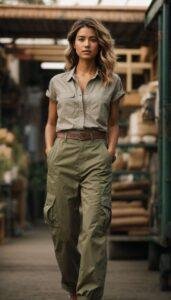
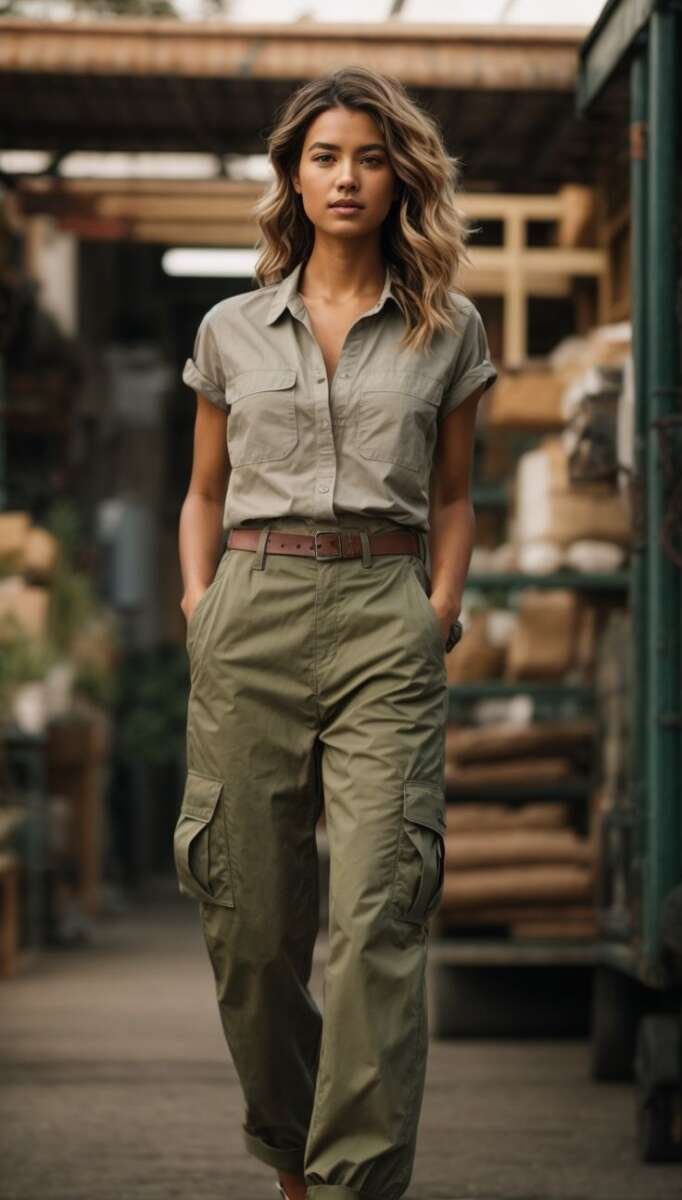
Cargo style pants are trousers with large storage pockets sewn onto the outer legs. In the United States, people wear them for work, travel, outdoor use, streetwear, and casual outfits. Their main feature is function: they hold items such as a phone, wallet, keys, tools, or a small notebook without filling the front pockets.
Cargo pants come in many forms. Some have a loose military fit and thick cotton fabric. Others are slim, stretchy, lightweight, or made for hiking. The pockets may sit on the thighs, calves, or sides of the legs. So, “cargo style” describes a pocket design more than one fixed shape or fabric.

What Makes Pants “Cargo Style”?
Cargo style pants have one or more expandable pockets attached to the outside of each leg. These pockets usually have a flap, zipper, snap, hook-and-loop closure, or open top.
A typical pair may include:
- Two front hand pockets
- Two back pockets
- One large pocket on each thigh
- Pleats or folds that let the thigh pockets expand
- A flap or closure to help keep items inside
- Belt loops and a button, zip, or drawstring waist
The key detail is the external thigh pocket. A pair of trousers can have many pockets without being cargo pants. Cargo pants use visible side pockets as a central part of their design.
The term does not describe one exact cut. Cargo pants may be:
- Relaxed or baggy
- Straight-leg
- Tapered
- Slim
- Jogger-style
- Cropped
- High-rise or low-rise
- Made from cotton, canvas, ripstop nylon, denim, or a fabric blend
The Merriam-Webster dictionary defines cargo pants by their large pockets sewn onto the legs. In everyday American clothing terms, “cargo pants,” “cargo trousers,” and “cargo-style pants” often refer to the same basic idea.

Cargo Pants vs. Utility, Tactical, and Carpenter Pants
These styles overlap, but they are not identical. The pocket layout, intended use, and fabric usually separate them.
| Pant type | Main design feature | Common use |
|---|---|---|
| Cargo pants | Large side or thigh pockets | Casual wear, work, travel, outdoor use |
| Utility pants | Several practical pockets and tool features | General work and daily use |
| Tactical pants | Reinforced areas, organized pockets, and durable fabric | Field work, training, and demanding jobs |
| Carpenter pants | Tool loops, hammer loops, and a ruler pocket | Carpentry and construction |
| Hiking pants | Light fabric, stretch, weather control, and useful pockets | Hiking and outdoor recreation |
| Fatigue pants | Workwear-inspired construction and simple patch pockets | Casual and heritage clothing |
A pair of cargo pants may also be utility pants. However, not every utility pant is a cargo pant. For example, a work pant with a hammer loop and ruler pocket may be a utility pant but not a traditional cargo design.
“Tactical” is also not a guarantee of quality. The label may describe the look rather than a tested performance standard. If you need pants for work or outdoor use, check the fabric, stitching, closures, and care instructions instead of relying only on the name.

Why Do Cargo Pants Have Large Side Pockets?
Cargo pockets move storage space from the waist and front pockets to the legs. This can make it easier to carry bulky items while leaving the front pockets available for smaller essentials.
The folds in many cargo pockets act like a small expansion panel. When the pocket is empty, it can lie fairly flat. When filled, it opens outward. A flap or zipper can then help secure the contents.


Cargo pockets are useful for:
- Work gloves
- Small hand tools
- Phone chargers
- Maps
- Snacks
- Sunglasses
- Travel documents
- Small notebooks
- Compact outdoor gear
Large pockets also have limits. Heavy objects can pull down one side of the pants and make the wearer feel unbalanced. Hard items may press against the leg when sitting. Loose items can also fall out if the pocket has no secure closure.
For comfort, place light and soft objects in cargo pockets. Keep heavier items in a backpack, tool bag, or other carrier when possible.

Common Materials Used in Cargo Style Pants
The best fabric depends on how you plan to wear the pants. No single material works best for every use.
Cotton twill
Cotton twill has a diagonal weave and a firm feel. It is common in casual cargo pants and workwear-inspired clothing.
Strengths:
- Comfortable for daily wear
- Breathes better than many synthetic fabrics
- Softens with use
- Has a classic appearance
Limits:
- Can dry slowly when wet
- May wrinkle
- May shrink if washed or dried with high heat
Canvas
Canvas is a dense woven fabric. It usually feels heavier and more structured than ordinary cotton twill.
Strengths:
- Good abrasion resistance
- Holds a sharp shape
- Suitable for light work and outdoor use
Limits:
- Can feel stiff at first
- May be warm
- Offers less stretch unless blended with another fiber
Ripstop fabric
Ripstop uses a stronger thread pattern to help stop small tears from spreading. Cotton ripstop and nylon ripstop are both used in military-inspired and outdoor pants.
Strengths:
- Light to medium weight
- Often resists tearing better than plain lightweight fabric
- Useful for travel and outdoor activities
Limits:
- A ripstop weave does not make pants tearproof
- Thin versions may wear faster at stress points
- Nylon may feel less breathable than cotton
Polyester and nylon blends
Synthetic blends can add strength, quick drying, stretch, or water resistance.


Strengths:
- Often dries quickly
- May resist wrinkles
- Can work well for travel and hiking
Limits:
- May hold heat or odor
- Can feel less natural than cotton
- Water resistance can decrease with wear and washing
Stretch blends
Elastane, also called spandex, is often added in a small amount to improve movement.
Stretch helps when you bend, climb stairs, sit, or squat. However, more stretch does not always mean greater durability. Check the fabric weight and stitching if you need pants for demanding work.

How Should Cargo Pants Fit?
Cargo pants should fit comfortably at the waist and seat, with enough room to move without excess fabric hanging from the legs. The best shape depends on your use and personal style.
Relaxed cargo pants
Relaxed cargo pants have more room through the hips, thighs, and lower legs. They suit workwear, outdoor use, and casual outfits.
They may feel comfortable during long periods of sitting or movement. The trade-off is a larger silhouette, especially when the pockets are filled.
Straight-leg cargo pants
Straight-leg pants keep a similar width from the thigh to the ankle. They create a balanced shape and work well with sneakers, boots, or casual shoes.
This is often the easiest cut to style because it is neither very loose nor very narrow.
Tapered cargo pants
Tapered pants become narrower below the knee. They give cargo pants a cleaner, more modern outline.
A strong taper can reduce fabric around the shoe. However, the lower leg should not feel tight when you walk, sit, or climb.
Slim cargo pants
Slim cargo pants sit closer to the body. They can look less bulky, but the pocket size and fabric matter.
Avoid a pair that pulls across the thighs or causes the pocket opening to gape. A cargo pocket should lie reasonably flat when empty and expand without strain when used.
Cargo joggers
Cargo joggers combine side pockets with an elastic waist and cuffed ankles. They are common in casual and athletic-inspired clothing.


They offer easy movement but may look too relaxed for some workplaces. They also tend to hold less shape than structured cargo trousers.

How to Wear Cargo Style Pants
Cargo pants can look neat or casual depending on the cut, color, and items worn with them. The easiest approach is to balance the volume of the pants with a simple top.
For a casual outfit
Pair straight or tapered cargo pants with:
- A plain T-shirt
- Low-top sneakers
- A denim jacket
- A sweatshirt
- A simple belt
Neutral colors such as olive, black, khaki, navy, gray, and tan are easy to combine. If the pants have several pockets or strong details, keep the top fairly simple.
For a workwear outfit
Choose sturdy cotton, canvas, or ripstop pants with a work shirt, flannel, overshirt, or durable jacket. Boots or plain leather shoes can support the heavier look.
For actual job-site use, fashion cargo pants may not be enough. Look for reinforced seams, secure closures, tool storage, and fabric suited to the task.
For a travel outfit
Lightweight cargo pants can reduce the need for a small bag. Choose a pair with secure pocket closures and a comfortable waistband.
Do not place passports, cash, or other valuable items in an open side pocket. A zipped inner pocket or secure travel pouch offers better protection.
For a cleaner outfit
Select a slim or tapered pair in black, navy, gray, or a dark neutral. Wear a knit polo, Oxford shirt, plain sweater, or clean overshirt.
The fit should be neat without being tight. Limit the number of visible accessories so the pocket design does not overwhelm the outfit.
For warm weather
Choose lightweight cotton, linen blends, or breathable technical fabric. A looser cut may improve airflow.
Avoid thick canvas in hot weather unless you need its strength. Check whether the fabric is see-through, especially in lighter colors.

How to Choose Cargo Pants
Start with the activity, then select the fit, fabric, and pocket design. A practical checklist can prevent common buying mistakes.


1. Decide how you will use them
Ask whether you need the pants for:
- Everyday clothing
- Travel
- Hiking
- Yard work
- Construction
- Outdoor recreation
- A fashion outfit
Daily wear usually needs comfort and easy care. Work use may require stronger fabric and reinforced seams. Hiking may favor low weight, stretch, and quick drying.
2. Check the pocket layout
Look at the size and location of each pocket. A large pocket is useful only if it holds the items you carry.
Check whether the pocket:
- Opens easily
- Stays closed
- Allows you to sit comfortably
- Has a gusset or expansion fold
- Holds its shape
- Causes the pants to sag when loaded
3. Inspect the fabric
Read the fiber content and care label. Consider weight, stretch, breathability, drying time, and abrasion resistance.
A heavier fabric may last longer in rough use, but it can feel hot and stiff. A lighter fabric may feel better for travel but offer less protection against wear.
4. Test the fit through movement
When trying on cargo pants, walk, sit, bend, and raise your knees. Check for pulling at the seat, thigh, crotch, and knees.
The waistband should stay in place without digging into your skin. The pocket openings should not gape when you move.
5. Match the rise and length to your needs
A higher rise can provide more coverage when bending. A lower rise may feel less restrictive but can shift during movement.
The hem should work with the shoes you plan to wear. Extra fabric at the ankle can bunch around low shoes and make the pants look untidy.
6. Read the care instructions
Follow the garment label. The Federal Trade Commission requires care instructions on most apparel sold in the United States, but the instructions can vary by fiber, finish, and construction.
Washing in cold or warm water and using lower dryer heat may help reduce shrinkage and wear. Do not assume that “washable” means the pants should be cleaned with any product or temperature.

Cargo Pants: Benefits and Drawbacks
Cargo pants offer useful storage, but the same features can create problems.
Benefits
- More storage than standard trousers
- Easy access to small items
- Many fits and fabrics
- Useful for work, travel, and outdoor activities
- Strong connection to military and workwear style
- Can reduce the need for a small bag
Drawbacks
- Full pockets can add bulk
- Heavy items may pull down the pants
- Large pockets may catch on objects
- Some styles look too casual for formal settings
- Thick fabric can feel hot
- Poor pocket placement can make sitting uncomfortable
- Fashion versions may lack the strength needed for real work
The deciding trade-off is simple: more storage often means more visual and physical bulk. If you rarely carry items in the pockets, a flatter pair may look cleaner and feel lighter.

Common Mistakes to Avoid
Choosing pockets over fit
Large pockets cannot fix pants that pinch, slide, or restrict movement. Fit the waist, seat, thighs, and rise first.
Filling every pocket
A fully loaded pair can become uncomfortable and may damage the pocket seams. Carry only light items that you can access safely.
Assuming “tactical” means work-ready
A tactical appearance does not prove that the pants can handle tools, kneeling, climbing, heat, or repeated washing. Check the actual construction and the intended use.
Wearing a loose top with very loose pants
Oversized clothing on both the top and bottom can hide the shape of the outfit. If the pants are wide, a more fitted or structured top can create balance.
Ignoring pocket closures
Open pockets may be fine for a walk around town but unsuitable for travel or active use. Choose zippers, snaps, or secure flaps when items must stay put.
Washing without checking the label
Heat can shrink cotton and damage elastic fibers or special finishes. Use the care label as the first guide.
Are Cargo Pants Still in Style?
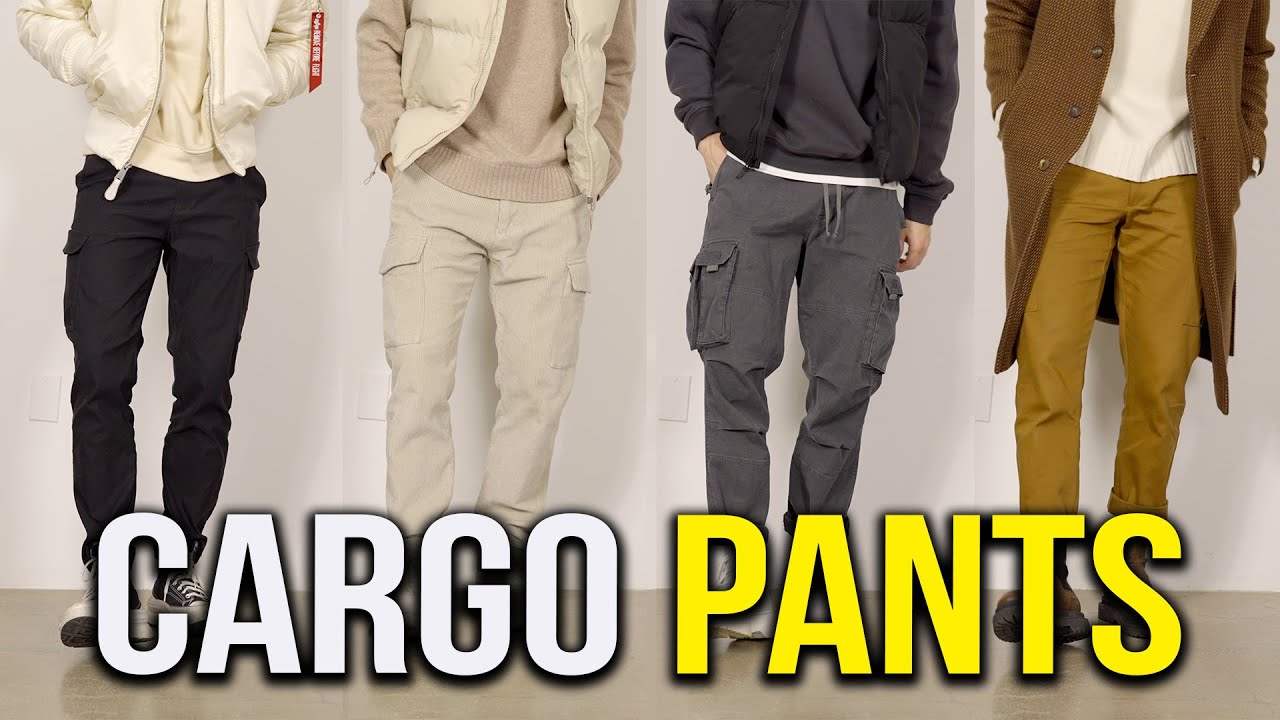
Cargo pants remain a recurring part of American casual fashion. Their popularity changes by cut, color, and styling rather than disappearing completely.
Loose cargo pants often create a relaxed streetwear look. Slim or tapered cargo pants appear more understated. Workwear-inspired versions use sturdy fabrics and simple colors, while fashion versions may use unusual pockets, bright colors, or decorative straps.
The most durable style choice is a pair that fits well and suits your wardrobe. Trends may change, but useful pockets and comfortable pants remain practical.

Frequently Asked Questions
Are cargo pants only for men?
No. Cargo pants are made for all genders. The main differences between designs are usually the cut, rise, size range, fabric, and styling. Choose based on comfort and intended use rather than the label on the clothing rack.
Are cargo pants good for hiking?
They can be, but the right pair depends on the hike. Lightweight, breathable, stretchy pants with secure pockets may work well. Heavy cotton cargo pants can feel hot, stay wet longer, and restrict movement on difficult trails.
What is the difference between cargo pants and cargo shorts?
Cargo shorts use the same basic pocket idea but end above the knee. Cargo pants cover the full leg. Both may have expandable thigh pockets, but the pocket placement can change with the shorter length.
Can cargo pants be business casual?
Sometimes, but it depends on the workplace. A clean, slim, neutral pair may work in a relaxed office. Traditional cargo pants with large flaps, heavy fabric, or a very loose fit usually look too casual for formal business settings.
How should cargo pants be washed?
Follow the garment care label. In general, empty all pockets, close zippers and fasteners, wash similar colors together, and avoid excess heat unless the label allows it. Remove items before washing because objects left in cargo pockets can damage both the garment and the washer.
Conclusion
Cargo style pants are trousers with large external pockets, usually placed on the thighs. They come in many fits and fabrics, from lightweight hiking pants to heavy workwear and slim casual styles.
Choose cargo pants by use, fit, fabric, pocket security, and care needs. For the best everyday option, look for a comfortable straight or tapered cut, a breathable fabric, and pockets that hold useful items without making the pants bulky.

Rubel Miah is the Senior Editor at MyStyleGrid.com, where he brings a sharp editorial eye and an unshakable love for fashion to everything he does. A true style addict, Rubel lives and breathes trends, from streetwear to high fashion, and has a knack for turning inspiration into impactful stories. With years of experience in fashion journalism and digital media, he curates content that empowers readers to express themselves through style. When he’s not editing features or forecasting the next big thing, you’ll find him hunting down vintage pieces or capturing street style moments around the city.